
Skincare
•07 min read

 350 gm
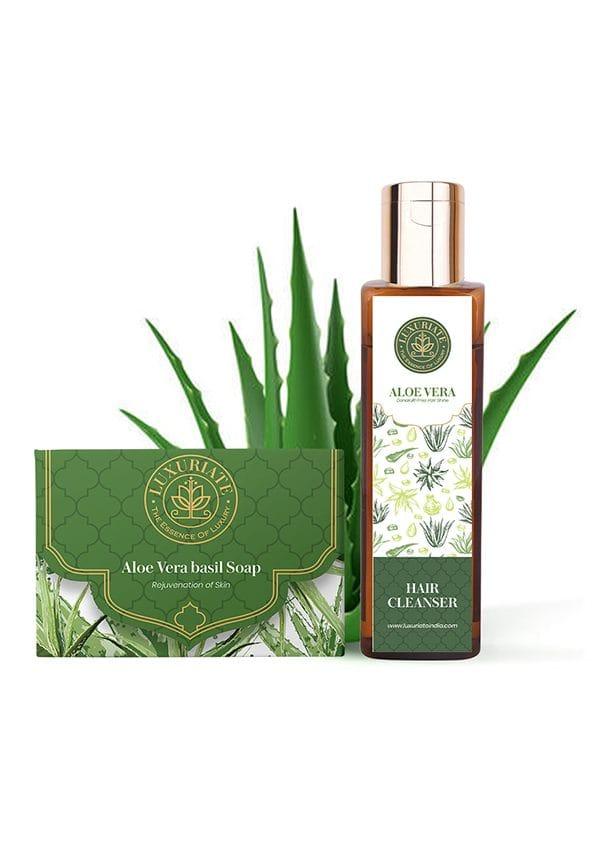
Naturally Refreshing Aloe Vera and Basil Soaps for Rejuvenatioon combo pack of 2
Let's be real—acne scars can feel like unwelcome reminders of breakouts past, lingering long after your skin has cleared up. But here's the thing: you don't always need expensive treatments or harsh chemicals to see real improvement. Aloe vera for acne scars has been quietly working wonders for centuries, and modern science is finally catching up to what our grandmothers always knew. This humble plant packs serious healing power that might just become your skin's new best friend. Whether you're dealing with shallow marks or deeper indentations, understanding how to use aloe vera properly could be the game-changer your skincare routine needs. Ready to discover why this green goddess deserves a spot in your scar-fighting arsenal?
The skin healing properties of aloe vera aren't just folklore—they're backed by solid science. This succulent contains over 75 active compounds, including polysaccharides, glycoproteins, and amino acids that work together like a perfectly orchestrated healing symphony. The magic happens when these compounds penetrate your skin and kickstart collagen synthesis, which is essentially your skin's way of rebuilding itself from the inside out.
What makes aloe vera benefits for skin so impressive is its ability to tackle scar formation from multiple angles. The anti-inflammatory properties help calm irritated tissue whilst promoting cellular regeneration. Clinical studies have shown that aloe vera can increase collagen production by up to 30%, making it a serious contender amongst natural acne scar remedies. Plus, unlike some harsh treatments, aloe vera actually strengthens your skin barrier rather than stripping it down.
Not all acne scars are created equal, and knowing which type you're dealing with helps set realistic expectations. Atrophic scars—those depressed areas including ice pick, boxcar, and rolling scars—respond particularly well to aloe vera's collagen-boosting properties. The gel works to gradually fill in these indentations over time.
Hypertrophic and keloid scars, which are raised above the skin surface, benefit from aloe vera's anti-inflammatory action. However, these typically need more intensive treatment. Post-inflammatory hyperpigmentation (those dark spots that aren't technically scars) often sees the fastest improvement with consistent aloe vera use.
Getting the most out of aloe vera gel for scars isn't just about slapping it on and hoping for the best. The key lies in proper preparation and consistent application. Start by thoroughly cleansing your face with a gentle cleanser—you want a clean canvas for the aloe to work its magic. Always do a patch test first, especially if you're using fresh aloe or trying a new commercial product.
Here's where technique matters: apply a thin, even layer of pure aloe vera gel to the scarred areas using gentle, circular motions. The best time for application is typically evening, when your skin is in repair mode. For daytime use, make sure to follow up with SPF since aloe can make your skin slightly more photosensitive.
For the purest approach, use about a pea-sized amount of gel for your entire face. Massage gently for 30-60 seconds, allowing the gel to absorb before applying other products. Frequency is crucial—aim for twice daily applications for optimal results, but start with once daily if you have sensitive skin.
Want to supercharge your scar reduction with aloe vera? Try mixing a few drops of vitamin E oil with your aloe gel for enhanced healing. A weekly honey and aloe mask can provide deep moisturisation whilst the antibacterial properties of honey prevent new breakouts. For those dealing with active acne alongside scars, a tiny drop of tea tree oil mixed with aloe can address both concerns simultaneously.
Over-application is surprisingly common—more isn't always better with aloe vera. Using too much can clog pores or leave a sticky residue that interferes with other products. Always ensure your aloe products are fresh and uncontaminated, as bacteria can actually worsen scarring.
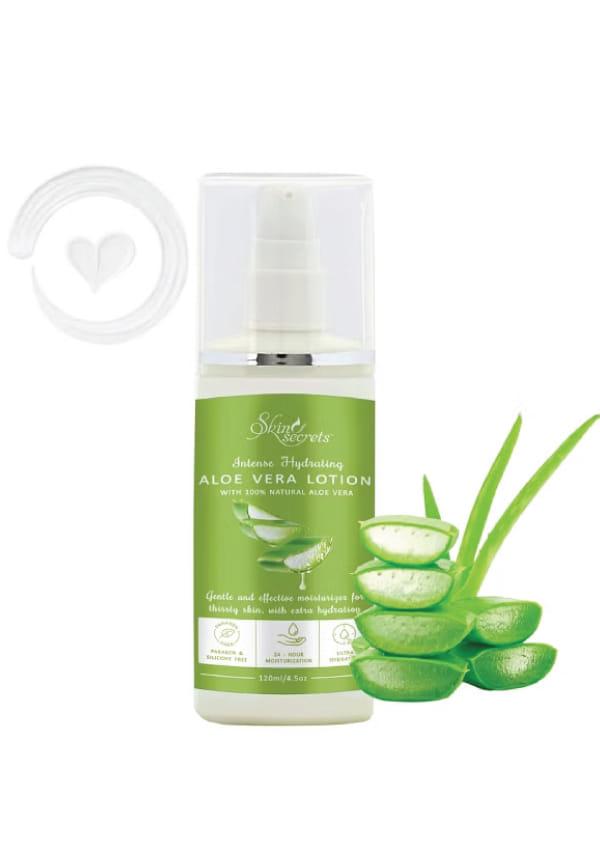 120 ml
Aloe Vera Lotion
The eternal debate: fresh plant versus commercial products? Both have their merits, and the best aloe vera for face depends on your lifestyle and preferences. Fresh aloe vera straight from the plant offers maximum potency and zero additives, but it requires more effort and has a shorter shelf life.
When harvesting fresh aloe, cut a mature leaf close to the base and slice it open lengthwise. Scoop out the clear gel, avoiding the yellow latex near the skin which can be irritating. Fresh gel should be used within a few days and stored in the refrigerator for that cooling, soothing effect.
For convenience without compromising quality, look for commercial products with 99% or higher aloe content. The ingredient list should be short and sweet—aloe vera barbadensis leaf juice or gel should be the first ingredient. Avoid products with alcohol, artificial fragrances, or excessive preservatives that can counteract aloe's healing benefits.
Quality indicators include a clear to slightly cloudy appearance, gel-like consistency, and minimal scent. If it's bright green or has a strong smell, it's likely been heavily processed or contains additives.
Let's set expectations straight—how to fade acne scars with aloe vera isn't an overnight miracle, but the results are worth the patience. During the first week or two, you'll likely notice improved skin texture and reduced inflammation. Your skin might feel softer and look more hydrated, which is aloe vera working to strengthen your skin barrier.
By the end of the first month, shallow scars often start showing visible improvement, with reduced redness and smoother texture. The real magic happens between months two and three, when deeper scars begin to fill in as collagen production ramps up. For the most stubborn, deeper scars, give it a full six months of consistent use to see maximum improvement.
Age plays a role—younger skin typically responds faster due to higher natural collagen production. Scar severity matters too; fresh scars often improve more quickly than older, established ones. Your overall skin health, including factors like hydration, nutrition, and sun protection, can significantly impact how quickly you see results.
While aloe vera is brilliant on its own, combining it with complementary ingredients can accelerate your journey to clearer skin. Aloe vera for blemishes works even better when paired with rosehip oil, which provides vitamin C for enhanced collagen synthesis. The combination creates a powerhouse treatment that addresses both scarring and overall skin health.
Niacinamide is another fantastic partner for aloe vera, helping to strengthen the skin barrier and reduce inflammation. Hyaluronic acid can be layered underneath aloe vera to boost moisture retention, creating the optimal environment for healing.
Sun protection is non-negotiable when treating acne scars. UV exposure can darken scars and slow healing, so daily SPF is essential. Your diet also plays a role—foods rich in vitamin C, zinc, and omega-3 fatty acids support skin repair from within.
Don't underestimate the power of good sleep and stress management. Your skin does most of its repair work while you sleep, and chronic stress can interfere with healing processes. Aim for 7-9 hours of quality sleep and find healthy ways to manage stress.
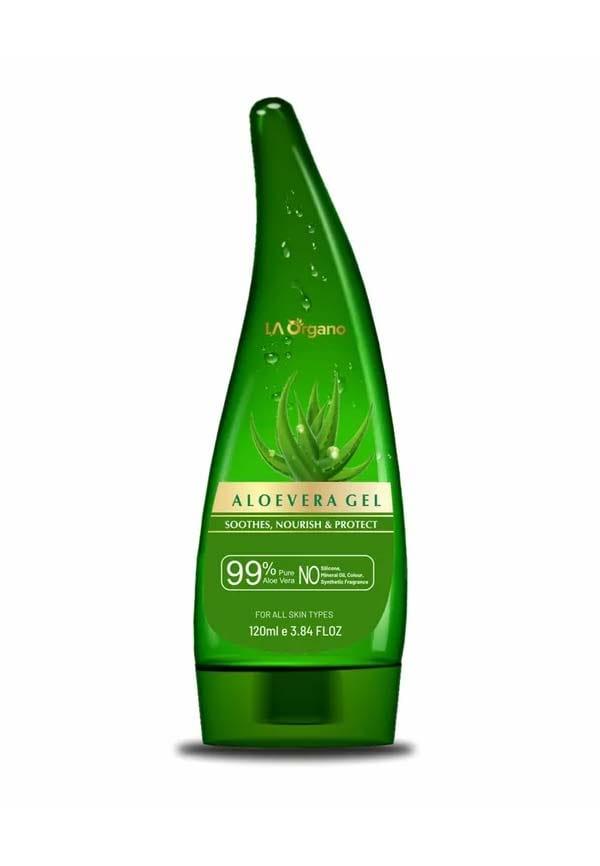 120 ml
Aloe vera Multipurpose Beauty Gel
While aloe vera for skin is generally well-tolerated, it's not suitable for everyone. Some people may experience allergic reactions, particularly those allergic to plants in the Liliaceae family (like onions, garlic, or tulips). Signs of sensitivity include redness, itching, or burning sensations.
Certain skin types may not respond as well to aloe vera treatment. Very oily skin might find pure aloe too heavy, whilst extremely sensitive skin might react to even the gentlest formulations. If you have active eczema or dermatitis, consult a dermatologist before adding aloe vera to your routine.
Deep, pitted scars or extensive scarring typically require professional intervention. If you've been consistent with aloe vera treatment for 3-4 months without seeing improvement, it might be time to explore other options. Professional treatments like microneedling, chemical peels, or laser therapy can complement your aloe vera routine for more dramatic results.
Signs that warrant professional consultation include worsening scarring, persistent inflammation, or any unusual skin changes during treatment.
Aloe vera can significantly improve the appearance of shallow acne scars and reduce post-inflammatory hyperpigmentation, but complete removal of deep scars typically requires professional treatment. Think of aloe vera as an excellent supporting player rather than a solo act for severe scarring.
For daily treatment, leave aloe vera gel on for 20-30 minutes before rinsing, or apply a thin layer overnight for intensive healing. Start with shorter contact times if you have sensitive skin and gradually increase as your skin adapts.
Fresh aloe vera contains higher concentrations of active compounds and no additives, but high-quality commercial gels with 99% pure aloe can be equally effective and more convenient for daily use. Choose based on your lifestyle and preferences.
Yes, aloe vera's anti-inflammatory and antibacterial properties make it suitable for both active breakouts and scar healing. However, avoid over-application and monitor your skin's response, especially if you're using other acne treatments.
Aloe vera offers unique advantages in moisture retention and gentle healing, making it suitable for sensitive skin compared to more aggressive natural treatments like lemon juice or baking soda. It's also less likely to cause irritation or photosensitivity.
Using aloe vera for acne scars isn't about quick fixes—it's about giving your skin the gentle, consistent care it needs to heal properly. The beauty of this approach lies in its simplicity and safety, making it accessible to almost everyone dealing with post-acne marks. While patience is required, the results speak for themselves when you commit to the process.
Remember, skincare is deeply personal, and what works brilliantly for one person might need tweaking for another. That's where platforms like Smytten come in handy—with over 1,500 trusted skincare brands available in trial sizes, you can explore different aloe vera products and complementary treatments without the commitment of full-size purchases. Whether you're looking to try a new aloe vera gel or discover products that work alongside your natural scar treatment, getting trial packs for just ₹249 lets you experiment safely. After all, why settle for guessing when you can try it all and find what truly works for your unique skin?
