How to Use Aloe Vera to Effectively Remove Pimples

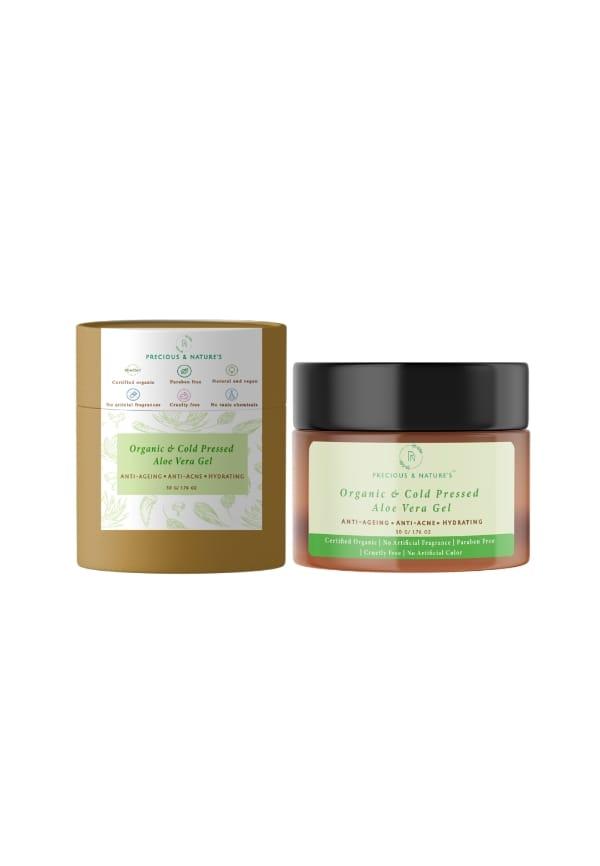 50 gm
50 gmOrganic & Cold-Pressed Pure Aloe Vera Gel
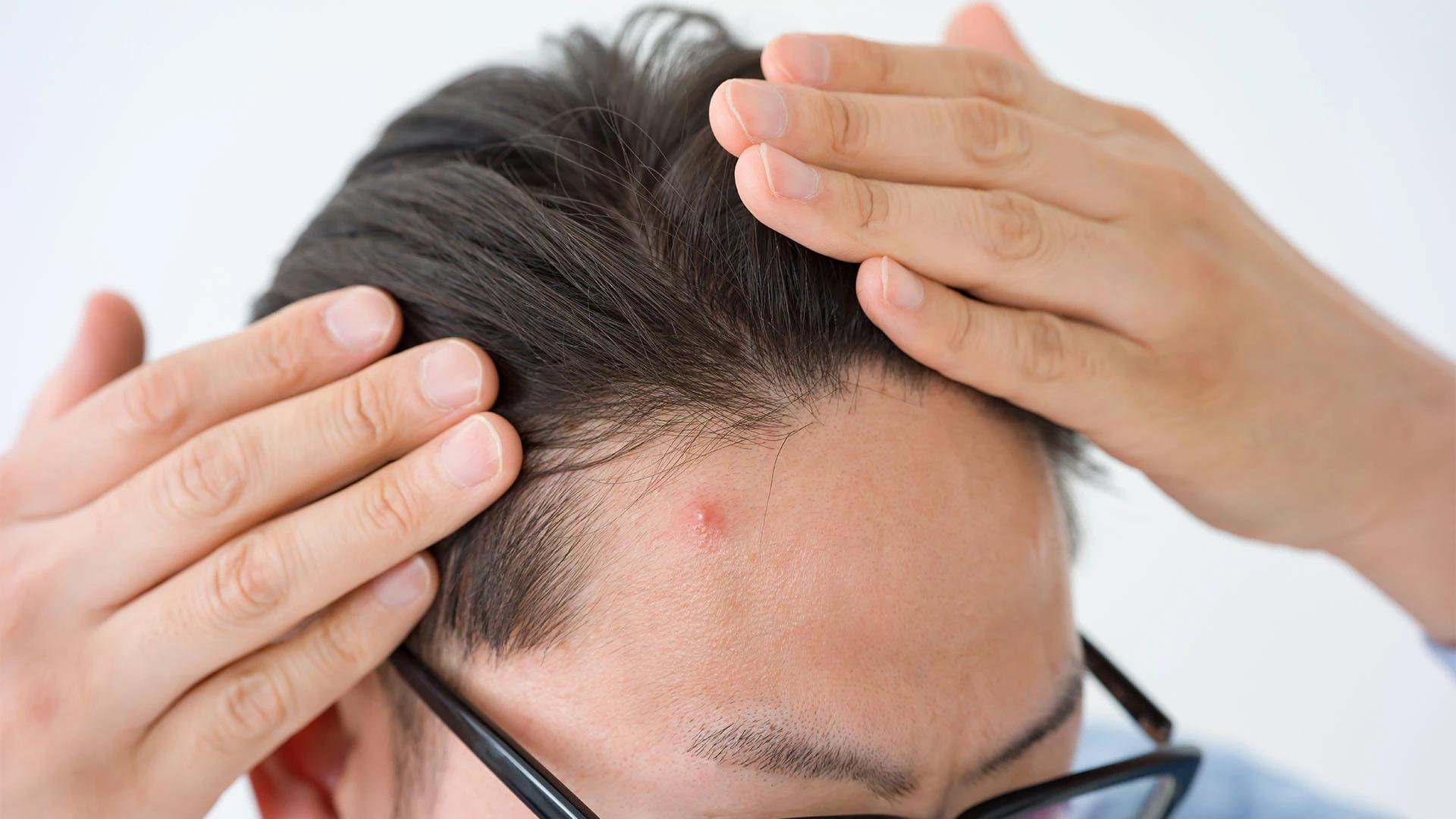
Let's be real—pimples have a knack for showing up at the worst possible moments. Whether it's before a big presentation or right before that weekend plan you've been looking forward to, breakouts seem to have impeccable timing. But here's the thing: nature might just have your back. Aloe vera, that spiky green plant your nan probably keeps on her windowsill, has been quietly working as a skincare hero for centuries. The question everyone's asking is simple: can aloe vera remove pimples? Spoiler alert—it's not just another wellness trend. This plant packs some serious science-backed benefits that could make it your skin's new best mate.
Aloe vera isn't just sitting pretty in your garden—it's loaded with compounds that actively work against acne. Think of it as nature's multitasking skincare ingredient that doesn't need a fancy lab to prove its worth.
The magic starts with its anti-inflammatory properties. Those angry, red pimples that seem to throb with their own heartbeat? Aloe vera's natural compounds help calm that inflammation down. It contains salicylic acid—the same ingredient you'll find in many over-the-counter acne treatments—but in a gentler, plant-based form. This means it can help unclog pores without being too harsh on your skin.
What makes aloe vera for acne particularly brilliant is its antibacterial prowess. The gel contains compounds like acemannan and anthraquinones that actively fight against acne-causing bacteria. These aren't just fancy names—they're your skin's defence team, working to prevent new breakouts whilst treating existing ones.
The plant also boosts collagen production, which is crucial for healing. This means it's not just tackling current pimples but also helping your skin repair itself more efficiently. Pretty clever for something that grows in a pot, right?
Understanding how aloe vera pimple treatment actually works makes it easier to use it effectively. It's like having a game plan rather than just hoping for the best.
When you apply aloe vera to your skin, it gets to work on multiple fronts. First, it penetrates deep into your pores, where most acne drama begins. The gel's lightweight texture means it doesn't clog pores—instead, it helps clear them out. Think of it as a gentle bouncer for your skin, removing unwanted guests without causing a scene.
The antibacterial action targets Propionibacterium acnes—the bacteria responsible for turning a simple blocked pore into an inflamed pimple. By reducing bacterial load on your skin, aloe vera helps prevent the cascade of events that leads to breakouts.
But here's where it gets really interesting: aloe vera doesn't just treat symptoms. Its healing properties help restore your skin's natural barrier function. A healthy skin barrier means better protection against future breakouts and faster recovery from existing ones.
The beauty of aloe vera skin benefits lies in their versatility. You can tailor your approach based on what your skin needs and what fits into your routine.
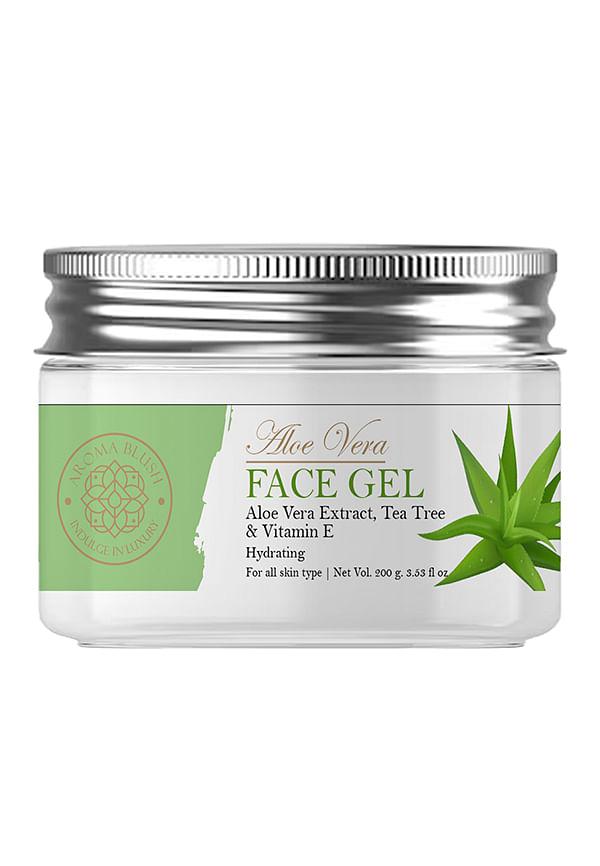 200 gm
Aloe Vera Face Gel
This is your go-to for those stubborn individual pimples. Simply dab fresh aloe vera gel directly onto the affected area and let it work its magic overnight. It's like giving that pimple a targeted treatment rather than carpet-bombing your entire face.
For more widespread breakouts, an aloe vera acne face mask can be a game-changer. Apply a thin layer of pure aloe vera gel across your face before bed. Your skin gets hours of gentle treatment whilst you catch up on sleep—multitasking at its finest.
Mix aloe vera gel with a gentle cleanser to create your own aloe vera acne cleanser. This gives you the benefits of aloe vera with every wash, making it part of your daily routine rather than an occasional treatment.
Pairing aloe vera with other natural ingredients can boost its effectiveness. A few drops of tea tree oil mixed with aloe vera creates a powerful spot treatment, whilst combining it with honey makes for a soothing mask.
Ready to put theory into practice? These tried-and-tested aloe vera acne remedy methods have helped countless people achieve clearer skin without breaking the bank.
The simplest approach involves fresh aloe vera gel applied directly to clean skin. Cut a leaf from an aloe plant, scoop out the clear gel, and apply it to problem areas. Leave it on for 20-30 minutes before rinsing with cool water. It's minimalist skincare that actually works.
For a more intensive treatment, try mixing two tablespoons of aloe vera gel with a few drops of lemon juice. The citric acid provides gentle exfoliation whilst the aloe soothes and heals. Apply this mixture as an aloe vera acne spot treatment and rinse after 15 minutes.
Creating an overnight mask is equally straightforward. Mix aloe vera gel with a teaspoon of honey and apply a thin layer to your entire face. Both ingredients have antimicrobial properties, making this combination particularly effective for aloe vera for blemishes.
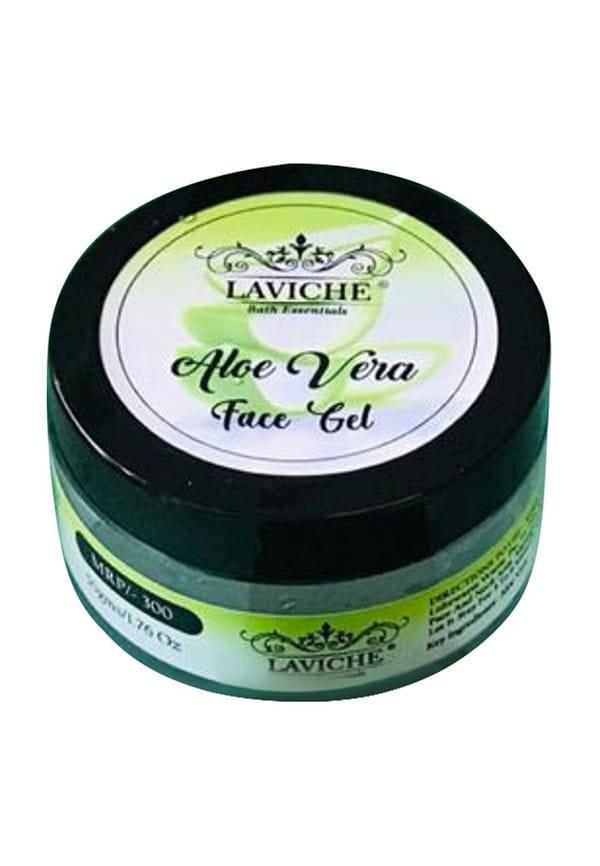 50 gm
50 gmAloe Vera Face Gel
For those dealing with post-acne marks, regular application of pure aloe vera gel can help with aloe vera acne scar removal. The gel's healing properties promote cell turnover, gradually fading dark spots and improving overall skin texture.
Patience is key when using natural treatments—aloe vera isn't a magic wand that'll clear your skin overnight. But knowing what to expect can help you stay consistent with your routine.
Most people notice some reduction in redness and inflammation within 24-48 hours of starting treatment. This is usually the first sign that the aloe vera is working. Your skin might feel calmer and less irritated, even if the pimples themselves haven't disappeared yet.
For active breakouts, you'll typically see improvement within a week of consistent use. Smaller pimples might clear up faster, whilst deeper, cystic acne may take longer to resolve. The key is consistency—sporadic application won't give you the results you're after.
If you're using aloe vera for aloe vera for oily skin, you might notice your skin feeling more balanced after about two weeks. The gel's moisturising properties help regulate oil production without making your skin feel greasy.
Even natural ingredients need to be used thoughtfully. Whilst aloe vera is generally well-tolerated, there are a few things to keep in mind for safe and effective use.
Always do a patch test before applying aloe vera to your face. Apply a small amount to your inner wrist or behind your ear and wait 24 hours to check for any reactions. It's rare, but some people can be allergic to aloe vera.
Quality matters when it comes to aloe vera products. If you're buying commercial gels, look for ones with high aloe content and minimal additives. Some products labelled as 'aloe vera' contain mostly water and thickeners—not exactly what your skin needs.
Don't expect aloe vera to cure severe cystic acne on its own. Whilst it can certainly help, persistent or severe acne often requires professional treatment. Think of aloe vera as part of your skincare toolkit rather than a complete solution.
If you're already using acne medications, introduce aloe vera gradually. Some treatments can make your skin more sensitive, and combining them incorrectly might cause irritation rather than improvement.
For those exploring natural skincare options, platforms like Smytten make it easier to discover and try different aloe vera-based products before committing to full sizes. With curated trial packs from trusted brands, you can explore what works for your skin without the guesswork.
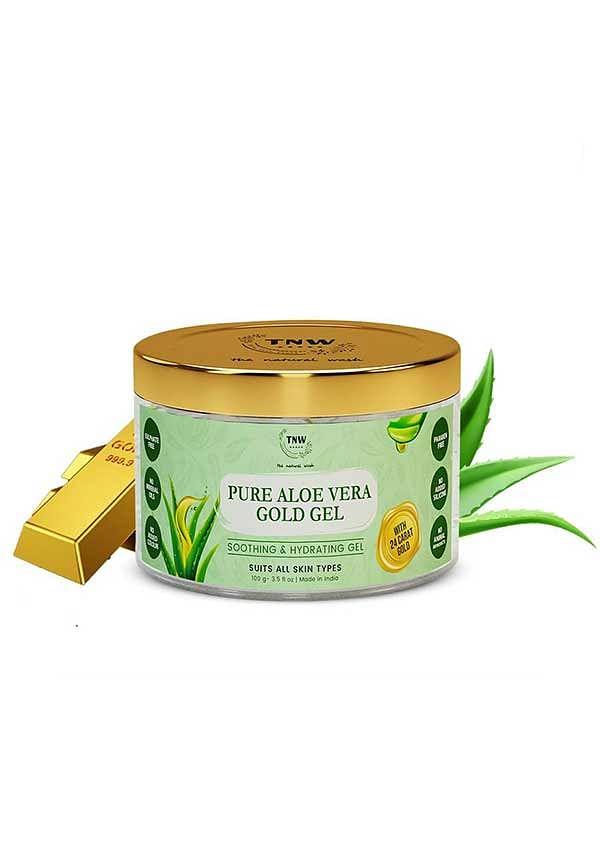 100 gm
Pure Aloe Vera Gold Gel
Most people see initial improvement within 24-48 hours, with noticeable clearing of active breakouts within a week of consistent use. Deeper pimples may take 10-14 days to fully resolve.
Absolutely! Direct application is actually one of the most effective methods. Use fresh gel from an aloe plant or a high-quality commercial product, and apply it directly to clean skin.
Aloe vera works best for mild to moderate inflammatory acne. It's particularly effective for reducing redness and healing surface-level pimples. Severe cystic acne typically requires additional treatment alongside aloe vera.
Aloe vera is generally very safe, but allergic reactions can occur. Always patch test first, and discontinue use if you experience increased irritation, redness, or any unusual reactions.
So, can aloe vera remove pimples? The evidence suggests it's definitely worth a try. This humble plant offers a gentle yet effective approach to managing breakouts, backed by both traditional use and modern research. Its anti-inflammatory, antibacterial, and healing properties make it a valuable addition to any acne-fighting routine.
The best part about trying aloe vera for acne is that it's accessible, affordable, and unlikely to cause the harsh side effects associated with some conventional treatments. Whether you grow your own plant or explore commercial options, you're investing in a time-tested solution that works with your skin rather than against it.
Remember, skincare is deeply personal—what works brilliantly for your mate might not be your skin's cup of tea. The key is finding products and ingredients that suit your unique needs. With platforms like Smytten, you can explore various aloe vera-based skincare products through trial sizes, making it easier to discover what genuinely works for your skin. After all, why settle for maybe when you can actually try it all and find your perfect match?
