How to Unlock Natural Skincare Benefits Today


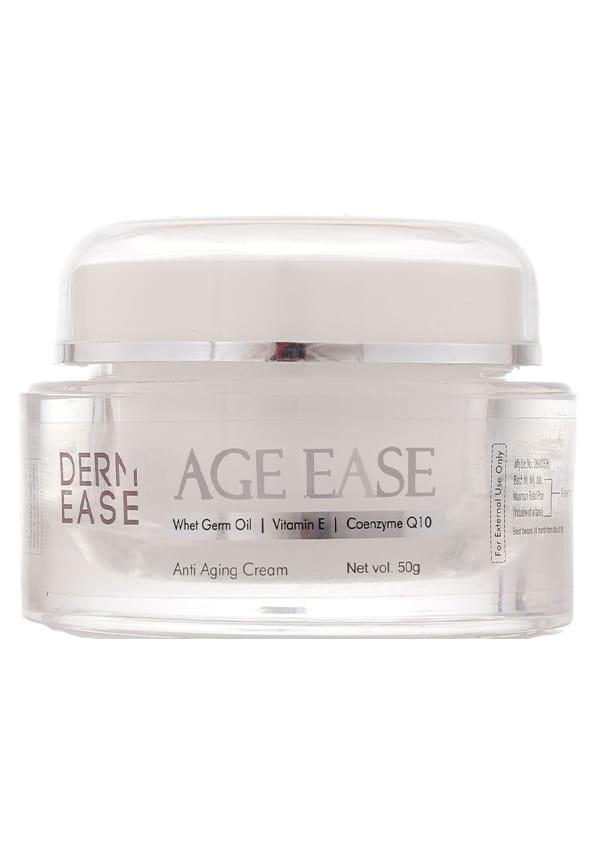 100 gm
Age Ease Anti Aging Cream
Let's be real—your skin deserves better than harsh chemicals and mystery ingredients. The benefits of natural skincare go way beyond just feeling good about what you're putting on your face. We're talking about real results that your skin can actually feel and see. From reducing irritation to boosting that natural glow, plant-based skincare isn't just a trend—it's a proper game-changer. Whether you've got sensitive skin that reacts to everything or you're just curious about making the switch, understanding what natural ingredients can actually do for your skin is your first step towards healthier, happier skin.
The benefits of natural skincare aren't just marketing fluff—there's proper science behind why your skin loves plant-based ingredients. Natural beauty products are packed with vitamins, antioxidants, and minerals that work with your skin's natural processes rather than against them. First up, let's talk about how natural beauty products actually nourish your skin. Plant-based ingredients like vitamin E from sunflower oil or vitamin C from rosehip deliver nutrients in forms your skin recognises and can use effectively. Unlike synthetic alternatives that might sit on the surface, these ingredients penetrate deeper and provide lasting skincare benefits. Your skin's barrier function gets a proper boost from natural ingredients too. When you use products with ceramides from plants or fatty acids from natural oils, you're helping your skin maintain its protective barrier. This means better hydration, less water loss, and that plump, healthy skin look we're all after. For anyone dealing with sensitivity, natural skincare can be a total lifesaver. Many synthetic fragrances and preservatives are common irritants, but plant-based skincare tends to be gentler on reactive skin. That doesn't mean all natural ingredients are automatically gentle—we'll get into that later—but the right natural formulations can calm inflammation and reduce redness.
Here's where things get interesting—natural isn't always better, and synthetic isn't always bad. The key is understanding when each approach works best for your skin. Clean beauty has taught us to read labels more carefully, but it's also created some confusion. Some synthetic ingredients, like hyaluronic acid or niacinamide, are incredibly effective and well-researched. They're stable, consistent, and deliver predictable results. Natural alternatives might not always match their effectiveness. That said, non-toxic skincare focuses on avoiding potentially harmful ingredients regardless of whether they're natural or synthetic. This approach makes more sense than blindly choosing natural over everything else. Some natural ingredients can be irritating or allergenic, while some synthetic ones are perfectly safe and effective. The stability factor is huge too. Natural ingredients can be less stable than synthetic ones, which means they might lose potency over time or require more preservatives to stay fresh. This is why many effective natural products combine plant-based actives with synthetic stabilisers—and that's totally fine. When it comes to organic skincare, you're looking at ingredients grown without synthetic pesticides or fertilisers. This can be better for the environment and potentially gentler on your skin, but organic doesn't automatically mean more effective.
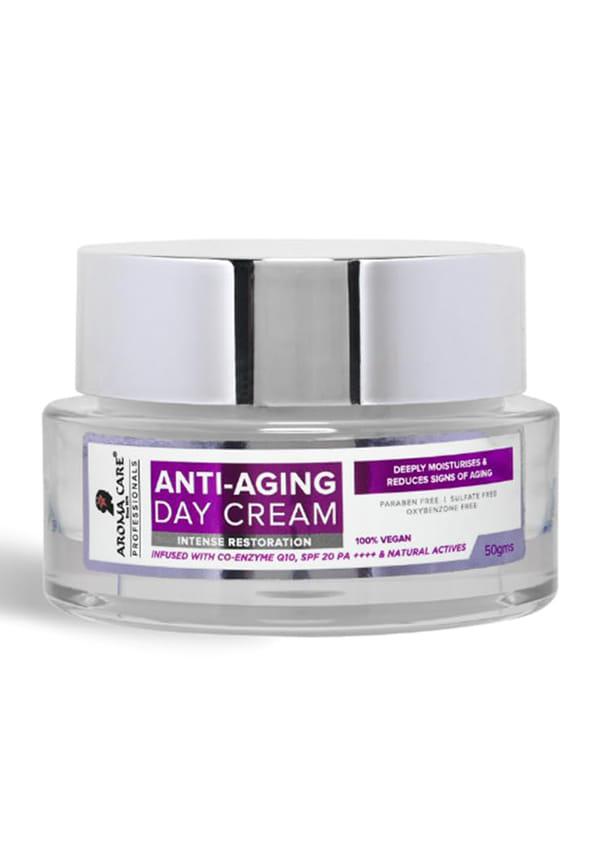 50 gm
50 gmPro Anti-Aging Day Cream
Not all natural ingredients are created equal—some are proper skincare superstars while others are just nice to have. Let's focus on the ones that actually work. Aloe vera is probably the most reliable natural ingredient out there. It's got anti-inflammatory properties that can soothe irritated skin and help with healing. Plus, it's hydrating without being heavy, making it perfect for most skin types. The gel contains vitamins A, C, and E, along with amino acids that support healthy skin. Vitamin E from natural sources like wheat germ or sunflower oil is a powerful antioxidant. It protects your skin from environmental damage and helps maintain the skin barrier. When combined with vitamin C, it becomes even more effective at fighting free radicals. Plant-based skincare oils deserve special mention here. Jojoba oil mimics your skin's natural sebum, making it suitable for all skin types. Rosehip oil is packed with vitamin C and essential fatty acids that can help with skin texture and tone. Argan oil provides deep moisturisation without clogging pores. Botanical extracts like green tea, chamomile, and calendula bring specific benefits to your routine. Green tea extract is anti-inflammatory and can help with acne-prone skin. Chamomile soothes sensitivity, while calendula promotes healing. Natural acids from fruits—think glycolic acid from sugar cane or lactic acid from fermented plants—provide gentle exfoliation. They're often better tolerated than synthetic versions and can improve skin texture over time.
Creating an effective skincare routine with natural products isn't about replacing everything overnight—it's about making smart swaps that work for your skin. Start your morning routine with a gentle natural cleanser. Look for ingredients like oat extract or honey, which cleanse without stripping your skin. Follow with a vitamin C serum from natural sources—this protects against environmental damage throughout the day. Moisturiser is where natural ingredients really shine. Plant oils and botanical extracts can provide hydration while delivering additional skincare benefits. Don't forget SPF—while there are natural mineral sunscreens, the most important thing is consistent protection. Your evening routine is when eco-friendly skincare can really work its magic. This is the time for richer oils, healing botanicals, and gentle natural exfoliants. Your skin repairs itself overnight, so giving it quality natural ingredients to work with makes sense. Seasonal adjustments matter too. Your skin might need lighter, more hydrating natural products in summer and richer, more nourishing ones in winter. Natural ingredients often work well for this because they tend to be less harsh than synthetic alternatives. The transition from conventional to natural skincare should be gradual. Replace one product at a time and give your skin a few weeks to adjust. This way, you can identify which natural ingredients work best for your skin without overwhelming it.
If you've got sensitive skin, natural doesn't automatically mean gentle—but it can be your best friend when chosen carefully. The biggest myth about natural skincare is that it's always gentler. Essential oils, for example, are natural but can be highly irritating. Citrus extracts can cause photosensitivity. Even gentle-sounding ingredients like lavender can trigger reactions in some people. Patch testing is crucial with any new product, but especially with natural beauty products. Apply a small amount to your inner wrist or behind your ear and wait 24-48 hours to see if any reaction occurs. For sensitive skin, look for simple formulations with fewer ingredients. Aloe vera, oat extract, and chamomile are generally well-tolerated. Avoid products with multiple essential oils or high concentrations of natural acids until you know how your skin reacts. Building tolerance gradually is key. Start with products containing lower concentrations of active natural ingredients and slowly increase as your skin adapts. This approach helps prevent the irritation that can come from jumping straight into potent natural formulations.
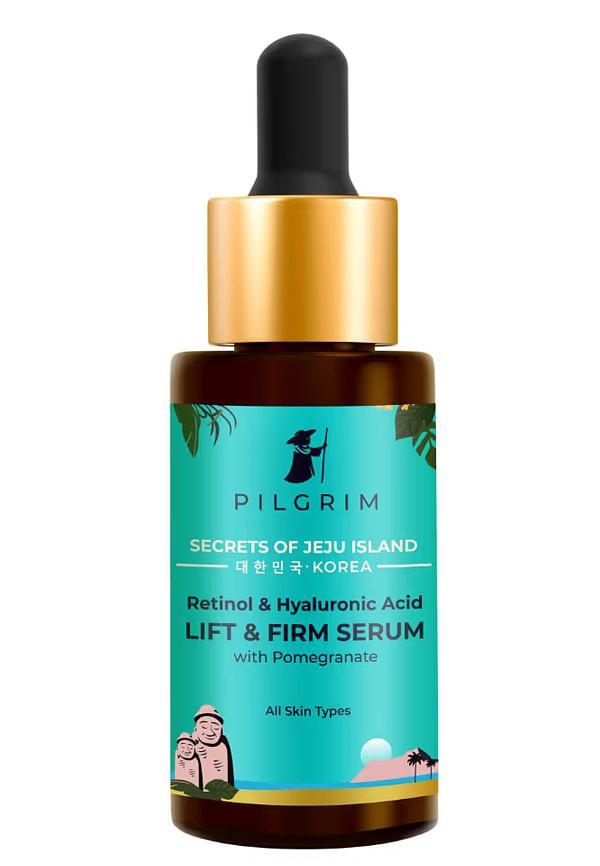 30 ml
30 mlLift & Firm Serum With Retinol & Hyaluronic Acid For Anti Aging
Natural skincare can be incredibly effective, but it's not automatically better than conventional products. The key is finding ingredients—whether natural or synthetic—that work for your specific skin concerns. Many people find that natural products cause less irritation and provide long-term skincare benefits, but results vary by individual.
Natural beauty products are often considered better because they typically contain fewer synthetic chemicals that can cause irritation. They also tend to work with your skin's natural processes rather than against them. However, "better" depends on your skin type and specific needs.
Natural skincare can be less stable, potentially more expensive, and may take longer to show results. Some natural ingredients can also cause allergic reactions, and the effectiveness can vary between batches due to natural variations in plant ingredients.
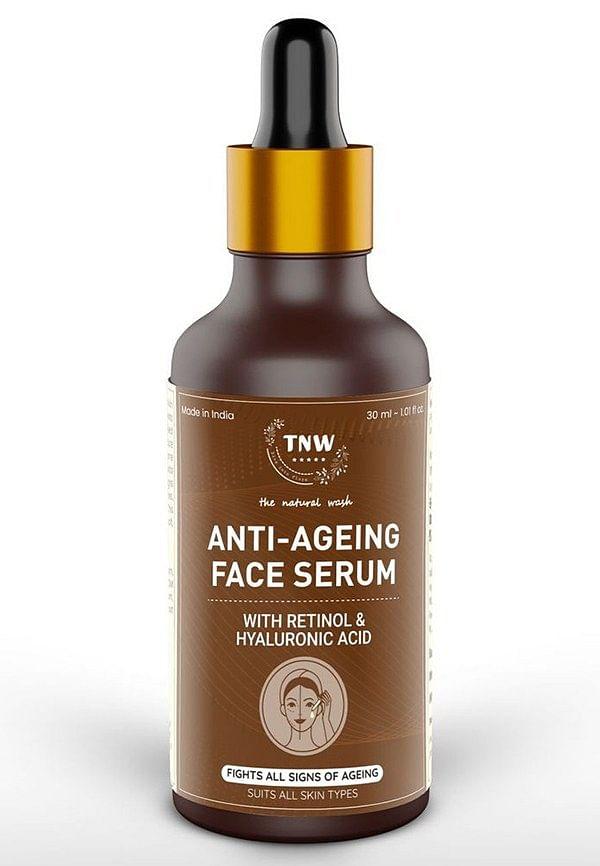 30 ml
30 mlAnti-Ageing Serum For Younger Looking Youthful Skin
Most people notice initial improvements in skin texture and comfort within 2-4 weeks of consistent use. More significant changes in skin tone, texture, or specific concerns typically take 6-12 weeks, as this aligns with your skin's natural renewal cycle.
Natural products can be pricier upfront due to sourcing and processing costs, but they often provide better value long-term. Many natural ingredients serve multiple purposes, and the gentle nature of these products can reduce the need for additional treatments.
Yes, natural ingredients can definitely cause allergic reactions. Common culprits include essential oils, plant extracts, and even gentle ingredients like chamomile. Always patch test new products, especially if you have sensitive skin.
The benefits of natural skincare are real, but they're not magic. Natural ingredients can provide excellent results when chosen thoughtfully and used consistently. The key is understanding your skin's needs and finding the right combination of ingredients—whether they're natural or synthetic. Remember, the best skincare routine is one you'll actually stick to. If natural products make your skin feel better and look healthier, that's brilliant. If you need to combine natural and synthetic ingredients for optimal results, that's perfectly fine too. When you're ready to explore natural skincare options, platforms like Smytten make it easier to discover what works for your skin. With curated trial packs from trusted brands, you can test plant-based skincare products before committing to full sizes. This approach takes the guesswork out of finding your perfect natural skincare routine, letting you try different formulations and ingredients risk-free. After all, why settle for maybe when you can try it all and find what truly works for your skin?
