How to Understand Peptides in Your Skincare Routine

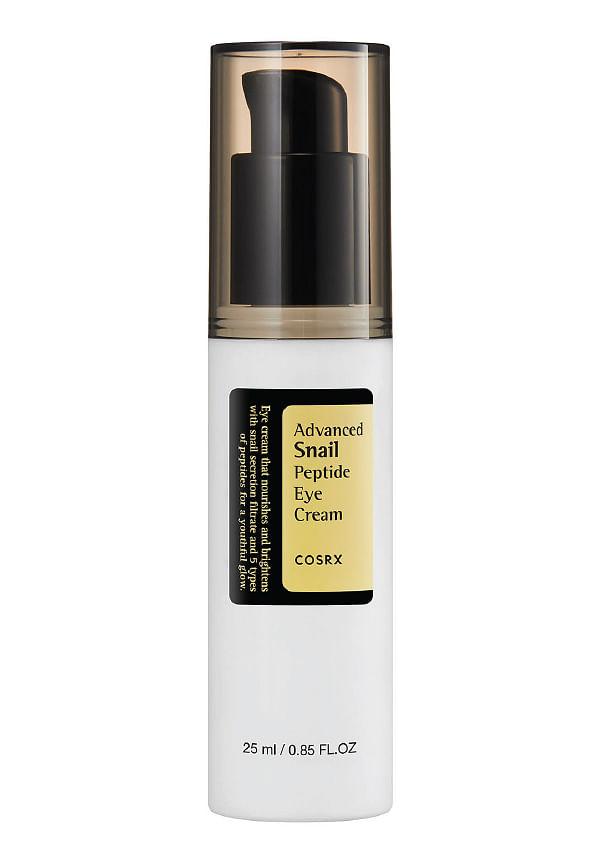 25 ml
25 mlAdvanced Snail Peptide Eye Cream
Ever wondered what those fancy peptide serums everyone's raving about actually do? Let's be real—skincare ingredients can feel like a chemistry lesson sometimes. But here's the thing: understanding what are peptides in skincare might just be the game-changer your routine needs. Think of peptides as your skin's personal trainers, coaching your cells to work harder and smarter. They're not just another trendy ingredient—they're backed by solid science and could be exactly what your skin's been asking for. Whether you're dealing with fine lines, loss of firmness, or just want to future-proof your complexion, peptides deserve a spot on your radar.
Right, let's break this down without the jargon. Peptides for skin are essentially short chains of amino acids—think of them as mini building blocks that make up proteins like collagen and elastin. But here's where it gets interesting: whilst your skin naturally produces these proteins, peptides are small enough to actually penetrate your skin barrier when applied topically.
The clever bit? These skincare ingredients peptides work differently from trying to slap full-sized collagen onto your face (spoiler alert: that doesn't really work). Instead, they act like messengers, telling your skin cells to get busy producing more of the good stuff—collagen, elastin, and other proteins that keep your skin looking plump and youthful.
Your skin already contains natural peptides called matrikines, which help with repair and regeneration. But as we age, this natural production slows down. That's where synthetic peptides come in, mimicking these natural processes and giving your skin the nudge it needs to behave like its younger self.
Think of how peptides work in skincare as a sophisticated messaging system. Your skin cells are constantly chatting to each other, and peptides help facilitate these conversations. It's like having a really efficient personal assistant for your complexion.
Here's how the magic happens: when peptides penetrate your skin, they trigger specific cellular responses. Some peptides send signals to boost collagen production, whilst others deliver essential nutrients directly to where they're needed most. The peptide benefits skincare enthusiasts love come from this targeted approach—it's not just about adding moisture or protection, but actually encouraging your skin to function better from within.
The process works through several mechanisms:
Signal peptides communicate with skin cells to ramp up collagen and elastin production
Carrier peptides transport vital minerals like copper to skin cells
Neurotransmitter peptides help reduce muscle contractions that create expression lines
Enzyme inhibitor peptides protect existing collagen from breaking down
Not all peptides are created equal, and understanding the different types of peptides in skincare helps you choose what's right for your concerns. Each type has its own superpower, so let's dive into the main players.
These are the overachievers of the peptide world. Signal peptides like palmitoyl pentapeptide-4 (you might know it as Matrixyl) and palmitoyl tripeptide-1 are brilliant at telling your skin to produce more collagen. They're particularly effective for tackling fine lines and improving skin firmness—basically, they're your go-to for that bouncy, youthful texture.
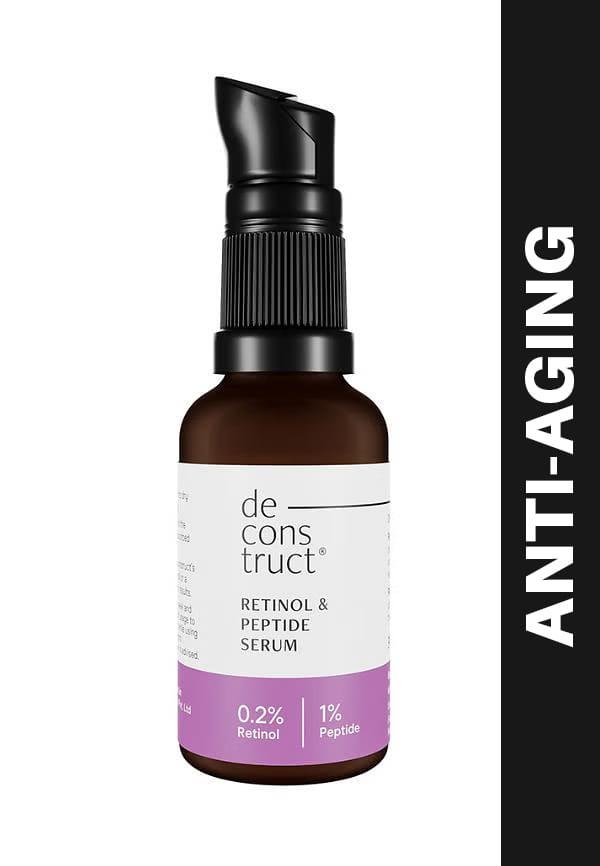 30 ml
30 mlRetinol Face Serum with Peptide
Copper peptides (GHK-Cu) are the stars here. They don't just deliver copper to your skin cells—they also provide antioxidant protection and support wound healing. If your skin needs some serious TLC or you're dealing with sensitivity, carrier peptides might be your new best friend.
Acetyl hexapeptide-8, often called Argireline, works a bit like a gentler version of certain cosmetic treatments. It helps reduce the muscle contractions that create dynamic wrinkles—those lines that appear when you smile, frown, or squint. Perfect for targeting crow's feet and forehead lines.
Soybean peptides and similar ingredients work to prevent the breakdown of existing collagen. Think of them as bodyguards for your skin's structural proteins, helping maintain what you've already got whilst other peptides work on building more.
Here's where things get practical. Both peptide serums and peptide creams have their place, but choosing between them depends on your skin type, concerns, and how you like to layer your products.
Peptide serums typically have smaller molecular sizes and higher concentrations of active ingredients. They're brilliant for penetration and work well under other products. If you're someone who loves a multi-step routine or has oily skin that prefers lighter textures, serums are probably your jam.
Peptide creams, on the other hand, offer the benefits of peptides plus the moisturising and barrier-supporting properties of a cream base. They're perfect for dry skin types or anyone who prefers a simpler routine. Plus, the cream format can help stabilise certain peptides and provide sustained release throughout the day or night.
Pro tip: You don't have to choose just one. Many people use a peptide serum for targeted treatment and follow with a peptide cream for added hydration and barrier support. Just remember to apply thinnest to thickest consistency.
Getting the most out of your peptide products isn't rocket science, but there are definitely some smart ways to incorporate them. The good news? Peptides play well with most other ingredients, making them pretty foolproof additions to your routine.
Start by introducing peptides gradually—your skin needs time to adjust to any new active ingredient. Begin with every other day and work up to daily use as your skin gets comfortable. Most people find peptides work best when applied to clean skin, so pop them on after cleansing but before heavier moisturisers or oils.
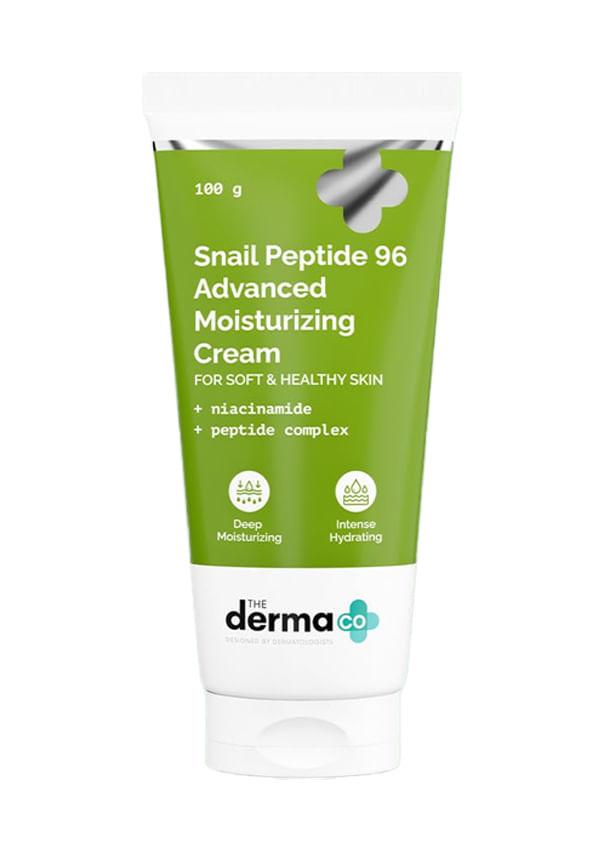 100 gm
Snail Peptide 96 Advanced Moisturizing Cream
Here's your step-by-step integration guide:
Cleanse your skin thoroughly
Apply any toners or essences
Use your peptide serum or treatment
Follow with moisturiser and SPF (morning) or night cream (evening)
Give each layer a moment to absorb before applying the next
The brilliant thing about peptides is they're generally gentle and can be used morning and evening. Unlike some actives that make your skin photosensitive, peptides actually work well under SPF during the day.
Let's talk about how peptides stack up against other popular anti-aging peptides and ingredients. Understanding these differences helps you build a routine that actually makes sense for your skin.
This is probably the most common comparison. Retinol is brilliant but can be quite intense—it speeds up cell turnover and can cause irritation, especially when you're starting out. Peptides, on the other hand, are much gentler whilst still delivering impressive results. They work by supporting your skin's natural processes rather than forcing rapid change.
If you have sensitive skin, rosacea, or are pregnant, peptides might be your better bet. They're also fantastic for anyone who wants anti-aging benefits without the potential drama of retinol adjustment.
Here's the thing—these two actually work beautifully together. Niacinamide focuses on pore appearance, oil control, and barrier function, whilst peptides target structural support and collagen production. They complement each other perfectly and can definitely be used in the same routine.
Vitamin C is your antioxidant powerhouse, protecting against environmental damage and brightening skin. Peptides focus more on structural repair and collagen stimulation. Again, these can work together—many people use vitamin C in the morning for protection and peptides in the evening for repair.
When exploring new peptide products, platforms like Smytten make it easier to discover what works for your skin. With trial packs from trusted brands, you can test different peptide formulations without committing to full-size products—because finding your perfect peptide match shouldn't involve guesswork.
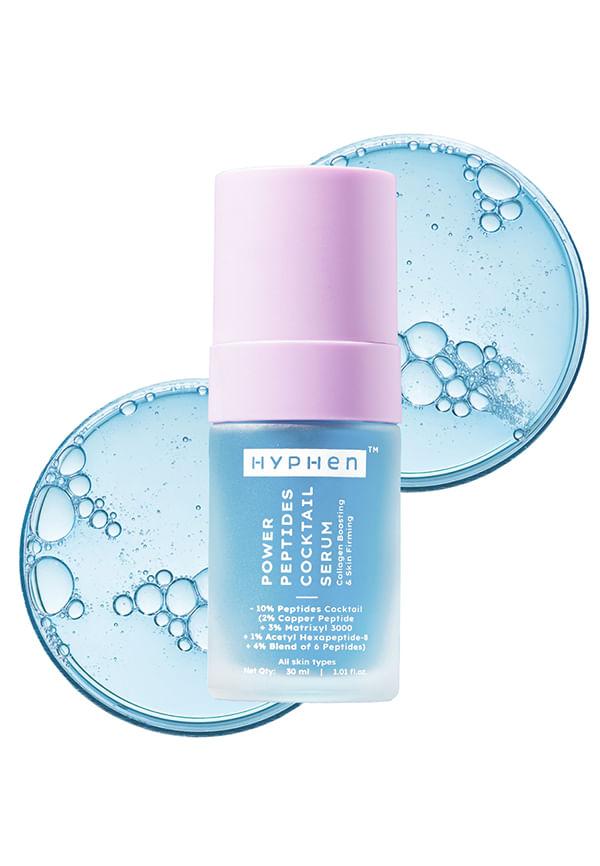 30 ml
30 ml10% Peptide with 2% Copper Peptide Face Serum | Advanced Youth Formula
Peptides work as messengers in your skin, encouraging cells to produce more collagen, elastin, and other proteins that keep skin firm and youthful. They also help deliver nutrients to skin cells, reduce muscle contractions that cause wrinkles, and protect existing collagen from breakdown. Think of them as personal trainers for your skin cells.
Peptides are generally very well-tolerated and considered one of the gentler anti-aging ingredients. Rare allergic reactions can occur, so it's worth doing a patch test before using any new product. Unlike some actives, peptides don't make your skin photosensitive or cause irritation for most people.
Signal peptides like palmitoyl pentapeptide-4 (Matrixyl) and copper peptides are particularly effective for improving skin firmness. These work by stimulating collagen production and supporting skin structure. Results typically become noticeable after 4-8 weeks of consistent use.
Absolutely. Different peptides target wrinkles in various ways—signal peptides boost collagen to plump fine lines, whilst neurotransmitter peptides like Argireline help reduce the muscle contractions that create expression lines. For best results, look for products containing multiple peptide types.
Most people start noticing improvements in skin texture and hydration within 2-4 weeks, whilst more significant changes in firmness and fine lines typically appear after 6-12 weeks of consistent use. Patience is key—peptides work gradually but effectively.
Understanding what are peptides in skincare opens up a world of gentle yet effective anti-aging possibilities. These clever little molecules work with your skin's natural processes, making them suitable for almost everyone—including those who can't tolerate stronger actives like retinol.
The benefits of peptides extend beyond just anti-aging. They support barrier function, provide antioxidant protection, and help maintain healthy skin structure. Whether you choose peptide serums for targeted treatment or peptide creams for all-in-one benefits, you're giving your skin the tools it needs to look and feel its best.
Remember, skincare is personal, and what works brilliantly for your friend might not be your cup of tea. That's where exploring different formulations becomes valuable. Smytten's curated trial packs let you discover peptide products from over 1,500 trusted brands without the commitment of full-size purchases. With options to try up to 8 minis for just ₹249 and 100% cashback redeemable for future orders, finding your perfect peptide match becomes part of the fun rather than a financial risk. After all, why settle for maybe when you can try it all and find exactly what your skin loves?
