How to Understand Oily Skin and Acne Connection


Let's be real—if you've got oily skin, chances are you've dealt with acne at some point. But have you ever wondered why these two seem to go hand in hand? The oily skin and acne connection isn't just bad luck; there's actual science behind it. Understanding this relationship can be a game-changer for your skincare routine. When you know what's happening beneath the surface, you can make smarter choices about products and treatments. Plus, with so many options available today, finding what works for your skin doesn't have to be a guessing game.
The link between oily skin and acne comes down to one key player: sebum. This natural oil produced by your sebaceous glands is actually meant to protect and moisturise your skin. But when your glands go into overdrive, that's where things get tricky.
Here's what happens: excess sebum creates the perfect environment for Propionibacterium acnes (P. acnes) bacteria to thrive. These bacteria feed on the oil, multiply rapidly, and trigger inflammation—hello, breakouts! But here's something worth noting: you can have oily skin without acne, and you can have acne without super oily skin. The sebum production acne connection varies from person to person.
Think of sebum as your skin's natural moisturiser that sometimes gets a bit too enthusiastic. When it mixes with dead skin cells, it can clog your pores, creating those annoying blackheads and whiteheads. The key is finding the right balance—not eliminating oil completely, but managing it smartly.
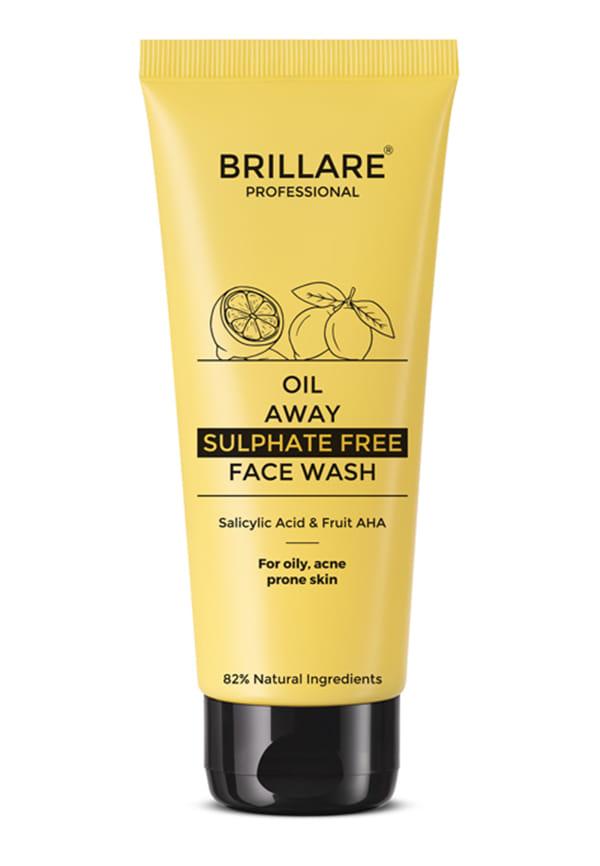 100 ml
Facewash For Oily, Acne Prone Skin
The journey from oily skin to acne follows a pretty predictable four-step process. Understanding this can help you target the right stage with the right products.
Step 1: Excess Sebum Production
Your sebaceous glands start producing more oil than your skin needs. This can be triggered by hormones, genetics, or even using the wrong skincare products.
Step 2: Pore Blockage
The excess oil mixes with dead skin cells and creates a plug in your hair follicles. This is where clogged pores acne begins to form.
Step 3: Bacterial Overgrowth
P. acnes bacteria, which naturally live on your skin, start multiplying in this oil-rich, oxygen-free environment. They're basically having a feast.
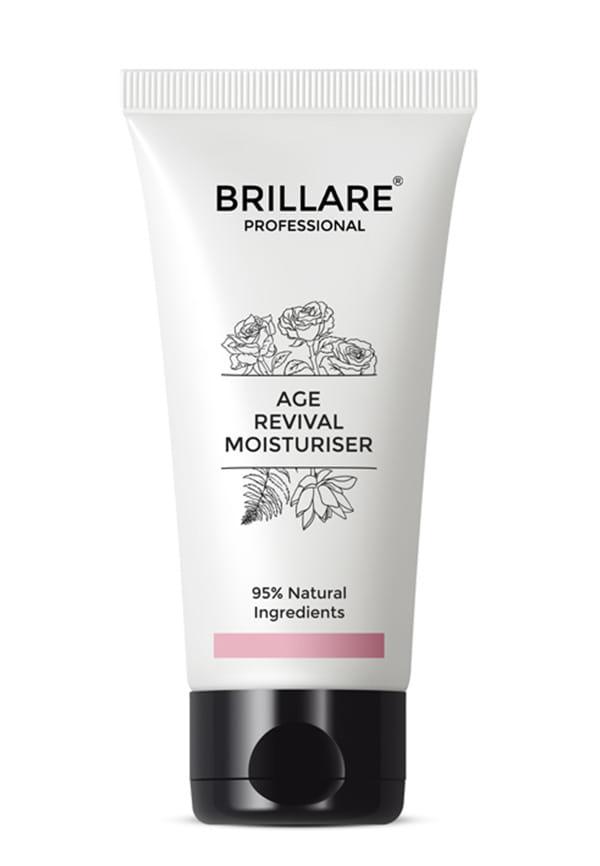 50 gm
50 gmOil Away Moisturiser For Oily, Acne Prone Skin
Step 4: Inflammation
Your immune system responds to the bacterial overgrowth, causing redness, swelling, and those painful bumps we call pimples.
Several factors can trigger this cascade, and understanding your personal triggers is crucial for effective management.
Hormonal Fluctuations
Hormonal acne oily skin is incredibly common, especially during puberty, menstruation, pregnancy, or times of stress. Androgens like testosterone can ramp up sebum production significantly.
Genetic Predisposition
If your parents dealt with oily, acne-prone skin, you're more likely to as well. It's not just about inheriting their skincare struggles—you might also inherit their sebaceous gland activity levels.
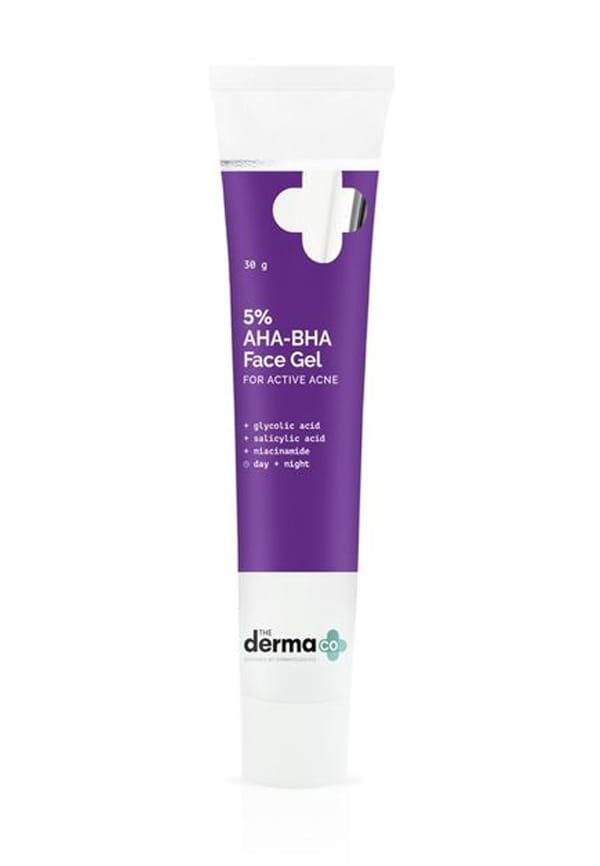 30 gm
30 gmAHA+BHA Face Gel
Environmental Triggers
Humidity, pollution, and even seasonal changes can affect your skin's oil production. Hot, humid weather often makes oily skin worse, whilst air conditioning can sometimes trigger overproduction as your skin tries to compensate.
Lifestyle Factors
Your diet, sleep patterns, and stress levels all play a role. High-glycemic foods and dairy have been linked to increased acne causes in some people, though the research is still evolving.
Not all oily skin is created equal, and recognising your specific type can help you choose better products and treatments. Here's how to figure out what you're working with.
Classic signs of oily skin include a shiny T-zone (forehead, nose, chin) within a few hours of cleansing, visible pores, and makeup that seems to slide off by midday. But oily skin can show up differently on different people.
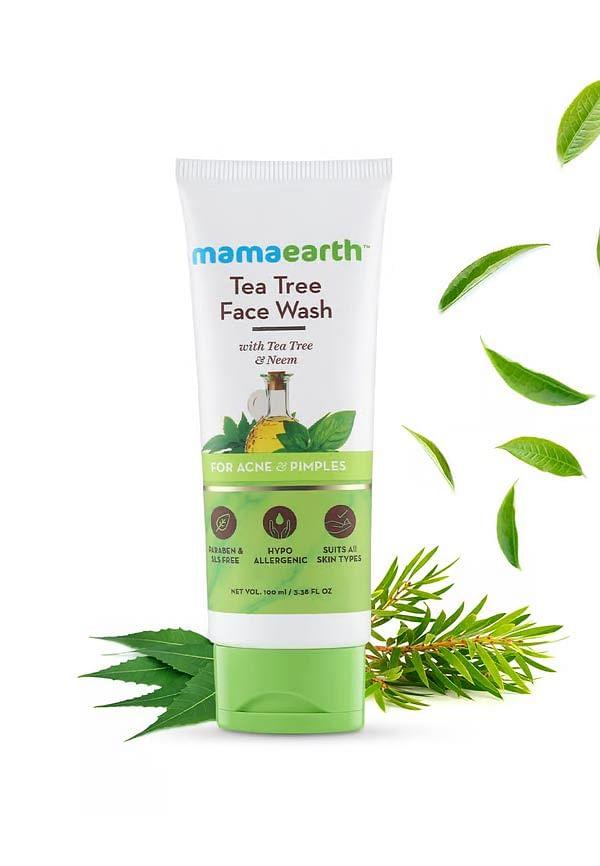 100 ml
Tea Tree Facewash For Acne & Pimples
Some people have uniformly oily skin across their entire face, whilst others have combination skin with an oily T-zone and normal or dry cheeks. The type of acne you get also varies—you might deal with mostly blackheads and whiteheads (comedonal acne), red, inflamed pimples (inflammatory acne), or deeper, painful cysts.
If you're unsure about your skin type or if your acne is severe, persistent, or causing scarring, it's worth consulting a dermatologist. They can help identify whether you're dealing with hormonal acne, bacterial overgrowth, or other underlying issues that might need specific treatment.
A solid oily skin care routine doesn't have to be complicated, but it does need to be consistent. The goal is to control oil production without stripping your skin, which can actually make things worse.
Your morning routine should focus on cleansing away overnight oil buildup and protecting your skin for the day ahead. Start with a gentle, foaming cleanser that contains salicylic acid or benzoyl peroxide. Follow with a lightweight, non-comedogenic moisturiser—yes, even oily skin needs moisture—and finish with broad-spectrum SPF.
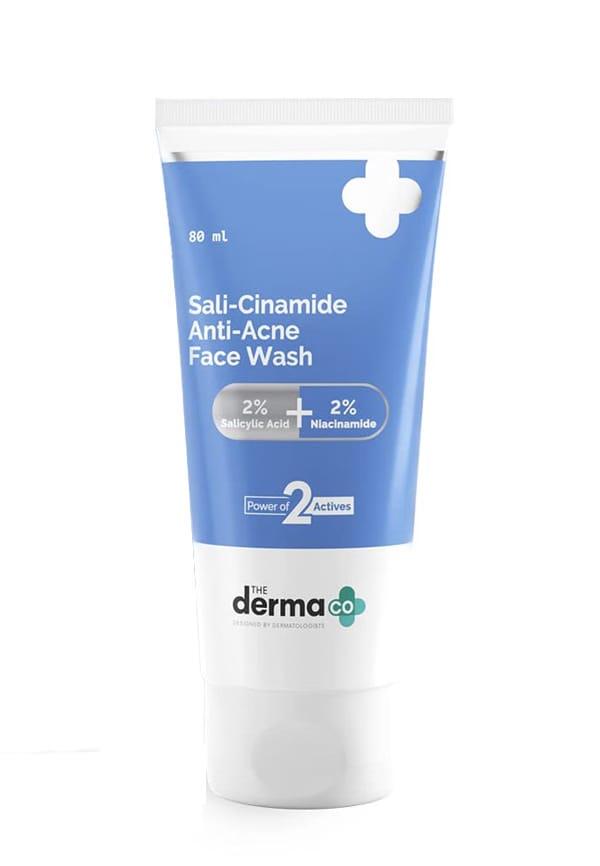 80 ml
80 ml2% Sali Cinamide Anti Acne Face Wash
Evening routines can be a bit more intensive. Double cleanse if you wear makeup or sunscreen, then apply any active treatments like retinoids or acids. Always finish with a moisturiser to maintain your skin barrier.
Weekly treatments like clay masks or gentle exfoliation can help manage oil and prevent clogged pores acne, but don't overdo it. Over-exfoliating can trigger more oil production as your skin tries to protect itself.
When shopping for the best face wash oily acne skin products, look for specific ingredients that target both oil control and acne prevention.
Salicylic Acid
This beta-hydroxy acid penetrates into pores to dissolve oil and dead skin cells. It's particularly effective for blackheads and whiteheads.
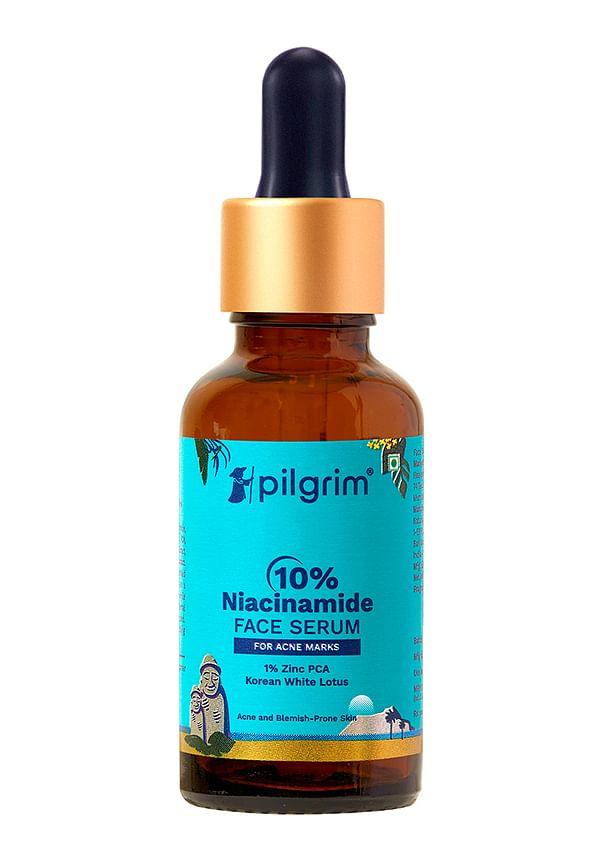 30 ml
30 ml10% Niacinamide Face Serum For Acne Marks
Benzoyl Peroxide
Kills acne-causing bacteria and helps prevent new breakouts. Start with a lower concentration (2.5%) to avoid irritation.
Niacinamide
Helps regulate oil production and reduces inflammation. It's gentler than acids, making it perfect for sensitive, oily skin.
Always choose non comedogenic skincare products, which means they won't clog your pores. Look for this label on everything from cleansers to moisturisers to makeup.
When it comes to acne treatment oily skin approaches, you've got options ranging from drugstore finds to prescription treatments. The key is starting gentle and building up.
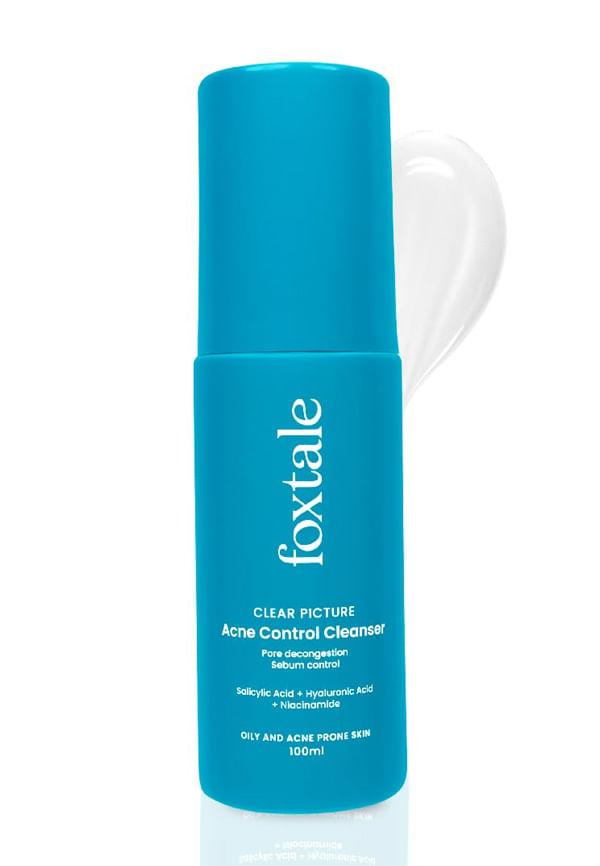 100 ml
Acne Control Cleanser with Salicylic Acid || Hyaluronic Acid and Niacinamide
Over-the-counter treatments often include topical retinoids (like adapalene), salicylic acid, and benzoyl peroxide. These can be quite effective for mild to moderate acne, especially when used consistently.
For more stubborn cases, prescription options might include stronger retinoids like tretinoin, oral antibiotics, or hormonal treatments like spironolactone for women. Professional treatments such as chemical peels, extractions, or light therapy can also be game-changers.
Natural remedies with scientific backing include zinc supplements, green tea extracts, and products containing tea tree oil. However, natural doesn't always mean gentle, so patch test everything first.
Remember, most acne treatments take 6-12 weeks to show significant results. Skin inflammation acne can actually get worse before it gets better as your skin adjusts to new treatments.
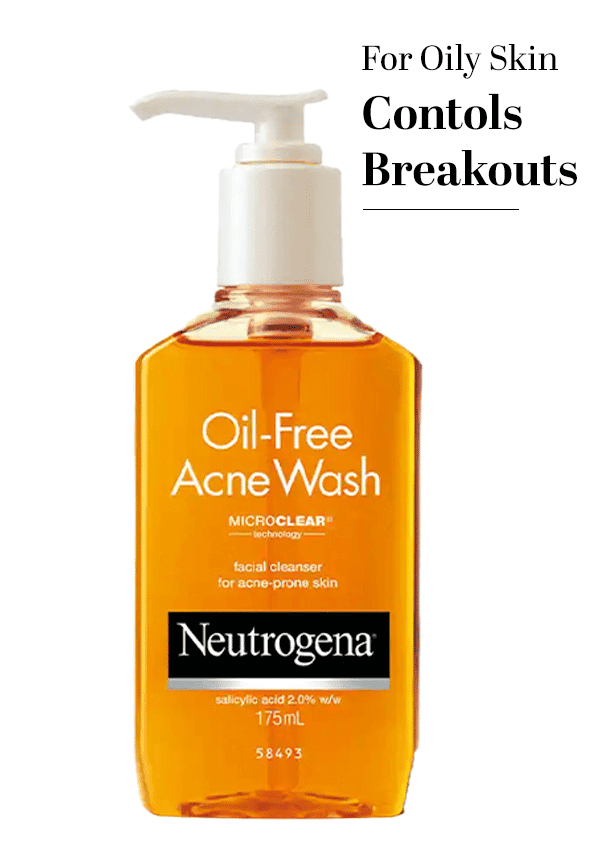 175 ml
Oil Free Acne Wash For Acne Prone Skin With Salicylic Acid
Whilst professional treatments are often most effective, some home remedies can complement your routine nicely. The key is choosing evidence-based options that won't irritate your skin further.
Clay masks, particularly those with bentonite or kaolin clay, can help absorb excess oil and temporarily tighten pores. Use them once or twice a week, not daily, as they can be drying.
Honey, especially manuka honey, has antimicrobial properties that might help with acne-causing bacteria. You can use it as a spot treatment or gentle mask.
Green tea, whether applied topically or consumed, contains antioxidants that may help reduce inflammation. Some people find that switching to green tea from coffee helps their skin, though the evidence is mostly anecdotal.
Lifestyle modifications can be just as important as topical treatments. Managing stress through exercise, meditation, or other healthy outlets can help regulate hormones that trigger oil production. Getting adequate sleep helps your skin repair itself, whilst staying hydrated supports overall skin health.
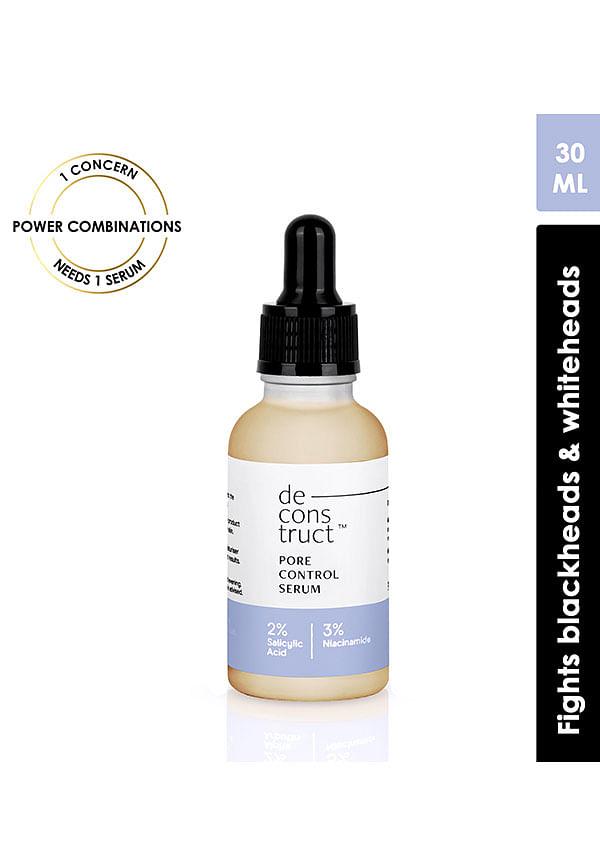 30 ml
30 mlPore Control Serum Salicylic Acid + Niacinamide Anti Acne Face Serum
With so many skincare options available today, finding what works for your specific skin doesn't have to be overwhelming. Platforms like Smytten make it easier to try different products without committing to full sizes, helping you discover what actually works for your unique skin needs.
Oily skin causes acne through a four-step process: excess sebum production, pore blockage when oil mixes with dead skin cells, bacterial overgrowth of P. acnes bacteria in the oil-rich environment, and finally inflammation as your immune system responds to the bacteria.
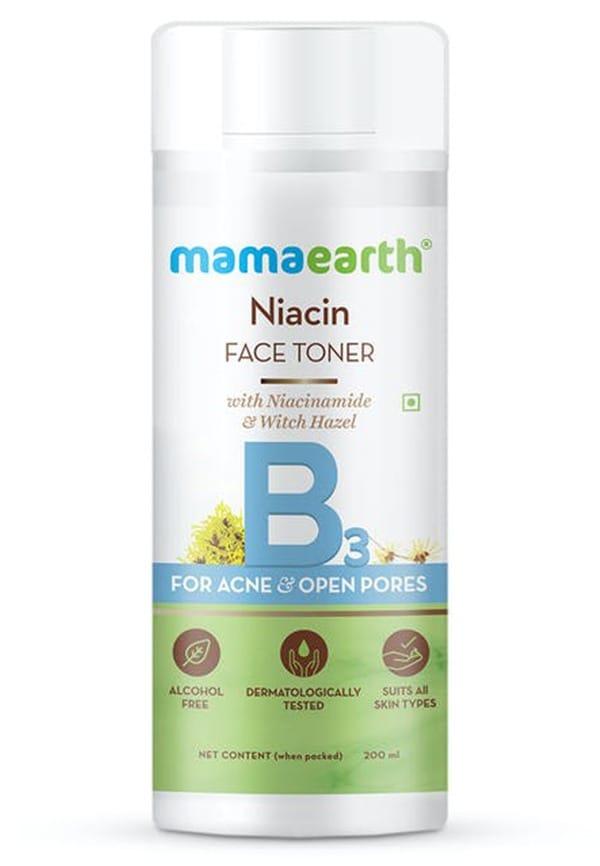 200 ml
Niacin Toner For Face For Acne And Open Pores
Absolutely! Whilst oily skin increases your risk of acne, it doesn't guarantee you'll get breakouts. Some people have naturally oily skin but maintain clear pores through good skincare habits, genetics, or hormonal balance.
Focus on gentle cleansing with salicylic acid, lightweight non-comedogenic moisturising, and consistent use of treatments like retinoids or niacinamide. For hormonal acne specifically, you might need prescription treatments like spironolactone or birth control.
Yes, definitely! Skipping moisturiser can actually make oily skin worse by triggering more oil production. Choose lightweight, non-comedogenic formulas with ingredients like hyaluronic acid or niacinamide.
Most treatments take 6-12 weeks to show significant improvement. Your skin might actually get worse initially as it adjusts to new products, especially with retinoids or acids. Patience and consistency are key.
Some studies suggest high-glycemic foods and dairy might worsen acne in certain people, but the evidence isn't conclusive for everyone. Focus on a balanced diet rich in antioxidants and omega-3 fatty acids, and consider keeping a food diary to identify personal triggers.
Understanding the oily skin and acne connection is your first step towards clearer skin. Remember, this isn't about eliminating oil completely—your skin needs some sebum to stay healthy. It's about finding the right balance through consistent skincare, appropriate treatments, and sometimes a bit of professional help.
The journey to managing oily, acne-prone skin takes time and patience. What works for your friend might not work for you, and that's completely normal. Your skin is unique, and finding the right combination of products and treatments often involves some trial and error.
That's where smart product discovery becomes invaluable. Smytten offers curated trial packs from over 1,500 trusted brands, letting you explore different skincare solutions before committing to full-size purchases. With options from brands like Cetaphil and Dot & Key, you can try various approaches to find what actually works for your skin. Plus, with 100% cashback on trial minis, discovering your perfect skincare routine becomes both affordable and rewarding. After all, why settle for 'maybe' when you can try it all and find what truly works for your unique skin needs?
