How to Treat Pigmentation Near Lips: Causes and Remedies

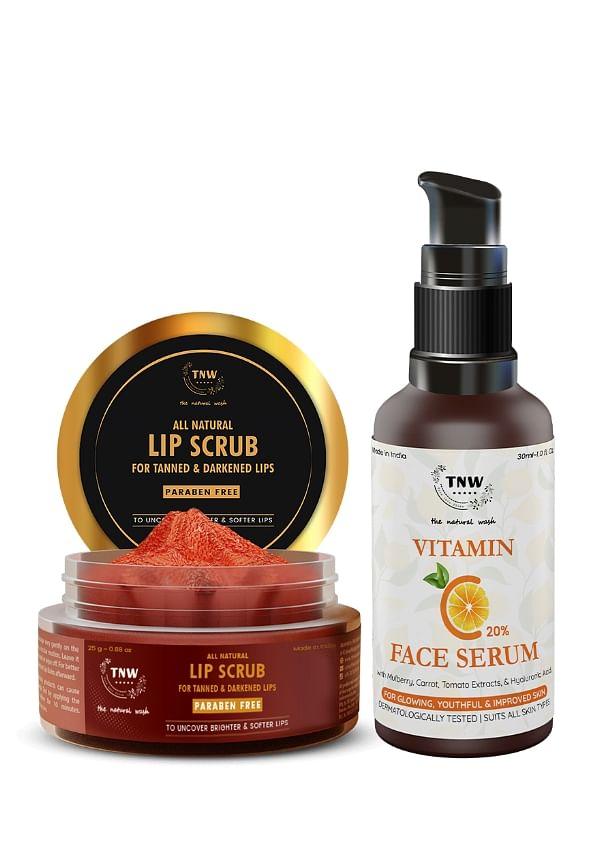 COMBO
COMBOLip Scrub for Tanned & Darkened Lips with Vitamin C Serum Reduce hyperpigmentation & Dark Spots
Ever noticed those stubborn dark patches around your lips that just won't budge? You're definitely not alone. Pigmentation near lips is way more common than you'd think, and honestly, it can be pretty frustrating when your favourite lip colour doesn't look quite right because of uneven skin tone. The good news? There are loads of ways to tackle this, from gentle home remedies to professional treatments that actually work. Let's dive into what causes these dark spots and how you can get your skin looking more even and confident again.
Before jumping into solutions, it's worth understanding what's actually happening with your skin. Pigmentation near lips happens when your skin produces too much melanin in certain areas, creating those darker patches that can make your lip area look uneven.
Not all lip discoloration is the same, and knowing which type you're dealing with can help you choose the right treatment approach.
Perioral hyperpigmentation - This appears as dark patches specifically around the mouth area
Post-inflammatory hyperpigmentation - Dark spots that develop after skin irritation or breakouts
Melasma around the mouth - Hormone-related darkening that often appears symmetrically
Uneven lip tone - When your actual lip colour varies from light to dark patches
Your lip area is actually quite delicate and reactive to various triggers. Here's what typically kicks off the pigmentation process:
Excess melanin production triggered by inflammation or irritation
Hormonal changes that affect how your skin produces pigment
Environmental factors like sun exposure and pollution
Genetic predisposition - some people are simply more prone to developing dark lips
Real talk - there are quite a few things that can cause dark spots on lips and the surrounding area. Understanding your specific triggers is key to finding the right solution.
Sometimes the cause runs deeper than just surface-level skin issues. These internal factors can significantly impact your lip pigmentation:
Vitamin B12 deficiency - Can cause darkening around the lips and mouth
Hormonal fluctuations during pregnancy, menopause, or from birth control
Certain medications that increase photosensitivity or affect pigmentation
Underlying conditions like Addison's disease or thyroid disorders
Your daily habits play a huge role in lip discoloration. These are often the easiest factors to control:
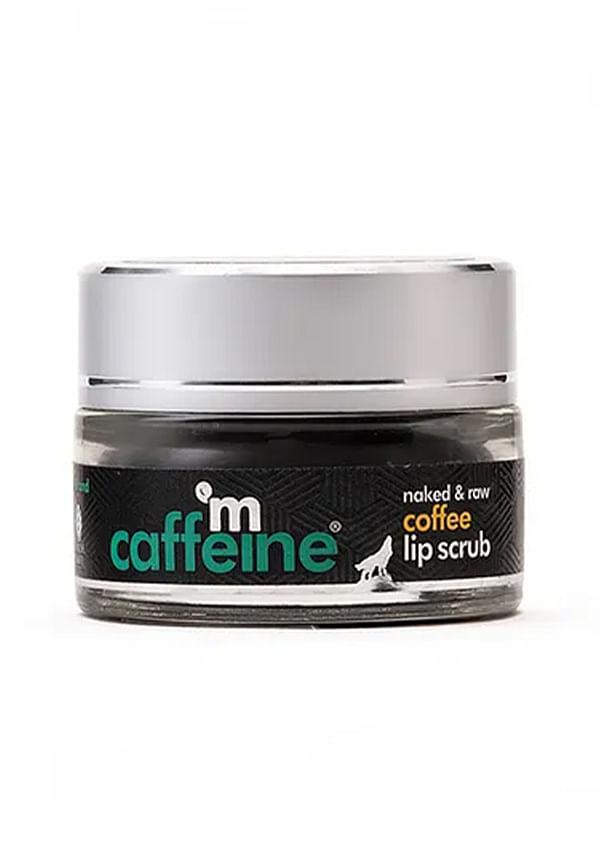 12 gm
12 gmCoffee Lip Scrub for Chapped Lips | Reduces Tan & Pigmentation
Sun exposure without proper SPF protection around the mouth
Smoking - one of the biggest culprits for dark lips causes
Friction from constantly licking lips or using harsh lip products
Poor skincare routine that doesn't address the delicate lip area
Sometimes pigmentation develops after your skin has been irritated or injured. This type often responds well to treatment:
Acne breakouts around the mouth that leave dark marks
Perioral dermatitis aftermath from harsh products or over-exfoliation
Allergic reactions to lip products, toothpaste, or food
Minor injuries like cuts or burns that heal with darker pigmentation
When home remedies aren't cutting it, professional treatments can be game-changers for stubborn pigmentation. These options typically work faster and can tackle deeper pigmentation issues.
Professional treatments are often the most effective way to address persistent hyperpigmentation around mouth areas:
Chemical peels - Gentle acids that remove pigmented skin layers
Laser therapy - Targets melanin deposits without damaging surrounding skin
Microneedling - Stimulates skin renewal and helps products penetrate better
Professional lightening treatments - Stronger formulations than over-the-counter options
Your dermatologist might prescribe stronger ingredients that aren't available in regular skincare products:
Hydroquinone-based formulations - The gold standard for pigmentation treatment
Tretinoin - Speeds up cell turnover to fade dark spots
Kojic acid prescriptions - Natural lightening agent in higher concentrations
Combination therapies - Multiple ingredients working together for better results
Not everyone needs to go straight to professional treatments. There are plenty of gentle, effective ways to work on lip discoloration at home using ingredients you might already have.
These ingredients have actual science backing their pigmentation-fighting properties:
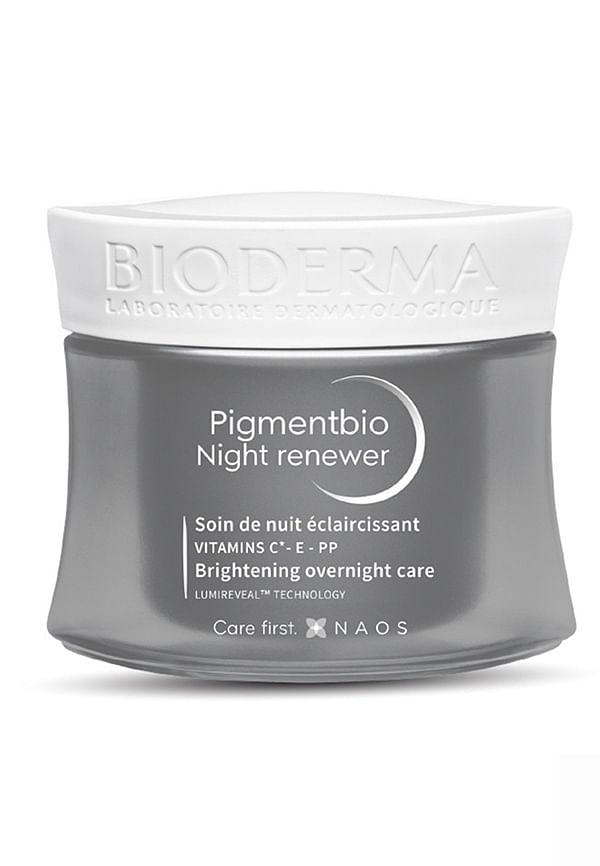 50 ml
50 mlPigmentbio Night Renewer Brightening Overnight Cream for Dark Spots, Sensitive Skin
Vitamin C serum - Brightens and protects against further darkening
Coconut oil - Moisturises and has mild lightening properties, though results are gradual
Lemon and honey - Natural acids and enzymes that gently exfoliate
Turmeric - Anti-inflammatory properties that can help with post-inflammatory pigmentation
Here's how to safely use natural remedies for the best results:
Start slowly - Use treatments 2-3 times per week initially
Always patch test - Even natural ingredients can cause reactions
Be consistent - Natural remedies need time, usually 8-12 weeks for noticeable results
Moisturise afterwards - Keep the area hydrated to prevent irritation
When you're ready to invest in proper skincare products, knowing which ingredients actually work can save you time and money. The beauty world is full of products claiming to fix pigmentation, but these ingredients have proven track records.
Look for these powerhouse ingredients when shopping for pigmented lips remedy products:
Niacinamide - Gentle yet effective for uneven lip tone, suitable for sensitive skin
Vitamin C - Brightens existing dark spots and prevents new ones from forming
Retinoids - Speed up cell turnover to reveal fresh, even-toned skin
Kojic acid - Natural ingredient that inhibits melanin production
Finding the right products for your specific needs doesn't have to be overwhelming:
Gentle exfoliants - Look for lactic acid or fruit enzymes for the delicate lip area
Targeted serums - Lightweight formulas that can be layered under lip balm
Moisturising treatments - Products that treat pigmentation while keeping lips soft
Broad-spectrum SPF - Essential for preventing further darkening
This is where platforms like Smytten become incredibly useful. Instead of buying full-size products and hoping they work, you can try mini versions of different pigmentation treatments to see what actually works for your skin. With over 1,500 trusted brands including skincare specialists like Cetaphil and Dot & Key, you can explore various approaches to treating lip discoloration without the financial commitment.
Prevention is honestly easier than treatment, and once you've got your pigmentation under control, these habits will help keep it that way. Think of this as your daily insurance policy against future dark spots.
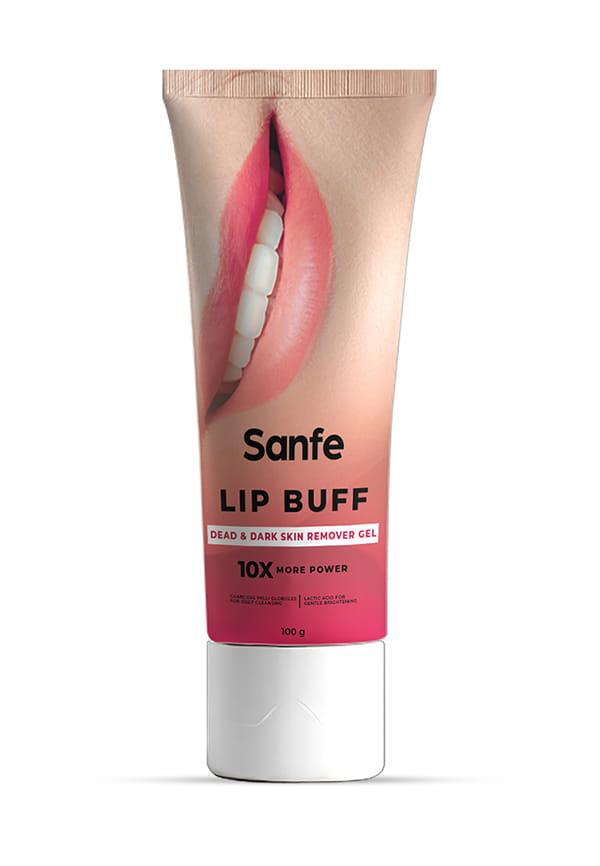 100gm
100gmlip buff dead & dark skin removal gel
Building these simple steps into your routine can prevent most pigmentation issues:
SPF application - Use a lip balm with SPF 30+ and reapply throughout the day
Gentle cleansing - Avoid harsh scrubs or over-washing the lip area
Hydration - Keep lips moisturised to prevent irritation and inflammation
Avoid triggers - Stop licking lips, using expired products, or picking at dry skin
Consistency is everything when it comes to maintaining even lip tone:
Regular skincare routine - Stick to products that work for your skin
Monitor changes - Take photos to track progress and catch new issues early
Professional check-ups - Annual skin checks can catch underlying issues
Lifestyle adjustments - Quit smoking, improve diet, manage stress levels
Professional treatments typically show results in 4-8 weeks, while home remedies and over-the-counter products usually take 8-12 weeks of consistent use. Your skin type, the severity of pigmentation, and the treatment method all affect the timeline.
Many types of lip discoloration can be significantly improved or completely resolved, but maintenance is usually required. Post-inflammatory hyperpigmentation often responds very well to treatment, while hormonal pigmentation might return if the underlying cause isn't addressed.
Most treatments are safe when used correctly, but people with darker skin tones need to be extra careful as some ingredients can cause further pigmentation if used incorrectly. Always patch test new products and consider consulting a dermatologist familiar with your skin type.
Avoid harsh scrubs, over-exfoliation, picking at your lips, and sun exposure without SPF. Also steer clear of products containing alcohol or strong fragrances around the lip area, as these can cause irritation and worsen pigmentation.
Some natural ingredients like vitamin C, kojic acid from certain fruits, and gentle exfoliants can help with mild pigmentation. However, they work much slower than professional treatments and aren't effective for all types of pigmentation. They're worth trying for mild cases or as maintenance after professional treatment.
Dealing with pigmentation near lips doesn't have to be a lifelong struggle. Whether you're dealing with dark spots from old breakouts, hormonal changes, or lifestyle factors, there are effective solutions available. The key is identifying your specific type of pigmentation and choosing the right approach - whether that's gentle home remedies, targeted skincare products, or professional treatments.
Remember, consistency is everything when treating hyperpigmentation around mouth areas. Start with gentle approaches and work your way up if needed. And don't forget that prevention through proper SPF use and gentle skincare habits is just as important as treatment. With patience and the right approach, you can definitely achieve the even, confident lip area you're after. After all, why settle for 'maybe' when you can try different solutions and find what actually works for your skin?
