How to Treat Inner Thigh Pigmentation for Smoother Skin


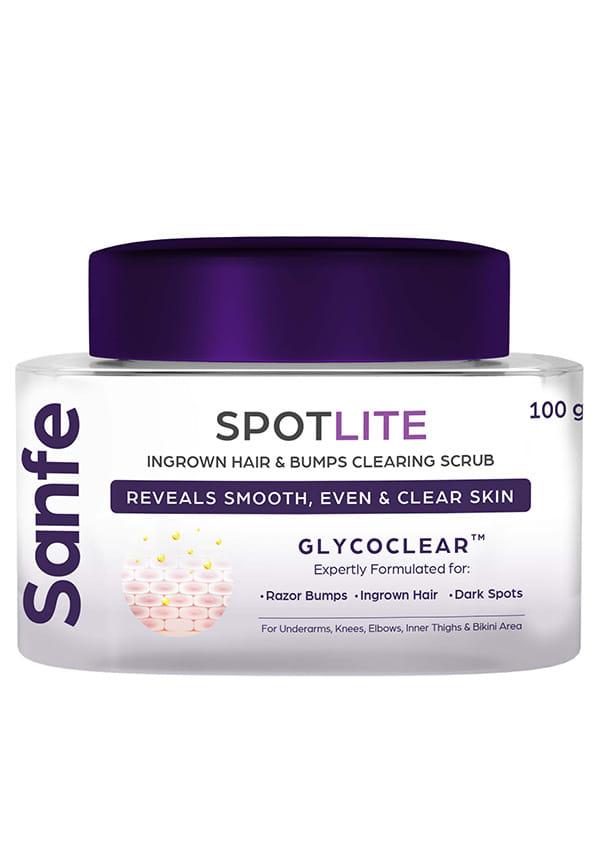 50 gm
50 gmDark Spot Sensitive Body Scrub For Dark Underarms, Inner Thighs and Sensitive Areas
Let's be real—inner thigh pigmentation is one of those things nobody talks about, but loads of us deal with. Whether it's from friction, hormonal changes, or just genetics being a bit cheeky, those dark patches can feel frustrating. The good news? You're definitely not stuck with them forever. With the right approach and a bit of patience, you can work towards smoother, more even-toned skin. Think of this as your friendly guide to understanding what's happening and what actually works to tackle it.
Before diving into solutions, it's worth knowing why inner thigh pigmentation happens in the first place. Understanding the root cause helps you pick the right treatment and prevent it from coming back. Most of the time, it's not something you've done wrong—it's just your skin responding to certain triggers.
The most common culprit behind dark inner thighs is friction. When your skin rubs against itself or tight clothing repeatedly, it can trigger your body to produce more melanin as a protective response. This is especially common if you're active, wear fitted clothes, or have naturally curvier thighs.
Hormonal changes are another major player in inner thigh darkening. Pregnancy, PCOS, or even just your monthly cycle can mess with melanin production. If you've noticed the pigmentation getting worse during certain times, hormones might be the answer.
Then there's insulin resistance and a condition called acanthosis nigricans. This creates those velvety, dark patches that can appear on inner thighs, neck, or underarms. It's often linked to diabetes or pre-diabetes, so it's worth chatting with your doctor if you notice this pattern.
Hair removal can also cause post-inflammatory hyperpigmentation. Whether it's shaving, waxing, or using hair removal creams, any irritation can leave behind darker spots as your skin heals.
Sometimes, inner thigh pigmentation is your body's way of flagging an underlying health issue. Diabetes and pre-diabetes often show up as darkened skin in body folds. PCOS can also trigger this type of pigmentation due to insulin resistance.
Thyroid disorders can mess with your skin's pigmentation too. If you're dealing with other symptoms like fatigue, weight changes, or mood swings alongside the pigmentation, it might be worth getting your thyroid checked.
When home remedies aren't cutting it, professional treatments can be game-changers. Dermatologists have access to stronger ingredients and procedures that can tackle stubborn pigmentation more effectively. The key is finding the right approach for your specific situation.
Hydroquinone is often the first line of defence for treating inner thigh pigmentation. It works by blocking the enzyme that produces melanin, gradually lightening dark spots. Your dermatologist might prescribe a 4% concentration, which is stronger than what you can get over the counter.
Tretinoin and other retinoids are brilliant for speeding up cell turnover. They help shed the pigmented skin cells faster while encouraging new, healthier skin to surface. Just be prepared for some initial irritation—it's normal and usually settles down.
Kojic acid is another prescription option that's gentler than hydroquinone but still effective. It's derived from fungi and works by inhibiting melanin production. Many dermatologists combine it with other ingredients for better results.
Chemical peels can work wonders for uneven skin tone inner thighs. Glycolic acid or lactic acid peels remove the top layer of pigmented skin, revealing fresher skin underneath. You'll need multiple sessions, but the results can be quite dramatic.
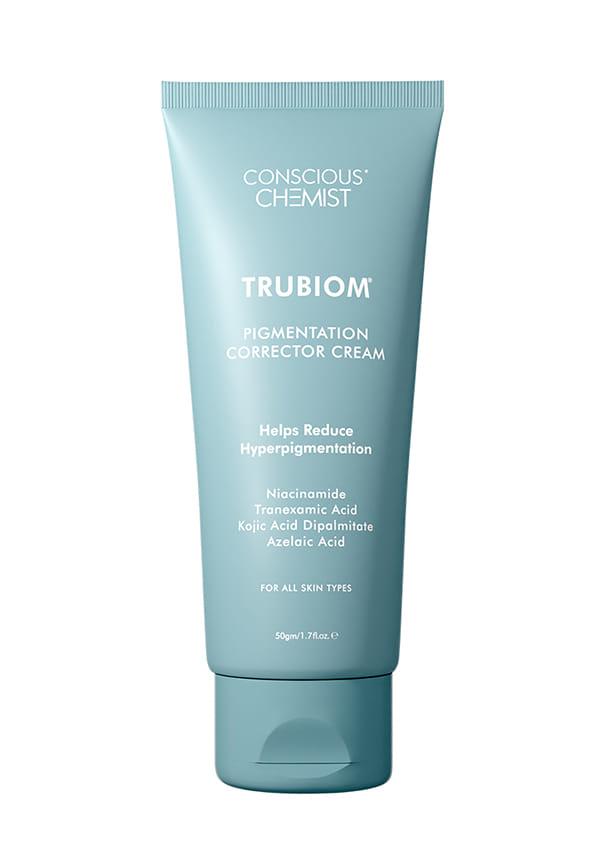 50gm
50gmPigmentation Corrector Moisturiser For Dark Spots
Laser therapy and IPL (Intense Pulsed Light) treatments target melanin directly. They're more expensive but can be incredibly effective for stubborn pigmentation. The downtime is minimal, though you might experience some redness for a few days.
Microdermabrasion is a gentler option that physically exfoliates the skin. It's less intense than chemical peels but still helps with mild to moderate pigmentation. Think of it as a really thorough exfoliation that you can't achieve at home.
Not everyone needs to go straight to the dermatologist. There are plenty of effective remedies for dark inner thighs that you can try at home first. The trick is being consistent and patient—these treatments work, but they take time to show results.
Lactic acid is your best friend for gentle exfoliation. It's an alpha hydroxy acid (AHA) that removes dead skin cells while being kind to sensitive areas. Start with a low concentration and use it 2-3 times a week.
Niacinamide is brilliant for pigmentation control. This form of vitamin B3 helps regulate melanin production and strengthens your skin barrier. It's gentle enough for daily use and plays well with other ingredients.
Vitamin C serums can help brighten existing pigmentation and prevent new dark spots from forming. Look for stable forms like magnesium ascorbyl phosphate, which are less likely to irritate sensitive inner thigh skin.
Urea-based moisturisers are fantastic for this area. Urea is a gentle exfoliant that also deeply moisturises, making it perfect for treating inner thigh pigmentation while keeping the skin soft and smooth.
Proper exfoliation is crucial, but don't go overboard. Use a gentle scrub or exfoliating mitt 1-2 times weekly. Over-exfoliating can actually make pigmentation worse by causing irritation.
Moisturising is non-negotiable. Dry, irritated skin is more prone to pigmentation. Use a thick, nourishing moisturiser twice daily to keep your skin barrier healthy and support the healing process.
When combining ingredients, start slowly. Introduce one new product at a time and give your skin a week to adjust before adding anything else. This helps you identify what works and what might be causing irritation.
Prevention is honestly half the battle when it comes to inner thigh skincare. Once you've got your pigmentation under control, keeping it that way is much easier than treating it from scratch. It's all about making small changes that add up to big results.
Anti-chafing strategies are essential. Use anti-chafing balms or powders before exercise or long days in fitted clothes. Silicone-based products create a protective barrier that reduces friction without clogging pores.
Your clothing choices matter more than you might think. Opt for breathable fabrics like cotton or moisture-wicking materials. Avoid anything too tight or rough against your skin. Seamless underwear can also make a huge difference.
Weight management can help reduce friction between thighs. Even a small reduction in weight can significantly decrease the rubbing that contributes to pigmentation. Focus on sustainable lifestyle changes rather than quick fixes.
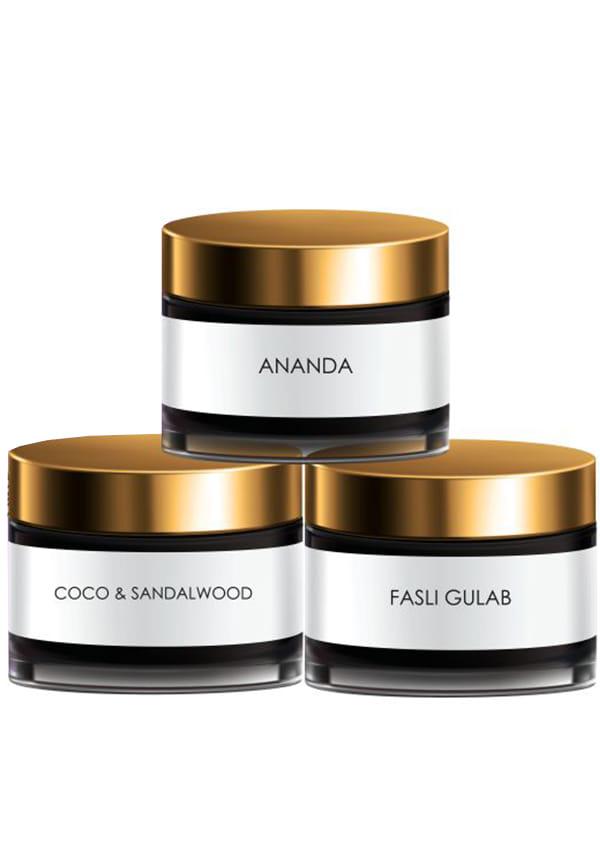 45 gm
45 gmSolid Natural Body Perfume for Underarms, Inner Thigh, Knee, Bikini Area
Your morning routine should focus on protection and moisture. Apply a gentle moisturiser and, if you're wearing fitted clothes or exercising, add an anti-chafing product. Keep it simple—this area doesn't need a 10-step routine.
Evening is when you can use your treatment products. Apply any acids or active ingredients at night, followed by a nourishing moisturiser. This gives your skin time to repair and regenerate while you sleep.
Product layering matters. Apply thinner products first (like serums) and finish with thicker moisturisers. Wait a few minutes between layers to let each product absorb properly.
Let's set realistic expectations here. Inner thigh pigmentation didn't appear overnight, and it won't disappear that quickly either. Understanding the timeline helps you stay motivated and avoid switching treatments too soon.
In the first 2-4 weeks, you might notice your skin feeling smoother and looking slightly brighter. This is usually from improved hydration and gentle exfoliation rather than actual pigment reduction. Don't get discouraged if the dark patches still look the same.
Months 2-3 are when you'll start seeing real changes. The pigmentation should begin to fade noticeably, and the overall tone should become more even. This is when people usually start commenting that your skin looks better.
For significant, long-term results, think 6+ months. Stubborn pigmentation can take this long to fade substantially. The good news is that once you see improvement, it tends to continue as long as you stick with your routine.
Take photos in the same lighting and position every few weeks. Your eyes can play tricks on you when you see your skin daily, but photos don't lie. Natural daylight gives the most accurate representation.
Look for signs like improved texture, reduced darkness, and more even tone. Even if the pigmentation isn't completely gone, these improvements show your treatment is working. Sometimes the skin feels different before it looks different.
If you're not seeing any improvement after 3 months of consistent treatment, it might be time to reassess. This could mean trying stronger ingredients, combining treatments, or consulting a dermatologist for professional options.
While most inner thigh pigmentation is harmless and treatable at home, there are times when professional help is necessary. Knowing when to seek medical advice can save you time and ensure you're not missing an underlying health issue.
If the pigmentation is spreading rapidly or getting significantly darker despite treatment, see a doctor. This could indicate an underlying condition that needs addressing before the pigmentation will improve.
A velvety texture alongside darkening (acanthosis nigricans) often signals insulin resistance or diabetes. This isn't just a cosmetic issue—it's your body flagging a health concern that needs medical attention.
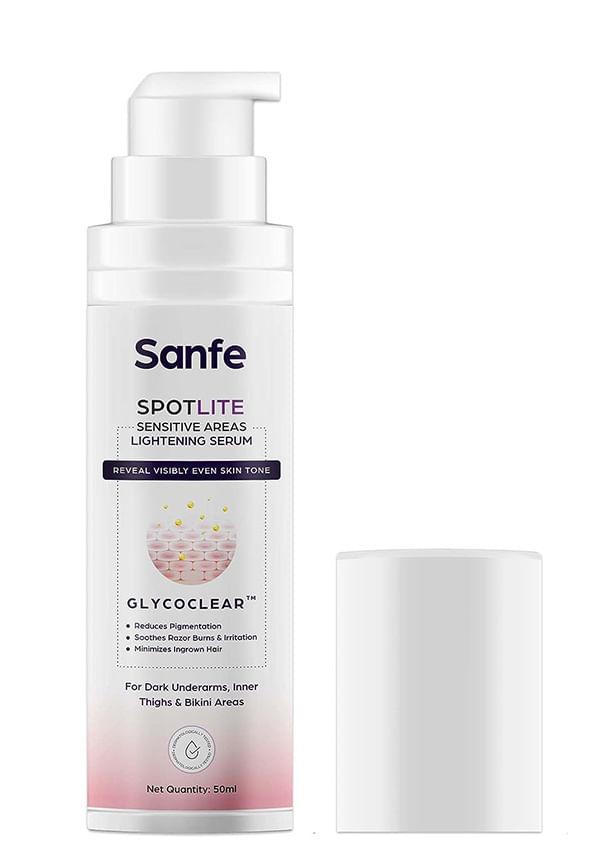 50 gm
50 gmDark Spot Sensitive Body Serum For Dark Underarms, Inner Thighs and Sensitive Areas
Any associated symptoms like itching, pain, unusual odour, or skin breakdown need professional evaluation. These could indicate infections, allergic reactions, or other skin conditions that require specific treatment.
Start with your GP if you suspect underlying health issues like diabetes or hormonal imbalances. They can run blood tests and refer you to specialists if needed. For purely cosmetic concerns, a dermatologist is your best bet.
Come prepared with photos showing the progression, a list of products you've tried, and any other symptoms you've noticed. This helps your doctor understand the full picture and recommend the most appropriate treatment.
When exploring treatment options, platforms like Smytten can be incredibly helpful. With curated trial packs from trusted skincare brands, you can test different products before committing to full sizes. This approach is particularly valuable for sensitive areas like inner thighs, where finding the right product can take some trial and error.
Treat inner thigh hyperpigmentation with gentle exfoliation using lactic acid 2-3 times weekly, daily moisturising with urea-based creams, and topical treatments like niacinamide or vitamin C. Professional options include chemical peels and laser therapy for stubborn cases.
While there's no overnight solution, consistent use of gentle acids, daily moisturising, and preventing further friction can show initial improvements in 2-4 weeks. Professional treatments may accelerate results, but patience is key for lasting change.
Yes, most cases of inner thigh pigmentation can improve significantly with proper treatment. Timeline varies from 2-6 months depending on the cause and treatment method. Addressing underlying causes like friction or hormonal issues is crucial for permanent results.
Inner thigh darkening is primarily caused by friction from clothing or skin contact, hormonal changes, insulin resistance, or irritation from hair removal. Medical conditions like diabetes or PCOS can also contribute to this pigmentation.
Many facial products work well on inner thighs, but start with lower concentrations. The skin in this area can be more sensitive, so patch test first and introduce products gradually to avoid irritation.
No, inner thigh pigmentation is rarely permanent. With consistent treatment and addressing underlying causes, most people see significant improvement. However, it requires patience and the right approach for your specific situation.
Dealing with inner thigh pigmentation can feel overwhelming, but remember—you've got options, and most of them work brilliantly with time and consistency. Whether you start with gentle home treatments or jump straight to professional options, the key is finding what works for your skin and sticking with it.
The journey to smoother, more even-toned skin isn't always linear. Some weeks you'll see amazing progress, others might feel like nothing's happening. That's completely normal. Your skin is doing the work even when you can't see it yet.
If you're just starting your skincare journey or looking to try new products, consider exploring trial-sized options first. Smytten's platform makes it easy to test different treatments without the commitment of full-size purchases. With access to trusted brands and the ability to try multiple products for just ₹249, you can find what works for your specific needs without breaking the bank. After all, why settle for maybe when you can try it all and find your perfect match?
