How to Treat Hormonal Hyperpigmentation Naturally & With Actives

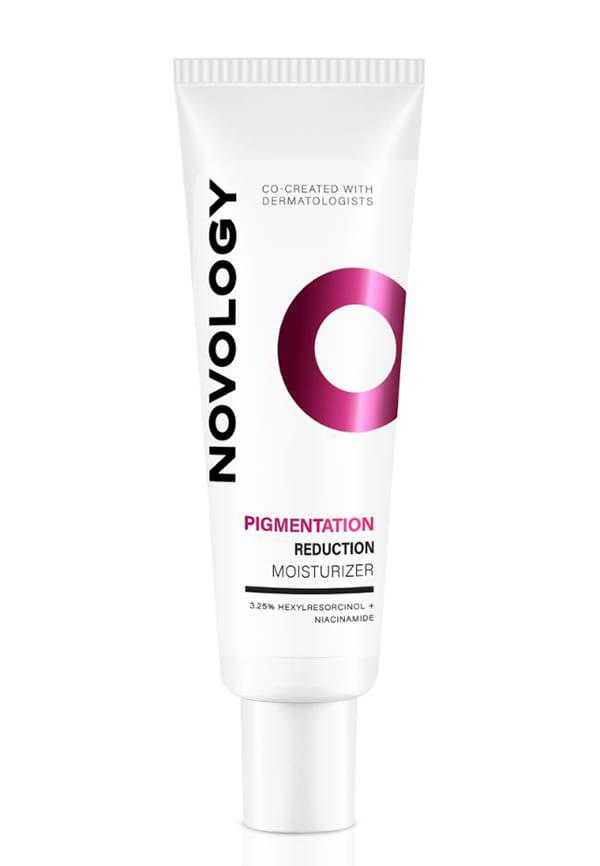
Pigmentation Moisturiser, Face Cream for Hyperpigmentation & Dark Spots
Dealing with hormonal hyperpigmentation can feel like fighting an uphill battle, especially when those stubborn dark spots seem to have a mind of their own. Whether it's melasma that appeared during pregnancy, post-acne marks that refuse to fade, or patches that darken with your monthly cycle, you're definitely not alone in this struggle. The good news? There are proven ways to tackle hormonal skin discoloration using both gentle natural remedies and powerful active ingredients. Let's dive into what actually works and how to create a routine that fits your skin's unique needs.
Before jumping into treatments, it's worth understanding what you're actually dealing with. Hormonal hyperpigmentation isn't just regular dark spots—it's your skin's response to internal hormonal fluctuations that trigger excess melanin production.
Unlike sun damage or injury-related dark spots, hormonal hyperpigmentation has some telltale signs. It typically appears symmetrically on your face, often forming butterfly-like patterns across your cheeks, forehead, and upper lip. The patches tend to be larger and more diffuse than other types of pigmentation, and they have this annoying habit of getting darker during certain times of your cycle or with sun exposure.
Several factors can trigger this type of pigmentation. Pregnancy hormones are major culprits—hence why melasma is often called the "mask of pregnancy." But it's not just expecting mums who deal with this.
Hormonal fluctuations during menopause, PCOS, or thyroid issues
Birth control pills and hormone replacement therapy
Hormonal acne pigmentation that lingers long after breakouts heal
Sun exposure that amplifies existing hormonal triggers
Stress which can disrupt your hormone balance
Not all dark spots are created equal. Melasma tends to be brown or greyish patches that appear gradually, whilst post-inflammatory hyperpigmentation from hormonal acne usually shows up as darker spots where breakouts once were. Pay attention to when your pigmentation gets worse—if it darkens before your period or during stressful times, hormones are likely the main driver.
Let's be real—natural doesn't always mean effective, but some ingredients have solid research backing their brightening abilities. The key is consistency and realistic expectations.
These aren't just old wives' tales—these natural ingredients have compounds that can genuinely help with pigmentation.
Aloe vera gel contains aloesin, which can inhibit melanin production. Use pure gel twice daily on clean skin.
Turmeric paste (mix with milk or honey) has curcumin that reduces inflammation and can lighten spots over time.
Licorice root extract contains glabridin, a gentle brightening compound that's less irritating than many actives.
Green tea applied as a cooled compress provides antioxidants that protect against further pigmentation.
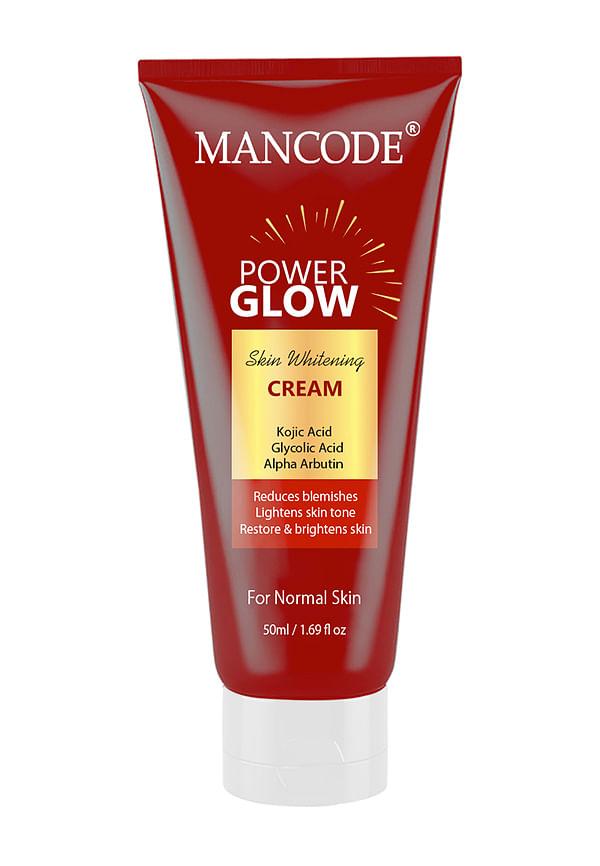
Power Glow Skin Whitening Cream Reduces Dark Spots
Your pantry might hold some surprising solutions, though these need extra caution.
Lemon juice has natural bleaching properties but can increase sun sensitivity—only use at night and always follow with SPF the next day.
Apple cider vinegar diluted 1:3 with water can gently exfoliate, but patch test first.
Tomato and honey masks combine lycopene with moisturising benefits—mash half a tomato with a teaspoon of honey.
Rice water toner has been used in Asian skincare for centuries—soak rice in water for 30 minutes, strain, and use as a gentle toner.
Natural doesn't mean risk-free. Always patch test new ingredients on your inner arm for 24 hours before applying to your face. Start slowly—maybe twice a week—and build up frequency as your skin adjusts. Most natural remedies take 6-12 weeks to show noticeable results, so patience is key.
When you're ready to bring out the big guns, certain active ingredients have decades of research proving their effectiveness against stubborn pigmentation. The trick is knowing how to use them safely.
These are the heavy hitters that dermatologists reach for when treating serious pigmentation.
Hydroquinone is considered the gold standard, blocking melanin production at the source. Start with 2% formulations and use only as directed.
Retinoids speed up cell turnover, helping pigmented cells shed faster. Tretinoin is prescription-strength, whilst retinol is gentler for beginners.
Vitamin C in L-ascorbic acid form is most potent, though magnesium ascorbyl phosphate is more stable for sensitive skin.
Azelaic acid offers dual benefits—it brightens whilst being anti-inflammatory, making it perfect for sensitive skin.
If your skin is sensitive or you prefer a gentler route, these newer actives pack a punch without the irritation.
Niacinamide at 5-10% concentration inhibits melanin transfer to skin cells whilst strengthening your barrier.
Kojic acid naturally inhibits tyrosinase, the enzyme responsible for melanin production.
Tranexamic acid reduces inflammation that can trigger pigmentation—brilliant for hormonal skin.
Alpha arbutin offers similar benefits to hydroquinone but with less risk of irritation.
The secret to success with actives is starting slow and building up gradually. Begin with one active ingredient, use it every third night for two weeks, then increase frequency as tolerated. Always apply vitamin C in the morning under SPF, and save retinoids and acids for evening use. Never layer multiple strong actives together initially—your skin needs time to adjust.
Here's where it gets practical. The best approach combines natural and active ingredients strategically, based on your skin's tolerance and your lifestyle.
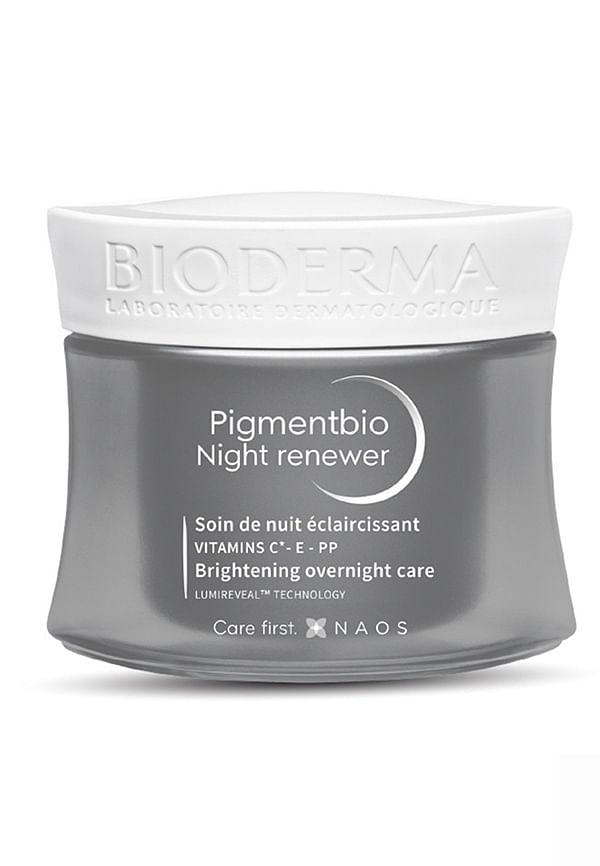
Pigmentbio Night Renewer Brightening Overnight Cream for Dark Spots, Sensitive Skin
Start your day with gentle, protective ingredients that won't increase sun sensitivity.
Gentle cleanser to remove overnight treatments
Vitamin C serum for antioxidant protection
Niacinamide if your skin tolerates it with vitamin C
Moisturiser with natural ingredients like aloe or licorice
SPF 30 or higher—non-negotiable for preventing further pigmentation
Night-time is when you can use stronger actives and natural treatments that might increase photosensitivity.
Double cleanse to remove SPF and daily buildup
Active ingredient (retinoid, azelaic acid, or kojic acid)
Natural treatment like turmeric mask (2-3 times weekly)
Rich moisturiser to support barrier repair
Once or twice weekly, you can incorporate more intensive natural treatments. Try a rice water and honey mask, or apply diluted apple cider vinegar as a gentle exfoliant. Always follow with a soothing moisturiser and extra SPF protection the next day.
Treating existing pigmentation is only half the battle—preventing new spots from forming is equally important. This is especially crucial with hormonal hyperpigmentation, which has a tendency to return if triggers aren't managed.
SPF isn't optional when dealing with hormonal pigmentation—it's essential. Choose broad-spectrum SPF 30 or higher, and reapply every two hours when outdoors. Physical sunscreens with zinc oxide or titanium dioxide are often gentler for sensitive, pigmented skin. Don't forget often-missed spots like your ears, neck, and the area around your eyes.
Since hormones are the root cause, supporting overall hormonal health can help prevent future pigmentation. This includes managing stress through regular exercise or meditation, getting quality sleep (7-9 hours nightly), and maintaining stable blood sugar through balanced meals. Some people find that reducing dairy or sugar helps their hormonal skin, though this varies individually.
Avoid picking at spots or using harsh scrubs, which can worsen pigmentation. Stick to gentle, consistent routines rather than constantly switching products. Your skin needs time to respond to treatments—usually 6-12 weeks for noticeable improvement.
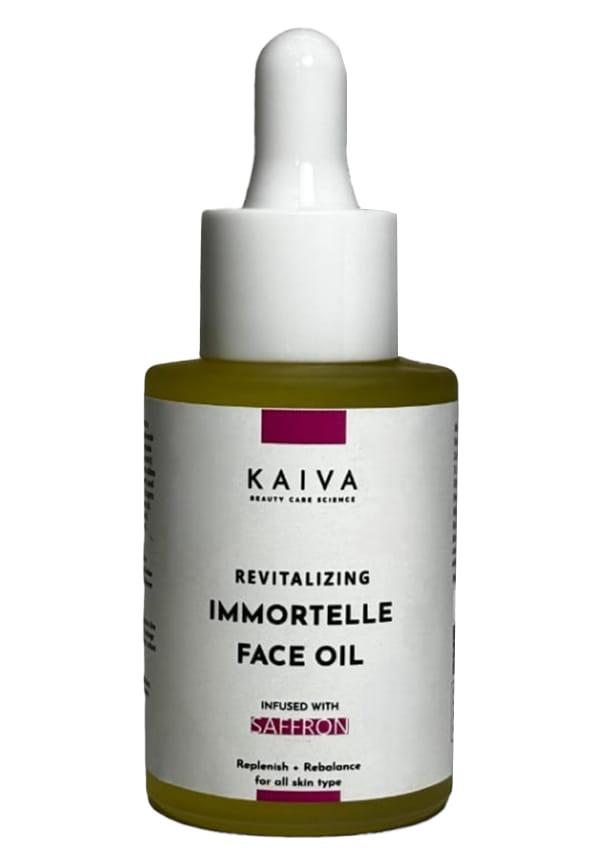
Immortelle Face Oil | Helps Reduce Dark Spots & Pigmentation
When you're exploring new treatments for hormonal hyperpigmentation, finding the right products can feel overwhelming. Smytten makes this journey easier by offering curated trial packs from over 1,500 trusted skincare brands. You can try multiple pigmentation-fighting serums, natural brightening masks, and gentle actives without committing to full-size products. With trial packs available for just ₹249 and 100% cashback redeemable for future purchases, you can discover what works for your unique skin concerns affordably.
Most people start seeing subtle improvements after 6-8 weeks of consistent treatment, with more noticeable results appearing after 3-6 months. Natural remedies typically take longer than active ingredients, but combining both approaches can speed up the process. Remember that hormonal pigmentation can be stubborn, so patience and consistency are crucial.
Yes, but timing and combination matter. Use gentle natural ingredients like aloe vera or green tea in the morning, and save stronger actives for evening. Avoid combining acidic natural ingredients (like lemon juice) with chemical exfoliants, as this can cause irritation. Always introduce new combinations gradually.
Hormonal fluctuations during your menstrual cycle can trigger increased melanin production. Oestrogen and progesterone levels affect how your skin responds to triggers like sun exposure or inflammation. This is why you might notice your melasma or dark spots darkening before your period or during ovulation.
While generally gentler than synthetic actives, natural ingredients can still cause reactions, especially for sensitive skin. Citrus-based remedies can increase photosensitivity, and some people are allergic to ingredients like turmeric or honey. Always patch test and start with diluted concentrations.
Many active ingredients like hydroquinone and retinoids aren't recommended during pregnancy. Natural remedies like aloe vera, green tea, and vitamin C are generally considered safer options. However, always consult your healthcare provider before starting any new skincare treatments during pregnancy or whilst breastfeeding.
Melasma typically appears as symmetrical patches on the face, triggered by hormonal changes and sun exposure. Post-acne pigmentation shows up as individual dark spots where breakouts occurred. Melasma tends to be more persistent and may require different treatment approaches than acne-related pigmentation.
Treating hormonal hyperpigmentation naturally and with actives isn't about finding one magic solution—it's about creating a comprehensive approach that addresses both the symptoms and underlying causes. Whether you start with gentle natural remedies or incorporate proven actives, consistency and patience are your best allies. Remember that hormonal skin changes are completely normal, and with the right combination of treatments, sun protection, and lifestyle support, you can achieve significant improvement in your skin's appearance and confidence.
