How to Transform Oily Skin with Salicylic Acid Routine


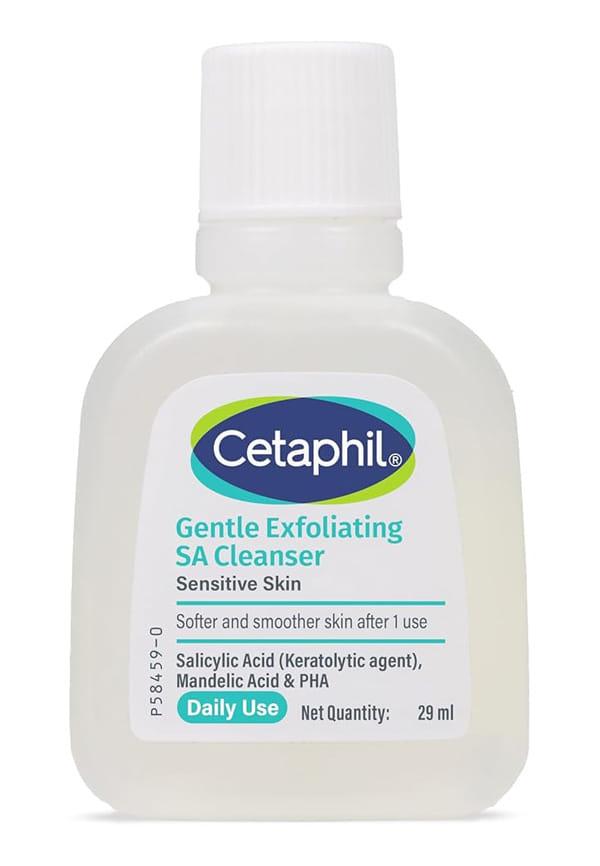 29 ml
29 mlGentle Daily Exfoliating Cleanser With Salicylic Acid For Oily Acne Prone Skin
Let's be real—dealing with oily, acne-prone skin can feel like a never-ending battle. One day your skin looks clear, the next you're dealing with new breakouts and that dreaded midday shine. If you've been searching for a game-changing ingredient that actually works, salicylic acid might just become your new skincare hero. This powerhouse ingredient has been transforming oily skin routines for years, and once you understand how to use it properly, you'll wonder why you waited so long to try it. Ready to discover how a well-crafted salicylic acid for oily acne-prone skin routine can finally give you the clear, balanced complexion you've been dreaming of?
Salicylic acid isn't just another trendy skincare ingredient—it's a scientifically proven solution that works differently from other treatments. Unlike water-based ingredients that sit on your skin's surface, this oil-soluble beta hydroxy acid (BHA) can actually penetrate deep into your pores where the real action happens.
What makes salicylic acid so effective for oily skin is its unique ability to dissolve the bonds between dead skin cells. Think of it as a gentle but thorough deep-clean for your pores. It works by breaking down the keratin protein that holds dead skin cells together, allowing them to shed naturally instead of clogging your pores.
The anti-inflammatory properties are equally impressive. Salicylic acid helps calm existing blemishes while preventing new ones from forming. It also regulates sebum production over time, which means less of that unwanted shine and fewer clogged pores to deal with.
Many people with oily skin make the mistake of thinking they need to strip their skin completely dry. This approach often backfires, causing your skin to produce even more oil to compensate. Harsh scrubbing and alcohol-based products might give you that squeaky-clean feeling, but they're actually damaging your skin barrier and making your acne worse in the long run.
Creating an effective routine isn't about using the strongest products possible—it's about finding the right balance that works for your skin. A proper salicylic acid routine should cleanse, treat, and protect without causing irritation or over-drying.
Start your day with a gentle cleanser that won't strip your skin. Look for the best cleanser for oily skin that contains a low concentration of salicylic acid (around 0.5-1%). This gives you the pore-cleansing benefits without overwhelming your skin first thing in the morning.
Follow with a lightweight, oil-free moisturizer that won't clog your pores. Yes, even oily skin needs moisture! Skipping this step will only make your skin produce more oil. Finish with a broad-spectrum SPF—this step is non-negotiable when using any exfoliating acids for acne.
Your evening routine is where the real transformation happens. Start with a thorough cleanse using pore cleansing products that contain salicylic acid. If you wear makeup or sunscreen, consider double cleansing to ensure everything is properly removed.
Apply your salicylic acid treatment product next. Whether it's a serum, toner, or leave-on treatment, give it time to absorb before layering other products. Follow with a nourishing moisturizer to support your skin barrier overnight.
Once or twice a week, incorporate a salicylic acid mask or higher-concentration treatment. These intensive sessions help tackle stubborn blackheads and give your routine an extra boost. Just remember—more isn't always better, especially when you're starting out.
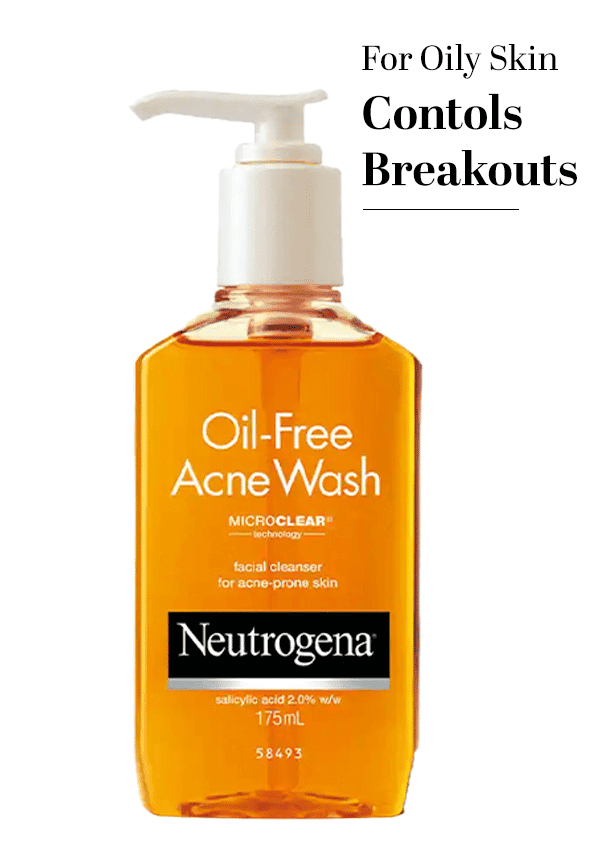 175 ml
Oil Free Acne Wash For Acne Prone Skin With Salicylic Acid
Not all salicylic acid products are created equal, and choosing the right concentration and format can make or break your results. Understanding your skin's needs and sensitivity level is crucial for building an effective routine.
If you're new to salicylic acid, start with 0.5-1% concentrations. This gives your skin time to adjust without causing irritation. Most people find that 2% salicylic acid hits the sweet spot for effective acne skincare routine results without excessive dryness.
For stubborn acne or if you've been using salicylic acid for a while, you might benefit from higher concentrations or professional treatments. However, always introduce new strengths gradually and monitor how your skin responds.
Cleansers are perfect for daily use and provide gentle, consistent treatment. Serums and leave-on treatments offer more targeted action and higher concentrations. Toners can be great for all-over application, while spot treatments let you focus on specific problem areas.
When choosing products, look for non-comedogenic skincare formulations that won't add to your pore-clogging concerns. The best products for oily skin often have gel or lightweight lotion textures that absorb quickly without leaving residue.
Your blemish control skincare arsenal should include a gentle daily cleanser, a treatment product with salicylic acid, a lightweight moisturizer, and reliable sun protection. Each product should complement the others without causing ingredient conflicts or over-treatment.
Knowing how to properly apply salicylic acid can dramatically improve your results while minimizing potential irritation. The key is starting slowly and building up your skin's tolerance over time.
Always patch test new products before applying them to your entire face. Start by using salicylic acid just 2-3 times per week, gradually increasing frequency as your skin adjusts. Begin with lower concentrations and work your way up only if needed.
Watch for signs of over-exfoliation like excessive dryness, redness, or increased sensitivity. If you experience these symptoms, scale back your usage and focus on barrier repair with gentle, hydrating products.
Once your skin is accustomed to salicylic acid, you can explore layering with other beneficial ingredients. Hyaluronic acid works beautifully with salicylic acid to maintain hydration. Niacinamide can help control oil production and minimize the appearance of pores.
Consider adjusting your routine seasonally—you might need more hydrating products in winter and lighter formulations in summer. Pay attention to how your skin responds to environmental changes and modify accordingly.
Don't rush the process by using multiple exfoliating acids for acne at once. Give each product time to work before adding new actives. Always wait for one product to fully absorb before applying the next, and never skip moisturizer thinking it will make your skin less oily.
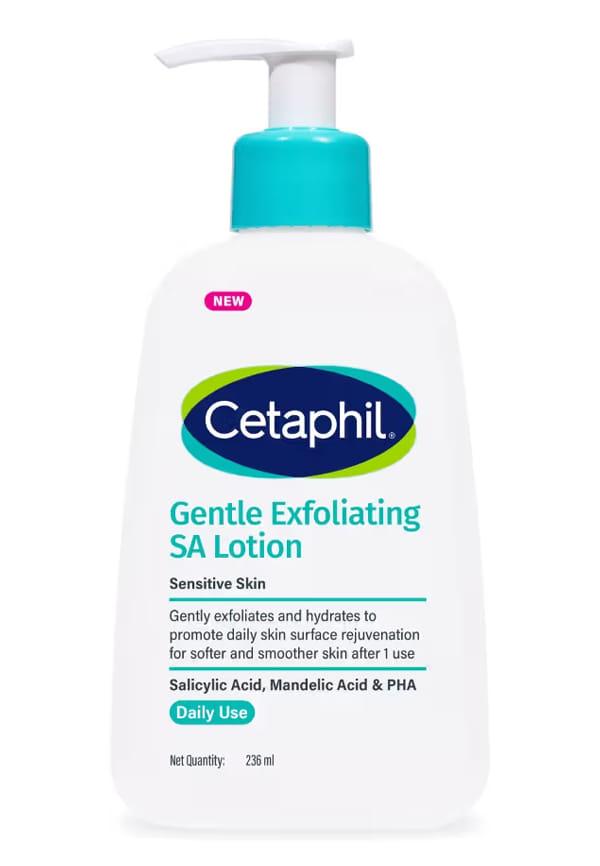 236 ml
Gentle Daily Exfoliating Lotion With Salicylic Acid For Oily Acne Prone Skin
The right supporting ingredients can enhance salicylic acid's effectiveness while keeping your skin balanced and healthy. Understanding which combinations work well together—and which to avoid—is crucial for oily skin treatment success.
Hyaluronic acid is your best friend when using salicylic acid. It provides essential hydration without adding oil or weight to your skin. Niacinamide helps regulate sebum production and can reduce the appearance of enlarged pores—a perfect partner for salicylic acid.
Retinoids can work well with salicylic acid when introduced carefully. Use them on alternating nights initially, and always prioritize sun protection when using this combination. Vitamin C in the morning provides antioxidant protection and can help with post-acne marks.
Benzoyl peroxide and salicylic acid can be used together, but timing is everything. Use them at different times of day or on alternating days to prevent irritation. Clay masks once or twice a week can provide additional oil control and pore cleansing benefits.
Zinc-based treatments work well for spot-treating active breakouts, while botanical ingredients like tea tree oil or green tea can provide additional anti-inflammatory benefits without conflicting with salicylic acid.
Avoid alcohol-based products that can over-dry your skin and trigger increased oil production. Physical scrubs are unnecessary when you're using chemical exfoliation and can cause micro-tears in your skin. Be cautious with fragranced products, as they can increase sensitivity when combined with active ingredients.
Even the best-planned skincare for acne routine might need adjustments along the way. Understanding how to identify and address common issues will help you maintain clear, healthy skin long-term.
When you first start using salicylic acid, you might experience a temporary increase in breakouts—this is called purging. It happens because the ingredient is bringing existing clogs to the surface faster than usual. This process typically lasts 4-6 weeks and is actually a sign that the product is working.
True purging occurs in areas where you normally break out and consists of whiteheads and blackheads coming to the surface. If you're getting breakouts in new areas or experiencing cystic acne, this might be irritation rather than purging, and you should adjust your routine.
If you're not seeing improvement after 8-12 weeks of consistent use, it might be time to evaluate other factors. Hormonal fluctuations, stress, diet, and even your pillowcase can impact your skin's clarity. Consider keeping a skin diary to identify potential triggers.
Sometimes rotating between different salicylic acid products or concentrations can help prevent your skin from becoming too accustomed to one formulation. This doesn't mean constantly switching products, but rather making strategic adjustments every few months.
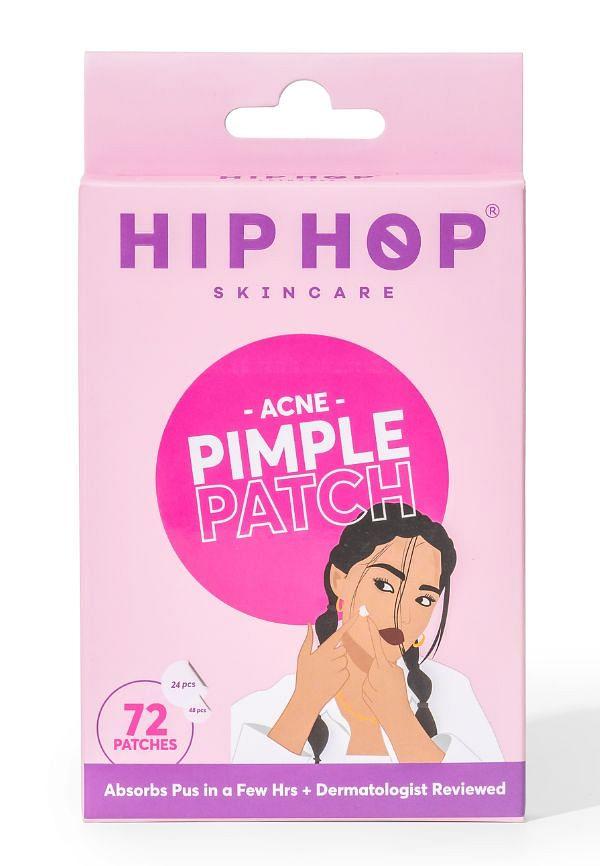 72 Patches
Acne Patch with Hydrocolloid & Salicylic Acid
If your skin feels tight, looks red, or becomes flaky, you're likely overdoing it. Scale back to using salicylic acid every other day or reduce the concentration. Focus on barrier repair with gentle, hydrating products until your skin recovers.
Remember that consistency beats intensity every time. It's better to use a lower concentration regularly than to use a high concentration sporadically and deal with irritation.
Finding the perfect salicylic acid routine for your oily, acne-prone skin doesn't have to involve expensive trial and error. With Smytten's curated trial packs, you can explore different salicylic acid products from trusted brands like Cetaphil and Dot & Key without committing to full-size purchases. This approach lets you test various concentrations and formulations to discover what works best for your unique skin needs, making your skincare journey both affordable and effective.
Start with 2-3 times per week and gradually increase to daily use as your skin adjusts. Some people can tolerate twice-daily application, while others do best with once-daily or every-other-day use. Listen to your skin and adjust accordingly.
Yes, but introduce combinations slowly. Salicylic acid works well with niacinamide and hyaluronic acid. When combining with retinoids or benzoyl peroxide, use them at different times or on alternating days to prevent irritation.
Salicylic acid can increase photosensitivity, so daily SPF is essential. Choose a broad-spectrum sunscreen with at least SPF 30 and reapply throughout the day, especially if you're spending time outdoors.
Most people notice initial improvements in skin texture within 2-4 weeks. Significant acne improvement typically takes 6-12 weeks of consistent use. Remember that purging might occur in the first month, so patience is key.
Salicylic acid is oil-soluble, so it can penetrate pores more effectively than water-soluble ingredients. Unlike benzoyl peroxide, which kills bacteria, salicylic acid focuses on exfoliation and pore-clearing. It's generally gentler than glycolic acid but still highly effective.
If you're experiencing true purging (increased breakouts in your usual problem areas), continue with the routine but consider reducing frequency. If you're getting new types of breakouts or severe irritation, discontinue use and consult a dermatologist.
Transforming oily, acne-prone skin with salicylic acid isn't about finding a miracle cure—it's about building a consistent, well-balanced routine that works with your skin rather than against it. The key is starting slowly, choosing the right products for your skin type, and being patient with the process.
Remember that everyone's skin is different, and what works for others might need tweaking for you. The most important thing is consistency and listening to your skin's needs. With the right approach, salicylic acid can become your most trusted ally in achieving the clear, balanced complexion you've been working towards.
Whether you're just starting your skincare journey or looking to upgrade your current routine, exploring different salicylic acid formulations through trial sizes can help you find your perfect match without the commitment of full-size products. After all, why settle for maybe when you can discover what actually works for your unique skin?
