How to Tell If Your Skincare Routine Works for Indian Skin


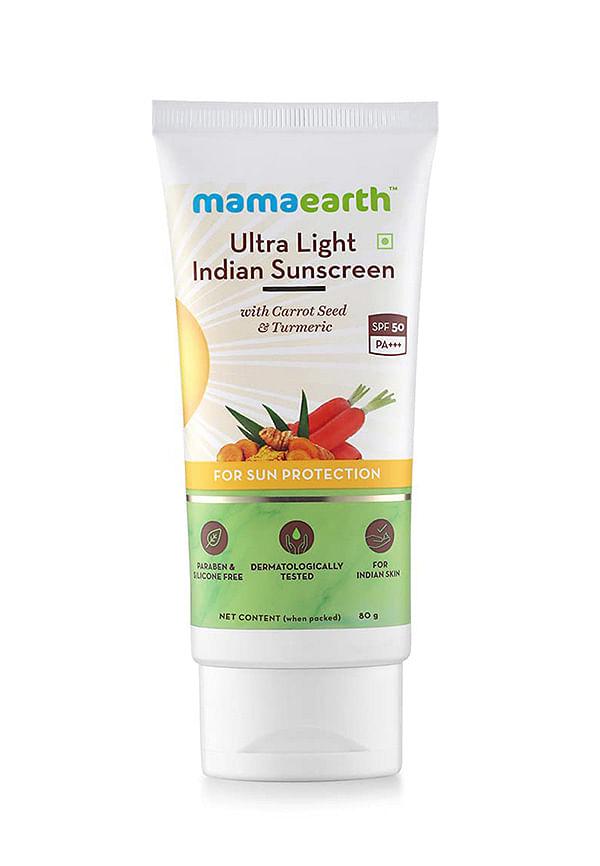
Ultra Light indian Sunscreen
You've been following your skincare routine religiously for months, but staring at your reflection this morning, you're wondering: is this actually working? If you're dealing with stubborn dark spots, unexpected breakouts, or that persistent dullness that seems immune to every serum you've tried, you're not alone. Indian skin has its own unique needs, and what works for influencers in cooler climates might not translate to our humid, polluted environment. Real talk - figuring out whether your routine is genuinely helping or just keeping you busy can be tricky, especially when every product promises results in 'just weeks.'
Indian skin comes with its own rulebook, and it's time we acknowledged that. Our higher melanin content means we're naturally more prone to post-inflammatory hyperpigmentation - those dark marks that linger long after a pimple has healed. The combination of intense UV exposure, high humidity levels, and urban pollution creates a perfect storm for clogged pores and uneven skin tone.
What's particularly frustrating is how most skincare advice online assumes a temperate climate and different skin behaviour patterns. Your skin might produce more oil in the T-zone whilst remaining dry around the cheeks, especially if you're constantly moving between air-conditioned spaces and the sweltering outdoors. This means that skincare routine for Indian skin needs to address multiple concerns simultaneously - oil control, hydration, and protection from environmental stressors.
The monsoon season adds another layer of complexity. Increased humidity can trigger fungal acne, whilst the lack of direct sunlight might make you skip SPF (spoiler alert: don't). Understanding these unique challenges is the first step in evaluating whether your current routine is actually addressing your skin's real needs.
Recognising progress isn't always about dramatic before-and-after photos. Sometimes, the most telling signs your skincare is working are subtle shifts that happen gradually. Here's what genuine improvement looks like on Indian skin.
This is often the most noticeable change, especially if you've been dealing with acne marks or sun damage. You'll start seeing those stubborn dark spots becoming lighter, and your overall complexion will look more uniform. The key is consistency - hyperpigmentation takes time to fade, but when it does, it's unmistakable.
Your T-zone should feel comfortable by mid-afternoon, not like an oil slick or uncomfortably tight. If you're finding that your makeup stays put longer and you're not reaching for blotting papers every few hours, your routine is likely working well for your skin's natural oil production patterns.
New pimples should be appearing less frequently, and when they do show up, they should resolve within a week to ten days. More importantly, they shouldn't be leaving behind dark marks that take months to fade. This indicates that your routine is supporting your skin's natural healing process.
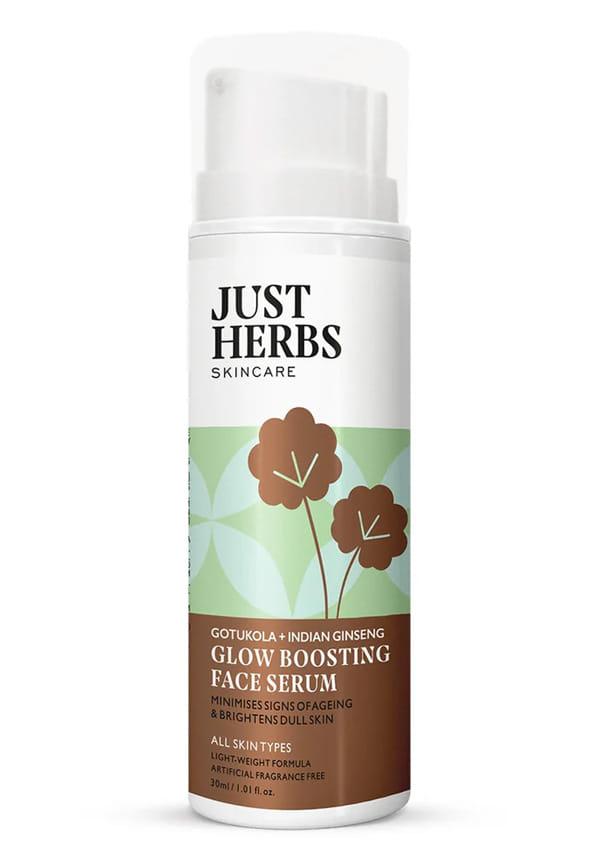
Gotukola Indian Ginseng Rejuvinating Beauty Elixir
Your skin should feel smoother to the touch, with less noticeable pores and a natural luminosity that doesn't require highlighter. This glow comes from healthy skin cell turnover and proper hydration - both signs of an effective skincare routine.
Living in Indian cities means constant exposure to pollution, dust, and varying humidity levels. When your skincare routine is working, your skin becomes more resilient to these daily challenges. You'll notice less irritation, fewer random breakouts after particularly polluted days, and better overall comfort.
Patience is crucial when evaluating skincare effectiveness, but having realistic expectations helps you stay motivated. During the first two weeks, your skin is adjusting to new products. You might experience some purging, especially if you've introduced salicylic acid or retinoids. This is normal and often indicates that the products are working to clear out congestion.
By weeks three to four, you should notice improvements in skin texture and comfort. Your skin might feel softer, and any initial irritation should have settled. This is when many people start seeing the first real signs that their routine is working.
The two to three-month mark is when visible changes in tone and breakout frequency become apparent. This aligns with the skin's natural cell turnover cycle, which takes about 28 days but can be longer for mature skin or in cases of significant damage.
For hyperpigmentation and deeper skin concerns, expect to wait three to six months for significant improvement. Indian skin's tendency to develop dark spots means that fading them takes patience and consistency. Factors like age, the severity of your skin concerns, and how consistently you follow your routine all affect this timeline.
Sometimes, what we think is 'skin getting worse before it gets better' is actually a sign that something in our routine isn't right. Here's when you should consider making changes.
If you're seeing increased breakouts, new areas of pigmentation, or constant irritation after two months of consistent use, your routine likely isn't suitable for your skin. This is especially true if these issues are appearing in areas where you didn't have problems before.
If your skin looks and feels exactly the same after three months of dedicated routine following, it's time to reassess. Your products might be too gentle for your concerns, or you might need to introduce more targeted active ingredients.
Gotukola Indian Ginseng Rejuvinating Beauty Elixir Facial Serum
Skincare should make your skin feel better, not worse. If you're constantly dealing with stinging, burning, or unusual sensitivity, your routine is likely too harsh or contains ingredients that don't agree with your skin.
Understanding which ingredients work best for common Indian skin concerns helps you evaluate whether your routine is comprehensive enough. For tackling hyperpigmentation, look for products containing vitamin C, niacinamide, or alpha arbutin. These ingredients work to inhibit melanin production and promote even skin tone.
For acne-prone skin, salicylic acid and benzoyl peroxide are proven performers, whilst tea tree oil offers a gentler alternative. If texture is your main concern, retinoids and AHA/BHA combinations help promote cell turnover and smooth rough patches.
Hydration is crucial in our climate, so ingredients like hyaluronic acid, ceramides, and glycerin should feature in your routine. These help maintain the skin barrier whilst providing moisture without heaviness.
Introduce one active ingredient at a time, giving each at least 4-6 weeks to show results. This methodical approach helps you identify which ingredients are actually making a difference and which might be causing issues.
Objective evaluation requires more than just looking in the mirror each morning. Taking photos in consistent lighting conditions - preferably natural light - helps you track subtle changes that might not be obvious day-to-day. Take these photos weekly, from the same angles, and compare them monthly.
Keep a simple skincare diary noting any changes in your skin, new products introduced, and external factors like stress levels, menstrual cycle, or significant weather changes. This helps you identify patterns and understand what's truly affecting your skin.
Pay attention to how your skin feels throughout different times of the month. Hormonal fluctuations can significantly impact skin behaviour, and a good routine should help minimise these variations rather than exacerbate them.

Acne Check Face Wash for Acne-Prone & Oily Skin
For Indian skin, expect to see initial improvements in texture and comfort within 3-4 weeks, with more significant changes in tone and breakout frequency appearing after 2-3 months. Hyperpigmentation typically takes 3-6 months to show noticeable fading, as melanin-rich skin requires more time for cell turnover and pigment reduction.
Skin can adapt to products over time, reducing their effectiveness. Seasonal changes, hormonal shifts, increased stress, or environmental factors like pollution levels can also impact how your skin responds to your routine. Sometimes, your skin's needs simply evolve, requiring adjustments to your product selection.
No, systematic evaluation is key. Remove or replace one product at a time, giving your skin 4-6 weeks to adjust. This approach helps you identify which specific product was causing issues without disrupting products that are working well for your skin.
Purging typically occurs in areas where you usually break out and should improve within 4-6 weeks. If you're seeing breakouts in new areas, increased irritation, or worsening after 8 weeks, it's likely an adverse reaction rather than normal purging.
Diet, stress levels, and lifestyle factors significantly impact skin health. Spicy foods, dairy, and high-glycemic foods can trigger breakouts in some people. Additionally, inadequate sleep, high stress, and inconsistent water intake can reduce the effectiveness of even the best skincare routine.
Evaluating skincare effectiveness isn't about expecting overnight miracles - it's about recognising gradual, sustainable improvements that work with your skin's natural processes. Indian skin has unique needs that require patience and understanding, but when you find the right combination of products and ingredients, the results are worth the wait.
Remember that skincare is deeply personal. What works brilliantly for your friend might not suit your skin type or concerns. Trust your skin's responses, document your journey, and don't be afraid to make adjustments when needed. The goal is healthy, comfortable skin that you feel confident in, not perfect skin that exists only in filtered photos.
If you're curious about trying new products but hesitant to commit to full sizes, Smytten's curated selection lets you explore minis from trusted brands before making larger investments. With over 28 million users discovering products through trial sizes, it's a smart way to test what works for your unique skin needs. After all, finding the right routine is a journey of discovery, and every skin deserves products that truly work.
