How to Target Uneven Hyperpigmentation on Cheeks: Causes & Routine


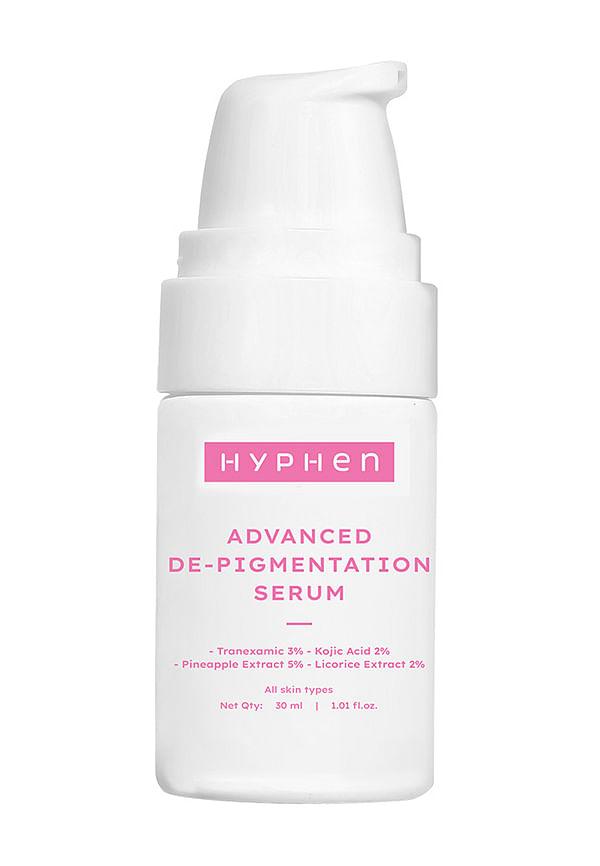 30 ml
30 mlAdvanced De-Pigmentation Serum For Hyperpigmentation, Melasma, Dark Spots & Scars
Those stubborn dark patches on your cheeks can feel like they've taken up permanent residence on your face. Whether it's from that summer holiday where you forgot sunscreen or hormonal changes that seem to have a mind of their own, uneven hyperpigmentation on cheeks causes more frustration than almost any other skincare concern. The good news? Understanding what's behind your specific type of cheek discoloration is the first step towards building a targeted routine that actually works. Let's dive into the science behind why your cheeks are acting up and how to create a game plan that gets results.
Your cheeks aren't just another part of your face when it comes to pigmentation issues. They're actually prime real estate for dark spots and uneven skin tone, thanks to some pretty specific factors that make them more vulnerable than other areas.
Cheek hyperpigmentation often shows up in distinct patterns that can tell you a lot about what's causing it. You might notice bilateral presentation, where both cheeks develop similar dark spots in mirror-image patterns—this is classic melasma territory. Unilateral cases, affecting just one cheek, often point to external factors like sun damage from driving or sleeping on one side consistently.
The anatomy of your cheeks makes them sitting ducks for pigmentation problems. The skin here is thinner than other areas, sits over prominent bone structure that catches more light, and has a higher concentration of hormonal receptors. Plus, your cheeks get hit with UV rays from multiple angles throughout the day—direct sunlight, reflection from windows, even bounced light from pavements.
Getting to the bottom of what's causing your cheek discoloration is crucial for picking the right hyperpigmentation treatment. Different triggers need different approaches, so let's break down the main culprits.
UV damage is the biggest player in the hyperpigmentation game. Your cheeks catch sun from every angle—whether you're walking down the street, sitting by a window, or even driving. That cumulative exposure builds up over years, creating those scattered dark spots that seem to appear out of nowhere. Even winter sun and reflected light from snow or water can trigger melanin production in sensitive areas.
Hormones are sneaky little troublemakers when it comes to skin discoloration treatment. Pregnancy, birth control pills, and hormone replacement therapy can all trigger melasma—those symmetrical brown patches that love to set up camp on your cheeks. Even thyroid issues can mess with your skin's pigment production, creating uneven patches that seem to have no rhyme or reason.
Remember that massive spot you had last month? Your skin certainly does. Post-inflammatory hyperpigmentation happens when your skin overproduces melanin in response to trauma—whether that's acne, aggressive scrubbing, or even harsh skincare products. The cheek area is particularly prone to this because it's where we often get hormonal breakouts and where we tend to be a bit too enthusiastic with our skincare routines.
Your genes play a massive role in how your skin handles pigmentation. If your mum or grandmother dealt with dark spots on their cheeks, chances are you're genetically wired to develop them too. Certain skin types, particularly those with more melanin, are more prone to hyperpigmentation but also tend to see more dramatic results from targeted treatments.
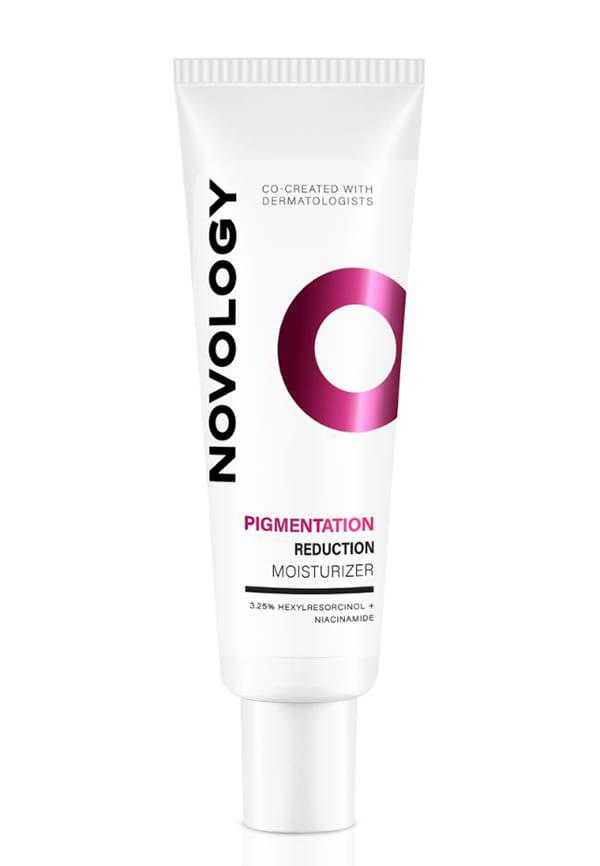 50 g
50 gPigmentation Moisturiser, Face Cream for Hyperpigmentation & Dark Spots
Not all dark spots are created equal, and figuring out exactly what type of pigmentation you're dealing with will help you choose the most effective skin brightening routine.
Take a good look at your spots in natural light. Brown patches usually indicate sun damage or melasma, whilst grey undertones often suggest deeper pigmentation that might be trickier to treat. Red or pink discoloration could be redness on cheeks from inflammation rather than true hyperpigmentation. The size, shape, and symmetry of your spots all provide clues about their origin.
Sometimes you need the pros to weigh in. A dermatologist can use tools like Wood's lamp examination to see pigmentation that's not visible to the naked eye, or dermoscopy to get a closer look at the structure of your spots. This is especially important if you're dealing with stubborn pigmentation that hasn't responded to over-the-counter treatments.
Document your journey with consistent photos taken in the same lighting conditions. Many people notice their pigmentation looks worse in winter and better in summer, or vice versa. Tracking these patterns helps you understand your skin's behaviour and adjust your routine accordingly.
Now for the good stuff—creating a routine that actually tackles your specific pigmentation concerns. The key is consistency and patience, because pigmentation correction is a marathon, not a sprint.
Your morning routine is all about protection and prevention. Start with a gentle cleanser that won't irritate your skin, follow with a vitamin C serum for antioxidant protection, and finish with broad-spectrum SPF 50+ sunscreen. Reapply that sunscreen every two hours if you're spending time outdoors—this step alone can prevent 90% of new pigmentation from forming.
Evenings are when the real work happens. After cleansing, apply your active ingredients in order of thinnest to thickest consistency. If you're using multiple actives, alternate nights to avoid irritation. Hydroquinone, kojic acid, or vitamin C serums should go on first, followed by retinoids if your skin can handle them, then a nourishing moisturiser to keep your skin barrier happy.
Once or twice a week, incorporate more intensive treatments like chemical exfoliants or brightening masks. These help speed up cell turnover and allow your daily actives to penetrate more effectively. Just remember—more isn't always better, and over-exfoliating can actually make pigmentation worse by causing inflammation.
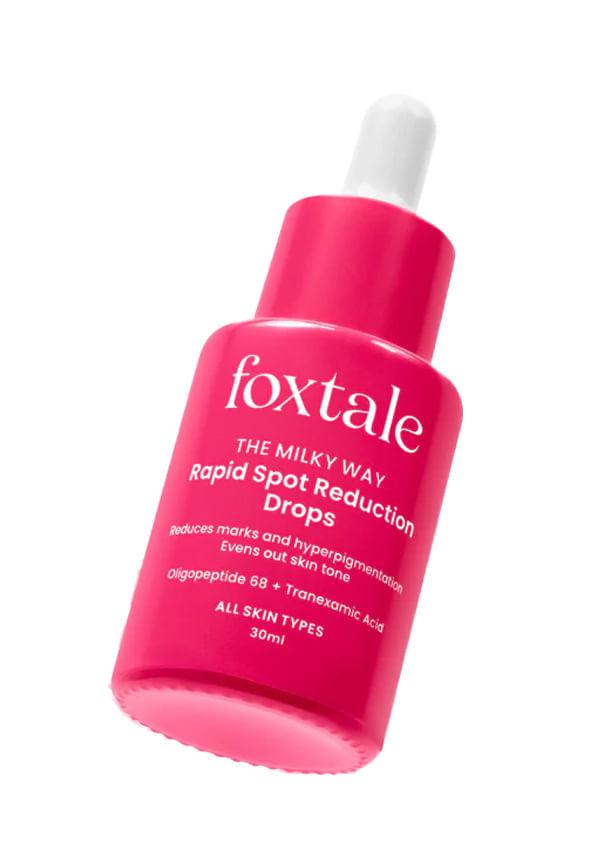 30 ml
30 ml3% Tranexamic Acid & Peptide Serum for Hyperpigmentation, Reduces Marks
Let's talk about what actually works when it comes to fading those stubborn spots. The skincare world is full of miracle promises, but these ingredients have the research to back up their claims.
Hydroquinone remains the gold standard for pigmentation treatment, typically used in 2% concentrations for home use. Kojic acid offers a gentler alternative with similar brightening effects. Vitamin C works as both a treatment and preventative measure, whilst niacinamide helps calm inflammation that can worsen pigmentation. Retinoids speed up cell turnover, helping pigmented cells shed faster whilst preventing new spots from forming.
Sometimes you need to bring in the big guns. Chemical peels can dramatically improve uneven skin tone by removing damaged surface layers. Laser treatments like IPL target specific pigments without damaging surrounding skin. Microneedling combined with brightening serums can help active ingredients penetrate deeper. Many dermatologists recommend combination approaches for stubborn cases.
Whilst natural ingredients like liquorice root extract, arbutin, and azelaic acid can be effective, they typically work more slowly than their synthetic counterparts. The key is managing expectations—natural doesn't always mean gentle, and results take longer to appear.
When basic routines aren't cutting it, it's time to level up your approach. Stubborn pigmentation often requires a more sophisticated strategy that combines multiple treatment modalities.
Layering compatible active ingredients can boost results without increasing irritation. For example, using vitamin C in the morning and retinol at night, or alternating between hydroquinone and kojic acid. Professional treatments combined with consistent home care often yield the best results for resistant pigmentation.
Some pigmentation is just stubborn. If you've been consistent with a good routine for three months without seeing improvement, it might be time to reassess. Consider whether hormonal factors are at play, if you're getting enough sun protection, or whether you need professional intervention.
The frustrating truth about hyperpigmentation is that it loves to come back. Long-term success requires ongoing maintenance with gentler versions of your treatment routine, religious sun protection, and addressing any underlying triggers like hormonal imbalances.
Ready to put all this knowledge into action? Here's how to create a routine that works for your specific skin and lifestyle. Remember, the best routine is one you'll actually stick to consistently.
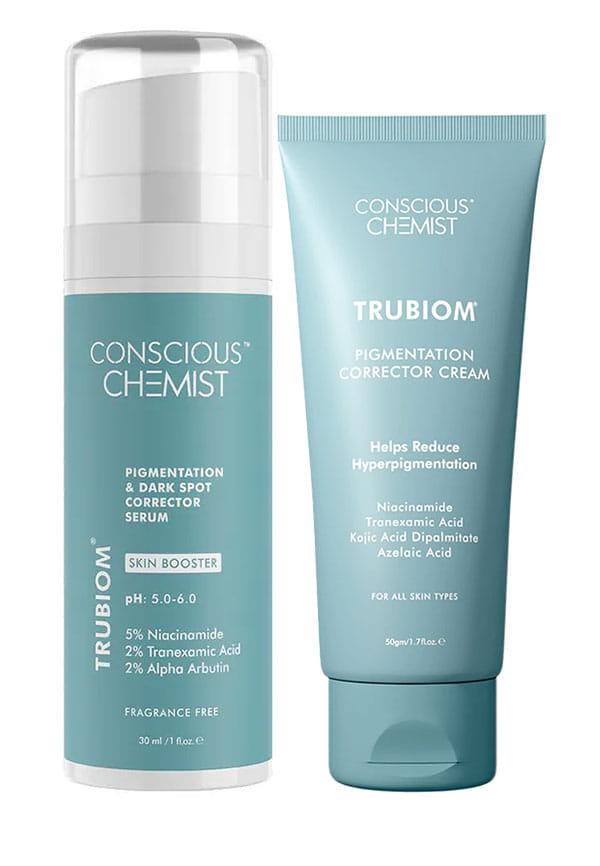 Combo
ComboNiacinamide Serum + 1% Zinc & Pigmentation Corrector Moisturiser For Dark Spots Combo
Take inventory of what you're already using. Are there any ingredients that might be causing irritation and making pigmentation worse? Are you missing key protective steps like sunscreen? Sometimes the solution isn't adding more products—it's optimising what you already have.
Start slowly and build up gradually. Weeks 1-4 focus on establishing a gentle routine and testing product tolerance. Weeks 5-8 introduce more active ingredients and increase frequency. Weeks 9-12 fine-tune your routine based on what's working and address any remaining concerns.
You don't need to break the bank to see results. Many effective ingredients are available in affordable formulations—the key is finding products that work for your skin type and concerns. This is where platforms like Smytten become invaluable, offering curated trial packs from over 1,500 trusted brands including Cetaphil, Dot & Key, and Renee. With trial minis available for just ₹249 and 100% cashback redeemable for future purchases, you can test different hyperpigmentation treatments without the financial commitment of full-size products.
Most people start seeing improvements after 6-8 weeks of consistent treatment, with significant results appearing after 3-6 months. Deeper pigmentation may take up to a year to fade completely. The key is patience and consistency—pigmentation didn't appear overnight, and it won't disappear overnight either.
Natural ingredients like vitamin C, liquorice root, and kojic acid can help fade pigmentation, but they typically work more slowly than clinical-strength treatments. Home remedies can be effective for mild pigmentation, but severe cases usually require professional intervention or stronger active ingredients.
Severe pigmentation often responds best to combination therapy—professional treatments like chemical peels or laser therapy combined with a consistent home routine using proven actives like hydroquinone or tretinoin. A dermatologist can help determine the most appropriate approach for your specific case.
Prevention is all about consistent sun protection, gentle skincare practices, and addressing underlying triggers. Use broad-spectrum sunscreen daily, avoid picking at spots, and maintain a gentle routine with proven brightening ingredients. If hormones are a trigger, work with your doctor to manage those factors.
Not necessarily. Many effective ingredients are available in budget-friendly formulations. The key is finding products with proven actives in effective concentrations. Professional treatments can be worth the investment for stubborn cases, but a consistent home routine with the right ingredients often delivers excellent results.
Tackling uneven hyperpigmentation on cheeks requires patience, consistency, and the right approach for your specific skin concerns. Understanding the causes behind your pigmentation helps you choose targeted treatments that actually work, rather than throwing products at the problem and hoping for the best. Whether you're dealing with sun damage, hormonal melasma, or post-inflammatory marks, there are proven strategies that can help restore your skin's natural radiance.
The journey to clearer, more even-toned skin doesn't have to be expensive or overwhelming. With Smytten's trial platform, you can explore different hyperpigmentation treatments from trusted brands without committing to full-size products. From gentle vitamin C serums to targeted brightening treatments, testing what works for your unique skin has never been more accessible. After all, why settle for guessing when you can try it all and find your perfect pigmentation-fighting routine?
