How to Tackle Teen Acne: Effective Treatment Guide

 430 ml
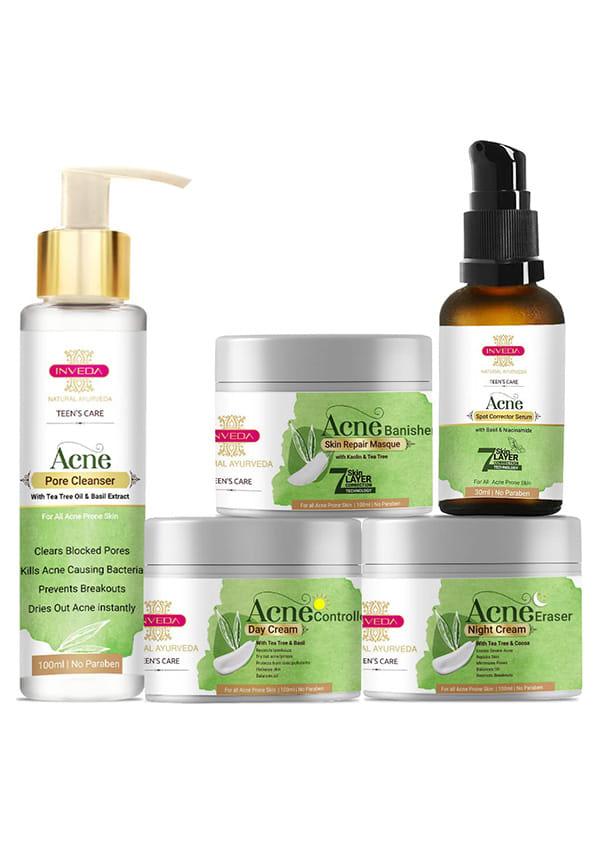
Advance Acne Treatment Kit For Teenagers | 5 Steps For Clear Skin
Let's be real—teen acne is basically a rite of passage that nobody asked for. If you're dealing with breakouts, you're definitely not alone. Around 85% of teenagers experience some form of acne, making it the most common skin condition during these years. The good news? There are proven acne treatment for teenagers options that actually work. Whether you're just starting to notice a few spots or dealing with more persistent breakouts, this guide covers everything from gentle daily routines to when it might be time to chat with a dermatologist. Let's dive into the real talk about clearing up your skin.
Teenage acne isn't just bad luck—there's actual science behind why your skin decides to act up during these years. Your body is going through major changes, and your skin is along for the ride.
During puberty, your hormones go a bit wild. Androgens like testosterone increase dramatically, which tells your oil glands to work overtime. This extra sebum production can clog your pores, creating the perfect environment for bacteria to thrive. The acne treatment for teenagers that works best targets these root causes rather than just treating surface symptoms.
Not all spots are created equal. You might notice blackheads and whiteheads (comedonal acne), red bumps and pus-filled spots (inflammatory acne), or in more severe cases, deep cystic breakouts. Understanding what type of teenage breakouts you're dealing with helps you choose the right approach.
Boys often experience more severe acne due to higher testosterone levels, whilst girls might notice their breakouts follow their menstrual cycle. Girls' acne often appears around the jawline and chin, especially during hormonal fluctuations. Both need tailored teen acne solutions that work with their specific patterns.
When it comes to best acne products for teens, ingredients matter more than fancy packaging. Let's break down what actually works and why.
Benzoyl peroxide is your bacteria-fighting friend. It kills acne-causing bacteria and helps reduce oil production. Start with 2.5% strength to avoid irritation. Salicylic acid works differently—it gets into your pores and helps clear out the gunk. It's perfect for blackheads and whiteheads. Adapalene (found in Differin) is a retinoid that prevents new breakouts from forming. These are the holy trinity of teen acne solutions available without a prescription.
When over-the-counter options aren't cutting it, dermatologists have stronger tools. Prescription retinoids like tretinoin work faster than adapalene. Topical antibiotics can tackle bacterial overgrowth, whilst oral antibiotics might be needed for widespread breakouts. For girls, hormonal treatments can address acne linked to menstrual cycles. These teen acne treatment options require professional guidance.
 30ml
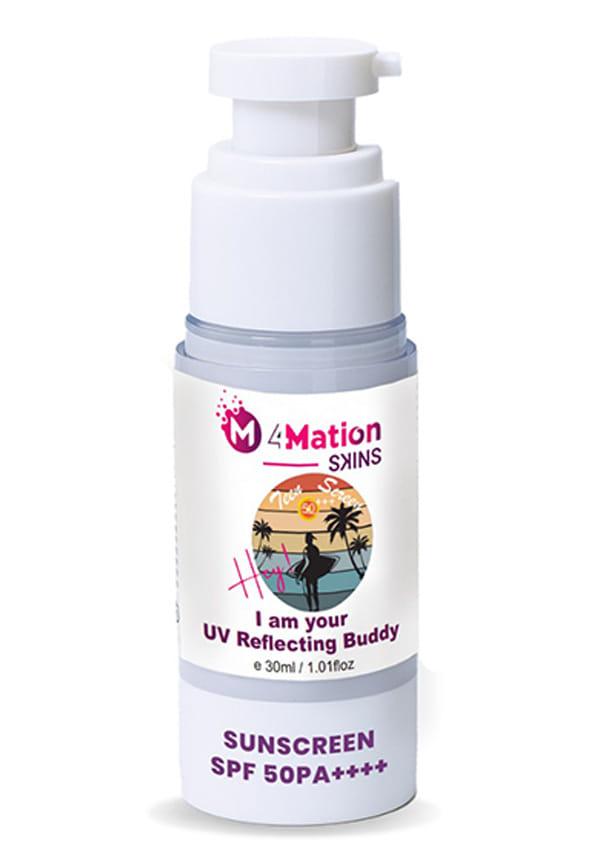
30mlTeenager Sunscreen
Sensitive skin needs gentler formulations—look for fragrance-free options with lower concentrations of active ingredients. Oily skin can handle stronger treatments, whilst combination skin might need different products for different areas. Budget-friendly options like CeraVe and Cetaphil work just as well as pricier alternatives for basic acne remedies for teens.
A solid teenage skincare routine doesn't need to be complicated. Consistency beats complexity every time.
Start with a gentle cleanser—nothing too harsh or scrubby. Apply your treatment product (like benzoyl peroxide or adapalene) to clean, dry skin. Follow with a lightweight, non-comedogenic moisturiser. Never skip sunscreen, especially if you're using acne treatments that make your skin more sensitive. This simple teenage skincare routine sets you up for success.
Evening is when your skin does its repair work. Cleanse away the day's oil and grime. If you're using multiple treatments, apply them in the right order—thinnest to thickest consistency. Some teens benefit from double cleansing if they wear makeup or sunscreen. This skincare for teenage acne approach maximises your products' effectiveness.
Once or twice a week, you might add gentle exfoliation or a clay mask. Spot treatments can target individual breakouts. Don't overdo it—your skin needs time to adjust to new products. These acne skincare tips for teens help maintain clear skin long-term.
Whilst proven treatments work best, some natural options can complement your routine. Just remember—natural doesn't always mean gentle or effective.
Tea tree oil has antimicrobial properties, but use it diluted to avoid irritation. Zinc supplements might help reduce inflammation—aim for 30-40mg daily with food. Green tea contains antioxidants that can soothe inflamed skin. These acne remedies for teens work best alongside, not instead of, proven treatments.
Honey has antibacterial properties and makes a gentle mask. Oatmeal can soothe irritated skin. However, avoid harsh DIY scrubs or lemon juice, which can damage your skin barrier. Some traditional remedies like turmeric can help, but patch test everything first. These natural teen acne solutions should complement, not replace, your main routine.
 36 dots
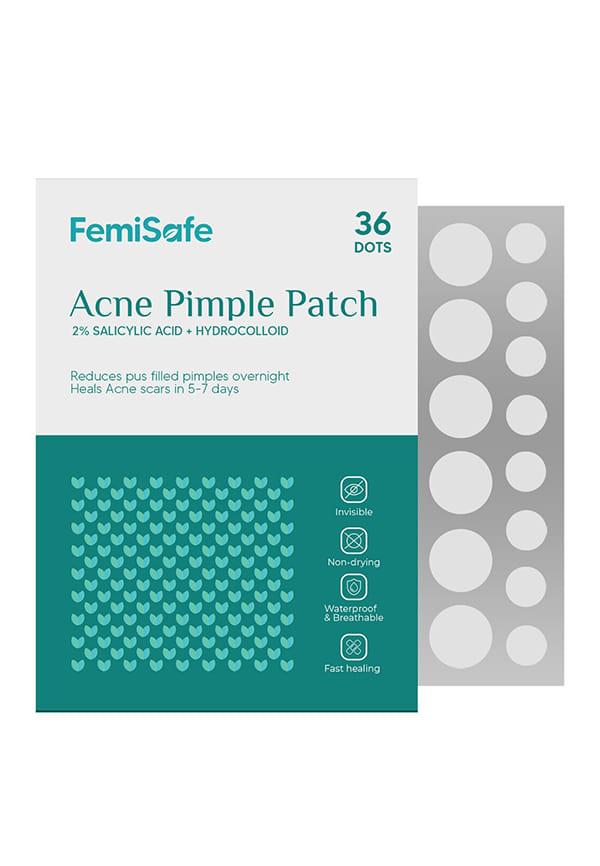
Acne Pimple Patch
Your diet might affect your skin—dairy and high-glycemic foods could worsen acne for some people. Getting enough sleep helps your skin repair itself. Managing stress through exercise or relaxation techniques can reduce hormonal fluctuations that trigger breakouts. These lifestyle changes support your acne treatment for teenagers efforts.
Prevention is always easier than treatment. Building good habits now sets you up for clearer skin in the future.
Wash your face twice daily with lukewarm water—hot water strips natural oils, causing more oil production. Keep your hair clean and off your face. Change your pillowcase weekly and clean your phone screen regularly. Don't touch your face throughout the day. These simple acne prevention for teenagers habits make a real difference.
Over-washing strips your skin's natural barrier, leading to more oil production. Picking at spots spreads bacteria and causes scarring. Using too many products at once can irritate your skin. Skipping moisturiser because you have oily skin actually makes things worse. Avoiding these mistakes is crucial for clearing teenage acne effectively.
Sports equipment and helmets can trap sweat and bacteria against your skin. Stress from school or social situations can trigger hormonal changes. Seasonal changes affect your skin too—winter heating can dry out your skin, whilst summer humidity increases oil production. Understanding these triggers helps you adjust your teen acne treatment options accordingly.
Sometimes DIY approaches aren't enough. Knowing when to seek professional help can prevent scarring and emotional distress.
Deep, painful cysts that don't come to a head need professional treatment. If you're developing scars or dark marks that don't fade, see a dermatologist. When acne affects your confidence or social life, professional teen acne treatment options can help faster than over-the-counter products.
Dermatologists can prescribe stronger retinoids, oral antibiotics, or hormonal treatments. In-office procedures like extractions or chemical peels might help. For severe cases, treatments like isotretinoin (Accutane) can provide long-term clearance. These professional acne treatment for teenagers options require careful monitoring.
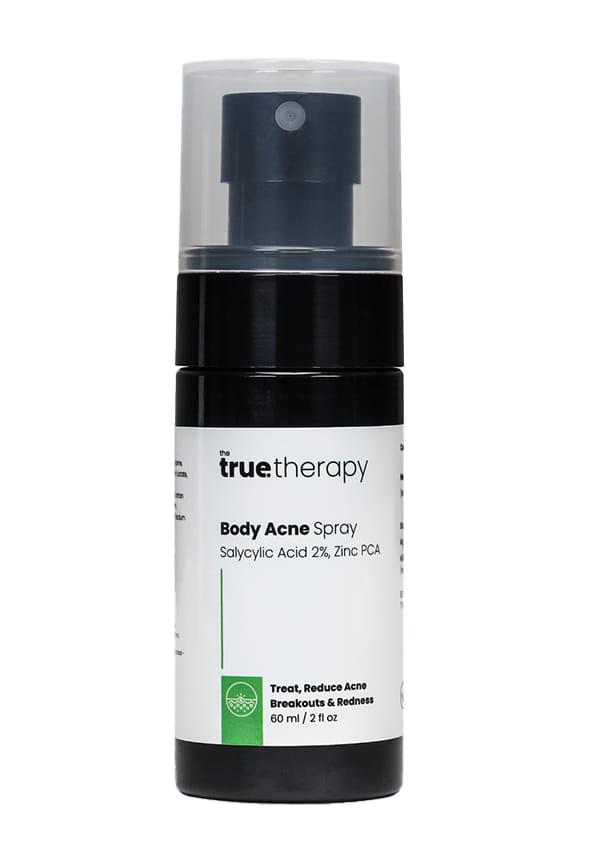 60 ml
60 mlBody Acne Spray
Most treatments take 6-12 weeks to show significant improvement. Your skin might get worse before it gets better—this is normal. Maintenance is key even after your skin clears. Managing side effects and staying patient with your skincare for teenage acne journey is essential for success. Smytten understands that finding the right acne products can feel overwhelming. With over 1,500 trusted brands including Cetaphil, Dot & Key, and other skincare favourites, you can try different acne remedies for teens through curated trial packs before committing to full-size purchases. Getting up to 8 minis for just ₹249 with 100% cashback makes it easier to discover what works for your unique skin without the financial stress.
The most effective approach combines gentle cleansing with proven active ingredients like benzoyl peroxide, salicylic acid, or adapalene. Consistency with a simple routine works better than using multiple harsh products.
Most treatments require 6-12 weeks of consistent use to show significant improvement. Full results typically become visible after 3-4 months of regular use.
Some natural ingredients like tea tree oil and zinc can help, but proven treatments like benzoyl peroxide and retinoids are typically more effective for moderate to severe acne.
Start with gentle over-the-counter products containing benzoyl peroxide or salicylic acid. If there's no improvement after 6-8 weeks, consult a dermatologist for stronger options.
Over-washing, using harsh scrubs, picking at spots, and skipping moisturiser can all worsen acne. Using too many products simultaneously can also irritate sensitive teenage skin.
Teenagers often have more sensitive skin and different hormonal patterns. Gentler formulations and lower concentrations of active ingredients are usually better starting points.
Tackling teen acne successfully comes down to understanding your skin, choosing the right products, and staying consistent with your routine. Remember that acne treatment for teenagers isn't one-size-fits-all—what works for your mate might not work for you. Start with gentle, proven ingredients and give them time to work. Don't be afraid to seek professional help if over-the-counter options aren't cutting it. The journey to clearer skin takes patience, but with the right approach and realistic expectations, you can achieve the results you're looking for. Your skin will thank you for treating it with care rather than harsh, aggressive products. Most importantly, remember that acne is temporary, but the healthy habits you build now will benefit your skin for years to come.
