How to Tackle Post-Inflammatory Erythema with Niacinamide

 30 ml
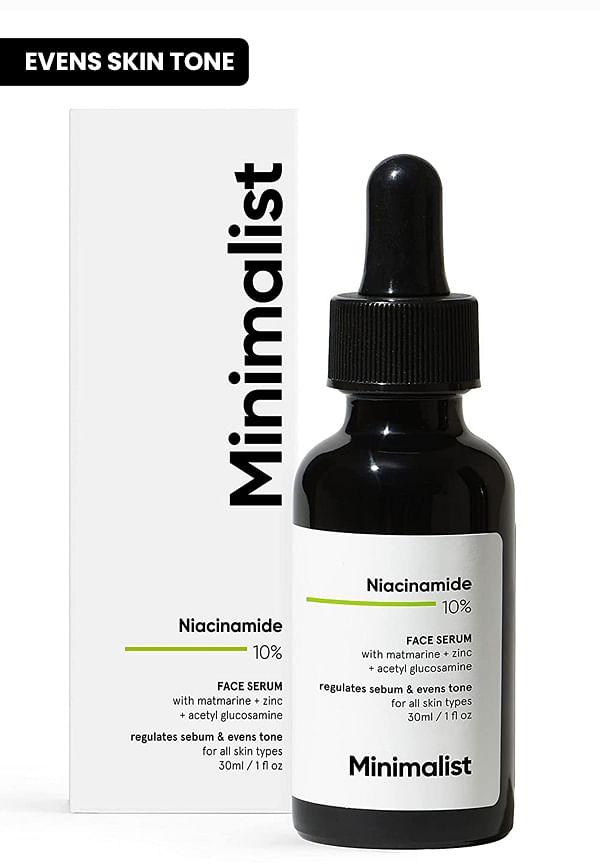
30 ml10% Niacinamide Face Serum for Acne Marks
Ever stared at those stubborn red marks left behind after a breakout and wondered why some fade whilst others seem to stick around forever? You're not alone in this skincare puzzle. The thing is, not all post-acne marks are created equal, and understanding whether you're dealing with post-inflammatory erythema or hyperpigmentation makes all the difference in how you tackle them. Here's where niacinamide steps in as your skin's best mate—but knowing when and how to use it properly is what separates the winners from the wishful thinkers.
Let's be real—those marks on your face might look similar, but they're actually two completely different beasts requiring different approaches. Getting this wrong is like trying to fix a leaky tap with a hammer—you'll end up frustrated and nowhere closer to a solution.
Post-inflammatory erythema shows up as those pink or red marks that seem to glow under certain lighting. These aren't just surface-level discolouration—they're actually caused by dilated blood vessels beneath your skin that got a bit too excited during the healing process. Think of them as your skin's way of saying "I'm still working on this bit, give me a moment."
Here's a neat trick to identify them: press a clear glass against the mark. If it disappears or fades significantly, you're looking at erythema. If it stays put, you're dealing with hyperpigmentation.
Post-inflammatory hyperpigmentation appears as brown, black, or sometimes purple-ish flat spots. These happen when your skin produces extra melanin as a protective response to inflammation. It's more common if you have darker skin tones, and unlike erythema, these marks won't budge when you do the glass test.
The treatment game changes completely depending on which type you're dealing with. Niacinamide for post-inflammatory erythema vs hyperpigmentation works differently for each condition, which is why understanding your specific situation matters so much.
Right, so why is everyone raving about niacinamide for redness? This clever little ingredient doesn't just slap a band-aid on the problem—it actually gets to work on multiple levels to sort out what's happening beneath the surface.
Niacinamide's anti-inflammatory properties help calm down those overactive blood vessels that are causing all the drama. It's like having a mediator step in during a heated argument—things just naturally start to settle down. Plus, it strengthens your skin barrier, which means your skin becomes better at healing itself without creating more inflammation in the process.
Clinical studies show that niacinamide benefits for skin include reducing redness by up to 35% after just 4 weeks of consistent use. The sweet spot for concentration sits between 2-5%—anything higher doesn't necessarily work better and might actually irritate sensitive skin.
 50g
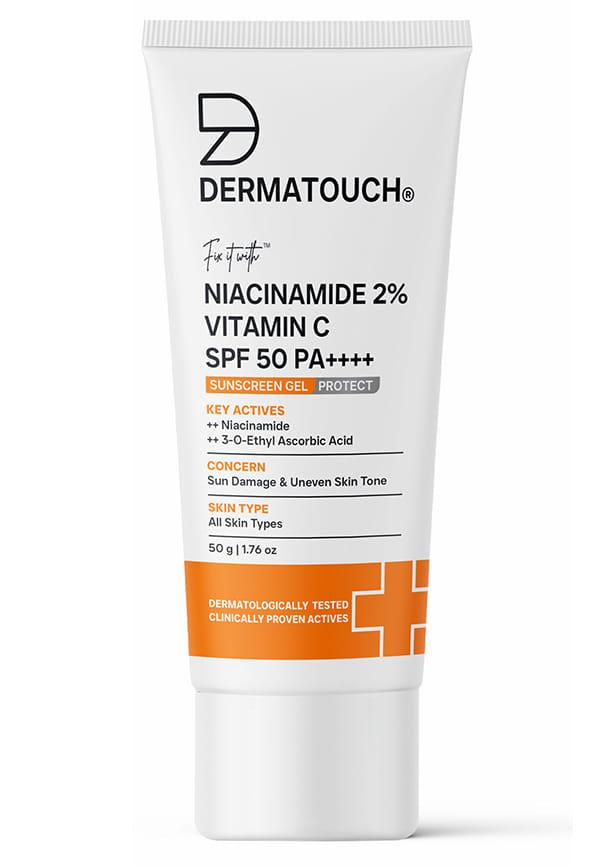
50gNiacinamide 2% Vitamin C Sunscreen for glowing skin, SPF 50+ PA ++++
What's brilliant about niacinamide is that it doesn't just tackle existing redness; it also helps prevent new inflammatory responses. So whilst it's working on fading those current red marks, it's also making your skin more resilient for the future.
Now, niacinamide isn't the only player in the skin discoloration remedies game, but it's definitely one of the gentler and more reliable options. Let's see how it stacks up against the competition.
Azelaic acid is another fantastic option for tackling redness after acne. It works similarly to niacinamide but can be a bit more potent—and potentially more irritating for sensitive skin types.
Vitamin C brings antioxidant power to the table and can help with both redness and prevention, though it's trickier to formulate and can be unstable in some products.
If you're dealing with stubborn marks that aren't responding to topical treatments, professional options like pulsed dye laser therapy or IPL can target those dilated blood vessels directly. These treatments are more intensive but can deliver faster results for persistent cases.
Getting the application right is where many people trip up. You could have the best niacinamide serum for face in the world, but if you're not using it properly, you're basically throwing money down the drain.
Start with a lower concentration (around 2-3%) and gradually work your way up if needed. Apply it after cleansing but before heavier creams or oils. The beauty of niacinamide is that it plays well with most other ingredients, making it easy to slot into your existing routine.
You can use niacinamide both morning and evening—it's not photosensitising like some other actives. In the morning, layer it under your SPF. In the evening, it works brilliantly under your moisturiser or facial oil.
One thing to watch out for: if you're using vitamin C in the same routine, apply niacinamide first and wait a few minutes before layering the vitamin C on top. This prevents any potential pH conflicts.
 30 ml
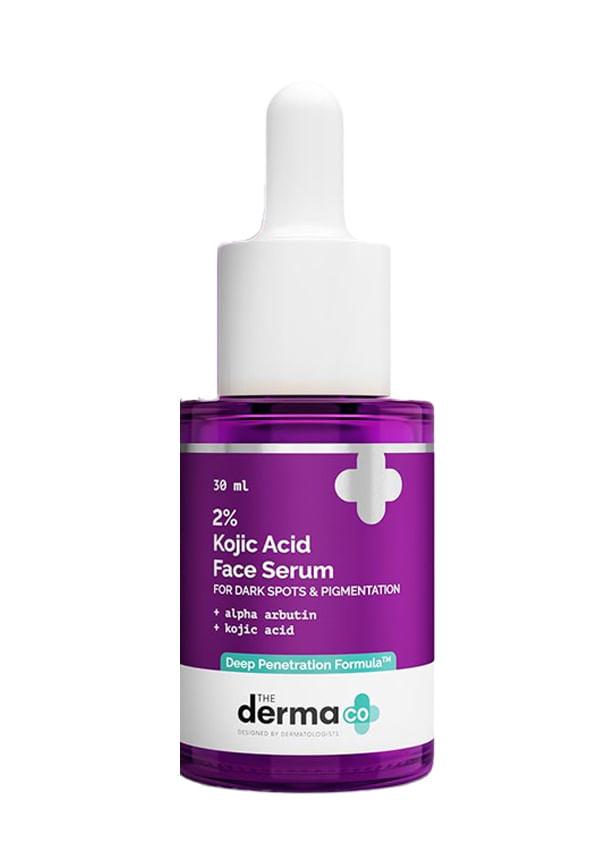
30 ml2% Kojic Acid Face Serum with 1% Alpha Arbutin & Niacinamide
Real talk—most of us don't have just one type of mark to deal with. If you're looking at a mix of red and brown spots, you'll need a strategy that addresses both. This is where niacinamide really shines because it's one of the best ingredients for post-inflammatory hyperpigmentation whilst also being brilliant for redness.
For a comprehensive approach to how to fade red marks on face alongside darker spots, consider pairing niacinamide with ingredients like vitamin C (for antioxidant protection), centella asiatica (for additional anti-inflammatory benefits), and gentle exfoliants like lactic acid.
Morning routine: gentle cleanser, niacinamide serum, vitamin C (optional), moisturiser, SPF 30+
Evening routine: gentle cleanser, niacinamide serum, treatment oils or heavier moisturiser
The key is consistency rather than complexity. It's better to use a simple routine religiously than to have a 12-step routine you only manage twice a week.
Here's your step-by-step game plan for tackling post-inflammatory erythema with niacinamide. Remember, skincare is a marathon, not a sprint—patience is your best friend here.
Week 1-2: Start with niacinamide every other day to let your skin adjust. Focus on gentle cleansing and consistent moisturising.
Week 3-4: Increase to daily use if your skin is tolerating it well. You might start noticing subtle improvements in overall skin texture and reduced daily redness.
Month 2-3: This is when the real magic happens. Existing red marks should start fading, and new breakouts should heal faster with less residual redness.
The best treatment for post-inflammatory erythema is prevention. Once you've got your current marks under control, focus on gentle skincare practices, consistent SPF use, and avoiding picking at spots (we know, easier said than done).
 30 ml
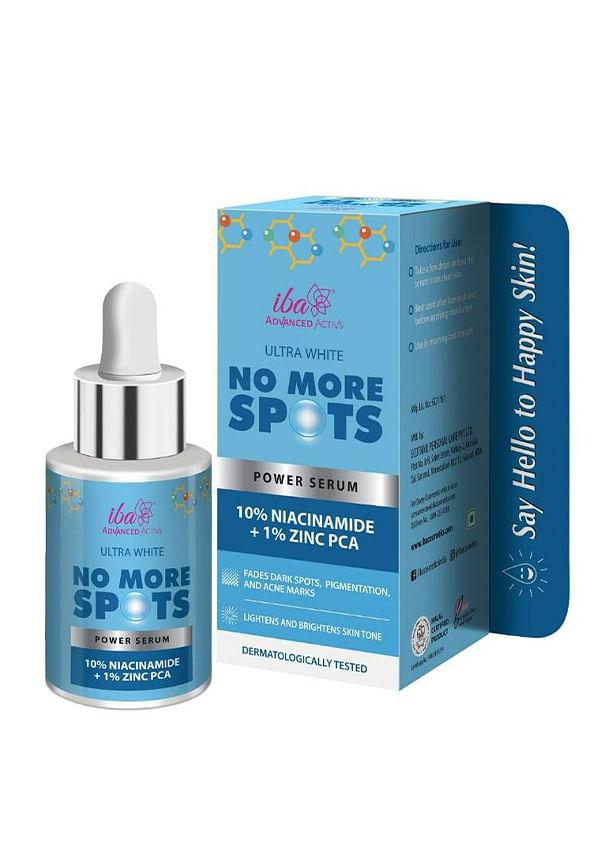
30 mlWhite No More Spots 10% Niacinamide Power Serum
Finding the right products for your specific skin concerns doesn't have to involve expensive trial and error. Platforms like Smytten let you try mini versions of different niacinamide serums and treatments before committing to full sizes, making it easier to discover what works for your unique skin without the financial stress.
Niacinamide can significantly fade hyperpigmentation over time by inhibiting melanin transfer to skin cells. Clinical studies show noticeable improvement in 4-8 weeks, though complete removal depends on the severity and age of the marks. It works best as part of a comprehensive hyperpigmentation treatment routine.
Most people start noticing reduced daily redness within 2-4 weeks of consistent use. For fading existing red marks, expect to see gradual improvement over 6-12 weeks. The key is consistent daily application and patience with the process.
Niacinamide works on both conditions but through different mechanisms. For PIE, it reduces inflammation and strengthens blood vessels. For PIH, it inhibits melanin production and transfer. The concentration and supporting ingredients might vary depending on which condition is more prominent.
Yes, niacinamide is one of the most compatible active ingredients. It works well with vitamin C, hyaluronic acid, and gentle exfoliants. Avoid using it immediately after strong acids or retinoids—space them out by a few hours or use them on alternate days.
Several factors can slow progress: inconsistent application, using products that are too harsh and causing more inflammation, not using SPF (UV exposure worsens redness), or the marks might be deeper than surface-level erythema. If you're not seeing improvement after 3 months of consistent use, consider consulting a dermatologist.
Tackling post-inflammatory erythema doesn't have to be a guessing game. Understanding the difference between red marks and dark spots, choosing the right concentration of niacinamide, and building a consistent routine are your keys to success. Remember, your skin didn't develop these marks overnight, so give your treatment time to work its magic.
The beauty of niacinamide lies in its gentle yet effective approach to skincare for uneven skin tone. Whether you're dealing with fresh red marks or stubborn ones that have overstayed their welcome, consistency trumps intensity every time. With Smytten's trial options, you can explore different niacinamide formulations from trusted brands without the commitment, helping you find your perfect match for clearer, calmer skin. After all, why settle for maybe when you can try it all and find what actually works for your unique skin story?
