How to Tackle Pigmentation with Alpha Arbutin and Niacinamide


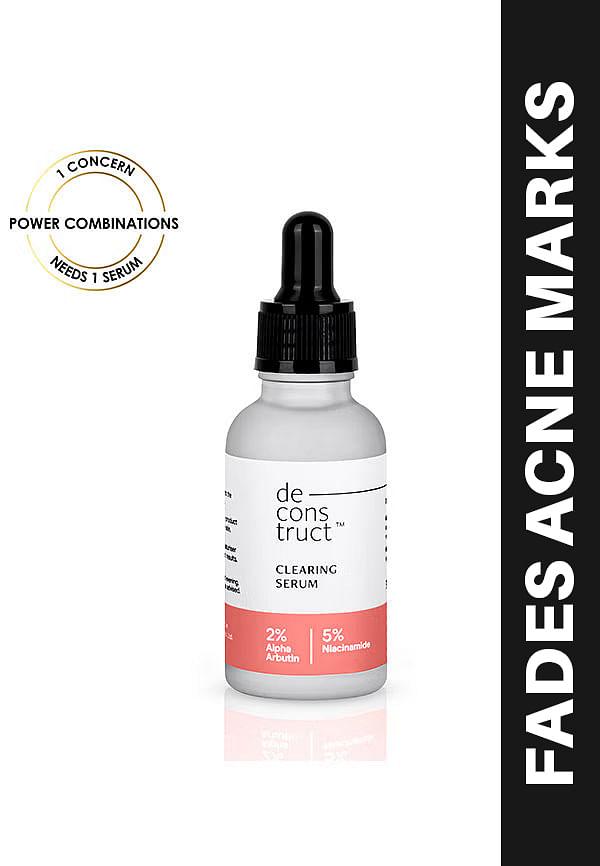 30 ml
30 mlClearing Serum - 2% Alpha Arbutin + 5% Niacinamide
Let's be real—pigmentation is one of those skin concerns that can feel like an uphill battle. Whether you're dealing with stubborn dark spots from old breakouts, melasma that appeared seemingly overnight, or just general uneven skin tone that makes your complexion look dull, finding the right ingredients to tackle hyperpigmentation can feel overwhelming. Two names that keep popping up in every skincare conversation are alpha arbutin and niacinamide. But here's the thing: which one actually works better for your specific pigmentation concerns? The alpha arbutin vs niacinamide pigmentation debate isn't just about picking a winner—it's about understanding what each ingredient brings to the table and how they might work for your unique skin needs.
Before diving into the alpha arbutin vs niacinamide showdown, let's talk about what's actually happening when pigmentation shows up on your skin. Think of melanin as your skin's natural defence system—it's produced by cells called melanocytes to protect your skin from UV damage. But sometimes, this system goes a bit haywire. There are several types of pigmentation you might be dealing with. Post-inflammatory hyperpigmentation (PIH) happens after acne, cuts, or any skin trauma—basically your skin's way of healing but leaving behind a dark mark as a reminder. Melasma is the hormonal one, often triggered by pregnancy or birth control, creating those symmetrical patches usually on your cheeks and forehead. Then there are age spots and sun damage, which are exactly what they sound like—the result of years of UV exposure catching up with you. The key to effective pigmentation treatment lies in understanding that different types respond better to different approaches. Some ingredients work by blocking the enzyme that produces melanin (like alpha arbutin), while others focus on preventing the transfer of melanin to your skin cells (hello, niacinamide). This is why the arbutin vs niacinamide debate isn't really about one being universally better—it's about matching the right ingredient to your specific skin discoloration concerns.
Now for the main event—let's break down how these two skin brightening superstars actually work and what makes each one special. Understanding their different mechanisms will help you figure out which might be your perfect match for tackling those pesky dark spots.
Alpha arbutin is like that friend who's really good at one specific thing—in this case, blocking melanin production at the source. It works by inhibiting the tyrosinase enzyme, which is basically the first step in your skin's melanin-making process. Think of it as putting a gentle brake on your skin's pigment production. This makes alpha arbutin particularly brilliant for stubborn, localised dark spots. If you've got specific areas where pigmentation just won't budge—like those post-acne marks that have been hanging around for months or melasma patches that seem immune to everything else—alpha arbutin might be your new best friend. The sweet spot for concentration is usually between 1-2%, which is gentle enough for daily use but effective enough to see real results. The timeline for alpha arbutin is a bit of a slow burn—you're looking at about 8-12 weeks before you start seeing significant changes. But here's the thing: when it works, it really works, especially for those deeper, more established dark spots that other ingredients struggle with.
Niacinamide takes a different approach to the pigmentation game. Instead of blocking melanin production, it focuses on reducing the transfer of melanin from your melanocytes to your skin cells. It's like having a traffic controller that manages how much pigment actually makes it to the surface of your skin. What makes niacinamide special is that it's not just a one-trick pony. While it's working on your uneven skin tone, it's also helping with oil control, strengthening your skin barrier, and even making your pores look smaller. The optimal concentration for niacinamide is usually between 5-10%, and most people see improvements in overall skin tone within 6-8 weeks. Niacinamide is particularly good if your pigmentation concerns are more about general unevenness rather than specific dark spots. It's also incredibly well-tolerated by most skin types, making it a great starting point if you're new to active ingredients.
When it comes to alpha arbutin vs niacinamide pigmentation treatment, think of alpha arbutin as your precision tool—perfect for targeting specific dark spots with laser focus. Niacinamide, on the other hand, is more like your all-rounder—great for overall tone improvement plus a bunch of other skin benefits. Alpha arbutin tends to be gentler and works well for all skin types, while niacinamide is especially brilliant if you also struggle with oily skin or enlarged pores.
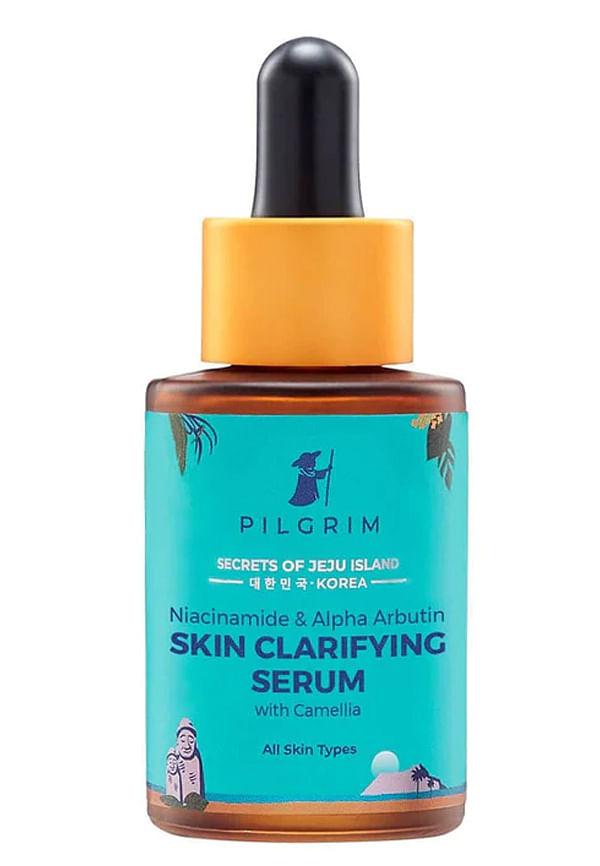 30 ml
30 mlSkin Clarifying Serum With Niacinamide & Alpha Arbutin
Here's where things get interesting—you don't actually have to choose between these two skin brightening heroes. In fact, combining alpha arbutin and niacinamide can be a game-changer for stubborn pigmentation that just won't respond to single-ingredient approaches. The science behind this combination is pretty clever. Since alpha arbutin and niacinamide work through different mechanisms—one blocking melanin production and the other reducing melanin transfer—they complement each other beautifully. Plus, niacinamide's anti-inflammatory properties can actually help reduce any potential irritation from alpha arbutin, making the combination gentler than you might expect.
When using both ingredients, the general rule is to apply the thinnest consistency first, then build up to thicker products. Most alpha arbutin serums are quite lightweight, so they typically go on before niacinamide if you're using a niacinamide moisturiser. However, if both are in serum form, you can apply alpha arbutin first, wait about 10-15 minutes, then follow with niacinamide. Morning or evening? You can use this combination at either time, but if you're using alpha arbutin, sunscreen becomes non-negotiable during the day. Alpha arbutin can make your skin more photosensitive, so proper sun protection is crucial for preventing further pigmentation.
Deciding between alpha arbutin and niacinamide (or whether to use both) really comes down to understanding your specific skin concerns and goals. Let's break this down into some practical decision-making frameworks.
You're dealing with specific, stubborn dark spots that need targeted treatment. This includes post-acne marks that have been hanging around for months, melasma patches, or age spots that seem immune to other treatments. Alpha arbutin is also your friend if you've tried other brightening ingredients in the past and found them too irritating—it's generally very well-tolerated. If you prefer a minimalist approach and want one ingredient that does one thing really well, alpha arbutin fits the bill. It's particularly good for people who like to see gradual but noticeable improvements in specific problem areas.
Your pigmentation concerns are more about overall uneven skin tone rather than specific dark spots. Niacinamide is brilliant for that general dullness or patchiness that makes your complexion look less than radiant. It's also perfect if you're dealing with multiple skin concerns—oily skin, enlarged pores, or a compromised skin barrier alongside your pigmentation issues. If you're new to active ingredients, niacinamide is often a gentler starting point. It's also great for people who want to see relatively quick results—the overall tone-evening effects often become noticeable within 6-8 weeks.
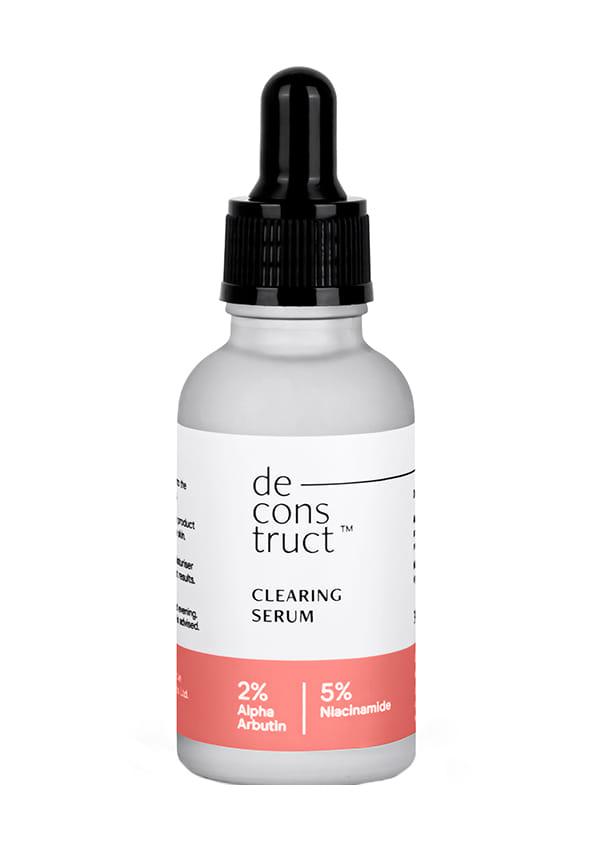 20 mL
20 mLClearing Serum - 5% Niacinamide Face Serum with Alpha Arbutin
You're dealing with severe hyperpigmentation that hasn't responded well to single-ingredient approaches. The combination can be particularly effective for complex pigmentation issues like melasma or extensive post-inflammatory hyperpigmentation. If your skin tolerates multiple actives well and you're committed to a longer-term routine, this approach might give you the comprehensive results you're looking for.
Let's get practical about how to actually use these ingredients in your routine. Whether you're team alpha arbutin, team niacinamide, or team both, proper application makes all the difference in seeing results.
For alpha arbutin, start with a 1% concentration and use it once daily, preferably in the evening. Apply it to clean skin, focusing on areas with pigmentation, and always follow with a moisturiser. If you're using it in the morning, sunscreen is absolutely essential. Niacinamide can be used morning or evening (or both if your skin tolerates it well). Start with a 5% concentration and gradually work up to 10% if needed. It plays well with other ingredients, so you can layer it under your moisturiser or mix it directly with your moisturiser if you prefer.
If you're using both ingredients, here's a simple routine that works: cleanse, apply alpha arbutin serum, wait 10-15 minutes, apply niacinamide serum or moisturiser, then finish with sunscreen if it's morning. Start by using this combination every other day to see how your skin responds, then gradually increase to daily use.
Both alpha arbutin and niacinamide are generally well-behaved ingredients, but there are a few things to keep in mind. If you're using vitamin C, apply it at a different time of day from alpha arbutin to avoid any potential interactions. With retinol, start slowly and monitor your skin—while these combinations can work, they can also be too much for sensitive skin types.
Let's set some realistic expectations about what you can achieve with these best ingredients for pigmentation. The timeline for seeing results varies depending on the severity of your pigmentation, your skin type, and how consistently you use the products. In the first 1-2 weeks, you probably won't see dramatic changes in your pigmentation, but you might notice your skin looking brighter overall, especially with niacinamide. By week 4-6, you should start seeing some improvement in your dark spots or uneven skin tone. The 8-12 week mark is where the real magic happens—this is when you'll see significant reduction in pigmentation with alpha arbutin, and substantial tone evening with niacinamide.
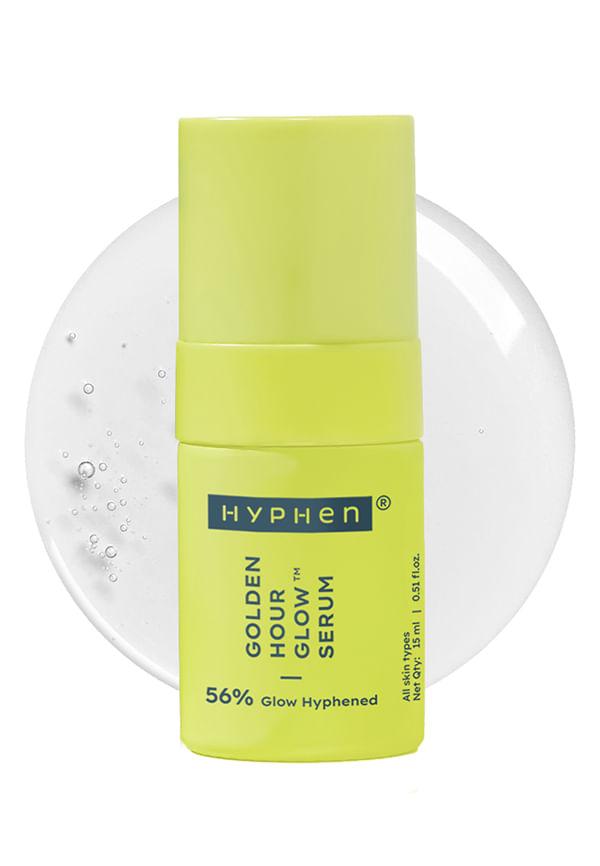 15 ml
15 mlBrightening 5% Niacinamide, 1% Alpha Arbutin Face Serum
Consistency is absolutely crucial—skipping applications will definitely slow down your progress. Sun protection is non-negotiable, especially when using alpha arbutin. Even the best dark spot corrector won't work if you're constantly creating new pigmentation with UV exposure. Your lifestyle factors matter too. Stress, hormonal changes, and even your diet can affect how quickly your skin responds to treatment. If you're dealing with hormonal pigmentation like melasma, you might need to be extra patient and consistent with your routine. This is where platforms like Smytten become incredibly valuable. Instead of committing to full-size products without knowing how your skin will respond, you can try different formulations of alpha arbutin and niacinamide through curated trial packs. With over 1,500 trusted brands available, you can explore various concentrations and formulations to find what works best for your specific pigmentation concerns—all for just ₹249 for up to 8 minis, with 100% cashback redeemable for future purchases.
For targeted, stubborn dark spots, alpha arbutin often has the edge due to its melanin-blocking action. However, niacinamide is better for overall tone evening and works faster for general skin discoloration. The best approach often depends on whether you're dealing with specific spots or overall unevenness.
Absolutely! These ingredients work through different mechanisms and actually complement each other well. Apply alpha arbutin first, wait 10-15 minutes, then follow with niacinamide. Start slowly to ensure your skin tolerates the combination.
Most people see significant results within 8-12 weeks of consistent use. You can safely use alpha arbutin for 4-5 months continuously, then take a 2-month break before resuming if needed. This cycling approach helps prevent any potential skin sensitivity.
Generally, yes. Niacinamide often shows improvements in overall skin tone within 6-8 weeks, while alpha arbutin typically takes 8-12 weeks for significant dark spot fading. However, alpha arbutin may provide more dramatic results for specific pigmentation issues.
The alpha arbutin vs niacinamide pigmentation debate doesn't have to end with choosing just one winner. Both ingredients bring unique strengths to your skincare routine, and understanding their different mechanisms helps you make the right choice for your specific concerns. Alpha arbutin excels at targeting stubborn, localised dark spots, while niacinamide shines at overall tone evening and provides additional skin benefits. Whether you choose one or both, consistency and patience are your best friends in this journey. Pigmentation treatment is a marathon, not a sprint, and the most effective approach is often the one you can stick with long-term. Remember that proper sun protection is crucial regardless of which ingredient you choose—there's no point in fading existing pigmentation if you're constantly creating new dark spots. With Smytten's trial platform, you can explore different formulations and brands to find your perfect pigmentation-fighting routine without the commitment of full-size purchases. After all, why settle for guessing what might work when you can try it all and discover what actually does?
