How to Stop Vitamin C Serum from Causing Breakouts


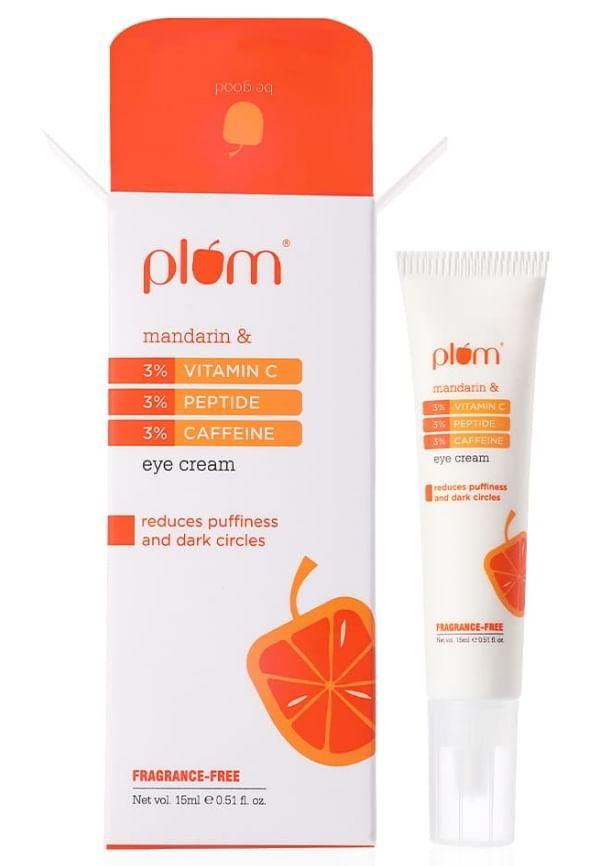 15 ml
15 ml3% Vitamin C, 3% Peptide & 3% Caffeine Eye Cream with Mandarin
Let's be real—vitamin C serums are everywhere in skincare right now, and for good reason. They brighten, protect, and give that glow we're all after. But what happens when your new vitamin C serum starts causing breakouts instead of the radiant skin you were promised? If you're dealing with vitamin C causing breakouts, you're not alone. Many people experience vitamin C acne when they first introduce this powerful antioxidant into their routine. The good news? Most vitamin C skin irritation issues are totally fixable once you understand what's going on and how to troubleshoot them properly.
Before we dive into solutions, it's worth understanding why vitamin C serum breakouts happen in the first place. Your skin isn't necessarily rejecting vitamin C—there might be other factors at play that are causing those unwanted spots.
Vitamin C, particularly L-ascorbic acid, is naturally acidic with a pH around 3.5. When you apply it to your skin, it can temporarily disrupt your skin's natural pH balance, which sits around 5.5. This disruption can weaken your skin barrier, making it more susceptible to irritation and breakouts.
Different forms of vitamin C have varying levels of potency and irritation potential:
L-Ascorbic Acid: Most potent but also most likely to cause irritation
Magnesium Ascorbyl Phosphate: Gentler, more stable, less likely to irritate
Sodium Ascorbyl Phosphate: Good for sensitive skin, antimicrobial properties
Ascorbyl Glucoside: Very gentle, suitable for beginners
Not all vitamin C reactions are created equal. Some people experience what's called purging, whilst others have true allergic reactions or sensitivity issues. Vitamin C side effects on skin can include redness, stinging, dryness, and yes—breakouts.
Product degradation is another major culprit. When vitamin C serums oxidise (you'll notice them turning brown or yellow), they become less effective and more irritating. Always check your serum's colour and smell before applying.
Sometimes the issue isn't the vitamin C itself, but what it's paired with. Many vitamin C serums contain comedogenic ingredients like certain oils or silicones that can clog pores. Poor quality stabilisers, harsh preservatives, or incompatible active combinations can also trigger breakouts.
If your serum contains ingredients like isopropyl myristate, coconut oil, or certain alcohols, these might be the real culprits behind your vitamin C acne.
This is where things get tricky. Understanding whether you're experiencing a vitamin C purge or genuine breakouts is crucial for deciding whether to push through or stop using the product.
A purge happens when active ingredients accelerate your skin's natural cell turnover, bringing underlying congestion to the surface faster than usual. With vitamin C, purging typically occurs in areas where you normally break out—your T-zone, chin, or wherever you usually get spots.
Purging usually follows this timeline:
Week 1-2: Initial breakouts appear
Week 3-4: Peak purging period
Week 5-6: Gradual improvement begins
Week 7-8: Skin starts looking better than before
Real breakouts from vitamin C sensitivity look different from purging. You'll notice new acne appearing in areas where you don't normally break out. The spots might be more inflamed, painful, or persistent than your usual breakouts.
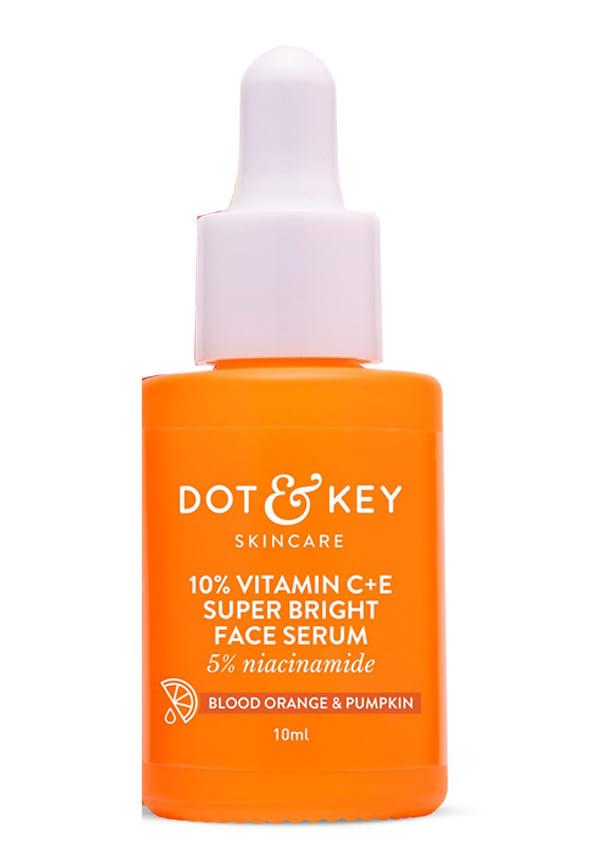 10 ml
10 ml10% Vitamin C+E, 5% Niacinamide Face Serum For Glowing Skin
If you're still getting new breakouts after 8 weeks, or if the irritation is getting worse rather than better, it's likely not purging—it's a genuine reaction to the product.
Stop immediately if you experience severe burning, widespread redness, swelling, or any signs of an allergic reaction. Also stop if breakouts are appearing in completely new areas or if your skin feels constantly irritated.
You might consider pushing through if breakouts are only in your usual problem areas, if irritation is mild and manageable, and if you're within the 6-8 week purging timeframe.
Prevention is always better than cure, especially when it comes to skincare. Here's how to introduce vitamin C without the drama of unexpected breakouts.
Start with a patch test on your inner arm or behind your ear. Wait 24-48 hours to see if any reaction occurs. If all's clear, try applying a tiny amount to one small area of your face for a few days.
When introducing vitamin C:
Start with 2-3 times per week
Begin with lower concentrations (5-10%)
Gradually increase frequency as your skin adapts
Wait at least a week between increases
Apply vitamin C to clean, dry skin. Wait for it to fully absorb (about 10-15 minutes) before applying other products. Always follow with a moisturiser and, crucially, sunscreen during the day—vitamin C can make your skin more photosensitive.
Layer your products from thinnest to thickest consistency, and avoid mixing vitamin C with retinol, AHAs, or BHAs in the same routine to prevent over-exfoliation.
Choose vitamin C serums with stable formulations, appropriate concentrations for your skin type, and minimal additional actives. Look for dark or opaque packaging to prevent oxidation, and check that the pH is between 3.5-4.0 for optimal absorption without excessive irritation.
If traditional L-ascorbic acid serums are causing you grief, don't give up on vitamin C altogether. There are gentler alternatives that can give you similar benefits without the breakouts.
Magnesium Ascorbyl Phosphate is water-soluble, stable, and much less likely to cause irritation. It's particularly good for acne-prone skin because it has antimicrobial properties. Sodium Ascorbyl Phosphate offers similar benefits and is often recommended for sensitive skin types.
Ascorbyl Glucoside is another excellent option—it's very gentle and converts to vitamin C once absorbed by the skin, giving you the benefits without the harsh initial impact.
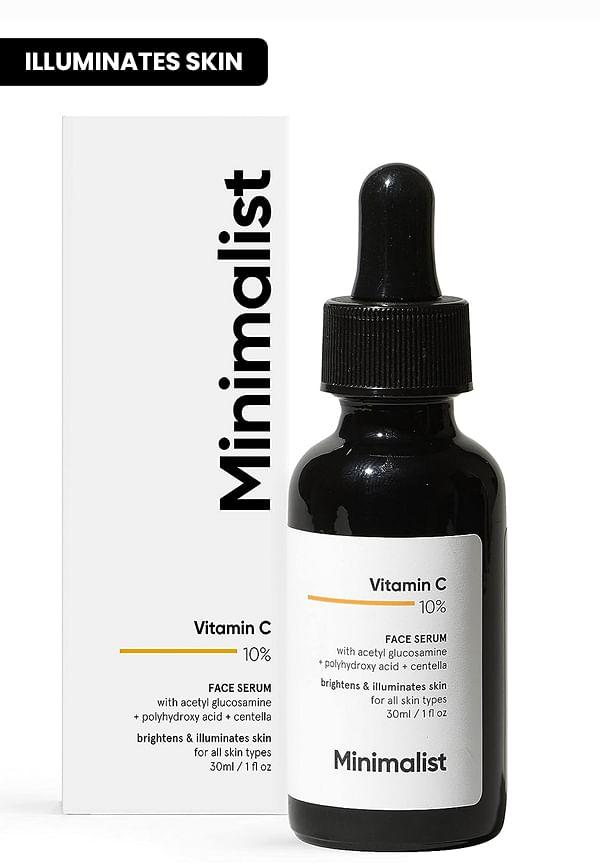 30 ml
30 ml10% Vitamin C Face Serum For Skin Brightening & Reduce Sun Damage
Look for buffered formulas that have a higher pH, making them less acidic and irritating. Serums with added hydrating ingredients like hyaluronic acid or soothing components like niacinamide can help counteract potential irritation.
Avoid products with:
Fragrances or essential oils
High alcohol content
Multiple active ingredients
Harsh preservatives
Start with concentrations between 5-10% rather than jumping straight to 15-20% formulations. Time-released or encapsulated vitamin C can provide gentler delivery, reducing the risk of irritation whilst still providing benefits.
Already dealing with vitamin C-induced breakouts? Here's how to manage the situation and get your skin back on track.
First, stop using the vitamin C serum temporarily. Focus on gentle, healing ingredients like ceramides, hyaluronic acid, and niacinamide to repair your skin barrier. Avoid the temptation to use harsh acne treatments—your skin is already compromised and needs gentle care.
Apply a gentle, fragrance-free moisturiser twice daily and use a mild, non-stripping cleanser. Consider using a hydrating face mask once or twice a week to boost moisture levels.
When you're ready to reintroduce vitamin C, simplify your routine. Use vitamin C in the morning and avoid other actives for at least 30 minutes before and after application. If you use retinol, apply it on alternate nights rather than the same evening as vitamin C.
Consider switching to morning-only vitamin C use, as this allows you to follow up with sunscreen and gives your skin a break overnight.
Niacinamide is brilliant for reducing inflammation and can actually work well alongside vitamin C (despite what you might have heard). Hyaluronic acid helps maintain hydration, whilst ceramides support barrier function.
These ingredients can help buffer the potential irritation from vitamin C whilst providing their own skin benefits.
Sometimes the best solution is to explore vitamin C alternatives that can give you similar benefits without the breakout risk. There are plenty of other antioxidants and brightening ingredients worth trying.
Niacinamide offers antioxidant protection, reduces inflammation, and helps control oil production—making it perfect for acne-prone skin. Vitamin E combined with ferulic acid provides excellent antioxidant protection, whilst green tea extract and resveratrol offer anti-inflammatory benefits.
These alternatives can provide environmental protection and skin benefits without the pH disruption that vitamin C can cause.
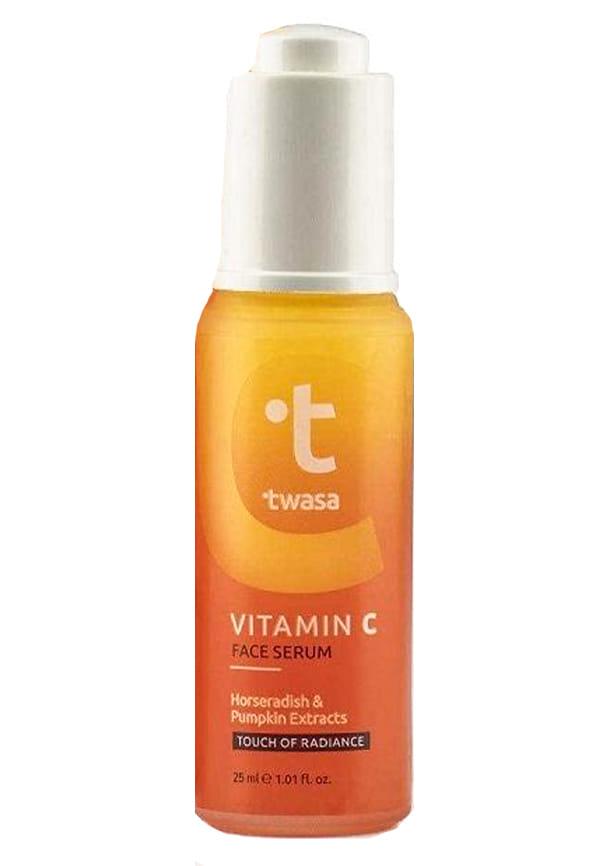 25ml
25mlVitamin C Face Serum For Glowing Skin With Hyaluronic Acid
For hyperpigmentation and dark spots, consider arbutin, which gently inhibits melanin production. Kojic acid is another effective brightening agent, whilst azelaic acid offers dual benefits—it brightens skin and has antimicrobial properties that can help with acne.
These ingredients tend to be gentler than vitamin C whilst still providing visible results for uneven skin tone.
Create a morning routine with niacinamide or green tea extract for antioxidant protection, followed by moisturiser and SPF. In the evening, you might use arbutin or azelaic acid for brightening, along with hydrating and barrier-supporting ingredients.
This approach gives you the benefits you're seeking from vitamin C without the potential for irritation and breakouts.
The journey to finding the right vitamin C product—or alternative—for your skin doesn't have to involve expensive full-size purchases that might not work out. This is where Smytten comes in handy. As India's largest product discovery and trial platform, Smytten connects you with over 1,500 trusted skincare brands including Cetaphil, Dot & Key, and many others through curated trial packs.
You can explore different vitamin C formulations and alternatives through mini-sized products, letting you test what works for your skin before committing to full-size purchases. With trial packs available for just ₹249 and 100% cashback redeemable for future orders, you can experiment with different products without the financial risk. When you find something that works perfectly for your skin, buying the full-size version is just a click away.
Most vitamin C purging lasts 4-6 weeks, following your skin's natural 28-day renewal cycle. Some people with slower cell turnover or more congested skin might experience purging for up to 8 weeks. If breakouts continue beyond this timeframe, it's likely not purging but a genuine reaction to the product.
Absolutely, but choose gentler derivatives like magnesium ascorbyl phosphate or ascorbyl glucoside instead of L-ascorbic acid. Start with lower concentrations (5-10%) and introduce the product gradually. Always patch test first and consider buffered formulations designed for sensitive skin.
Stop using the vitamin C serum immediately and focus on gentle, barrier-repairing ingredients. Use a mild cleanser, fragrance-free moisturiser, and avoid other active ingredients until your skin calms down. If breakouts are in your usual problem areas and it's been less than 6 weeks, it might be purging rather than a reaction.
If you're genuinely purging (breakouts in usual areas, within 6-8 weeks, gradual improvement), it can be worth pushing through as your skin often looks better afterwards. However, if you're experiencing severe irritation, new breakouts in unusual areas, or worsening condition, it's better to stop and try a gentler alternative.
Oral vitamin C supplements are much less likely to cause breakouts compared to topical applications. However, very high doses might affect some people, and supplements with added ingredients could potentially trigger breakouts in sensitive individuals. The acne-causing potential is significantly lower with oral vitamin C.
Dealing with vitamin C causing breakouts can be frustrating, but it doesn't mean you have to give up on this powerful antioxidant entirely. Understanding the difference between purging and genuine reactions, choosing the right formulation for your skin type, and introducing products gradually can help you avoid most vitamin C-related skin problems.
Remember, skincare is highly individual—what works brilliantly for your mate might not suit your skin at all. The key is patience, proper introduction techniques, and knowing when to try alternatives. Whether you stick with gentler vitamin C derivatives or explore other antioxidant and brightening options, there's definitely a solution that will work for your skin. With platforms like Smytten making it easier to try before you buy, finding your perfect skincare match has never been more accessible or affordable.
