How to Start a Night Skincare Routine for Beginners in India


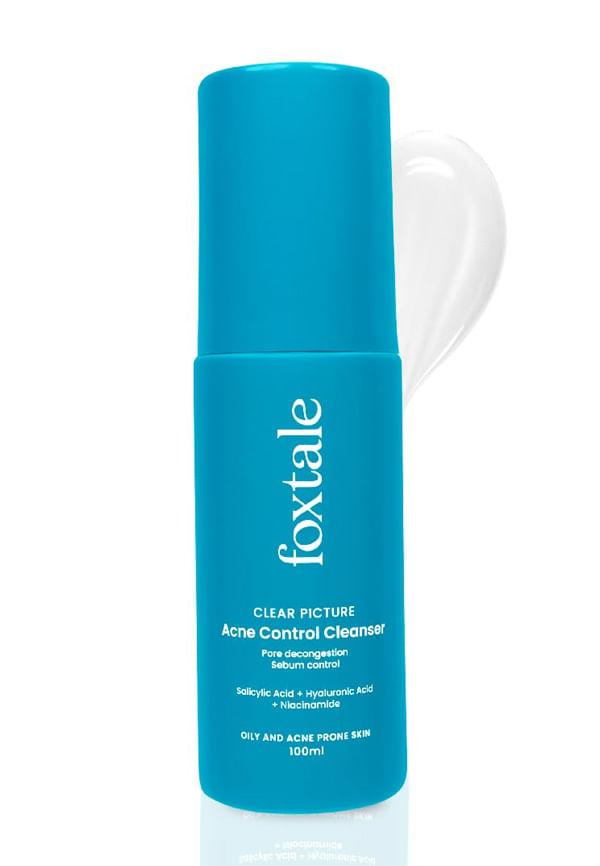 100 ml
Acne Control Cleanser with Salicylic Acid || Hyaluronic Acid and Niacinamide
You've just finished scrolling through Instagram, watching another skincare routine video, and you're wondering: where do I even start? If you're staring at your bathroom shelf with just a face wash and feeling overwhelmed by the endless product options, you're not alone. Building a night skincare routine doesn't have to feel like rocket science, especially when you're working with Indian weather, pollution, and a budget that makes sense. Let's break down exactly how to create a nighttime skincare routine that actually works for your skin and your life.
Real talk: your skin does its best repair work while you sleep. Between 10 PM and 2 AM, your skin cells regenerate faster, blood flow increases, and your skin becomes more receptive to active ingredients. For those of us dealing with Indian pollution, humidity, and that post-commute grime, nighttime is when your skin gets to breathe and recover.
Think about what your skin faces daily in India - dust from construction sites, exhaust fumes during your commute, AC-induced dryness at work, and humidity that leaves you feeling sticky by afternoon. Your night skincare routine is essentially your skin's recovery time, helping it bounce back from environmental stress and preparing it for another day.
The difference between day and night skincare is simple: daytime is about protection (hello, SPF), while nighttime is about repair and renewal. This is when you can use stronger actives like retinol or AHAs that might make your skin photosensitive during the day.
Before you start adding products to your cart, you need to understand what your skin actually needs. Indian weather can make this tricky - your skin might be oily in Mumbai's humidity but dry in Delhi's winter, or combination year-round in Bangalore's moderate climate.
Oily skin feels greasy by midday, especially in the T-zone. You might notice enlarged pores and frequent breakouts, particularly during monsoon season when humidity peaks. Dry skin feels tight after cleansing and might show flaky patches, especially during winter months or in air-conditioned environments.
Combination skin is the most common in India - oily T-zone with normal to dry cheeks. Sensitive skin reacts to new products, weather changes, or pollution with redness, burning, or breakouts. If you're unsure, start with gentle products and observe how your skin responds over a few weeks.
Monsoon season brings humidity that can trigger fungal acne and clogged pores. Summer heat increases oil production and can cause dehydration even in oily skin types. Winter, especially in North India, can leave even oily skin feeling tight and flaky. Understanding these patterns helps you adjust your routine seasonally rather than completely overhauling it.
A solid night skincare routine follows a simple principle: thinnest to thickest consistency, water-based before oil-based. Start with these four essential steps and build from there as your skin gets comfortable.
Double cleansing isn't just for makeup wearers. In Indian cities, you're dealing with sunscreen, pollution, and natural oils that a single cleanser might not remove completely. Start with an oil-based cleanser or micellar water to dissolve makeup and sunscreen, then follow with a gentle water-based cleanser.
 30 ml
30 ml0.15% Beginner Friendly Retinol Night Serum, Anti-Aging Night Cream
For budget-friendly options, look for cleansing oils under ₹300 from brands available across India. If you're dealing with oily skin, don't skip the oil cleanse - it actually helps regulate oil production by properly removing excess sebum without stripping your skin.
Toners in 2026 aren't the harsh, alcohol-based formulas your mum might remember. Modern toners either hydrate your skin or provide gentle exfoliation. Hydrating toners with ingredients like hyaluronic acid work well for dry or sensitive skin, while exfoliating toners with BHA or AHA help with clogged pores and dullness.
Apply toner with clean hands or a cotton pad, gently patting it into your skin. If you're on a tight budget, you can skip toner initially and focus on a good cleanser and moisturiser first.
This is where you address specific skin concerns. Niacinamide is excellent for beginners - it helps with oil control, pore appearance, and works well with other ingredients. Hyaluronic acid provides hydration without heaviness, perfect for Indian humidity.
If you're dealing with acne or blackheads, consider a salicylic acid serum 2-3 times a week. For dull skin or uneven tone, vitamin C can work, though it's often better used in morning routines. Start with one active ingredient and introduce new ones slowly.
Even oily skin needs moisture at night. Look for lightweight, non-comedogenic formulas if you're prone to breakouts. Dry skin can handle richer creams with ingredients like ceramides or natural oils. Your night cream can be heavier than your day moisturiser since you don't need to worry about makeup application or sun protection.
Apply moisturiser to slightly damp skin for better absorption. Don't forget your neck - it shows signs of ageing just as much as your face.
You don't need to spend thousands to see results. A basic night skincare routine can cost under ₹1,000 and still be effective. Focus on getting the basics right before adding expensive serums or treatments.
For under ₹500, you can get a gentle cleanser, basic moisturiser, and sunscreen for the next morning. Between ₹500-1,000, add a niacinamide serum or hyaluronic acid for targeted concerns. Local pharmacy brands often offer excellent value - ingredients matter more than packaging.
Look for multipurpose products when starting out. A good niacinamide serum can help with oil control, pore appearance, and mild acne. A hydrating toner can double as a light serum for dry skin types.
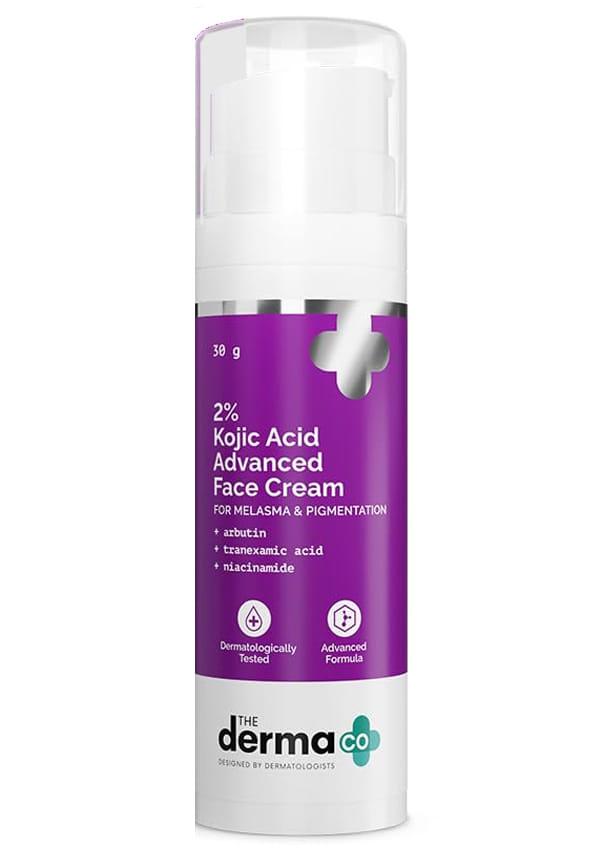 30 gm
30 gm2% Kojic Acid Advanced Face Cream
While not all kitchen ingredients belong on your face, some natural skincare options can supplement your routine. Aloe vera gel works as a soothing moisturiser for oily or irritated skin. Rose water can serve as a gentle toner. However, be cautious with DIY treatments - patch test everything and avoid harsh ingredients like lemon juice or baking soda.
Your skin type determines not just which products to use, but how often to use them and in what combinations. Here's how to tailor your night skincare routine for different skin types common in India.
Oily skin benefits from gentle exfoliation and oil control without over-drying. Use a salicylic acid cleanser or serum 2-3 times a week, followed by a lightweight, oil-free moisturiser. Clay masks once a week can help with excess oil, but don't overdo it - stripping your skin will only make it produce more oil.
Avoid heavy creams or oils unless your skin is dehydrated from over-cleansing. Look for gel-based moisturisers with hyaluronic acid or niacinamide.
Dry skin needs gentle cleansing and intensive hydration. Skip foaming cleansers that can strip natural oils, and opt for cream or oil-based cleansers instead. Layer hydrating products - start with a hydrating toner, add a hyaluronic acid serum, and seal with a rich moisturiser.
Face oils can be beneficial for dry skin, but introduce them slowly. Apply oil as the last step, or mix a few drops into your moisturiser.
Combination skin requires a balanced approach. You might need different products for different areas of your face, or you can use gentle, balanced formulas that won't over-dry your cheeks or under-treat your T-zone. Niacinamide works particularly well for combination skin as it regulates oil production without drying.
Starting a skincare routine for beginners often involves some trial and error, but you can avoid the most common pitfalls that lead to irritation or breakouts.
Introduce one new product at a time, waiting at least a week between additions. This helps you identify what's working and what might be causing problems. Start with the basics - cleanser, moisturiser, and sunscreen - before adding serums or treatments.
Over-exfoliation is one of the biggest mistakes beginners make. Using multiple acids or scrubbing daily can damage your skin barrier, leading to increased sensitivity, breakouts, and irritation. Start with gentle exfoliation once or twice a week.
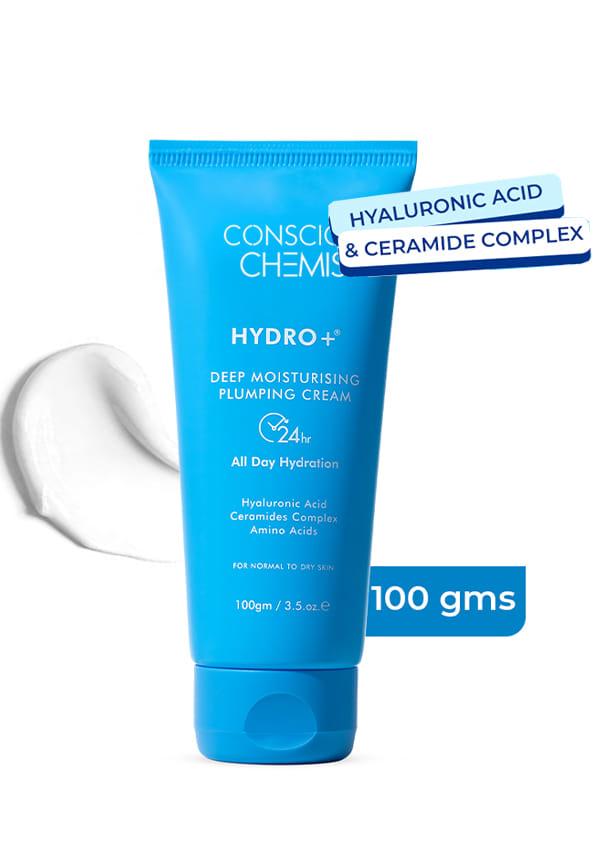 100g
100gHyaluronic Acid Lightweight Gel Cream with Ceramides
Some ingredients don't play well together. Retinol and AHA/BHA can be too much for beginner skin when used together. Vitamin C and retinol are often better used at different times of day. When in doubt, use active ingredients on alternating nights rather than layering them.
Always patch test new products on your inner arm or behind your ear before applying to your face. This is especially important if you have sensitive skin or are trying a new active ingredient.
A basic night skincare routine includes four steps: cleansing (double cleanse if you wear makeup or sunscreen), toning (optional for beginners), applying treatment products like serums, and moisturising. Start with just cleanser and moisturiser, then gradually add other steps as your skin adjusts.
Most people see initial improvements in skin texture and hydration within 2-4 weeks. For concerns like acne or hyperpigmentation, it can take 6-12 weeks to see significant changes. Be patient and consistent - skincare is a marathon, not a sprint.
You might need to adjust your routine seasonally. During monsoon, you might need lighter moisturisers and more frequent cleansing. In winter, especially in North India, you might need richer creams and gentler exfoliation. Your core routine can stay the same, but adjust product weights and frequencies.
Day routines focus on protection with SPF and antioxidants like vitamin C. Night routines focus on repair and renewal with ingredients like retinol, AHAs, or intensive moisturising treatments. Some ingredients, like retinol, can make your skin more sensitive to sun, so they're best used at night.
Not at all. Effective affordable skincare routines can cost under ₹1,000 per month. Focus on getting quality basic products - a good cleanser, moisturiser, and sunscreen - before investing in expensive serums or treatments. Ingredients matter more than brand names or fancy packaging.
Starting a night skincare routine as a beginner doesn't have to be overwhelming. Focus on consistency over complexity - a simple routine you follow every night will give you better results than an elaborate one you use sporadically. Listen to your skin, introduce products gradually, and remember that good skincare is about long-term skin health, not quick fixes.
Your skin is unique, and what works for your friend might not work for you. Pay attention to how your skin responds to different products and adjust accordingly. Whether you're dealing with oily skin in Mumbai's humidity or dry skin in Delhi's winter, the key is finding products that work for your specific needs and environment.
If you're curious about trying new products but hesitant to commit to full sizes, platforms like Smytten let you explore minis from trusted brands before making larger investments. With over 28 million users discovering products through trial sizes, it's become a smart way to test what works for your skin without the commitment. After all, why settle for maybe when you can find what actually works for you?
