How to Spot Vitamin C Oxidation Signs & Prevent It


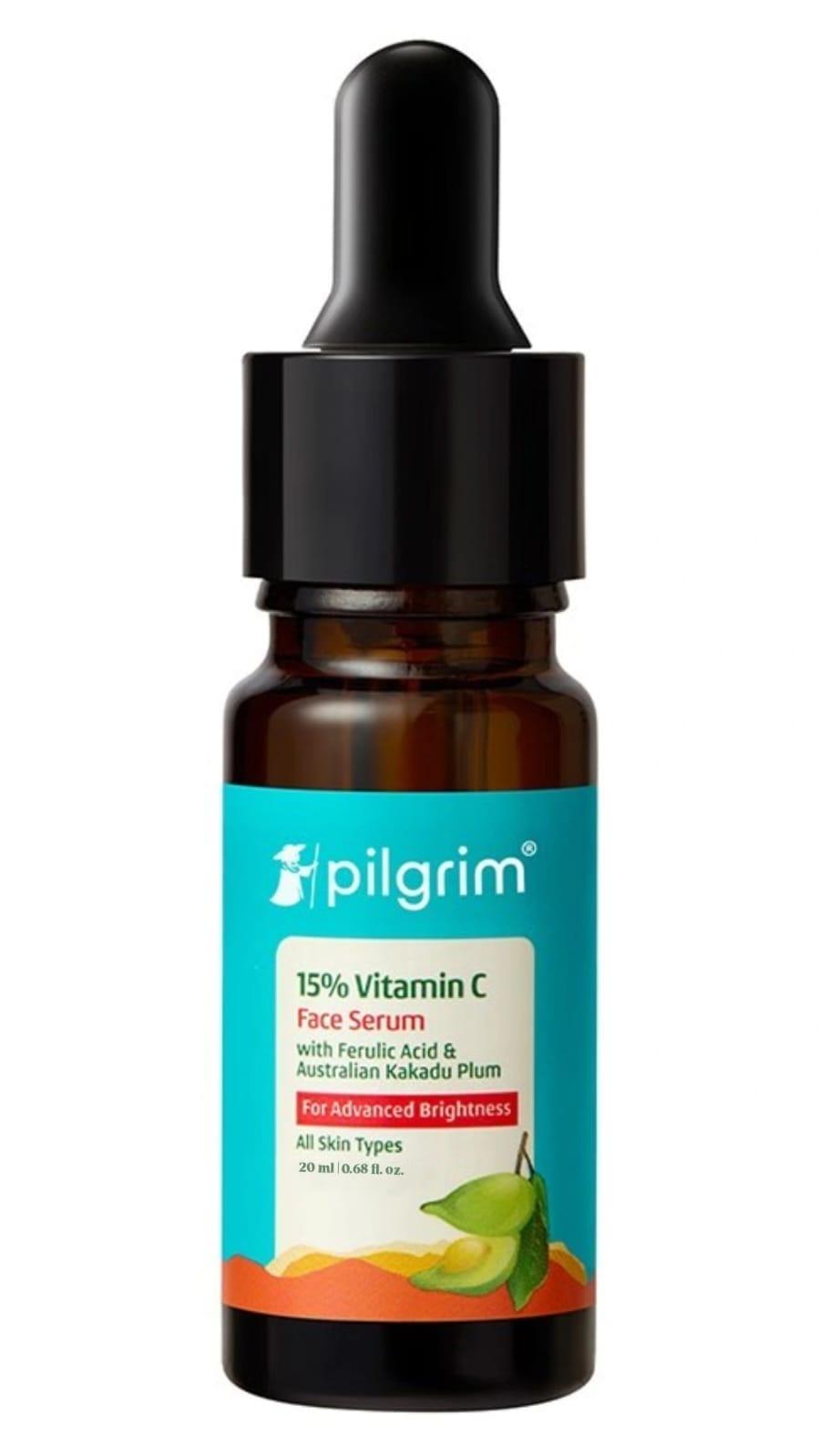 20 ml
20 ml15% Vitamin C Face Serum For Advanced Brightness
That expensive vitamin C serum you bought last month? The one that promised glowing skin and fewer dark spots? Well, it might not be working as hard as you think. Here's the thing about vitamin C skincare—it's brilliant for your skin but absolutely terrible at staying stable. One day your serum looks crystal clear, the next it's turned an alarming shade of brown. Sound familiar? Let's talk about vitamin C oxidation signs and prevention, because knowing what to look for (and how to stop it happening) could save your skin and your wallet.
Right, let's get the science bit sorted first. Vitamin C oxidation happens when your serum's active ingredient—usually L-ascorbic acid—reacts with oxygen, light, or heat. Think of it like how an apple turns brown when you leave it out, except this is happening to your skincare. The moment you open that bottle, the countdown begins.
Here's why this matters: ascorbic acid oxidation doesn't just change the colour of your product—it completely destroys its effectiveness. Fresh vitamin C is a powerhouse antioxidant that brightens skin, boosts collagen production, and fights free radical damage. But once it oxidises? You're basically applying expensive water to your face. The vitamin C degradation process can start within weeks of opening, especially if you're not storing it properly.
Spotting vitamin C serum oxidation isn't rocket science, but you need to know what you're looking for. Your serum will literally tell you when it's gone off—you just need to listen.
Fresh vitamin C should be clear or very pale yellow. If your serum looks like it belongs in a pumpkin spice latte, that's your first red flag. The progression usually goes clear → light yellow → orange → brown. A slight yellowing might be okay (some serums naturally have a faint tint), but anything darker than pale yellow means trouble.
Vitamin C serum discoloration often comes with texture changes too. Your once-smooth serum might become thicker, thinner, or start separating into layers. Some people notice tiny particles floating around—that's the vitamin C breaking down into compounds your skin can't use.
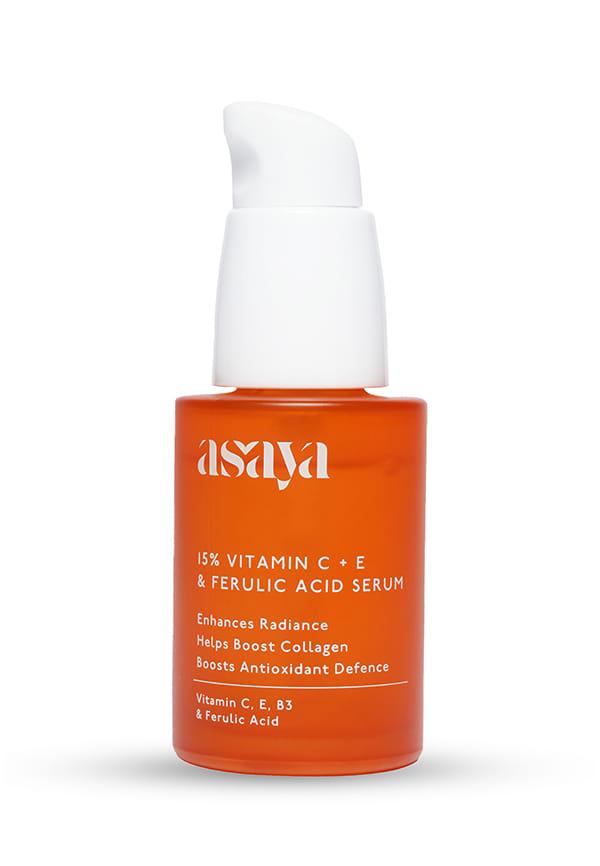 30 ml
30 ml15% Vitamin C + E & Ferulic Acid Face Serum
Good vitamin C serums have a clean, slightly acidic smell—nothing too strong. If yours starts smelling metallic, rancid, or just plain weird, that's oxidation talking. Trust your nose on this one.
The most frustrating sign? When your skin stops improving. If you've been using the same vitamin C serum for months and suddenly your dark spots aren't fading or your skin looks dull, oxidation might be the culprit.
Let's address the elephant in the room: oxidised vitamin C effects on your skin. The good news? It's not going to cause serious harm. The bad news? It's not doing you any favours either.
When vitamin C oxidises, it can become more irritating to sensitive skin. Some people notice increased redness or stinging when using degraded products. Plus, you're missing out on all those lovely benefits—the brightening, the antioxidant protection, the collagen boost. It's like buying a sports car that only goes 20mph. Technically safe, but what's the point?
Now for the good stuff—how to prevent vitamin C oxidation and make your serum last longer. These tips will help you get every penny's worth from your skincare investment.
Think of your vitamin C serum as a vampire—it hates light and heat. Store it somewhere cool, dark, and stable. Your bathroom cabinet might seem convenient, but all that steam from hot showers creates humidity that speeds up degradation. A bedroom drawer or even your fridge works better.
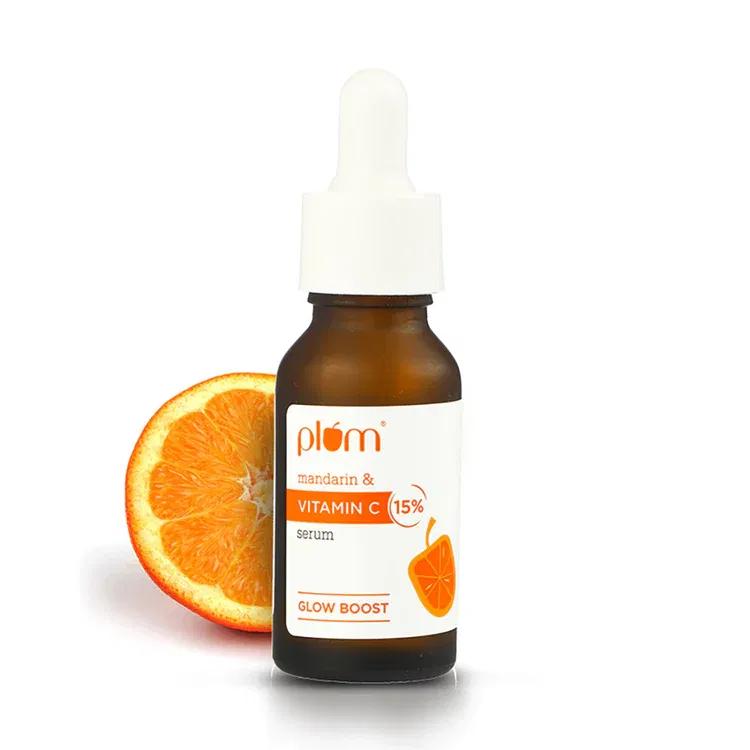 20 ml
20 ml15% Vitamin C Face Serum with Mandarin
Dark glass bottles are your friend here. They block light better than clear containers. If your serum comes in clear packaging, consider transferring it to a dark bottle or storing it in a box. Pump dispensers are also brilliant because they limit air exposure compared to dropper bottles.
Keep your hands clean when using the product, and always replace the cap immediately after use. Don't leave it sitting open on your bathroom counter while you finish the rest of your routine. Every second of air exposure counts.
Here's the reality check: vitamin C serum shelf life varies massively depending on the formulation and how you treat it. Most L-ascorbic acid serums last 3-6 months once opened, while more stable forms like magnesium ascorbyl phosphate can last up to a year.
Unopened products typically last 1-2 years, but once you break that seal, the clock starts ticking. This is where platforms like Smytten become incredibly useful—you can try mini versions of different vitamin C skincare products before committing to full sizes. With over 1,500 trusted brands available, you can test various formulations to find one that works with your routine and storage habits.
Found a brown bottle lurking in your skincare stash? Don't panic. If it's only slightly yellow, you might get away with using it for a few more days, but anything darker needs to go. Vitamin C serum turning brown is nature's way of saying 'time's up.'
Dispose of heavily oxidised serums responsibly—don't pour them down the drain. Some councils accept cosmetic waste in regular bins, but check your local guidelines. And here's a thought: this might be the perfect time to try something new. Smytten's trial packs let you explore different vitamin C formulations for just ₹249, helping you find a more stable option that suits your lifestyle.
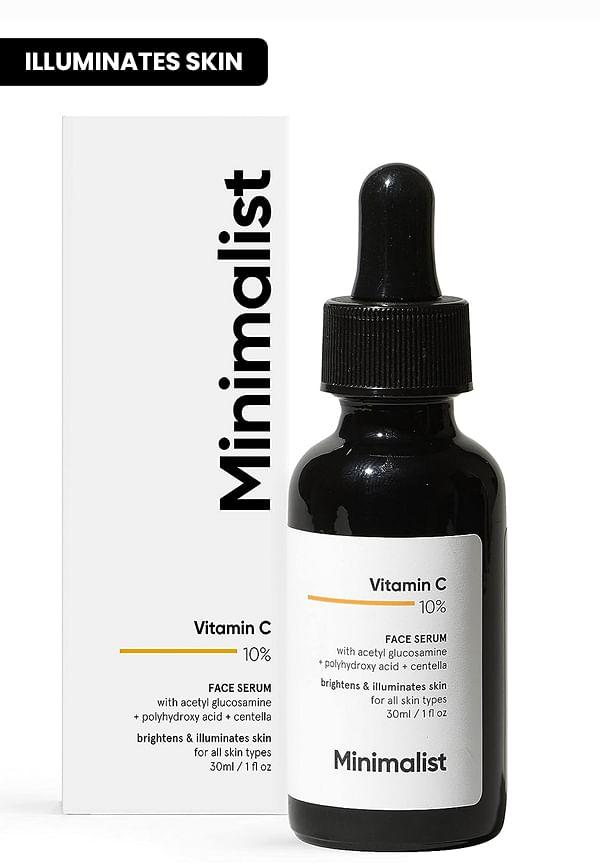 30 ml
30 ml10% Vitamin C Face Serum For Skin Brightening & Reduce Sun Damage
Look for colour changes (yellow to brown), texture alterations, unusual smells, or reduced effectiveness on your skin. Fresh vitamin C should be clear or very pale yellow.
Slightly oxidised serum won't harm you, but it may cause irritation and won't provide the expected benefits. Heavily oxidised products should be discarded.
Most L-ascorbic acid serums last 3-6 months once opened, while more stable vitamin C derivatives can last up to a year with proper storage.
Yes! Store it in a cool, dark place, use dark glass containers, minimise air exposure, and keep it away from heat and humidity.
Keep it in a cool, dark place like a bedroom drawer or fridge. Avoid bathrooms due to humidity, and always replace the cap immediately after use.
Vitamin C oxidation might seem like a skincare buzzkill, but it's totally manageable once you know what you're dealing with. The key is catching it early and storing your products properly. Remember, that brown serum isn't doing your skin any favours, so don't feel guilty about binning it.
If you're tired of watching expensive serums go off before you finish them, consider trying smaller sizes first. Smytten's approach to product discovery means you can test different vitamin C formulations without the commitment of full-size bottles. With trial packs from trusted brands like Dot & Key and Cetaphil, you can find a vitamin C serum that actually works with your routine and storage situation. After all, why settle for oxidised skincare when you can find something that stays fresh and effective?
