Skincare
•08 min read

 Combo
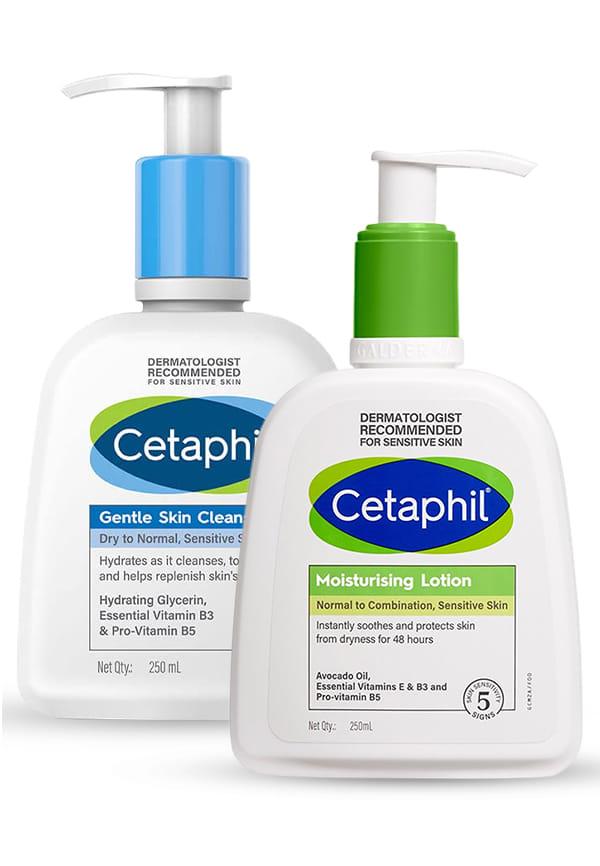
ComboDaily Care Hydration Duo
Let's be real—shopping for hydrating skincare can feel like navigating a maze blindfolded. With endless aisles of moisturising creams, hydrating serums, and products promising to transform your dry skin overnight, it's no wonder so many of us end up with bathroom cabinets full of half-used bottles that didn't quite hit the mark. But here's the thing: when you know what to look for and how to shop hydrating skincare items strategically, finding your perfect hydration match becomes so much easier. Whether you're dealing with seasonal dryness, naturally parched skin, or just want to level up your current routine, this guide will walk you through everything you need to know to make confident, informed choices that actually work for your skin.
Before you dive into the world of hydrating skincare, it's worth taking a moment to understand what your skin is actually asking for. Not all dryness is created equal, and knowing your specific hydration needs will save you from buying products that might not be your kind of pick.
Dehydrated skin and naturally dry skin might seem like the same thing, but they're actually quite different beasts. Dehydrated skin lacks water and can happen to anyone—even those with oily skin types. It often feels tight, looks dull, and might show fine lines that seem to appear out of nowhere. Naturally dry skin, on the other hand, doesn't produce enough oil and tends to feel rough, flaky, or uncomfortable consistently.
Seasonal factors also play a huge role in your skin's hydration levels. Winter heating, summer air conditioning, and even changes in humidity can throw your skin's moisture balance completely off track.
Your skin has its own way of telling you when it's thirsty. Look out for that tight feeling after cleansing, visible flakiness, or makeup that seems to sit on top of your skin rather than blending smoothly. If your face moisturiser seems to disappear within minutes of application, or if you find yourself reaching for more product throughout the day, it's definitely time to explore better hydration solutions.
When you're ready to shop hydrating skincare items, understanding the different product categories will help you build a routine that actually makes sense for your lifestyle and skin needs.
Your face moisturiser is probably the hardest working product in your routine, so choosing the right one is crucial. Day moisturisers typically offer lighter textures that play well under makeup and often include SPF protection. Night moisturisers can be richer and more intensive since you don't need to worry about how they'll interact with other products.
The texture you choose—whether it's a lightweight gel, creamy lotion, or rich moisturising cream—should match both your skin type and personal preferences. There's no point in buying the most effective hydrating product if you hate the way it feels and won't use it consistently.
Think of hydrating serums as your skin's personal hydration boost. These concentrated formulas can deliver powerful ingredients like hyaluronic acid directly to your skin in a lightweight format. They're perfect for layering under your regular moisturiser or for those days when your skin needs extra attention.
The best part about serums is that they're usually fast-absorbing, making them ideal for morning routines when you're rushing to get ready.
Don't forget about the supporting cast in your hydration routine. Eye creams address the delicate skin around your eyes, which tends to show dryness first. Body moisturising creams keep the rest of your skin comfortable, and overnight hydrating masks can provide intensive treatment when your skin needs some extra TLC.
Understanding skincare ingredients doesn't require a chemistry degree, but knowing a few key players will make you a much smarter shopper when it comes to hydrating skincare.
Humectants are like tiny moisture magnets that draw water from the environment and deeper layers of your skin to the surface. Hyaluronic acid is probably the most famous humectant—it can hold up to 1,000 times its weight in water, making it incredibly effective for skin hydration.
Glycerin is another powerhouse humectant that's been used in skincare for decades. It's gentle, effective, and works well for most skin types. Sodium PCA and other humectants offer similar benefits and are worth looking for in product ingredient lists.
While humectants draw moisture to your skin, emollients and occlusives help keep it there. Ceramides are particularly brilliant because they help repair your skin's natural barrier, which is essential for maintaining hydration long-term.
Natural oils and butters like shea butter, jojoba oil, and squalane provide excellent emollient properties without feeling heavy on most skin types. Even ingredients like petrolatum and certain silicones can be incredibly effective for creating a protective barrier that prevents water loss.
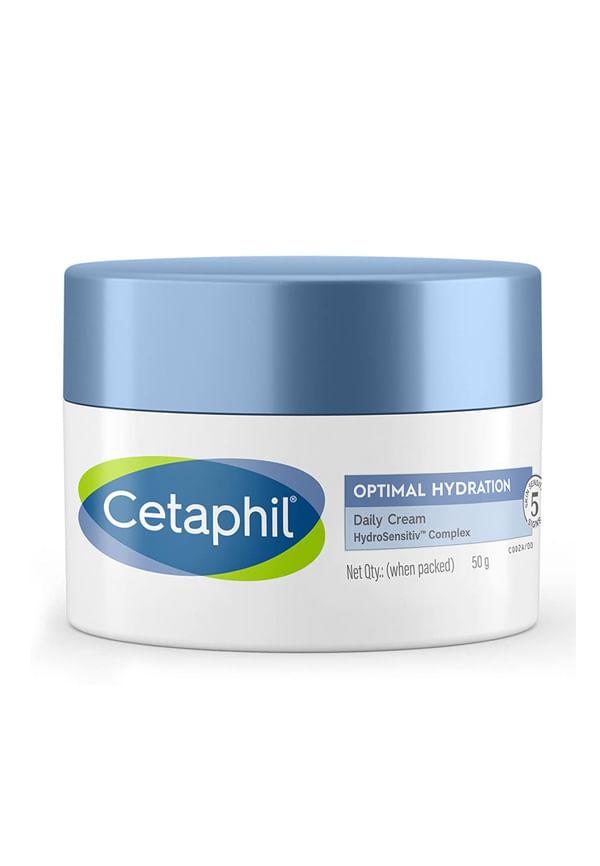 50 gm
50 gmOptimal Hydration Daily Cream
Some active ingredients do double duty by addressing other skin concerns while supporting hydration. Niacinamide helps improve your skin's ability to retain moisture while also working on texture and tone. Peptides support your skin's natural barrier function, and antioxidants protect against environmental damage that can compromise hydration.
Your skin type should be your North Star when shopping for hydrating skincare. What works brilliantly for your friend might not be your cup of tea, and that's completely normal.
If you're dealing with genuinely dry skin, don't be afraid of richer formulations. Look for moisturising creams with multiple hydrating ingredients—combinations of humectants, emollients, and occlusives work together to provide comprehensive hydration.
Overnight repair products can be particularly effective for dry skin since they have hours to work their magic without interference from makeup or environmental factors.
Combination skin can be tricky because different areas of your face have different needs. Lightweight hydrating options that won't clog pores in your T-zone while still providing adequate moisture for drier areas are your best bet.
You might even consider using different products on different areas of your face—there's no rule that says you have to use the same moisturiser everywhere.
Sensitive skin needs hydration just as much as any other skin type, but the approach needs to be gentler. Look for fragrance-free hydrating products with minimal ingredient lists to reduce the chance of irritation.
Hypoallergenic certifications can provide additional peace of mind, though it's always worth doing a patch test before committing to any new product.
Knowing what to buy is only half the battle—knowing how and where to shop hydrating skincare items can make the difference between finding your holy grail products and ending up with expensive disappointments.
Different shopping venues offer different advantages. Department stores often have knowledgeable staff and testers, while drugstores provide budget-friendly options with proven track records. Online retailers offer convenience and often better prices, but authenticity can sometimes be a concern with third-party sellers.
Specialty beauty stores and platforms like Smytten offer curated selections and often provide trial sizes, which can be incredibly valuable when you're exploring new hydrating skincare options.
Marketing language can be confusing, so focus on the actual ingredient list rather than flashy claims on the front of the package. Ingredients are listed in order of concentration, so the first few ingredients make up the bulk of the formula.
Be wary of terms like "instantly hydrates" or "24-hour moisture"—while these might be technically true, they don't necessarily mean the product will work for your specific skin needs.
Effective hydrating skincare doesn't have to break the bank. Many drugstore brands offer excellent hydration products with proven ingredients at accessible price points. However, sometimes investing in higher-end products can be worth it for better textures, more elegant formulations, or higher concentrations of active ingredients.
The key is to assess value based on your specific needs and budget rather than assuming that more expensive automatically means better.
Having great hydrating products is only part of the equation—how you use them together makes all the difference in achieving optimal skin hydration.
Start your day with a gentle cleanser that won't strip your skin's natural oils. Follow with a hydrating serum if you're using one, then your face moisturiser. If your moisturiser doesn't include SPF, make sure to add a separate sunscreen as your final step.
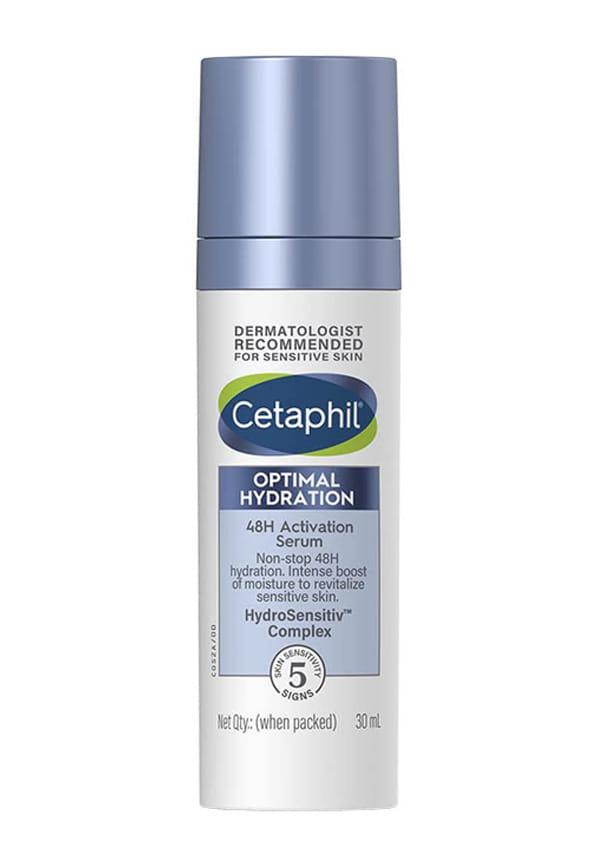 30 ml
30 mlOptimal Hydration Activation Serum
The key is to apply products from thinnest to thickest consistency, allowing each layer to absorb before adding the next.
Evening routines can be more intensive since you don't need to worry about makeup application or sun protection. This is when you can use richer moisturising creams or add treatment products like retinoids or acids (though be careful about mixing actives).
If you're using any active ingredients, make sure your hydrating products are compatible and won't cause irritation when layered together.
Sometimes your skin needs extra attention beyond your daily routine. Hydrating masks, whether sheet masks or cream-based treatments, can provide intensive moisture when your skin is feeling particularly parched.
Consider adjusting your routine seasonally—you might need richer products in winter and lighter formulations in summer.
Even with the best intentions, it's easy to make mistakes when building your hydrating skincare routine. Learning from common pitfalls can save you time, money, and frustration.
One of the biggest mistakes is over-complicating your routine with too many products. More isn't always better, and using too many hydrating products can sometimes overwhelm your skin or cause breakouts.
Another common error is ignoring your skin's barrier health. If your skin barrier is compromised, even the best hydration products won't be as effective as they could be.
Using too little product is surprisingly common—most people don't use enough moisturiser to get the full benefits. On the flip side, using too much can lead to pilling or a greasy feeling that puts you off using the product consistently.
Inconsistent use is probably the biggest barrier to seeing results. Even the most effective hydrating skincare won't work if you only remember to use it occasionally.
Most hydrating skincare products should be replaced every 6-12 months after opening, or according to their expiration dates. Products in jars tend to have shorter lifespans than those in pump bottles due to contamination risks. If you notice changes in smell, texture, or colour, it's time to replace the product regardless of the date.
Absolutely! Layering hydrating products can be incredibly effective when done correctly. Start with the thinnest consistency (like a hydrating serum) and work up to thicker products (like moisturising cream). Just make sure to let each layer absorb before applying the next one.
Hydrating products add water to your skin, typically through humectants like hyaluronic acid. Moisturising products focus on preventing water loss through emollients and occlusives. The best products often do both, but understanding the difference can help you choose products that address your specific skin concerns.
Most people notice initial improvements in skin comfort and texture within 1-2 weeks of consistent use. More significant changes in skin appearance and long-term hydration typically become apparent after 4-6 weeks of regular use. Remember, consistency is key to seeing results.
While not always necessary, different formulations can optimise hydration for different times of day. Day moisturisers are often lighter and may include SPF, while night products can be richer and more intensive. However, if you find a product that works well for both morning and evening, there's no need to complicate things.
Shopping for hydrating skincare doesn't have to be overwhelming when you know what to look for and how to approach it strategically. Start with understanding your skin's specific needs, then focus on finding products with proven ingredients that fit your lifestyle and budget. Remember, the best hydrating skincare routine is one you'll actually stick to consistently.
When you're ready to explore new hydrating skincare options, platforms like Smytten make it easier to discover what works for your skin without the commitment of full-size purchases. With curated trial packs from trusted brands like Cetaphil and Dot & Key, you can try multiple hydration products for just ₹249 and get 100% cashback to use towards full-size versions of your favourites. After all, why settle for 'maybe' when you can try it all and find your perfect hydration match?
