Skincare
•07 min read

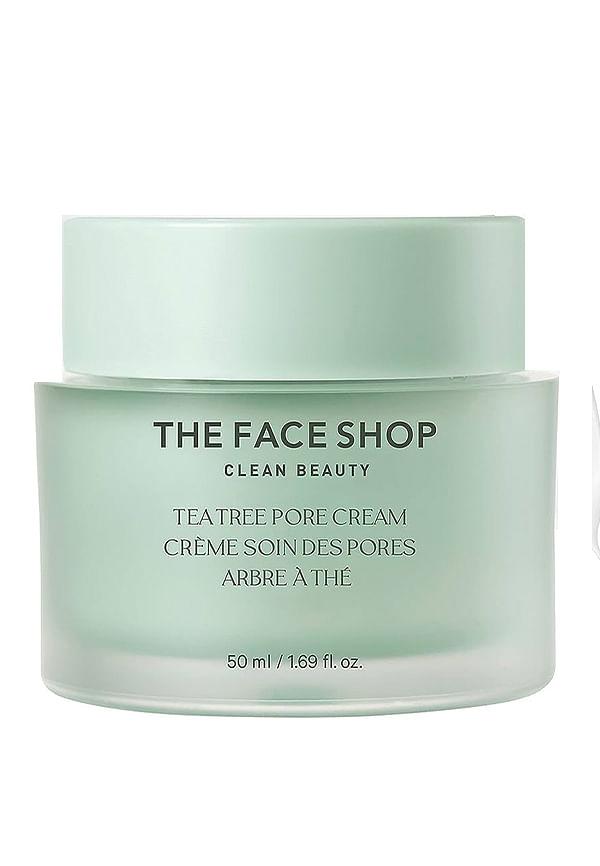 50 ml
50 mlTea Tree Pore Cream With AHA, Ip- BHA, PHA & Hyaluronic Acid
Let's be real—mature skin doesn't have to mean giving up on that glow. If you've been wondering whether your skincare routine needs a serious upgrade, AHA for mature skin renewal might just be the game-changer you've been looking for. Alpha hydroxy acids aren't just another skincare trend; they're scientifically proven powerhouses that can transform how your skin looks and feels. Whether you're dealing with fine lines, uneven texture, or that dull complexion that seems to have appeared overnight, understanding how AHA skincare works for mature skin could be your ticket to rediscovering radiant, youthful-looking skin.
When it comes to mature skin exfoliation, alpha hydroxy acids are absolute legends in the skincare world. These naturally occurring acids work by gently dissolving the bonds between dead skin cells, revealing the fresh, healthy skin underneath. Think of them as your skin's personal renovation crew—they're constantly working to resurface and renew.
Alpha hydroxy acids are water-soluble acids derived from natural sources like fruits, milk, and sugar cane. The magic happens at a molecular level—these acids penetrate the upper layers of your skin and encourage cellular turnover. For mature skin, this process becomes increasingly important because natural cell renewal slows down significantly as we age.
What makes AHAs particularly brilliant for mature skin is their ability to address multiple concerns simultaneously. They're not just exfoliating; they're stimulating collagen production, improving skin texture, and helping with pigmentation issues that often come with age.
Research consistently shows that regular use of AHAs can significantly improve skin appearance in people over 40. Studies have demonstrated improvements in fine lines, skin thickness, and overall radiance within 8-12 weeks of consistent use. The key is patience and consistency—your skin didn't change overnight, and the renewal process takes time too.
Dermatologists often recommend AHAs as a first-line treatment for photoageing because they're effective yet gentler than many other anti-aging skincare options. The results speak for themselves: smoother texture, more even tone, and that healthy glow that makes people ask what you've been doing differently.
Not all AHAs are created equal, and choosing the right one for your mature skin can make all the difference. Each type has its own personality and strengths, so let's break down your options.
Glycolic acid for skin renewal is often considered the gold standard of AHAs. With the smallest molecular size, it penetrates deepest into your skin, making it incredibly effective for addressing stubborn signs of ageing. For mature skin, concentrations between 5-10% are typically most effective without being overly harsh.
What sets glycolic acid apart is its ability to work on multiple skin layers simultaneously. It's particularly brilliant for tackling deeper wrinkles and significant texture issues that other AHAs might not reach.
If your skin tends to be on the sensitive side, lactic acid benefits include being gentler whilst still delivering impressive results. Derived from fermented milk, lactic acid has larger molecules than glycolic acid, which means it works more gradually and is less likely to cause irritation.
The bonus with lactic acid is its hydrating properties. Whilst it's exfoliating away dead skin cells, it's also helping your skin retain moisture—something that becomes increasingly important as skin matures and natural moisture levels decline.
Don't overlook the supporting cast of AHAs. Malic acid (from apples) and tartaric acid (from grapes) offer gentler exfoliation and are often found in combination formulas. These exfoliating acids work beautifully as part of a multi-acid approach, providing comprehensive skin renewal treatment without overwhelming mature skin.
The beauty of AHA skincare lies in its versatility. These acids don't just tackle one issue—they're multitaskers that address the various concerns that come with mature skin.
Fine lines and wrinkles form when collagen production slows down and dead skin cells accumulate. AHAs tackle this two-fold: they remove the buildup of dead cells that can make lines appear deeper, and they stimulate the production of new collagen. Regular use of exfoliating acids can visibly reduce the appearance of crow's feet, forehead lines, and those pesky lines around your mouth.
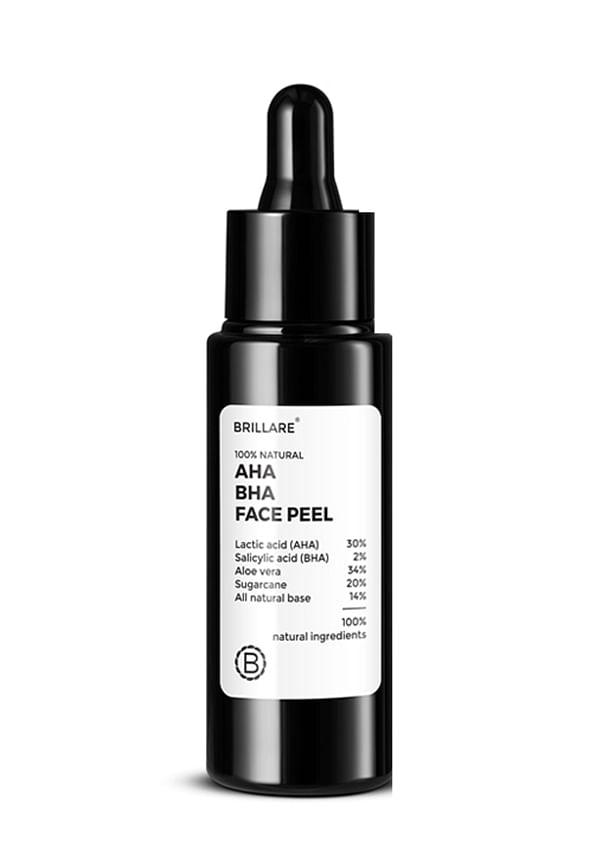 30 ml
30 mlAHA BHA Exfoliating Face Peeling Solution
The key is consistency. Unlike some treatments that promise overnight results, AHA skincare works gradually to rebuild and resurface your skin from within.
Hyperpigmentation and age spots are common concerns for mature skin, and AHAs excel at addressing these issues. By accelerating cell turnover, they help fade dark spots and create a more even complexion. The process works by bringing fresh, unpigmented cells to the surface whilst encouraging the fading of existing pigmentation.
For best results with pigmentation, consistency is crucial. You'll typically start seeing improvements after 6-8 weeks of regular use.
That rough, uneven texture that can develop with age responds beautifully to AHA treatment. These acids smooth the skin's surface whilst promoting the development of healthier, more resilient skin cells. Over time, this leads to improved firmness and elasticity—essentially giving your skin a fresh start.
Starting an AHA routine requires a thoughtful approach, especially for mature skin that might be more sensitive or reactive than younger skin.
Begin slowly—this can't be emphasised enough. Start with a lower concentration AHA product (around 5%) and use it just twice a week initially. Your skin needs time to adjust to this new level of exfoliation, and rushing the process often leads to irritation and setbacks.
Choose your timing wisely. Evening application is typically best, as AHAs can increase photosensitivity. Always follow with a good moisturiser to support your skin barrier during the renewal process.
Once your skin has adjusted (usually after 4-6 weeks), you can gradually increase frequency or concentration. Some people eventually use AHAs daily, whilst others find 3-4 times per week optimal. Listen to your skin—it'll tell you what works.
For those seeking more dramatic results, chemical peels for ageing skin performed by professionals can provide intensive skin resurfacing. These treatments use higher concentrations and can address more significant concerns.
Sunscreen becomes non-negotiable when using AHAs. Your newly exfoliated skin is more vulnerable to UV damage, so daily SPF 30+ is essential. Think of it as protecting your investment in your skin's renewal.
Hydrating ingredients like hyaluronic acid and ceramides work beautifully alongside AHAs, helping to maintain your skin barrier whilst the acids do their work.
Like any effective skincare ingredient, AHAs come with considerations, especially for mature skin that might be more reactive.
Initial tingling or mild redness is normal when starting AHAs. However, persistent burning, excessive dryness, or severe irritation indicates you need to slow down. The key is distinguishing between normal adjustment and actual irritation.
Increased photosensitivity is inevitable with AHA use, which is why religious sunscreen use becomes crucial. Your skin will be more susceptible to sun damage for up to a week after each AHA application.
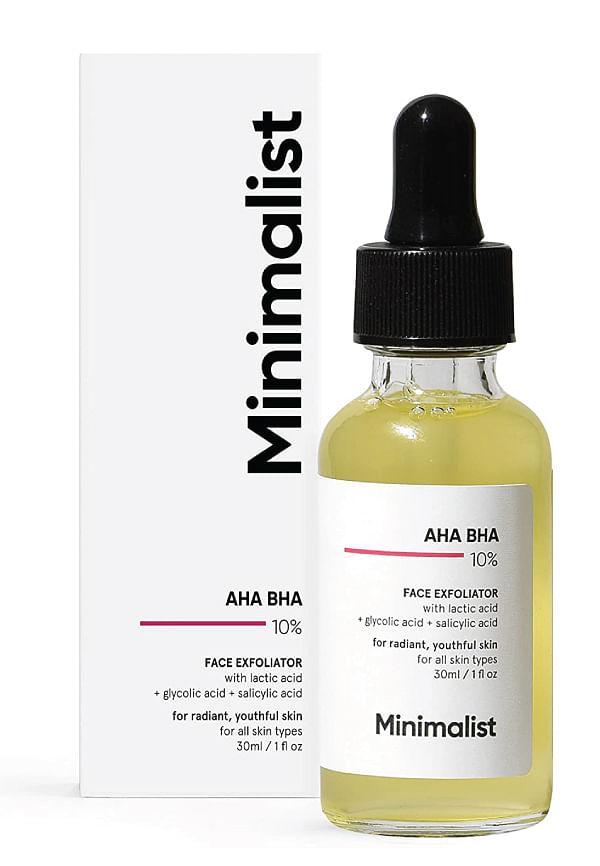 30 ml
30 ml10% AHA BHA Exfoliating Serum
If you have active eczema, rosacea, or compromised skin barrier, AHAs might not be suitable. Similarly, if you're using certain medications that increase photosensitivity, consult with a dermatologist before starting an AHA routine.
Seasonal considerations matter too. Many people find AHAs easier to tolerate during cooler months when sun exposure is naturally reduced.
The market is flooded with AHA products, making choice overwhelming. Understanding what works best for different mature skin types can help narrow down your options.
Dry mature skin benefits from cream or lotion formulations that combine AHAs with hydrating ingredients. These provide exfoliation whilst supporting moisture levels. Combination mature skin often responds well to serum formulations that can be layered under moisturiser.
For sensitive mature skin, look for products with lower concentrations or buffered formulations that release the acid more gradually.
Professional treatments offer higher concentrations and faster results but require downtime and professional supervision. Over-the-counter options provide gradual improvement with less risk of adverse reactions. Many people find success combining both approaches—professional treatments occasionally with consistent at-home maintenance.
This is where platforms like Smytten become invaluable. With over 1,500 trusted brands including skincare specialists like Cetaphil and Dot & Key, you can try different AHA formulations through trial packs before committing to full-size products. Getting up to 8 minis for just ₹249 with 100% cashback makes it affordable to experiment and find what works best for your mature skin.
Most people notice initial improvements in skin texture within 2-4 weeks, with more significant changes in fine lines and pigmentation becoming apparent after 8-12 weeks of consistent use. Patience is key—your skin is rebuilding itself from within.
Yes, but not simultaneously. Use AHAs and retinol on alternating nights to avoid over-exfoliation. Both are powerful anti-aging skincare ingredients that work well together when used strategically.
AHAs work on the skin's surface and are better for addressing fine lines, pigmentation, and texture issues common in mature skin. BHAs penetrate deeper into pores and are better for oily, acne-prone skin. For most mature skin concerns, AHAs are the better choice.
Some initial adjustment is normal as your skin acclimates to increased exfoliation. However, significant worsening or persistent irritation isn't normal and suggests you need to reduce frequency or concentration.
Yes, but extra sun protection is crucial. Consider reducing frequency during peak summer months and never skip sunscreen. Some people prefer to start AHA routines in autumn or winter when sun exposure is naturally lower.
AHA for mature skin renewal isn't just about turning back the clock—it's about giving your skin the tools it needs to function at its best. Whether you choose glycolic acid for its deep-penetrating power or lactic acid for its gentle effectiveness, the key is starting slowly and staying consistent.
Remember, skincare is deeply personal, and what works brilliantly for one person might not suit another. This is where Smytten's approach to product discovery becomes particularly valuable. With access to trial packs from trusted brands across 27,000+ pincodes, you can explore different AHA formulations without the commitment of full-size purchases. The platform's 100% cashback on trial minis means you can experiment affordably, and when you find your perfect AHA match, the full-size version is just a click away. After all, why settle for 'maybe' when you can try it all and find what truly works for your unique skin?
