How to Repair Skin Barrier Damage from Actives in India


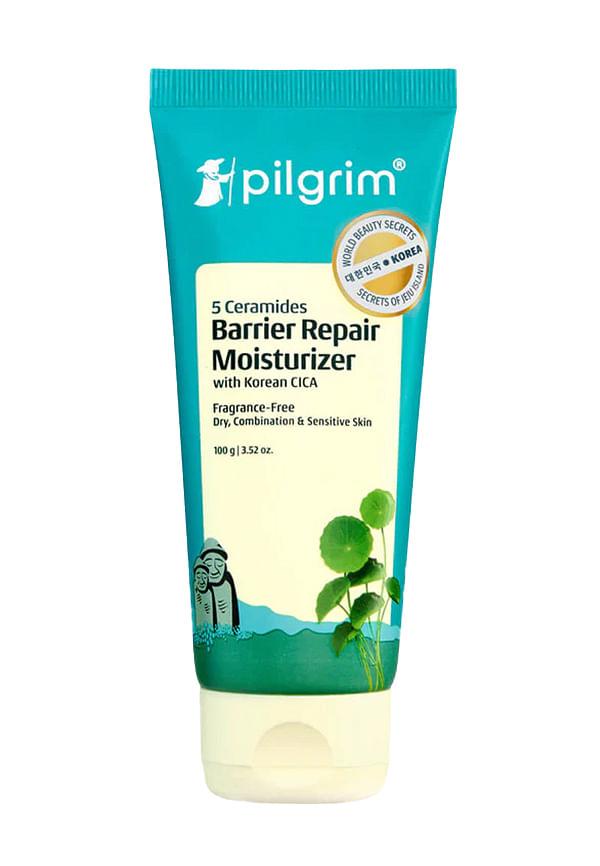
5 Ceramides Barrier Repair Moisturizer with Korean CICA Lightweight & Non-Sticky
Your skin feels tight, stings when you apply moisturiser, and looks red despite your carefully curated skincare routine. Sound familiar? If you've been layering retinol, vitamin C, and AHAs like a skincare enthusiast, you might have accidentally damaged your skin barrier. The good news? Your skin can bounce back with the right approach. Let's talk about how to repair skin barrier damage from actives and get your skin feeling comfortable again.
Your skin barrier is like a protective wall made of skin cells and lipids that keeps moisture in and irritants out. When you use too many actives like retinol, glycolic acid, or salicylic acid, you can strip away this protective layer faster than your skin can repair it.
Signs of a damaged skin barrier include persistent redness, stinging when applying products, unusual dryness, increased sensitivity to products you've used before, and that tight, uncomfortable feeling that won't go away. Your skin might also look dull or feel rough to the touch.
The difference between purging and barrier damage is crucial to understand. Purging happens when actives bring underlying congestion to the surface - you'll see more breakouts in areas where you typically get spots, but your skin won't feel irritated or sensitive. Barrier damage, however, affects your entire face with sensitivity, redness, and discomfort.
Indian skin types can be particularly susceptible to active-induced damage due to our climate. The combination of high humidity, pollution, and strong UV rays already stresses our skin. Adding aggressive actives to this mix can push your skin over the edge, especially if you're new to using these ingredients.
Actives work by accelerating cell turnover and breaking down the bonds between dead skin cells. When used correctly, this reveals fresh, healthy skin. But overuse disrupts your skin barrier function by removing too much of the protective lipid layer. Your skin loses its ability to retain moisture and becomes vulnerable to environmental irritants.
The first rule of over exfoliated skin treatment is simple: stop everything that might be causing irritation. This means pausing all actives immediately - no retinol, no AHAs, no BHAs, no vitamin C. Your skin needs time to heal without additional stress.
Strip your routine down to the absolute basics: a gentle cleanser, a simple moisturiser, and broad-spectrum SPF during the day. This might feel counterproductive if you're used to a multi-step routine, but your skin will thank you for the break.
Look at every product in your routine with fresh eyes. Even seemingly innocent products can contain irritating ingredients when your barrier is compromised. Fragrances, essential oils, and high concentrations of niacinamide can all cause problems for damaged skin.
Create a calm environment for your skin to heal. This means avoiding hot water when cleansing, skipping face masks, and being extra gentle when drying your face. Pat, don't rub, and let your skin air dry for a few seconds before applying moisturiser.
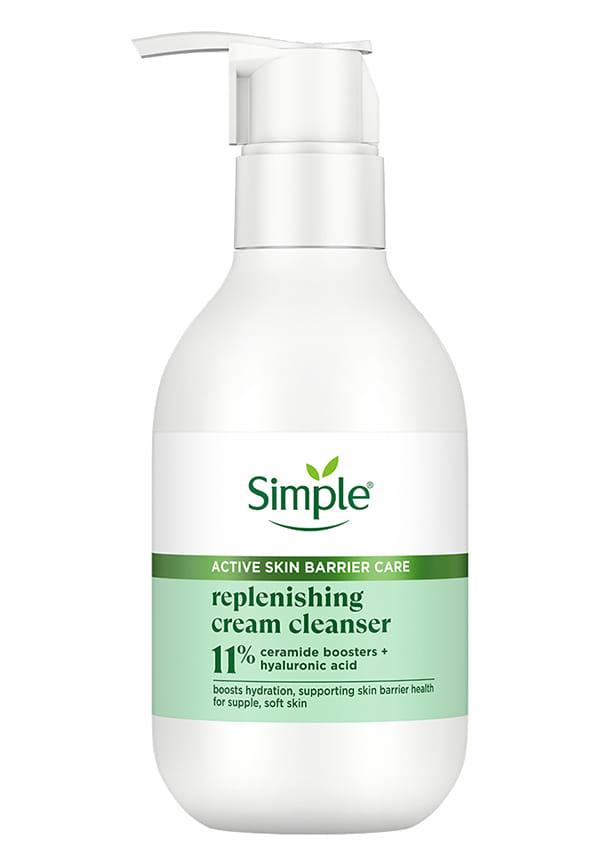
Active Skin Barrier Care Replenishing Cream Cleanser
If your skin is severely irritated, try cool compresses with plain water for 5-10 minutes. This can help reduce inflammation and provide immediate relief. Avoid ice directly on your skin, as this can cause further damage.
India offers some fantastic natural ingredients for barrier repair. Fresh aloe vera gel is incredibly soothing and helps restore moisture. If you have an aloe plant at home, cut a leaf and apply the gel directly to clean skin. Commercial aloe gels work too, but check they're at least 95% pure aloe without added alcohol or fragrances.
Raw honey is another powerful healing ingredient. It's naturally antibacterial and helps lock in moisture. Apply a thin layer to clean skin, leave for 10-15 minutes, then rinse with cool water. Look for raw, unprocessed honey from local sources when possible.
Oatmeal has anti-inflammatory properties that can calm irritated skin. Grind plain oats into a fine powder, mix with water to form a paste, and apply as a gentle mask. This provides immediate soothing relief for angry, damaged skin.
Coconut oil can be helpful, but choose fractionated coconut oil if you're acne-prone. It absorbs better and is less likely to clog pores. Apply a small amount to damp skin to help seal in moisture.
Traditional Indian remedies can support your skin's healing process. Turmeric mixed with milk or yoghurt creates a gentle, anti-inflammatory mask. Use just a pinch of turmeric to avoid staining your skin yellow. Neem oil, though strong-smelling, has excellent healing properties when diluted with a carrier oil like jojoba.
When shopping for skin barrier repair products, look for ingredients that actually rebuild your skin's protective layer. Ceramides are lipids that naturally occur in your skin barrier. Products containing ceramides help restore the 'mortar' between your skin cells.
Niacinamide is excellent for barrier repair, but stick to concentrations of 5% or lower when your skin is compromised. Higher concentrations can irritate damaged skin. Niacinamide helps reduce inflammation and supports your skin's natural repair processes.
Hyaluronic acid draws moisture into your skin and helps maintain hydration levels. Look for products with multiple molecular weights of hyaluronic acid for deeper penetration and longer-lasting hydration.
Fatty acids like linoleic acid and cholesterol work alongside ceramides to rebuild your barrier. These ingredients are often found in gentle, barrier-repair focused moisturisers.
Choose cleansers with a pH between 5.5-6.5 to match your skin's natural acidity. Avoid anything that foams heavily or leaves your skin feeling tight. Cream or oil cleansers are often gentler for compromised barriers.
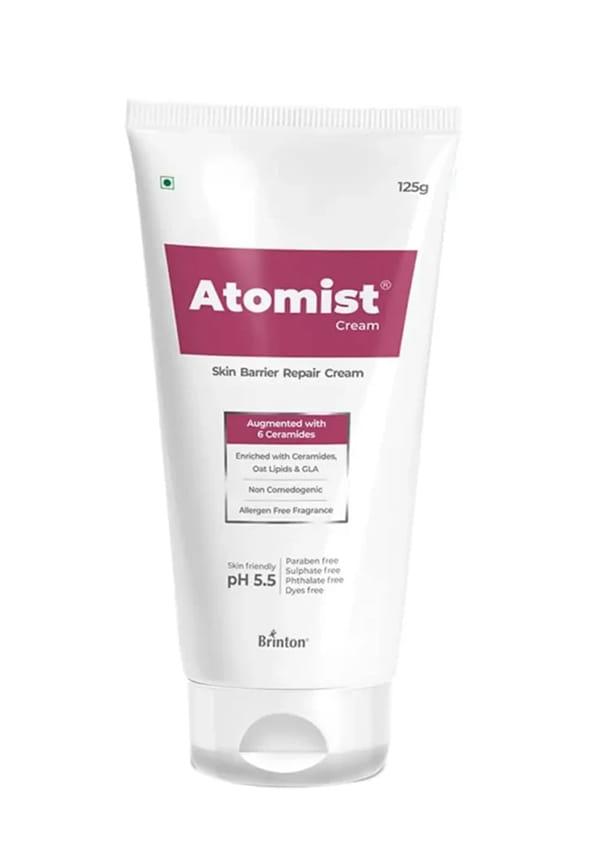
Atomist Skin Barrier Repair Cream
Avoid products with alcohol denat, strong fragrances, or essential oils while your barrier heals. Even natural ingredients like tea tree oil or peppermint can be too harsh for damaged skin. Stick to fragrance-free formulations until your skin feels normal again.
Your skincare routine for damaged barrier should be incredibly simple for the first two weeks. In the morning, use a gentle cleanser, apply a barrier-repair moisturiser to damp skin, and finish with broad-spectrum SPF 30 or higher. That's it.
Evening routines should focus on overnight repair. Cleanse gently, apply a slightly richer moisturiser or a dedicated overnight barrier treatment, and let your skin do its healing work while you sleep.
During weeks three and four, you can start strengthening your routine if your skin feels comfortable. This might mean adding a gentle hydrating serum or switching to a more nourishing moisturiser. Monitor how your skin responds to any changes.
After four to six weeks, if your skin feels normal again, you can consider the maintenance phase. This involves protecting your newly healed barrier and preventing future damage through careful product choices and proper application techniques.
India's humidity can actually help with barrier repair by providing extra moisture in the air. However, monsoon season requires extra care to prevent fungal issues. Use lighter moisturisers during humid months and ensure proper ventilation in your skincare storage area.
Wait at least four to six weeks before considering any actives. Your skin needs this time to fully rebuild its protective barrier. When you're ready to reintroduce actives, start with the gentlest option and the lowest concentration available.
Patch testing becomes crucial after barrier damage. Apply a small amount of the product to your inner arm or behind your ear and wait 24-48 hours to check for reactions. If there's no irritation, try it on a small area of your face.
Begin with once-weekly application, preferably in the evening. If your skin tolerates this well for two weeks, you can increase to twice weekly. Never rush this process - your skin will tell you when it's ready for more.
Choose one active at a time for reintroduction. Don't layer multiple actives until your skin has fully adjusted to each individual ingredient. This makes it easier to identify any problems and prevents overwhelming your newly healed barrier.
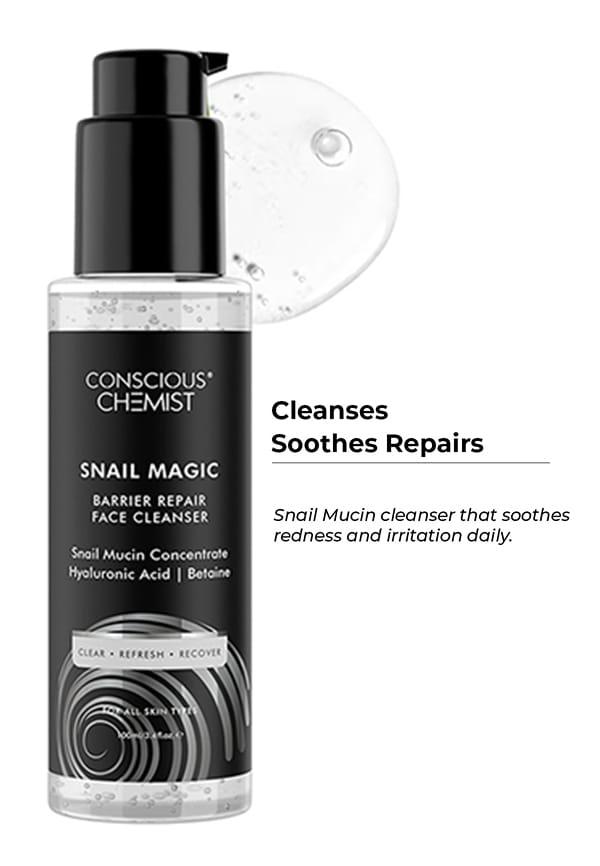
Snail Magic Barrier Repair Low pH Gel Cleanser
Future prevention involves understanding your skin's limits. Keep a skincare diary noting how your skin responds to different products and frequencies. This helps you identify patterns and avoid repeating the same mistakes.
Most people see significant improvement within 4-6 weeks of following a gentle routine. However, complete barrier restoration can take 8-12 weeks depending on the severity of damage and your skin's natural healing ability. Factors like age, overall health, and environmental conditions affect healing speed.
While you can't completely repair barrier damage overnight, you can start the healing process immediately. Your skin does most of its repair work while you sleep, so using a good overnight treatment can provide noticeable improvement by morning. Focus on hydration and gentle, barrier-supporting ingredients.
Stop all actives immediately and switch to a basic three-step routine: gentle cleanser, simple moisturiser, and SPF. Avoid anything that stings or causes discomfort. Apply cool compresses if your skin feels particularly irritated, and resist the urge to add more products to 'fix' the problem.
Signs of healing include reduced sensitivity to products, less redness and irritation, improved skin texture, and the return of your skin's natural glow. Your skin should feel comfortable rather than tight or stinging. The healing process is gradual, so look for small improvements rather than dramatic overnight changes.
Some initial adjustment is normal as your skin adapts to a simplified routine, but your skin shouldn't get significantly worse. If irritation increases or new problems develop, reassess your products and consider seeing a dermatologist. True barrier repair should feel progressively more comfortable, not worse.
Repairing skin barrier damage requires patience and consistency, but your skin has an amazing ability to heal itself when given the right support. The key is simplifying your routine, choosing gentle products with barrier-supporting ingredients, and giving your skin time to recover.
Remember that healthy skin is more important than perfect skin. A strong barrier protects against environmental damage, maintains hydration, and creates the foundation for any future skincare goals. Once your barrier is healthy again, you can slowly reintroduce actives with a better understanding of your skin's limits.
If you're curious about trying new barrier-repair products but hesitant to commit to full sizes after your experience with damaged skin, platforms like Smytten let you test products in smaller sizes first. This approach helps you find what works for your skin without the risk of wasting money on products that might not suit your newly sensitive skin. With over 28 million users discovering products this way, it's become a trusted method for making smarter skincare choices.
