How to Repair Aging Skin with Powerful Ceramides

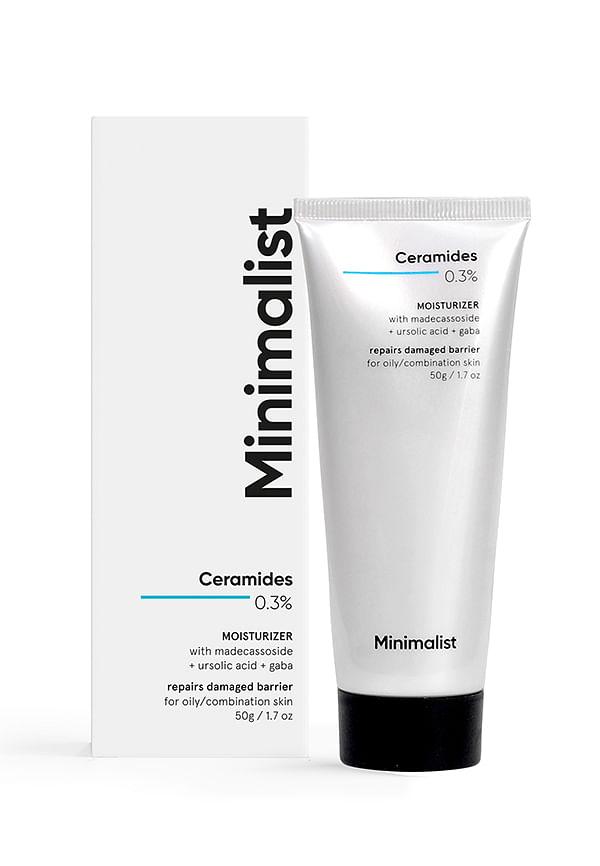 50 gm
50 gmCeramides 0.3% Moisturizer with Madecassoside
Let's be real—watching your skin change as you age can feel like a proper rollercoaster. One day you're glowing, the next you're wondering where all that plumpness went. But here's the thing: your skin isn't just being dramatic. There's actual science behind why it starts feeling drier, looking less bouncy, and developing those fine lines that seem to appear overnight. The good news? Ceramides for aging skin repair might just be the game-changer you've been looking for. These little powerhouses work from the inside out to restore what time has taken away, and honestly, the results speak for themselves.
Think of ceramides as your skin's natural bouncers—they're the lipids that keep the good stuff in and the bad stuff out. But unlike those intimidating club bouncers, ceramides are actually working 24/7 to maintain your skin barrier repair and keep everything running smoothly. When your skin is young and happy, it produces plenty of these protective molecules. But as we age, production starts to slow down, leaving your skin vulnerable and, frankly, a bit cranky.
Ceramides make up about 50% of your skin's outer layer, forming a protective barrier that locks in moisture and keeps irritants out. They're basically the mortar between your skin cells (the bricks), creating a strong, waterproof wall. When this barrier is intact, your skin looks plump, feels soft, and has that enviable glow we all want.
Here's where it gets a bit depressing: after age 30, your skin's ceramide production drops by about 40%. That's nearly half! No wonder your skin starts feeling different. This decline accelerates the aging skin solutions you need become more crucial. Your skin barrier weakens, moisture escapes faster, and environmental damage becomes more noticeable.
Whilst retinol speeds up cell turnover and vitamin C brightens, ceramides focus on fundamental repair. They don't just treat symptoms—they rebuild your skin's foundation. This makes them perfect partners for other actives, enhancing their effectiveness whilst providing the stability your skin craves.
The ceramides benefits for mature skin go way beyond basic moisturising. Clinical studies show these lipids can genuinely reverse some signs of aging, and the results are pretty impressive. Let's break down exactly what ceramides can do for your skin and why they're worth getting excited about.
When your skin barrier is compromised, fine lines become more pronounced because there's less moisture plumping them from within. Ceramides restore this moisture retention, naturally smoothing out those pesky lines. Studies show a 20% reduction in fine line appearance after 8 weeks of consistent use.
As ceramides rebuild your skin barrier, they also support the proteins that keep your skin firm. Better barrier function means better skin elasticity, leading to that bouncy, youthful feel you thought was gone forever. Your skin literally becomes more resilient.
Unlike heavy creams that sit on top, ceramides work within your skin's structure to improve skin hydration from the inside. They help your skin hold onto water more effectively, creating lasting moisture that doesn't disappear by lunchtime.
A strong ceramide barrier shields your skin from pollution, UV damage, and other environmental stressors that accelerate aging. Think of it as your skin's personal bodyguard, working round the clock to keep the nasties out.
Mature skin often becomes more reactive as the barrier weakens. Ceramides calm this sensitivity by restoring barrier integrity, making your skin more tolerant of other anti-aging skincare ingredients you want to use.
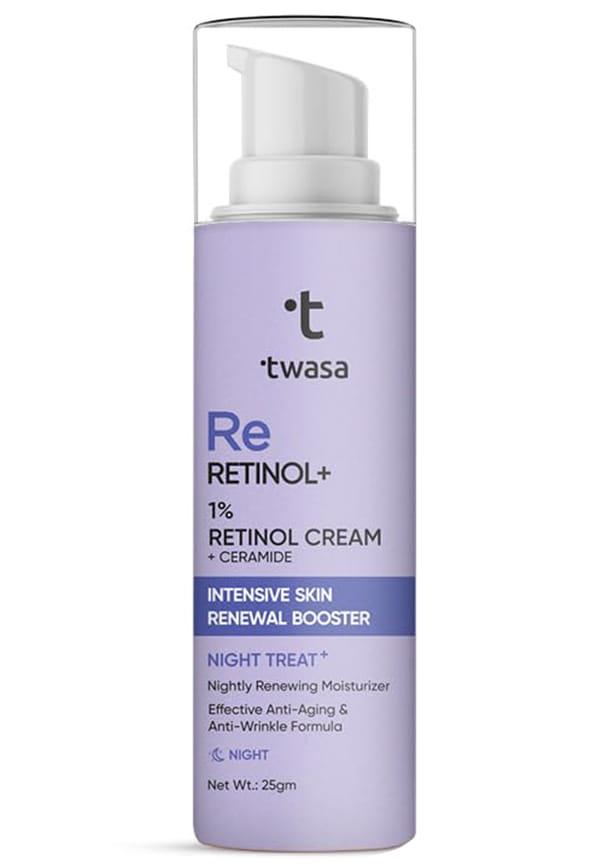 25G
25G1% Retinol Anti-ageing Night Cream with Ceramide
Choosing between a ceramide cream and ceramide serum isn't about picking sides—it's about understanding what your skin needs and when. Both have their place in a solid anti-aging routine, and honestly, you might find that using both gives you the best results.
Ceramide creams are brilliant for dry skin treatment because they combine ceramides with other nourishing ingredients like fatty acids and cholesterol. They're perfect for evening use when your skin can really drink up all that goodness overnight.
Serums deliver a higher concentration of ceramides in a lighter formula that absorbs quickly. They're ideal for layering under other products and work beautifully in morning routines when you don't want anything too heavy under your SPF.
Here's a pro tip: use both. Apply ceramide serum first for that concentrated dose, then follow with a ceramide cream to lock everything in. This layering technique maximises the skin barrier repair benefits whilst ensuring your skin stays comfortable all day.
Apply ceramide products to slightly damp skin for better absorption. Morning serums should go under SPF, whilst evening creams can be your final step. Always use gentle upward motions and don't forget your neck—it ages too!
Not all ceramides are created equal, and knowing which ones to look for can make a real difference in your results. The most effective formulations typically contain a blend of different ceramide types, each bringing something unique to the table for comprehensive aging skin solutions.
This is the most abundant ceramide in healthy skin and the most researched for anti-aging benefits. Ceramide NP excels at restoring barrier function and is particularly effective for mature skin that's lost its resilience.
Ceramide AP works brilliantly for improving skin texture and maintaining long-lasting hydration. It's especially good for addressing the roughness that often comes with aging skin.
This ceramide is crucial for maintaining skin barrier integrity and is often depleted in aging skin. Replenishing ceramide EOP levels can significantly improve your skin's ability to retain moisture and resist environmental damage.
Both synthetic and plant-derived ceramides can be effective, but synthetic versions are often more stable and better researched. Plant-derived options from sources like rice or wheat can be gentler for sensitive skin types.
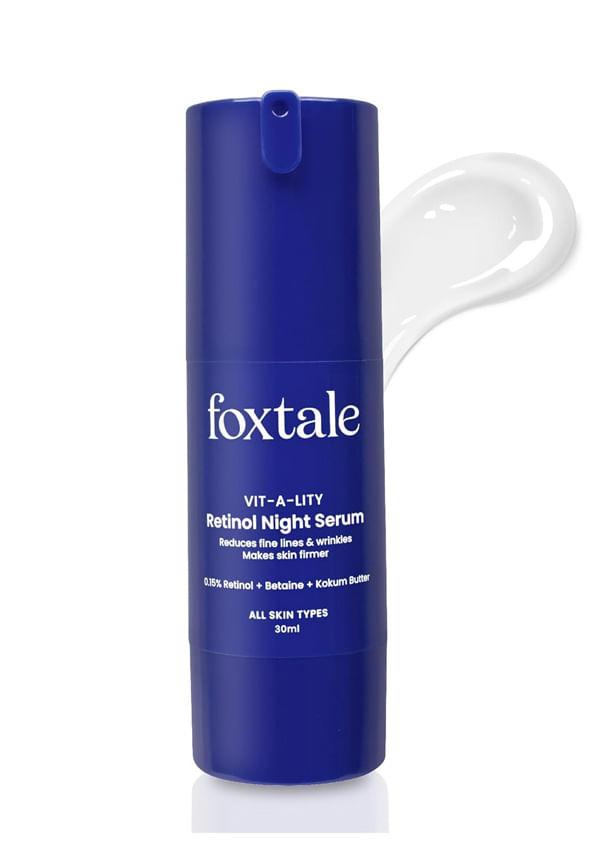 30 ml
30 ml0.15% Beginner Friendly Retinol Night Serum, Anti-Aging Night Cream
Look for products with at least 1-2% ceramide content for noticeable results. Higher concentrations aren't always better—it's about the quality of the formulation and how well the ceramides are delivered to your skin.
Finding the right ceramide product isn't just about grabbing the first one you see—your specific skin type and concerns should guide your choice. What works brilliantly for your friend might not be your perfect match, and that's completely normal.
If your skin feels tight and looks a bit dull, opt for richer ceramide cream formulations with added ingredients like squalane or shea butter. These provide the extra nourishment that dry, mature skin craves.
Sensitive skin needs ceramides without the extras that might cause irritation. Look for fragrance-free formulations with minimal ingredients and avoid products with essential oils or strong preservatives.
Combination skin can be tricky, but lightweight ceramide serums work well because they provide barrier repair without overwhelming oily areas. You can always add a richer cream just to the drier parts of your face.
The best ceramide products often include complementary ingredients like: • Niacinamide for additional barrier support • Hyaluronic acid for extra hydration • Cholesterol and fatty acids to mimic your skin's natural lipid profile • Peptides for added anti-aging benefits
Ceramides should appear in the first few ingredients for maximum effectiveness. Avoid products that list ceramides at the very end—you're probably not getting enough to make a difference.
Creating an effective routine with ceramides isn't complicated, but timing and layering matter more than you might think. The key is building a routine that supports your skin's natural repair processes whilst maximising the anti-aging skincare benefits of every product you use.
Start with a gentle cleanser, apply ceramide serum to damp skin, follow with a lightweight moisturiser if needed, and always finish with SPF. This sequence protects your newly repaired barrier from daily environmental damage.
Evening is when your skin does its heavy lifting. After cleansing, apply any active treatments (like retinol), wait 10-15 minutes, then apply your ceramide serum or cream. This timing prevents interference between ingredients whilst maximising absorption.
Ceramides actually make other actives more tolerable by strengthening your skin barrier. Use vitamin C in the morning with ceramides for protection, and retinol at night with ceramides for enhanced tolerance and better results.
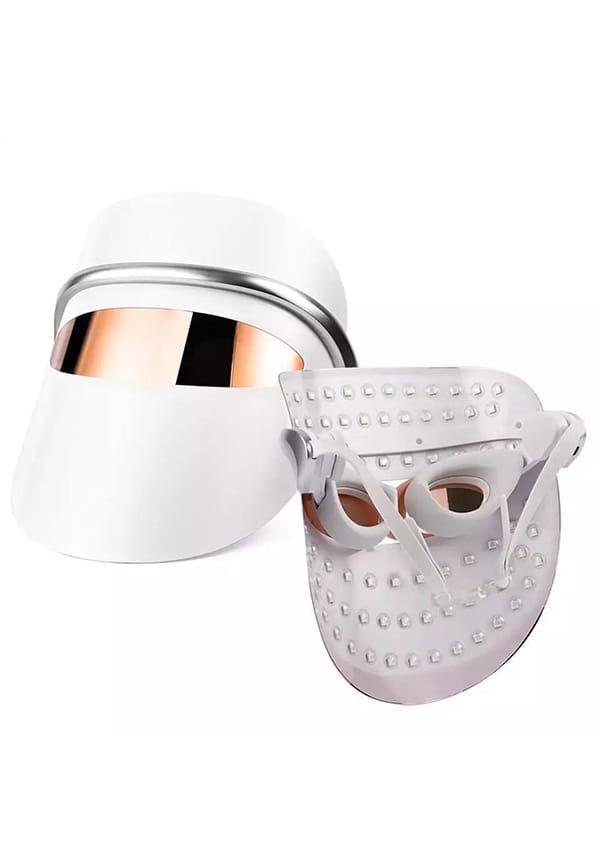 1 unit
Advanced LED Light Therapy Face Mask DIY Reduces Wrinkles, Anti Aging
Don't apply ceramides to completely dry skin—they absorb better on slightly damp skin. Also, avoid over-cleansing, which strips away the ceramides you're trying to build up. Gentle is always better for mature skin.
You might notice improved hydration within a week, but significant wrinkle reduction and barrier repair typically take 4-8 weeks of consistent use. Patience is key—good things take time. When you're ready to explore ceramide products, platforms like Smytten make it easy to try different formulations without committing to full sizes. With trial packs from trusted brands, you can discover which ceramide products work best for your skin before making larger investments.
Absolutely! Ceramides are particularly beneficial for aging skin because they address the fundamental issue of barrier breakdown that occurs with age. They help restore moisture retention, reduce fine lines, and improve overall skin resilience.
Ceramides can't reverse all signs of aging, but they can significantly improve skin texture, hydration, and barrier function. They're excellent for reducing the appearance of fine lines and preventing further moisture loss that contributes to aging.
They work differently and complement each other beautifully. Retinol accelerates cell turnover, whilst ceramides repair and strengthen the skin barrier. Using both together often gives the best anti-aging results.
You'll typically see improved hydration within 1-2 weeks, but significant improvements in fine lines and skin texture usually take 6-8 weeks of consistent use. Everyone's skin responds differently, so patience is important.
Yes! Ceramides are generally well-tolerated and can enhance the effectiveness of other ingredients by strengthening your skin barrier. They work particularly well with retinol, vitamin C, and hyaluronic acid.
Hyaluronic acid attracts and holds water, whilst ceramides repair the barrier that keeps that water in your skin. Think of hyaluronic acid as filling a bucket with water, and ceramides as fixing the holes in the bucket.
Ceramides are generally very well-tolerated since they're naturally found in your skin. Rare reactions are usually due to other ingredients in the formulation rather than the ceramides themselves.
Ceramides for aging skin repair aren't just another skincare trend—they're a scientifically-backed solution to one of the fundamental issues that comes with mature skin. By rebuilding your skin's natural barrier, they address multiple aging concerns simultaneously, from dryness and sensitivity to fine lines and loss of elasticity. The beauty of ceramides lies in their versatility and gentleness. Whether you choose a serum for lightweight daily protection or a rich cream for intensive overnight repair, you're giving your skin exactly what it needs to function at its best. And when you combine ceramides with other proven anti-aging ingredients, you're creating a comprehensive approach that addresses aging from multiple angles. Remember, consistency is everything with skincare. The best ceramide product is the one you'll actually use every day, so don't be afraid to experiment until you find your perfect match. With platforms offering trial sizes, you can explore different formulations and find what works best for your unique skin needs without the commitment of full-size purchases. After all, why settle for maybe when you can try it all and find exactly what your skin loves?
