How to Repair a Damaged Skin Moisture Barrier: A Simple Guide


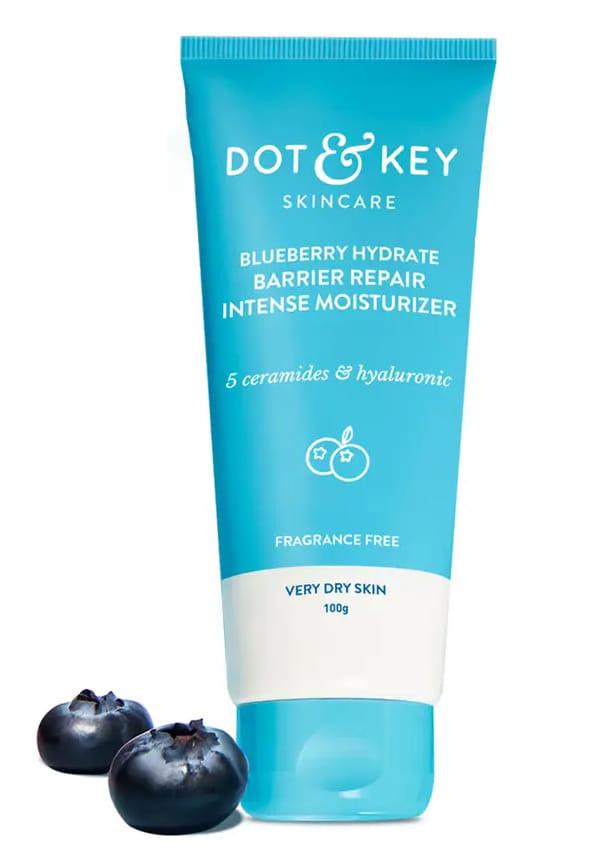
Blueberry Hydrate Barrier Repair Intense Moisturizer
You've been religiously following your skincare routine, but lately, your skin feels tight, looks dull, and seems to react to everything. Sound familiar? Your skin's moisture barrier might be crying out for help. This protective shield works tirelessly to keep irritants out and hydration in, but when it's compromised, your entire complexion suffers. The good news? Learning how to repair a damaged skin moisture barrier doesn't require a dermatology degree or an expensive overhaul of your routine.
Think of your skin barrier function as your skin's natural security system. This outermost layer, called the stratum corneum, consists of skin cells held together by lipids—imagine bricks (skin cells) held together by mortar (lipids like ceramides, cholesterol, and fatty acids). When this structure is intact, it prevents water loss whilst blocking environmental nasties from penetrating your skin.
Your healthy skin barrier also contains natural moisturising factors (NMFs) that attract and hold water, keeping your skin plump and comfortable. These include amino acids, urea, and lactic acid—all working together to maintain optimal hydration levels. When everything's functioning properly, your skin feels smooth, looks radiant, and can handle your usual skincare products without fuss.
A compromised barrier, however, creates a domino effect. Water escapes more easily, leading to dehydration and sensitivity. Your skin becomes more vulnerable to bacteria, pollution, and UV damage, which can trigger inflammation and accelerate ageing. Understanding this process is the first step in knowing how to heal skin barrier damage effectively.
Recognising a damaged skin barrier isn't always straightforward, as symptoms can mimic other skin concerns. The most telling signs include persistent dryness that doesn't improve with moisturiser, increased sensitivity to products you've used before, and a tight, uncomfortable feeling even after cleansing gently.
Visual cues include dullness, flakiness, redness, and sometimes small bumps or rough texture. Your skin might feel like it's constantly thirsty, drinking up moisturiser but never feeling truly hydrated. Some people notice their makeup doesn't sit well anymore, or that their skin looks older and more tired than usual.
Common triggers for barrier damage include over-exfoliation with AHAs or physical scrubs, using too many active ingredients simultaneously, harsh weather conditions, and stress. Even seemingly innocent habits like long, hot showers or using fragranced products can gradually weaken your skin's defences. The key is distinguishing barrier damage from conditions like eczema or rosacea—barrier issues typically improve with gentle care, whilst medical conditions may require professional treatment.
Repairing your skin barrier requires patience and a strategic approach. Think of it as nursing your skin back to health rather than trying to fix everything overnight. This process focuses on removing irritants, providing essential nutrients, and creating the optimal environment for natural healing.
This might feel counterintuitive, especially if you're dealing with breakouts or pigmentation, but continuing to use retinoids, AHAs, BHAs, or vitamin C on compromised skin is like picking at a healing wound. These ingredients, whilst beneficial for healthy skin, can further disrupt an already weakened barrier.
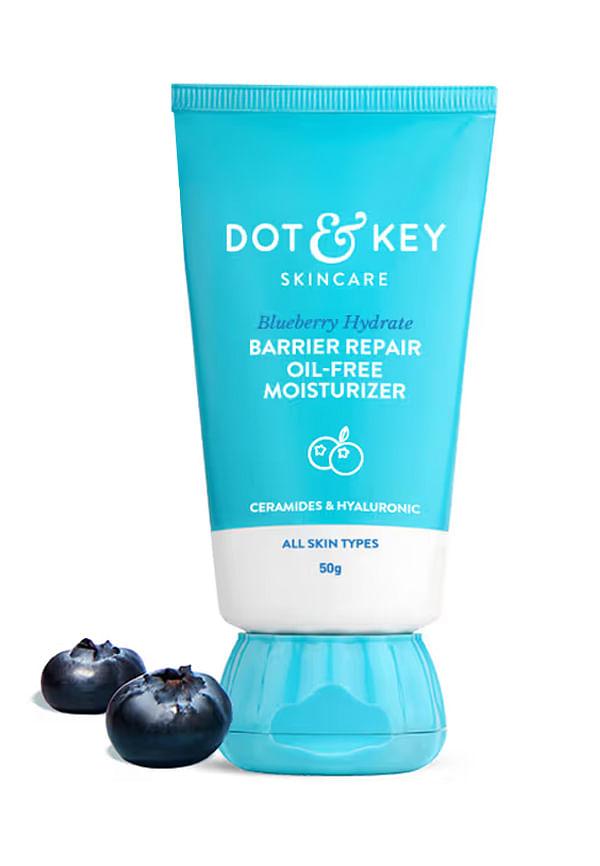
Blueberry Hydrate Barrier Repair Oil-Free Moisturizer
Put your actives aside for at least 2-4 weeks, depending on the severity of damage. Your skin needs this break to rebuild its natural defences without constant interference. Don't worry about losing progress—a healthy barrier will actually make your actives more effective when you eventually reintroduce them.
Swap your foaming cleanser for something creamy and hydrating. Look for formulas with glycerin or ceramides that cleanse without stripping. In the morning, consider cleansing with lukewarm water only—your skin doesn't accumulate much dirt overnight, and this gives your barrier extra recovery time.
Avoid anything with sulfates, fragrances, or essential oils during this healing phase. These ingredients might smell lovely, but they can irritate sensitive, compromised skin. Pat your skin dry gently rather than rubbing, and apply your next product whilst your skin is still slightly damp to lock in moisture.
Ceramides are your barrier's best friends—they're literally the building blocks your skin needs to repair itself. Hyaluronic acid provides deep hydration by holding up to 1,000 times its weight in water, whilst niacinamide helps regulate oil production and reduces inflammation.
These skin barrier ingredients work synergistically. Glycerin acts as a humectant, drawing moisture from the environment into your skin, whilst peptides can help stimulate your skin's natural repair processes. Look for products that combine several of these ingredients rather than using multiple single-ingredient serums, which might overwhelm sensitive skin.
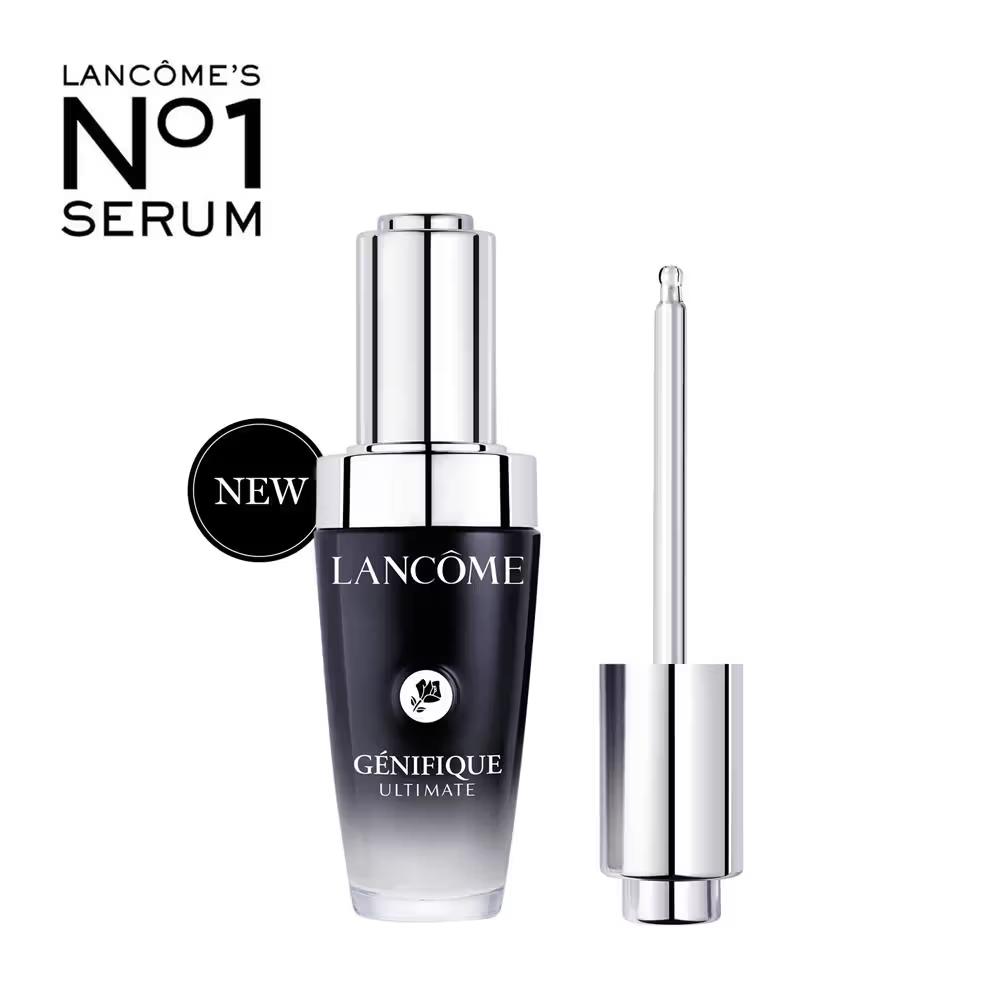
For those seeking advanced barrier repair, the Lancôme Génifique Ultimate Skin Repair Serum offers a sophisticated blend of probiotics and amino acids that work to strengthen the skin's natural defences whilst providing deep hydration. This serum helps restore skin barrier function through its unique formulation that supports the skin's microbiome, making it particularly effective for those dealing with persistent barrier damage from environmental stressors or over-treatment.
Your skin barrier cream should feel substantial without being heavy. Look for formulas with a mix of humectants (to draw moisture in), emollients (to smooth and soften), and occlusives (to prevent water loss). Ingredients like shea butter, squalane, and petrolatum create a protective seal whilst allowing your skin to breathe.
Apply your moisturiser to slightly damp skin and don't be afraid to layer. Start with a hydrating serum, follow with your moisturiser, and if your skin is particularly dry, add a facial oil on top. This technique, called the sandwich method, maximises hydration and gives your barrier the support it needs to heal.
When shopping for barrier repair products, focus on formulas that combine multiple beneficial ingredients rather than single-ingredient solutions. The most effective products often contain a blend of ceramides, cholesterol, and fatty acids in ratios that mimic your skin's natural lipid composition.
For cleansers, look for cream or lotion textures with ingredients like glycerin and panthenol. Avoid anything that foams heavily or contains sulfates. Your cleanser should leave your skin feeling clean but not tight or squeaky—that stripped feeling is a sign it's too harsh for barrier repair.
In serums and treatments, prioritise hyaluronic acid, niacinamide, and centella asiatica. These ingredients provide hydration, reduce inflammation, and support healing without irritation. For moisturisers, seek out formulas with ceramides, squalane, and cholesterol—these lipids directly replenish what your damaged barrier is missing.
Budget-friendly options often work just as well as premium formulas. The key is consistency and patience rather than expensive ingredients. Many affordable brands now offer ceramide-rich formulas that rival high-end alternatives in effectiveness.
Supporting your skin barrier repair from the inside out can accelerate healing. Focus on foods rich in omega-3 fatty acids like salmon, walnuts, and flaxseeds, which provide the building blocks for healthy skin lipids. Staying properly hydrated helps maintain your skin's moisture levels, though drinking water alone won't fix a damaged barrier.
Lifestyle factors play a crucial role too. Getting adequate sleep allows your skin to repair itself naturally, whilst managing stress prevents cortisol from interfering with barrier function. Consider using a humidifier in dry environments, especially during winter months when indoor heating can further compromise your skin.
Simple DIY approaches include applying a thin layer of pure honey as a gentle mask—its antimicrobial and humectant properties can soothe irritated skin. However, avoid DIY recipes with lemon, baking soda, or essential oils, which can worsen barrier damage. When natural methods aren't providing sufficient improvement after 4-6 weeks, it's time to consider professional help.
The timeline for skin barrier repair varies depending on the severity of damage and your skin's natural healing capacity. Most people notice initial improvements within 1-2 weeks—reduced tightness, less sensitivity, and better tolerance of products. However, complete restoration typically takes 4-6 weeks of consistent, gentle care.
During the first week, focus on eliminating irritants and introducing gentle, hydrating products. Your skin might initially feel worse as it adjusts to the new routine, but resist the urge to add more products. Week two usually brings noticeable comfort improvements—less stinging when applying products and reduced overall sensitivity.
By weeks three and four, you should see visual improvements: better texture, reduced flakiness, and a healthier glow. Your skin should feel more resilient and comfortable throughout the day. After six weeks of consistent barrier repair, most people can gradually reintroduce gentle actives if desired, though many find their skin looks and feels better with a simplified routine.
Several factors influence healing speed, including age, overall health, environmental conditions, and the extent of initial damage. Younger skin typically heals faster, whilst chronic conditions or continued exposure to irritants can slow progress. The good news is that barrier damage is generally reversible with proper care and patience.
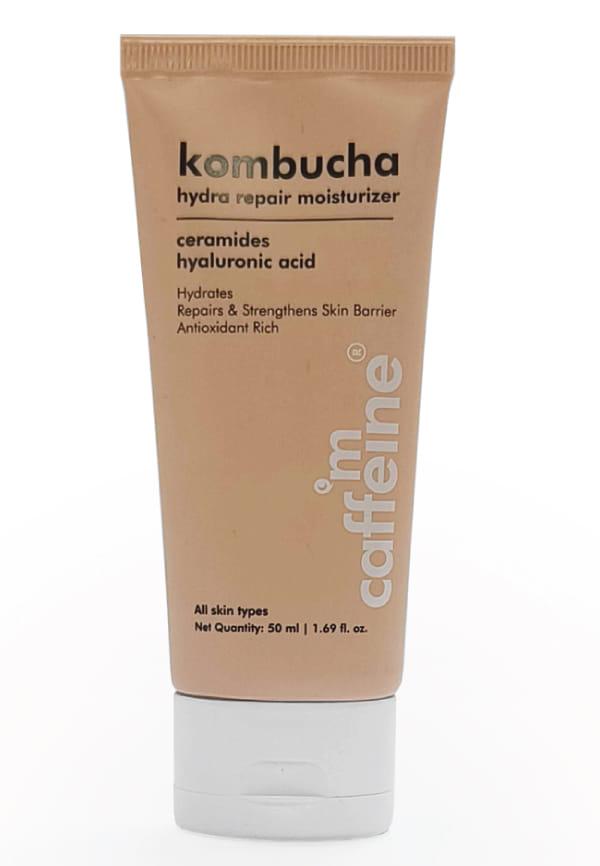
Kombucha Hydra Repair Moisturizer |Hydrates Repairs & strengthens skin barrier
Whilst there's no overnight fix, the fastest approach involves immediately stopping all active ingredients, switching to a gentle cleanser, and using a rich moisturiser with ceramides and hyaluronic acid. Most people see initial improvements within 7-10 days, but complete healing takes 4-6 weeks. Patience and consistency are more effective than trying to rush the process.
Natural healing focuses on supporting your skin's innate repair mechanisms. Use gentle, fragrance-free products, maintain proper hydration, get adequate sleep, and eat foods rich in omega-3 fatty acids. Simple ingredients like glycerin, squalane, and ceramides work with your skin's natural processes rather than against them.
Yes, but choose products carefully. Opt for mineral foundations or tinted moisturisers instead of heavy, full-coverage formulas. Avoid makeup with fragrances, alcohol, or harsh preservatives. Always use a gentle, hydrating primer and remove makeup with a creamy cleanser rather than makeup wipes, which can further irritate compromised skin.
The biggest mistake is impatience—adding new products or reintroducing actives too quickly. Other common errors include using hot water, over-cleansing, continuing to exfoliate, and switching products frequently. Consistency with a simple, gentle routine is more effective than constantly trying new solutions.
Consult a professional if your symptoms worsen after 2-3 weeks of gentle care, if you develop persistent redness or swelling, or if you suspect an underlying condition like eczema or rosacea. Severe burning, persistent breakouts, or signs of infection also warrant professional evaluation.
Learning how to repair a damaged skin moisture barrier is ultimately about patience, consistency, and listening to your skin's needs. The process might feel slow, especially when you're used to seeing quick results from active ingredients, but rebuilding your skin's natural defences creates a foundation for long-term skin health.
Remember that a healthy barrier makes everything else work better—your moisturisers absorb more effectively, your actives penetrate properly when you reintroduce them, and your skin becomes more resilient to environmental stressors. The investment in barrier repair pays dividends in improved texture, reduced sensitivity, and a natural glow that no amount of highlighting can replicate.
For those looking to explore barrier repair products without committing to full sizes, Smytten offers curated trial packs from trusted brands, letting you test different formulations to find what works best for your skin. With over 28 million users discovering their perfect products through trials, it's a smart way to build your barrier repair routine with confidence.
