How to Remove Pigmentation: Fade Dark Spots Naturally


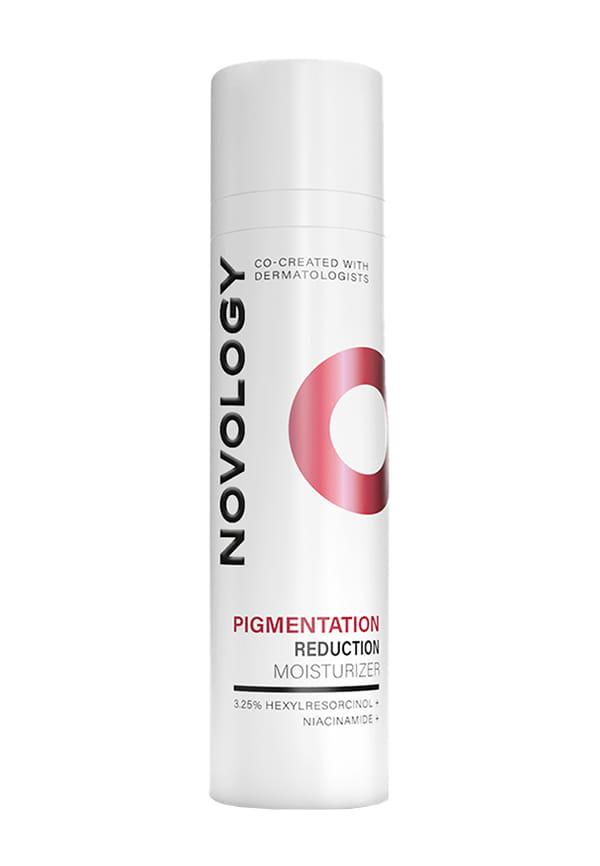 50 g
50 gPigmentation Moisturiser, Face Cream for Hyperpigmentation & Dark Spots
Dark spots and uneven skin tone can feel like unwelcome guests that just won't leave. Whether it's from that stubborn acne mark or those sun-kissed patches that overstayed their welcome, dealing with pigmentation is something most of us face at some point. The good news? You're not stuck with them forever. With the right approach and a bit of patience, you can fade dark spots and work towards that even skin tone you've been dreaming of. Let's dive into everything you need to know about how to remove pigmentation naturally and effectively.
Before we jump into solutions, let's get real about what we're dealing with. Pigmentation happens when your skin produces too much melanin in certain areas, creating those darker patches that stand out from your natural skin tone. Think of melanin as your skin's natural sunscreen - it's actually trying to protect you, but sometimes it gets a bit overzealous.
Not all dark spots are created equal. Post-inflammatory hyperpigmentation (PIH) shows up after acne, cuts, or any skin trauma - basically your skin's way of healing but leaving a mark behind. Melasma is the hormonal troublemaker, often triggered by pregnancy or birth control, creating symmetrical patches usually on the face. Age spots are those sun damage souvenirs that appear over time, whilst acanthosis nigricans creates darker, velvety patches often linked to insulin resistance.
The main culprit behind most pigmentation issues is UV radiation. When your skin gets hit by those rays, it kicks melanin production into overdrive. Hormonal fluctuations during pregnancy, menopause, or from medications can also trigger melanin overproduction. Inflammation from acne, eczema, or even aggressive skincare can leave lasting marks. Sometimes, it's just down to genetics - thanks, family tree.
Here's the thing about pigmentation removal - it's not an overnight miracle. Your skin has a natural turnover cycle of about 28-40 days, which means it takes at least that long to see any real changes. Deeper pigmentation that's been hanging around for years will take even longer to fade. The key is consistency and realistic expectations.
Let's talk about natural remedies that actually work. Whilst they might take longer than clinical treatments, these gentle options can be brilliant for mild pigmentation and sensitive skin types.
Aloe vera contains aloin, a compound that can gently lighten pigmentation whilst soothing inflammation. Turmeric brings curcumin to the party - a powerful anti-inflammatory that can help prevent new pigmentation from forming. Kojic acid from rice acts as a natural tyrosinase inhibitor, basically telling your skin to chill out on the melanin production.
Licorice root extract contains glabridin, which can suppress melanin production without irritating sensitive skin. Green tea is packed with antioxidants that protect against further damage whilst providing gentle brightening effects. Even potato juice has vitamin C and enzymes that can help fade spots over time.
Mix turmeric powder with honey for a gentle brightening mask - leave it on for 15 minutes twice a week. A combination of yogurt and tomato pulp creates a natural exfoliating treatment rich in lactic acid and vitamin C. Rice water makes an excellent toner when applied daily with a cotton pad.
Always do a patch test first - natural doesn't automatically mean gentle for everyone. Some people are sensitive to turmeric or citrus-based treatments.
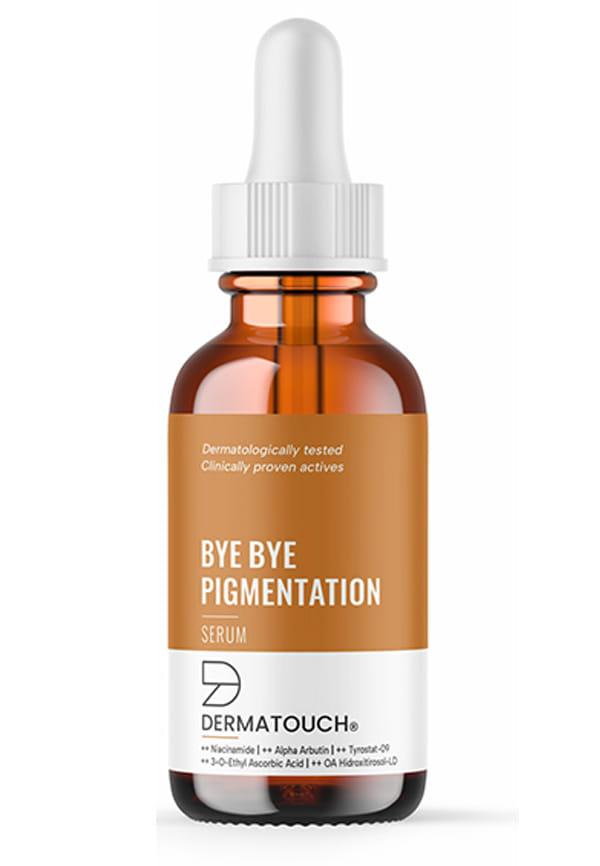 30ml
30mlBye Bye Pigmentation Serum, For Pigmentation, Dark Spots, Blemishes
Natural remedies typically take 8-12 weeks to show noticeable results, and they work best on newer, surface-level pigmentation. They're brilliant for maintenance and prevention but might not be enough for stubborn, deep-set spots. That's when you might want to consider stepping up your game with proven actives or professional treatments.
When natural remedies aren't cutting it, it's time to bring in the big guns. These scientifically-proven ingredients have serious research backing their pigmentation-fighting abilities.
Hydroquinone is often called the gold standard for pigmentation removal. You can find 2% concentrations over-the-counter, whilst stronger versions require a prescription. Retinoids like retinol and tretinoin speed up cell turnover, helping pigmented cells shed faster whilst preventing new spots from forming.
Vitamin C in the form of L-ascorbic acid can brighten skin and prevent new pigmentation when used consistently. Look for concentrations between 10-20% for effectiveness without irritation. Azelaic acid is brilliant because it tackles both acne and pigmentation simultaneously - perfect if you're dealing with both issues.
If your skin throws a tantrum with stronger actives, niacinamide is your friend. It reduces inflammation whilst gently brightening skin over time. Alpha arbutin works similarly to hydroquinone but with less risk of irritation. Bakuchiol offers retinol-like benefits from a plant source, making it perfect for sensitive or pregnant skin.
Morning routines should focus on vitamin C and sunscreen, whilst evenings are perfect for retinoids and other actives. Never mix vitamin C with retinoids directly - they can neutralise each other. Start slowly with new actives, introducing them every other night before building up to daily use.
Sometimes you need to call in the professionals. These treatments can deliver faster, more dramatic results for stubborn pigmentation that won't budge with at-home methods.
Chemical peels use acids to remove the top layers of skin, taking pigmented cells with them. Glycolic acid peels range from gentle 20% treatments to stronger 70% professional peels. TCA peels go deeper for more stubborn pigmentation but require more downtime. Jessner's peels combine multiple acids for comprehensive treatment.
Expect some peeling and redness for a few days to a week, depending on the depth of treatment. Results typically show within 2-4 weeks.
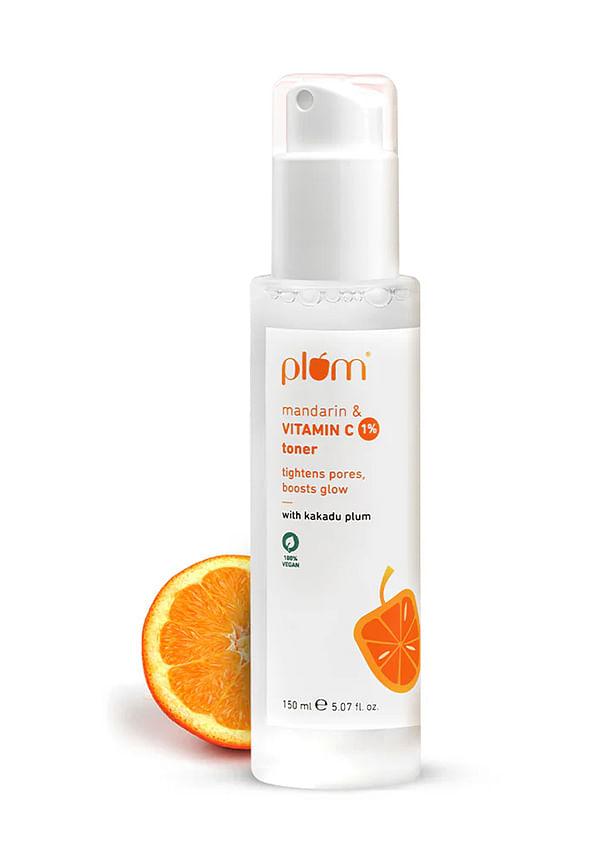 150 ml
1% Vitamin C Toner with Mandarin & Kakadu | Reduces Dark Spots
IPL (Intense Pulsed Light) targets surface pigmentation with minimal downtime. Q-switched lasers can tackle deeper, more stubborn spots but might require multiple sessions. Fractional laser resurfacing creates controlled micro-injuries to stimulate skin renewal.
These treatments can range from ₹5,000 to ₹25,000 per session, with most people needing 3-6 sessions for optimal results.
Microneedling creates tiny channels in the skin, allowing serums to penetrate deeper. When combined with vitamin C or other brightening serums, it can enhance pigmentation treatment results. Professional treatments are more effective than at-home devices but require proper aftercare.
Here's the truth bomb - without proper sun protection, any pigmentation treatment is basically pointless. UV exposure will undo all your hard work faster than you can say "dark spots".
Broad-spectrum SPF 30 is the absolute minimum, but SPF 50 is better if you're serious about fading existing pigmentation. Reapply every two hours, even indoors if you're near windows. Physical sunscreens with zinc oxide or titanium dioxide are often gentler for sensitive, treated skin.
Wide-brimmed hats and UV-protective clothing add extra layers of defence. Seek shade during peak UV hours from 10 AM to 4 PM. Don't forget about indoor UV exposure - windows don't block all harmful rays, especially if you work near them all day.
After chemical peels or laser treatments, your skin becomes extra sensitive to UV damage. Some treatments can make you photosensitive for weeks or even months. During this time, religious sun protection isn't just recommended - it's essential to prevent rebound pigmentation that could be worse than what you started with.
Let's set realistic expectations because patience is absolutely crucial when dealing with pigmentation. Understanding the timeline helps you stay motivated when results seem slow.
During weeks 1-4, your skin is adjusting to new treatments. You might see some initial brightening but don't expect dramatic changes yet. Weeks 4-8 often bring the first real signs of improvement - spots might start looking lighter or less defined. Weeks 8-16 are when significant fading becomes visible, and by months 4-6, you should see optimal results from consistent treatment.
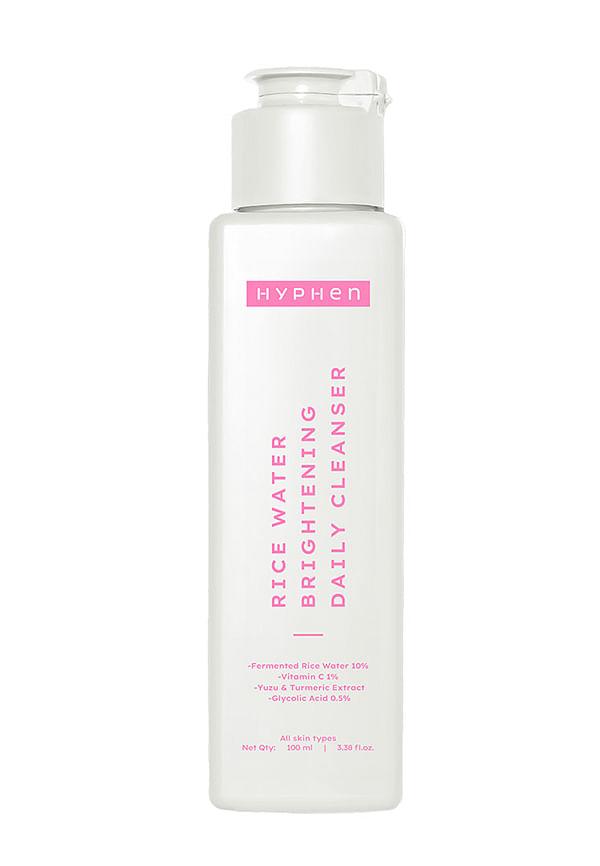 100 ml
Rice Water Brightening Daily Cleanser | Brightens Skin, Reduces Dark Spots
Your skin type and the depth of pigmentation play huge roles in how quickly you'll see results. Consistency with your treatment regimen is absolutely crucial - skipping days or weeks will slow progress significantly. Lifestyle factors like diet, stress levels, and sleep quality can impact skin healing and renewal.
Complete "permanent" removal of pigmentation is rare because your skin can always produce more melanin when triggered. Most successful treatments significantly reduce pigmentation, making it barely noticeable. Maintenance treatments and continued sun protection are essential for long-term results.
When you're ready to explore professional-grade skincare products for pigmentation, platforms like Smytten make it easier to find your perfect match. With curated trial packs from over 1,500 trusted brands, you can test different pigmentation-fighting products before committing to full sizes. This approach is particularly valuable when dealing with sensitive skin or trying new active ingredients.
Natural remedies can lighten mild pigmentation over 2-3 months, but severe cases typically require professional treatment for significant results. Ingredients like aloe vera, turmeric, and vitamin C can help, but patience and consistency are key.
Complete removal in 3 days isn't realistic, but you can start the fading process immediately. Begin with daily broad-spectrum sunscreen, gentle exfoliation, and natural brightening ingredients like aloe vera gel.
Professional treatments like chemical peels and laser therapy offer the fastest results, typically showing improvement within 2-4 weeks. However, even these treatments require multiple sessions for optimal results.
Hyperpigmentation can be significantly reduced but rarely completely eliminated permanently. Your skin can always produce more melanin when triggered by sun exposure, hormones, or inflammation. Ongoing maintenance and sun protection are essential.
Proven ingredients include hydroquinone, retinoids, vitamin C, and azelaic acid. The best product depends on your skin type, sensitivity level, and the type of pigmentation you're treating. Starting with gentler options and gradually building up is often the safest approach.
Dealing with pigmentation requires patience, consistency, and realistic expectations. Whether you choose natural remedies, proven actives, or professional treatments, the key is finding what works for your skin type and lifestyle. Remember that sun protection isn't optional - it's the foundation of any successful pigmentation treatment plan.
Start with gentle approaches and gradually build up your routine. With Smytten's trial packs, you can explore different pigmentation-fighting products from trusted brands without the commitment of full-size purchases. This lets you discover what works best for your unique skin needs whilst building a routine that you'll actually stick to. After all, the best skincare routine is the one you'll use consistently. Why settle for maybe when you can try it all and find your perfect pigmentation-fighting arsenal?
