How to Remove Dark Pigmentation on Face: A Complete Guide


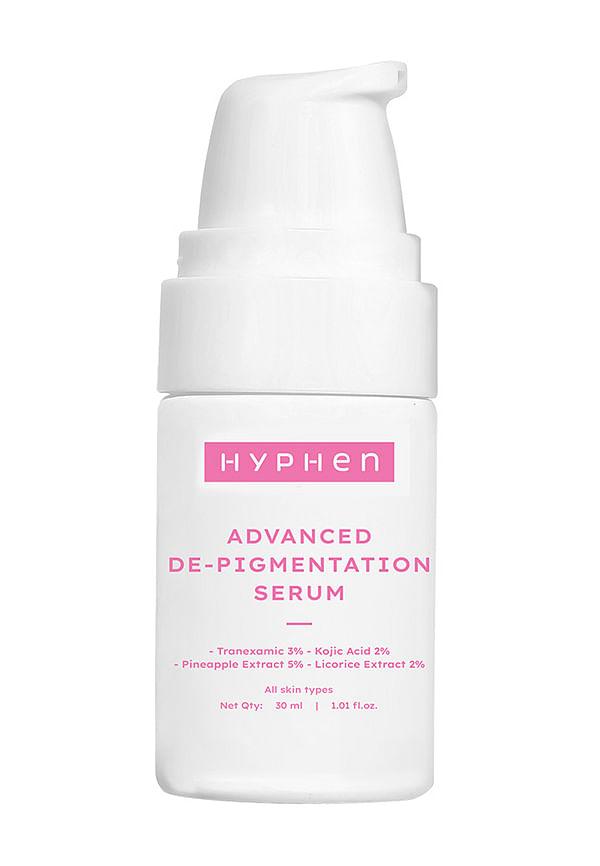 30 ml
30 mlAdvanced De-Pigmentation Serum For Hyperpigmentation, Melasma, Dark Spots & Scars
Dark patches on your face can feel like unwelcome guests that just won't leave. Whether it's stubborn melasma from hormonal changes, pesky acne marks, or those sneaky age spots that appeared overnight, dealing with uneven skin tone can be frustrating. The good news? You're not stuck with them forever. Understanding how to remove dark pigmentation on face involves a mix of science-backed treatments, natural remedies, and a solid prevention game plan. Let's dive into everything you need to know about getting your glow back.
Before jumping into treatments, it helps to understand what causes those dark spots in the first place. Think of melanin as your skin's natural sunscreen—it's produced to protect you from UV damage. Sometimes, though, this process goes a bit haywire, leading to skin discoloration causes that range from hormonal shifts to inflammation.
Sun exposure tops the list of culprits. Those UV rays trigger melanin production, and over time, this can lead to uneven patches. Hormonal changes during pregnancy or from birth control can cause melasma—those symmetrical brown patches that love to appear on cheeks and forehead. Post-inflammatory hyperpigmentation happens when your skin produces extra melanin after injury or inflammation, like from acne or harsh scrubbing.
Not all dark spots are created equal. Age spots tend to be small, well-defined, and appear on sun-exposed areas. Melasma shows up as larger, irregular patches, often on both sides of the face. Post-inflammatory marks can vary in size and usually appear where you've had breakouts or skin trauma.
When it comes to melanin reduction, certain ingredients have proven track records. These powerhouse components work by either blocking melanin production or speeding up cell turnover to fade existing spots.
Hydroquinone is often called the gold standard for a reason—it directly inhibits the enzyme that produces melanin. You'll find it in concentrations up to 2% in over-the-counter products, though dermatologists can prescribe stronger versions.
Retinoids are vitamin A derivatives that accelerate cell turnover, helping fade dark spots whilst preventing new ones. They're particularly effective for post-inflammatory hyperpigmentation.
Azelaic acid offers a gentler approach, making it perfect for sensitive skin. It works by inhibiting melanin production whilst also providing anti-inflammatory benefits.
Kojic acid, derived from fungi, naturally inhibits melanin production. Tranexamic acid has gained popularity for treating stubborn melasma, whilst niacinamide helps with uneven skin tone correction by preventing melanin transfer to skin cells.
Vitamin C deserves special mention—it's both a treatment and prevention powerhouse. This antioxidant helps fade existing spots whilst protecting against future damage.
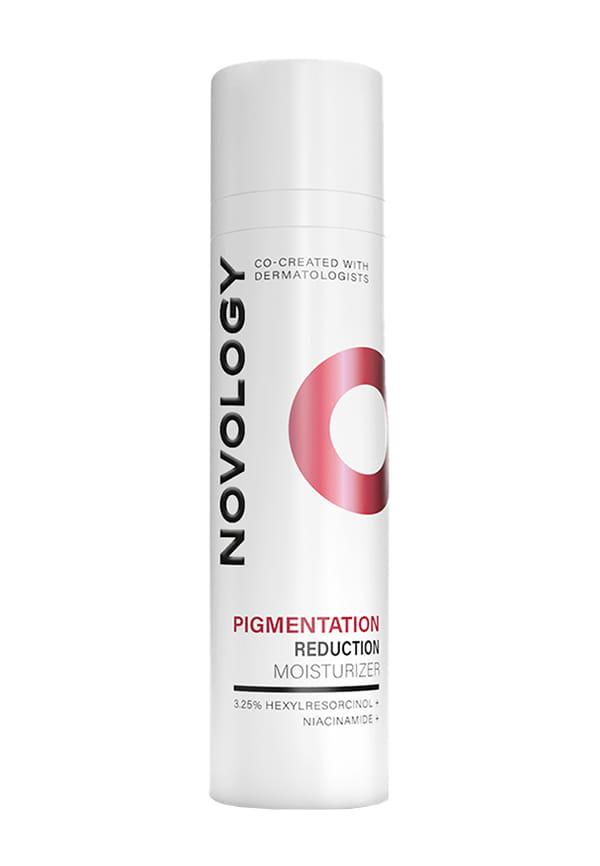 50 g
50 gPigmentation Moisturiser, Face Cream for Hyperpigmentation & Dark Spots
Sometimes, at-home treatments need backup. Professional procedures can provide faster, more dramatic results, especially for stubborn pigmentation that hasn't responded to topical treatments.
Chemical peels use acids to remove damaged skin layers, revealing fresher skin underneath. Light peels work well for surface-level pigmentation, whilst deeper peels tackle more stubborn spots.
Laser treatments target pigmented cells specifically. IPL (Intense Pulsed Light) works well for sun damage, whilst Q-switched lasers can tackle deeper pigmentation.
Microneedling combined with serums can help ingredients penetrate deeper, making it effective for post-inflammatory hyperpigmentation.
Your skin type, pigmentation severity, and budget all play roles in treatment selection. Darker skin tones need extra caution with certain procedures to avoid post-inflammatory hyperpigmentation. Always consult with a qualified dermatologist who understands your specific needs.
If you prefer starting with gentler approaches, several natural remedies for pigmentation have shown promise. Whilst they typically take longer to show results, they're often better tolerated by sensitive skin.
Aloe vera contains compounds that can inhibit melanin production. Apply fresh gel twice daily for best results.
Potato juice contains vitamin C and mild acids that can help fade dark spots. Slice a potato and rub the cut surface on affected areas, or apply the juice with a cotton pad.
Green tea extract offers antioxidant benefits that can help prevent further pigmentation whilst gently fading existing spots.
Turmeric and honey masks combine anti-inflammatory properties with gentle exfoliation. Mix equal parts and apply for 15-20 minutes.
Rice water has been used for centuries in Asian skincare. The fermented version contains kojic acid and can be used as a daily toner.
Licorice extract contains glabridin, which can help fade dark spots. Look for products containing this ingredient or make a tea to use as a toner.
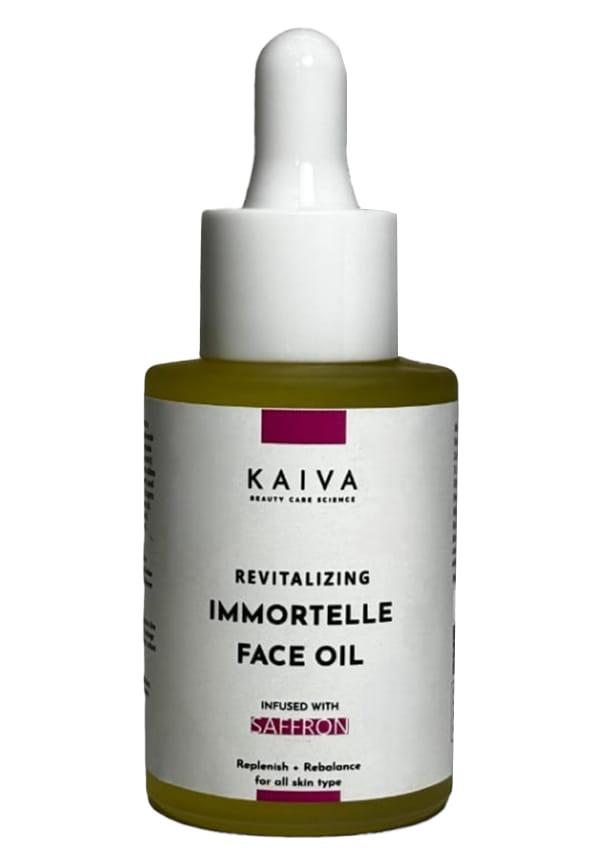 30 ml
30 mlImmortelle Face Oil | Helps Reduce Dark Spots & Pigmentation
Consistency is key when it comes to skin brightening methods. A well-structured routine maximises your chances of success whilst minimising irritation.
Start with a gentle cleanser that won't strip your skin. Follow with a vitamin C serum—this antioxidant helps prevent new pigmentation whilst working on existing spots. Always finish with broad-spectrum sunscreen of at least SPF 30. This step is non-negotiable if you want lasting results.
Double cleanse if you wear makeup or sunscreen. This is when you'll apply your treatment products—whether it's a retinoid, hydroquinone, or natural remedy. Always follow with a moisturiser to maintain your skin barrier.
Start slowly with active ingredients. Use them every other night initially, then gradually increase frequency as your skin adapts.
The most effective way to deal with pigmentation is preventing it in the first place. Sun protection isn't just about avoiding burns—it's about preventing the triggers that lead to uneven skin tone.
Apply sunscreen 15-20 minutes before going outside, and reapply every two hours. Don't forget often-missed spots like your ears, neck, and the area around your eyes.
Seek shade during peak UV hours (10 AM to 4 PM), and consider protective clothing for extended outdoor activities.
Your diet can support skin health from the inside out. Foods rich in antioxidants—berries, leafy greens, and citrus fruits—help combat free radical damage that can worsen pigmentation.
Stay hydrated and get adequate sleep. Both support healthy cell turnover, which helps fade existing spots and prevents new ones from forming.
Patience is crucial when treating pigmentation. Understanding realistic timelines helps you stick with treatments long enough to see results.
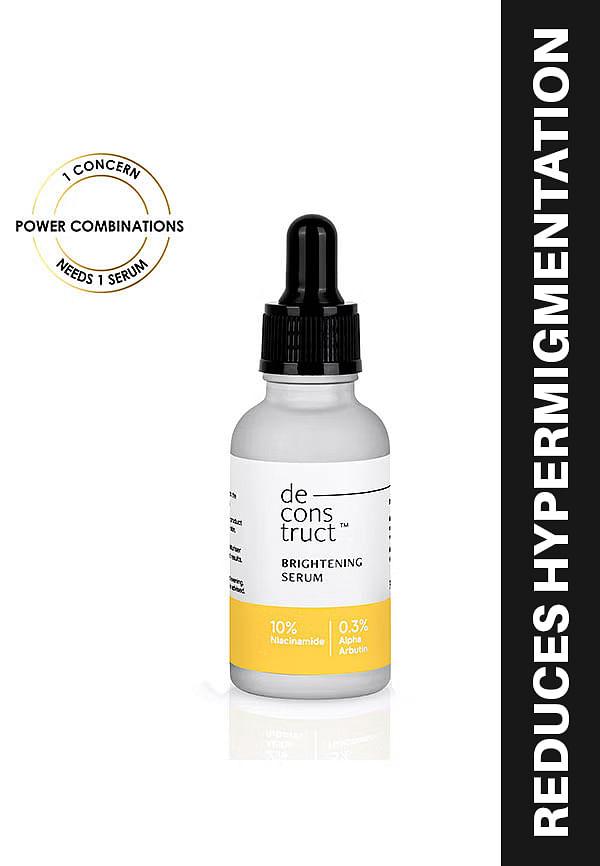 30 ml
30 mlBrightening Face Serum for Pigmentation & Dark Spots Removal
Natural remedies typically show initial results after 4-6 weeks of consistent use. Topical treatments with active ingredients usually require 6-12 weeks for significant improvement. Professional procedures can show immediate results, but full effects develop over several weeks to months.
Remember, deeper pigmentation takes longer to fade than surface-level discoloration. Post-inflammatory hyperpigmentation often responds faster than melasma or age spots.
If you haven't seen any improvement after 8-12 weeks of consistent treatment, it might be time to try a different approach or consult a dermatologist. Sometimes, what looks like pigmentation could be something else entirely.
Platforms like Smytten make it easier to explore different skincare solutions without committing to full-size products. With curated trial packs from trusted brands like Cetaphil and Dot & Key, you can test various dark spot removal creams and serums to find what works for your skin. Getting up to 8 minis for just ₹249 with 100% cashback makes it affordable to experiment with different hyperpigmentation treatments until you find your perfect match.
Professional treatments like chemical peels and laser therapy offer the fastest results, typically showing improvement within 2-4 weeks. However, consistent use of proven ingredients like hydroquinone and retinoids provides safer, long-term results for most people.
Complete removal in 7 days isn't realistic, but you can start seeing initial improvement by applying aloe vera gel daily, using potato juice twice daily, and massaging with coconut oil plus vitamin E at night whilst avoiding harsh scrubs that can worsen pigmentation.
Yes, natural remedies like aloe vera, green tea extract, and turmeric masks can help fade dark spots over time. However, results take 4-8 weeks of consistent use and work best for mild pigmentation rather than deep or stubborn spots.
Antioxidant-rich foods like berries, citrus fruits, leafy greens, and foods high in vitamin E support skin health and may help prevent further pigmentation whilst supporting the skin's natural repair process. However, topical treatments remain more effective for existing spots.
Layering active ingredients requires caution. Start with one treatment and gradually introduce others. Some combinations, like retinoids and vitamin C, are best used at different times of day to avoid irritation.
Removing dark pigmentation from your face is absolutely achievable with the right approach and realistic expectations. Whether you choose professional treatments, proven active ingredients, or natural remedies, consistency and patience are your best allies. Remember that prevention through proper sun protection is just as important as treatment.
The key is finding what works for your specific skin type and pigmentation concerns. With Smytten's trial platform offering access to over 1,500 trusted skincare brands, you can explore different solutions without the commitment of full-size purchases. From gentle natural ingredients to powerful actives, there's a treatment approach that's right for you. After all, why settle for uneven skin tone when you can try it all and find your perfect pigmentation-fighting routine?
