How to Reduce Pigmentation Around Mouth: Causes & Remedies


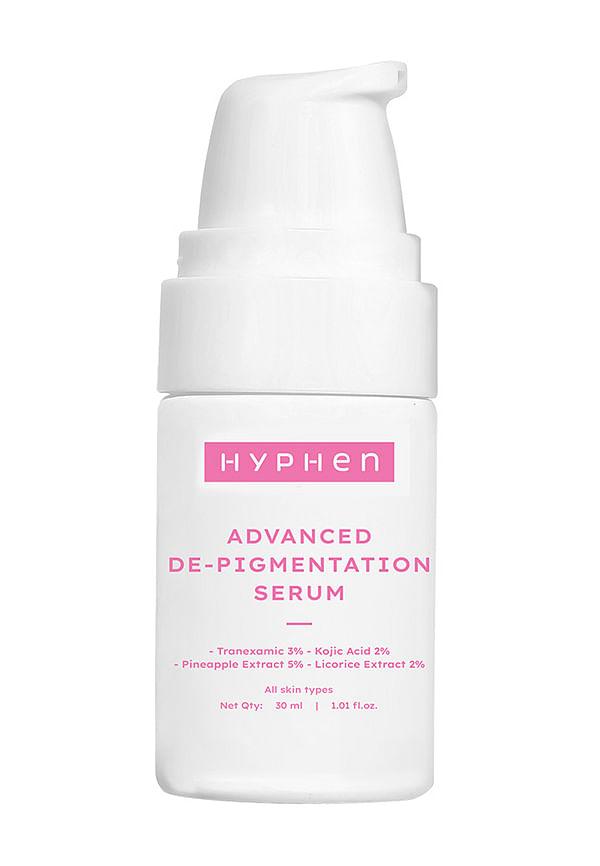 30 ml
30 mlAdvanced De-Pigmentation Serum For Hyperpigmentation, Melasma, Dark Spots & Scars
That dark patch around your mouth area can feel like it appeared overnight, but the truth is, pigmentation around the mouth is more common than you think. Whether it's from hormonal changes, sun damage, or even that habit of licking your lips when you're stressed, darkness around mouth can affect anyone. The good news? There are proven ways to tackle this issue, from gentle home remedies to professional treatments that actually work. Let's dive into what causes this skin discoloration around mouth and, more importantly, how to reduce pigmentation around mouth effectively.
Understanding the root cause of your pigmentation near mouth causes is the first step towards finding the right solution. Your skin around the mouth area is delicate and more prone to irritation than other parts of your face, making it a hotspot for various types of discolouration.
Post-inflammatory hyperpigmentation is one of the most common culprits. This happens when your skin produces excess melanin in response to irritation or injury. Think about it - every time you aggressively wipe your mouth after eating or use a harsh scrub, you're potentially triggering this response.
Hormonal changes can wreak havoc on your skin's melanin production. During pregnancy, PCOS flare-ups, or even monthly hormonal fluctuations, you might notice hyperpigmentation lip area becoming more pronounced. This type of pigmentation, often called melasma, tends to appear symmetrically around the mouth.
Sun exposure without proper protection is another major factor. The skin around your mouth gets constant UV exposure, and if you're not applying sunscreen there (which many people skip), you're setting yourself up for solar-induced pigmentation.
Daily habits also play a role. Lip licking, drooling during sleep, or even certain toothpastes containing sodium lauryl sulphate can cause irritation leading to dark skin around lips. Nutritional deficiencies, particularly B12 and iron, can also manifest as perioral hyperpigmentation.
When home remedies aren't cutting it, professional perioral hyperpigmentation treatment options can provide faster, more dramatic results. These treatments target melanin production at a deeper level and can significantly reduce uneven skin tone mouth area.
Dermatologists have several tools in their arsenal, each designed to address different types and severities of pigmentation.
Chemical peels using glycolic acid, lactic acid, or TCA can help accelerate cell turnover and fade existing pigmentation. The treatment involves applying a controlled acid solution that removes the top layers of damaged skin, revealing fresher, more even-toned skin underneath.
Laser therapy, particularly Q-switched Nd:YAG lasers, can target melanin deposits specifically. These treatments break down excess pigment, which your body then naturally eliminates. IPL (Intense Pulsed Light) is another option that works well for broader areas of discolouration.
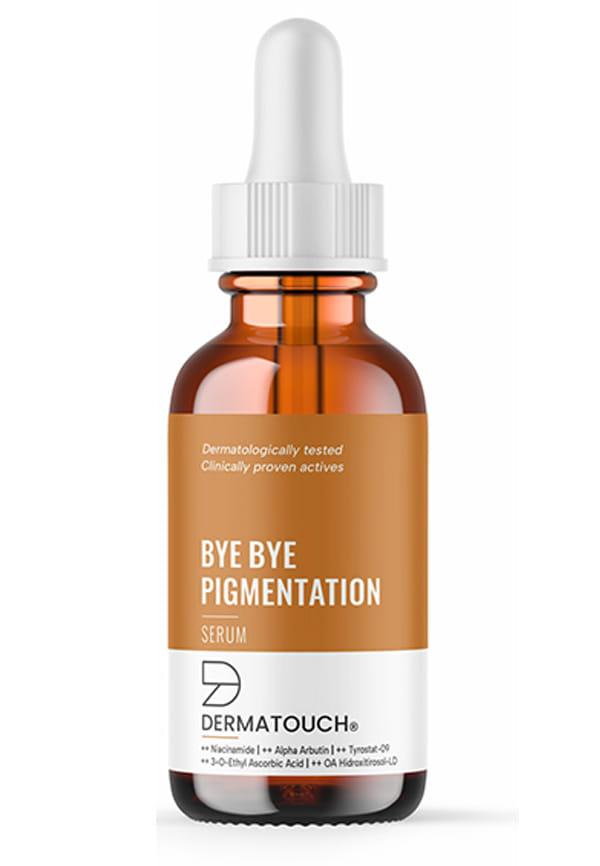 30ml
30mlBye Bye Pigmentation Serum, For Pigmentation, Dark Spots, Blemishes
If you've been consistent with home treatments for 3-6 months without seeing improvement, it might be time to consult a dermatologist. Also, if the pigmentation is spreading rapidly, changing colour, or accompanied by other symptoms like itching or burning, professional evaluation is essential.
The right active ingredients can make a real difference in how to lighten dark area around mouth. These scientifically-backed compounds work by either inhibiting melanin production or accelerating cell turnover to reveal brighter skin.
Vitamin C is your first line of defence. Look for serums with 15-20% L-ascorbic acid concentration. This powerful antioxidant not only brightens existing pigmentation but also prevents future damage from free radicals.
Kojic acid (1-2% concentration) works by inhibiting tyrosinase, the enzyme responsible for melanin production. It's gentler than hydroquinone but still effective for gradual lightening.
Niacinamide at 5-10% concentration is brilliant for reducing inflammation whilst improving your skin barrier. This makes it perfect for sensitive mouth areas prone to irritation.
Retinoids accelerate cell turnover, helping pigmented cells shed faster. Start with a low concentration retinol and gradually increase as your skin builds tolerance.
Layer your products correctly for maximum effectiveness. In the morning, apply vitamin C serum first, followed by moisturiser and broad-spectrum SPF 30+. Evening routine should include gentle cleansing, your chosen active ingredient, and a nourishing moisturiser.
Always patch test new ingredients and introduce them gradually. Your mouth area is sensitive, so rushing the process can actually worsen pigmentation through irritation.
Natural home remedies for mouth pigmentation can be effective, especially for mild discolouration or as supportive treatments alongside other methods. These gentle approaches work well for those with sensitive skin or anyone preferring natural solutions.
Green tea extract is packed with antioxidants that can help reduce inflammation and gradually lighten pigmentation. You can use cooled green tea as a compress or look for skincare products containing green tea extract.
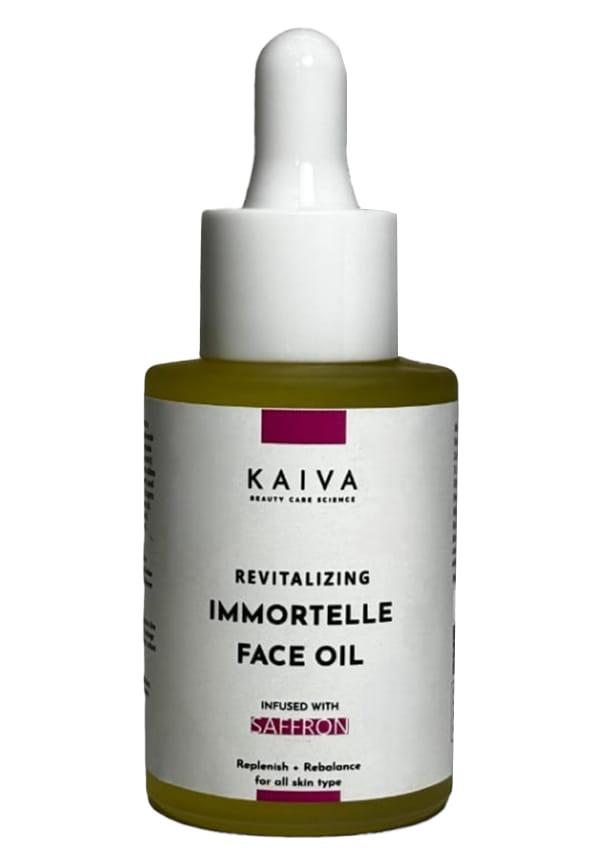 30 ml
30 mlImmortelle Face Oil | Helps Reduce Dark Spots & Pigmentation
Licorice root extract contains glabridin, a compound that naturally inhibits melanin production. It's much gentler than synthetic alternatives and works well for long-term maintenance.
Turmeric and honey masks combine anti-inflammatory properties with gentle brightening effects. Mix a pinch of turmeric with raw honey and apply for 10-15 minutes twice weekly.
Aloe vera gel is excellent for soothing irritated skin whilst providing gentle healing properties. Fresh aloe or pure aloe gel can be applied daily to reduce inflammation that might be contributing to pigmentation.
Create a weekly routine with gentle exfoliation using oatmeal or rice flour mixed with milk. This removes dead skin cells without causing irritation that could worsen pigmentation.
For overnight treatments, apply a thin layer of pure aloe vera or a honey-based mask. These natural ingredients work slowly but safely to improve skin tone over time.
Preventing dark circles around mouth from returning is just as important as treating existing pigmentation. Your daily habits and skincare routine play crucial roles in maintaining the results you've worked hard to achieve.
Sun protection is non-negotiable. Many people forget to apply sunscreen around their mouth area, but this delicate skin needs protection just as much as the rest of your face.
Use a broad-spectrum SPF 30+ sunscreen daily, even indoors. Zinc oxide and titanium dioxide are particularly good for sensitive areas as they provide physical protection without irritation.
Consider tinted sunscreens that provide additional coverage whilst protecting. This gives you a head start on evening out your skin tone whilst preventing further damage.
Break habits that contribute to irritation. Lip licking, aggressive wiping after meals, and touching your mouth area can all trigger post-inflammatory hyperpigmentation.
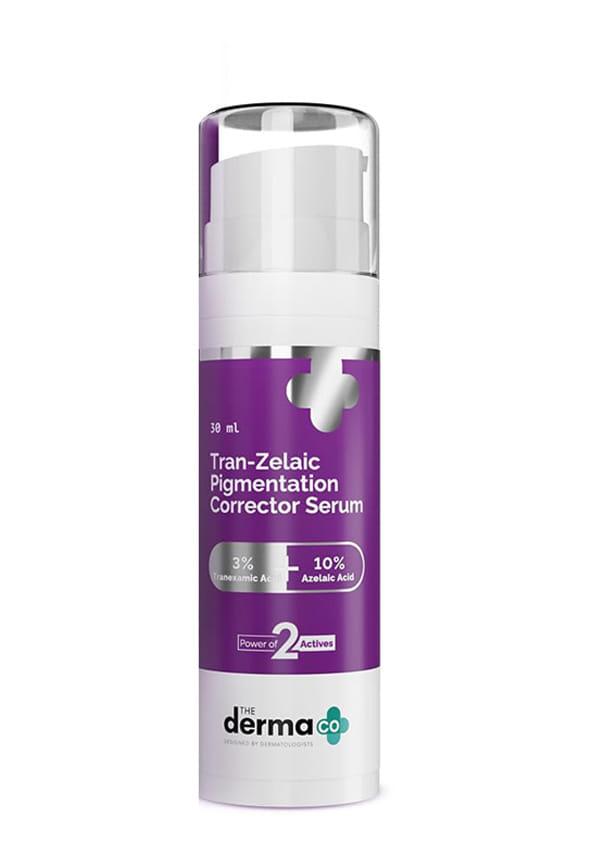 30 gm
30 gmTran-Zelaic Pigmentation Corrector Serum with Tranexamic Acid & Azelaic Acid
Stay hydrated and maintain a balanced diet rich in vitamins C, E, and antioxidants. These nutrients support healthy skin cell turnover and natural repair processes.
When exploring new skincare products to address pigmentation, platforms like Smytten make it easier to try before you commit. With curated trial packs from trusted brands, you can test different formulations to find what works best for your skin without the risk of purchasing full-size products that might not suit you.
Most topical treatments show initial results within 4-6 weeks of consistent use. However, significant improvement typically takes 3-6 months. Professional treatments like chemical peels may show faster results, with improvement visible after 2-3 sessions.
It's best to introduce one active ingredient at a time to avoid irritation. Once your skin tolerates individual ingredients well, you can combine them strategically. For example, use vitamin C in the morning and retinol at night, but avoid using acids and retinoids simultaneously.
Not necessarily. Post-inflammatory hyperpigmentation often fades naturally over 6-12 months, especially with proper sun protection. However, hormonal pigmentation like melasma may persist without treatment and can worsen with sun exposure.
Natural remedies can be effective for mild pigmentation and are excellent for maintenance, but they typically work slower than concentrated active ingredients. They're also gentler, making them suitable for sensitive skin or as supportive treatments.
Avoid harsh scrubbing, over-exfoliation, and skipping sunscreen. Also, be cautious with DIY remedies using lemon juice or other citrus fruits, as these can increase photosensitivity and potentially worsen pigmentation if you're exposed to sun afterwards.
Treating pigmentation around your mouth requires patience, consistency, and the right approach for your specific skin type and concerns. Whether you choose professional treatments, proven active ingredients, or gentle home remedies, the key is understanding what's causing your pigmentation and addressing it systematically.
Remember that prevention is just as important as treatment. Daily sun protection, gentle skincare habits, and avoiding irritating behaviours will help maintain your results long-term. With over 25 million users discovering their perfect skincare matches, Smytten understands that finding the right products for your unique skin concerns shouldn't involve guesswork. The platform's trial packs let you explore different formulations and brands to build a routine that actually works for your skin, making your journey to clearer, more even-toned skin both affordable and effective.
