How to Protect Your Skin with Daily Sunscreen Use


Let's be real—when you think about sunscreen, your mind probably jumps to beach days and pool parties. But here's something that might shock you: 90% of visible skin aging comes from UV exposure, and most of it happens during your everyday life. That morning coffee run, your commute to work, even sitting by a window—your skin is constantly under attack from UV rays. The good news? Daily sunscreen use is your secret weapon against premature aging, sun damage, and serious skin health issues. Think of it as your skin's daily armour, working behind the scenes to keep you looking fresh and protected year-round.
Understanding why use daily sunscreen starts with knowing your enemy: UV radiation. The sun throws two main types of rays at your skin—UVA and UVB—and both are proper troublemakers. UVA rays are the sneaky ones that penetrate deep into your skin, breaking down collagen and causing those fine lines you definitely didn't ask for. UVB rays are the surface bullies that cause sunburn and play a major role in skin cancer development.
Here's what's wild: UV rays don't take days off. They're bouncing around even on cloudy days (up to 80% of them still reach you), reflecting off snow in winter, and yes, even creeping through your office windows. UVA rays are particularly persistent—they pass right through glass, meaning your daily commute and desk job are still exposing your skin to damage.
When UV rays hit your skin, they create free radicals that attack your skin cells' DNA. Your skin tries to repair this damage, but over time, it can't keep up. The result? Premature aging, dark spots, and in worst-case scenarios, skin cancer. Daily sun protection acts like a shield, blocking these rays before they can wreak havoc on your skin cells.
The statistics are pretty sobering: regular daily sunscreen use can reduce your risk of developing melanoma by up to 50% and other skin cancers by about 40%. That's not just a small improvement—that's life-changing protection from something as simple as making sunscreen part of your morning routine.
The sunscreen benefits go way beyond just avoiding a painful sunburn. Think of daily sunscreen as your skin's personal bodyguard, working 24/7 to keep you looking and feeling your best. Let's break down exactly what this daily habit can do for you.
This is probably the benefit you'll notice first. UV rays break down collagen—the protein that keeps your skin plump, smooth, and bouncy. Without proper protection, you're basically fast-forwarding your skin's aging process. Daily sunscreen keeps your collagen intact, meaning fewer wrinkles, better skin elasticity, and that youthful glow everyone's after.
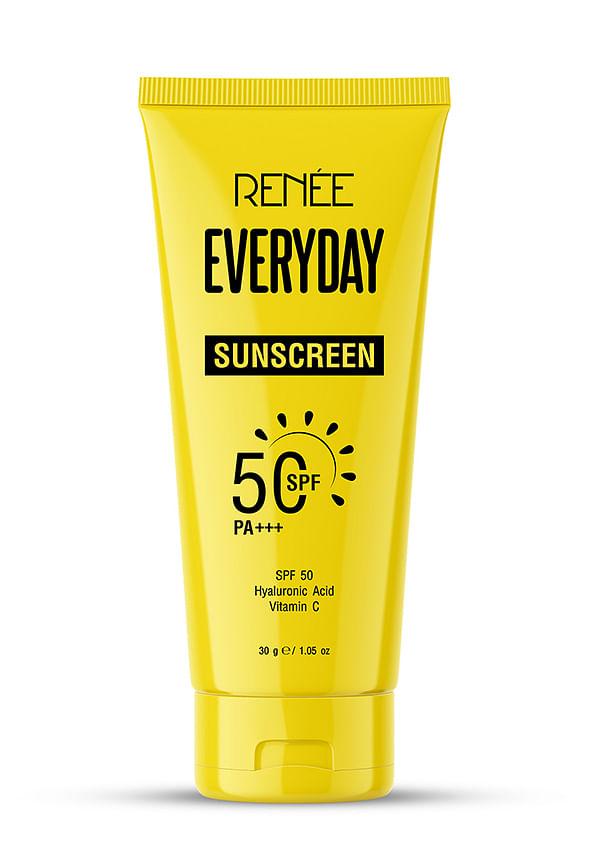 30 gm
30 gmEveryday SPF 50 Sunscreen
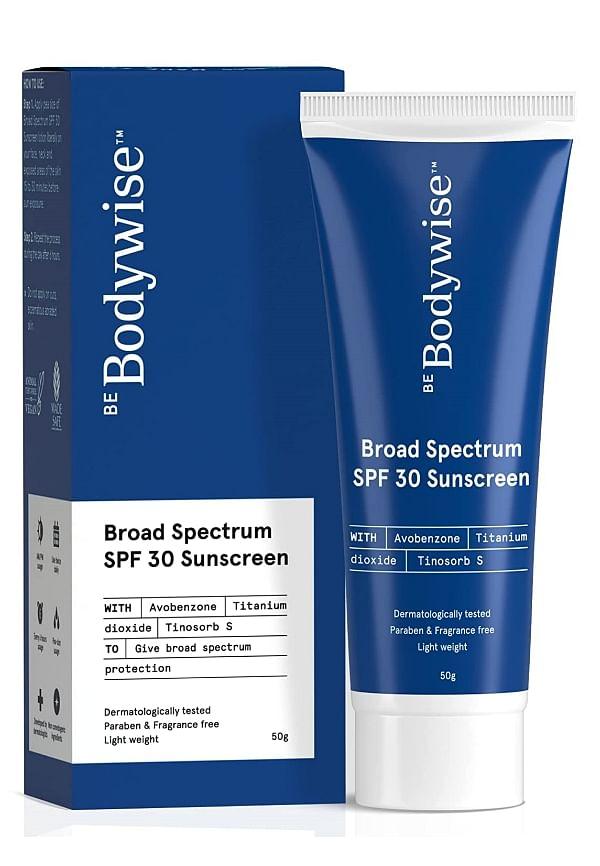 50 gm
50 gmBroad Spectrum Spf 30 Sunscreen
Those dark spots and patches of uneven skin tone? Most of them come from sun damage. Sunscreen for skin protection prevents new spots from forming and can actually help existing ones fade over time. Your skin tone becomes more even, brighter, and healthier-looking.
Beyond the visible benefits, daily sunscreen helps maintain your skin's natural barrier function. This means better moisture retention, less inflammation, and skin that's more resilient against environmental stressors. It's like giving your skin the tools it needs to stay healthy and strong.
Absolutely, and here's why this question comes up so often. Many people think being indoors means being safe from UV damage, but that's not entirely true. UVA rays—the ones responsible for aging and long-term skin damage—can penetrate through windows. So if you're working from home near a window or spending time in a sunlit room, your skin is still getting exposed.
Plus, think about all those quick trips outside—grabbing the post, walking to your car, popping to the shops. These brief exposures add up over time, contributing to cumulative sun damage. Making sunscreen a non-negotiable part of your morning routine means you're always protected, no matter what the day throws at you.
Winter sun can be just as damaging, especially when it reflects off snow, which can nearly double your UV exposure. Cloudy days still let through a significant amount of UV radiation. The key is consistency—your skin doesn't know it's Tuesday or that it's overcast outside. It just knows it needs protection.
Not all sunscreens are created equal, and finding the right one for your skin can make the difference between loving your daily protection and dreading it. The good news is there are brilliant options for every skin type and concern.
For daily use, SPF 30 is your sweet spot—it blocks about 97% of UVB rays. SPF 50 blocks about 98%, so the difference isn't huge, but if you're spending more time outdoors or have very fair skin, that extra bit of protection might be worth it. The most important thing is choosing broad-spectrum protection, which shields you from both UVA and UVB rays.
 50 ml
50 mlBright Years All-Day Defence Cream SPF 50 PA++++ Sunscreen
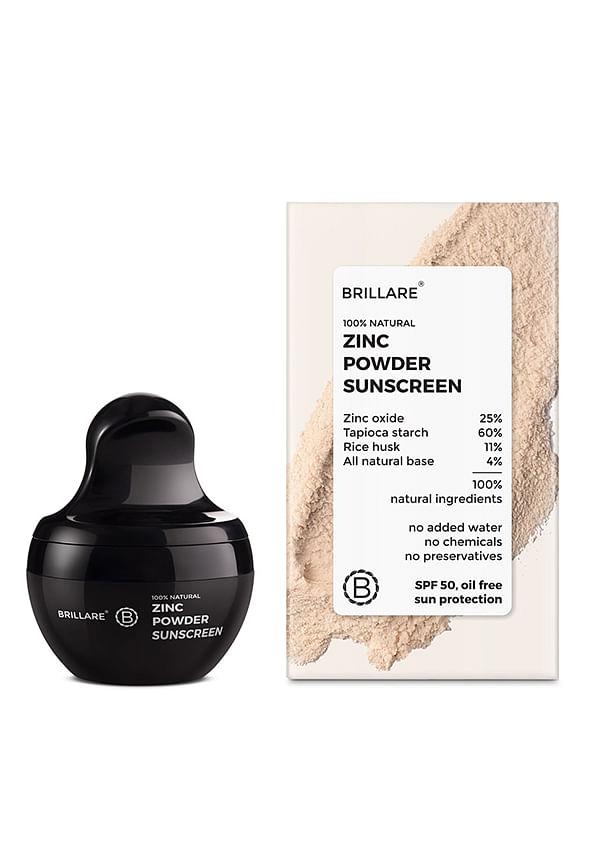 4 gm
4 gmZinc Powder Sunscreen SPF50
Sunscreen for face formulations are typically lighter, less likely to clog pores, and often include additional skincare benefits. Facial skin is more delicate and prone to sensitivity, so look for non-comedogenic formulas that won't cause breakouts. Many facial sunscreens now double as primers or include tinting for a natural, even finish.
You've got two main camps: chemical and physical (mineral) sunscreens. Chemical sunscreens absorb UV rays and convert them to heat, while physical sunscreens create a barrier that reflects rays away from your skin. Physical sunscreens with zinc oxide or titanium dioxide are often better for sensitive skin, while chemical formulas tend to be lighter and more cosmetically elegant.
Understanding sunscreen ingredients helps you make smarter choices for your skin. The active ingredients are what actually provide the protection, while additional ingredients can offer bonus skincare benefits.
Zinc oxide and titanium dioxide are the gold standard for physical protection—they're gentle, effective, and provide broad-spectrum coverage. For chemical filters, look for avobenzone (great for UVA protection), octinoxate, or newer ingredients like mexoryl and tinosorb, which offer excellent protection with better cosmetic feel.
Many modern sunscreens pack in skincare superstars like vitamin C for antioxidant protection, hyaluronic acid for hydration, or niacinamide for brightening. These multi-tasking formulas mean you're not just protecting your skin—you're actively improving it.
If you have sensitive skin, steer clear of fragrances and certain chemical filters like oxybenzone, which can cause irritation. Pregnant? Stick to mineral sunscreens with zinc oxide or titanium dioxide for peace of mind.
Even the best sunscreen won't work if you're not applying it properly. Sunscreen application is an art form that's easier than you think once you know the rules.
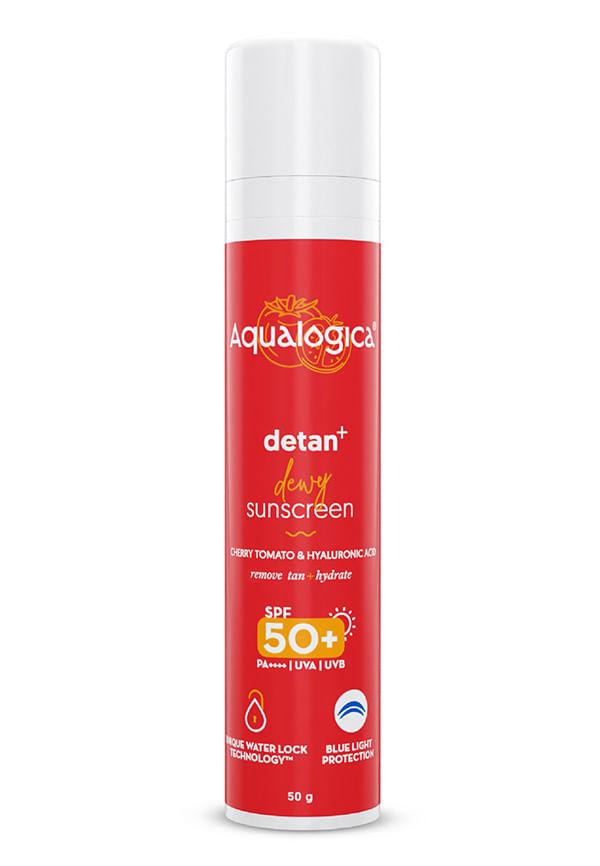 50 gm
50 gmDetan+ Dewy Sunscreen
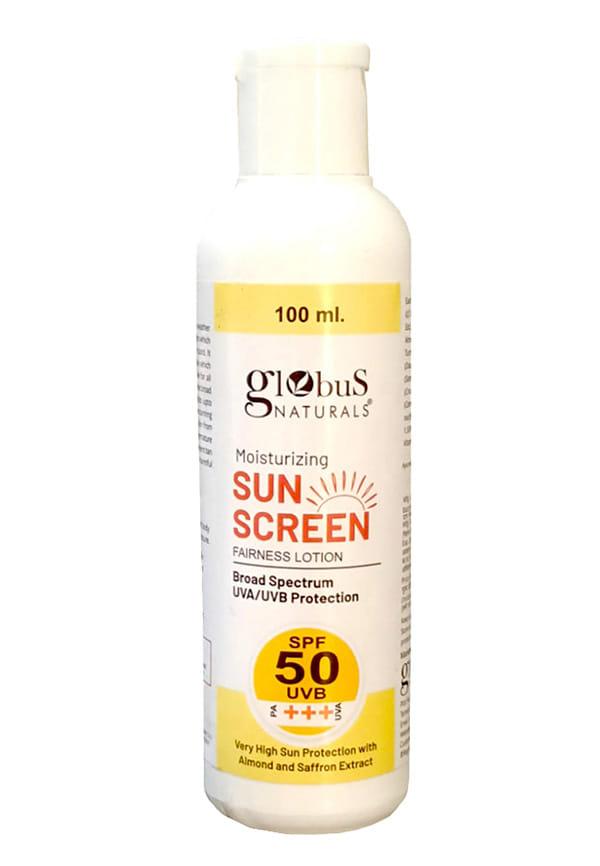 100 gm
Sunscreen Lotion
For your face, you need about a quarter teaspoon—roughly the amount you can squeeze onto two fingers. For your whole body, you're looking at about one ounce (think shot glass full). Most people use way less than this, which dramatically reduces the protection they're getting.
Apply sunscreen as the last step in your morning skincare routine, about 15-30 minutes before heading outside. Reapplication every two hours is ideal, but let's be realistic—if you're indoors most of the day, your morning application should keep you covered. If you're outside or by windows for extended periods, reapplication becomes more important.
The order matters: cleanser, treatments (like serums), moisturiser, then sunscreen. Give each layer a minute or two to absorb before applying the next. If you're wearing makeup, let your sunscreen set for a few minutes before applying foundation or primer.
Integrating sunscreen into your skincare routine sunscreen step doesn't have to complicate your morning. In fact, it can streamline everything once you find products that work well together.
Start with a gentle cleanser, apply any serums or treatments, follow with moisturiser if needed (many sunscreens are hydrating enough to skip this step), and finish with sunscreen. The whole process should take less than five minutes once you're in the groove.
You might want a lighter, more mattifying formula in summer and something more hydrating in winter. Your activity level and environment should also influence your choice—water-resistant formulas for active days, tinted options for everyday wear.
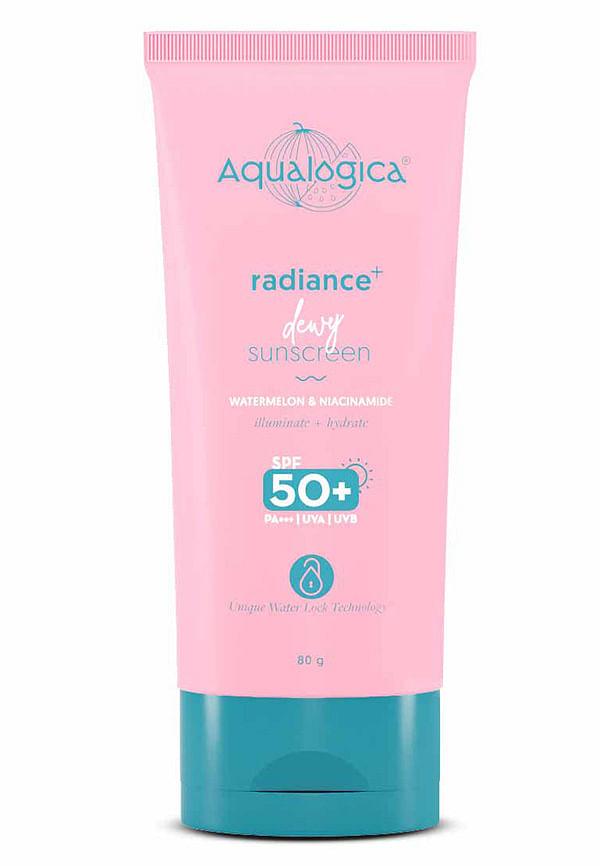 80 gm
80 gmRadiance+ Dewy Sunscreen
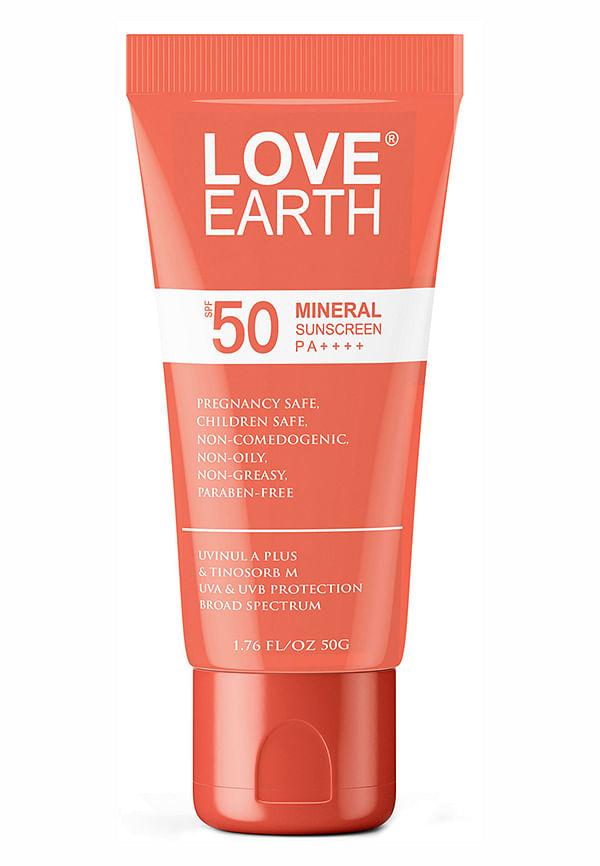 50 gm
50 gmMineral Sunscreen White
Don't forget your ears, neck, and the backs of your hands—these areas show aging quickly when neglected. Check expiration dates regularly; sunscreen loses effectiveness over time. And while makeup with SPF is better than nothing, it shouldn't be your only protection.
This is where platforms like Smytten become incredibly valuable for building your perfect routine. With access to trial packs from trusted brands like Cetaphil and Dot & Key, you can experiment with different sunscreen formulations without committing to full-size products. Finding your perfect daily sunscreen becomes much easier when you can try multiple options and see what works best for your skin type and lifestyle.
Yes, it absolutely can. By preventing new sun damage and dark spots from forming, daily sunscreen allows your skin's natural renewal process to work more effectively. You'll typically start seeing brighter, more even skin tone within 4-6 weeks of consistent use. The key is that you're stopping the damage that causes dullness in the first place.
Daily sunscreen use is not only safe but recommended by dermatologists worldwide. Modern formulations are designed for everyday wear and won't harm your skin with regular use. As for vitamin D concerns, you can still get adequate vitamin D through brief, unprotected sun exposure on your arms and legs, or through supplements if needed.
Facial skin is thinner and more delicate than body skin, making it more susceptible to UV damage. Daily facial sunscreen prevents premature aging, maintains even skin tone, reduces inflammation, and significantly lowers your risk of skin cancer. Many users notice improved skin texture and reduced sensitivity within just a few weeks of consistent use.
The skincare community on Reddit is passionate about daily sunscreen because they've seen real results. Users frequently share before-and-after photos showing dramatic improvements in skin tone, texture, and overall appearance. The consensus is clear: daily sunscreen is the single most effective anti-aging step you can take.
Understanding why use daily sunscreen goes beyond just avoiding sunburn—it's about giving your skin the best chance to stay healthy, youthful, and radiant for years to come. The science is clear: daily sun protection prevents premature aging, maintains even skin tone, and significantly reduces your risk of skin cancer. More importantly, it's one of the simplest and most effective steps you can take for your long-term skin health.
The beauty of making sunscreen a daily habit is that the benefits compound over time. Every day you protect your skin is a day you're investing in how you'll look and feel in the future. Whether you're 18 or 40, it's never too early or too late to start prioritising daily sun protection.
Remember, finding the right sunscreen for your skin type and lifestyle is crucial for consistency. With Smytten's extensive range of trial packs from over 1,500 trusted brands, you can explore different formulations until you find your perfect match. From lightweight chemical sunscreens to nourishing mineral formulas, there's a daily sunscreen out there that you'll actually look forward to applying. After all, the best sunscreen is the one you'll use every single day—and with the right product, protecting your skin becomes as natural as brushing your teeth.
