
Skincare
•07 min read

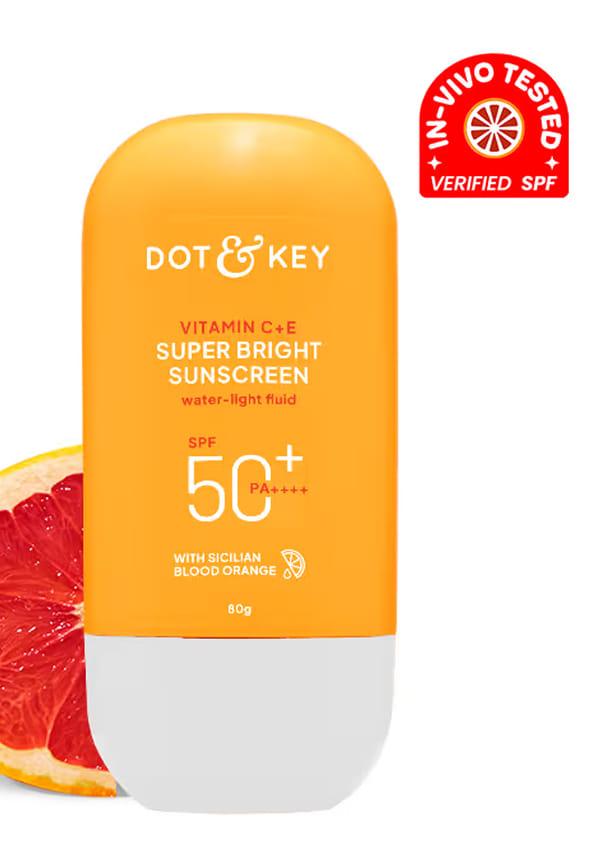 80 gm
80 gmVitamin C + E Sunscreen, IN-VIVO Tested SPF 50+ PA++++
Let's be real—sunscreen isn't just for beach days anymore. Your skin faces UV damage every single day, whether you're commuting to work or just grabbing coffee. The sunscreen benefits for skin go way beyond preventing that painful red lobster look. We're talking about protecting your future self from wrinkles, dark spots, and even serious health issues. Think of sunscreen as your daily armour against environmental damage. Ready to discover why this simple step might just be the most important thing you do for your skin?
Here's something that might surprise you: UV rays don't take weekends off. Even on cloudy days, up to 80% of UV radiation still reaches your skin. The sunscreen benefits start working the moment you apply it, creating a protective barrier that your skin desperately needs.
Dermatologists aren't just being dramatic when they call sunscreen the ultimate anti-ageing product. Research shows that people who use daily sunscreen show 24% less skin ageing over four years compared to those who don't. That's not just about looking good—it's about keeping your skin healthy and functioning properly.
Let's bust a common myth right now: you don't need to see the sun to need sun protection. UVA rays penetrate through windows, clouds, and even light clothing. Whether you're working from home by a window or driving to the office, your skin is getting exposed. This is why skincare experts recommend making sunscreen as routine as brushing your teeth.
The sunscreen benefits for skin are honestly impressive when you see them all laid out. From preventing immediate damage to protecting your skin's future, here's what you're getting every time you apply that SPF.
UVA rays are sneaky little troublemakers that penetrate deep into your skin and break down collagen. This protein keeps your skin plump, firm, and youthful. When collagen breaks down faster than your body can replace it, you get fine lines and wrinkles. Studies show that regular sunscreen use can slow down this process by up to 24%. That's like having a time machine for your skin.
This one's serious. Regular sunscreen use can reduce your risk of melanoma by 50% and other skin cancers by 40%. The skin cancer prevention benefits alone make sunscreen worth using daily. Your skin cells remember every bit of sun damage they've experienced, so starting protection now helps prevent future problems.
Sunburn isn't just uncomfortable—it's your skin's way of saying it's been seriously damaged. Each sunburn doubles your risk of melanoma later in life. Proper sun protection prevents this immediate damage and keeps your skin comfortable. Plus, you won't have to deal with that awkward peeling phase that makes your makeup look patchy.
Those dark spots and patches that seem to appear out of nowhere? That's hyperpigmentation from UV exposure. Sunscreen prevents new dark spots from forming and stops existing ones from getting darker. If you're dealing with melasma or post-acne marks, sunscreen is absolutely essential for preventing them from becoming permanent fixtures on your face.
Your skin barrier is like a protective wall that keeps moisture in and irritants out. UV damage weakens this barrier, leading to dryness, sensitivity, and inflammation. Quality sunscreen helps maintain this barrier function, keeping your skin healthier and more resilient against environmental stressors.
If you have rosacea, eczema, or just generally sensitive skin, UV exposure can trigger flare-ups. Mineral sunscreens with zinc oxide or titanium dioxide actually have anti-inflammatory properties. They create a physical barrier that reflects UV rays while calming irritated skin.
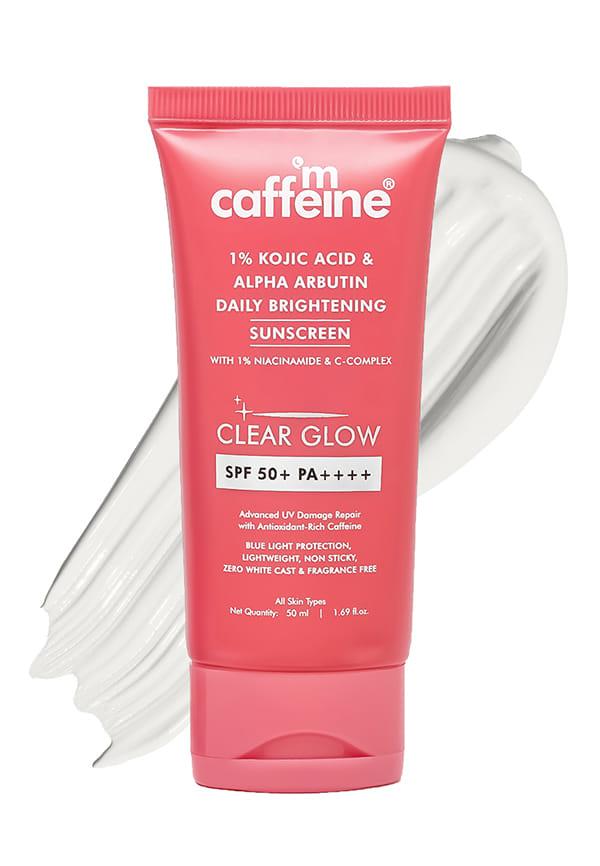 50 ml
50 mlCLEAR GLOW 1% Kojic Acid, Alpha Arbutin Daily Brightening Sunscreen|SPF 50 PA++++ Non Greasy
Elastin is another protein that keeps your skin bouncy and firm. UV damage breaks down elastin fibres, leading to sagging and loss of firmness. By protecting these fibres from damage, sunscreen helps maintain your skin's natural elasticity and structure over time.
SPF numbers can be confusing, but understanding SPF benefits helps you make better choices. SPF 15 blocks about 93% of UVB rays, SPF 30 blocks 97%, and SPF 50 blocks 98%. The difference between SPF 30 and 50 is smaller than you might think, but that extra 1% can matter for very fair or sensitive skin.
Here's what those numbers actually mean: SPF 15 means you can stay in the sun 15 times longer than you could without protection before burning. But this assumes perfect application—most people don't apply enough sunscreen to get the stated SPF level. This is why dermatologists often recommend SPF 30 or higher for daily use.
Broad-spectrum protection is just as important as SPF level. This means your sunscreen protects against both UVA and UVB rays. UVB rays cause sunburn, while UVA rays cause ageing and can penetrate deeper into the skin. You need protection from both for complete sun protection.
Understanding sunscreen ingredients helps you choose the best sunscreen for your needs. There are two main types: mineral (physical) and chemical sunscreens, each working differently to protect your skin.
Mineral sunscreens use zinc oxide and titanium dioxide to create a physical barrier on your skin's surface. They reflect and scatter UV rays like tiny mirrors. These are great for sensitive skin because they're less likely to cause irritation. Chemical sunscreens use ingredients like avobenzone and octinoxate that absorb UV rays and convert them to heat.
Modern sunscreens often include antioxidants like vitamin C, vitamin E, or niacinamide. These ingredients provide extra protection against free radical damage and can help repair existing damage. Some formulas also include hyaluronic acid for hydration or ceramides to support the skin barrier.
Your face deserves special attention when it comes to sunscreen for face products. Facial skin is thinner and more sensitive than body skin, so it needs gentler formulations that won't clog pores or cause irritation.
Look for non-comedogenic formulas that won't block your pores. Lightweight textures work better under makeup and feel more comfortable for daily wear. Many facial sunscreens now come in tinted versions that can replace your foundation or provide a subtle glow.
Oily skin benefits from gel or fluid formulas that absorb quickly without leaving a greasy feel. Dry skin needs creamy formulas with added moisturising ingredients. Sensitive skin should stick to mineral formulas with minimal additional ingredients. Combination skin might need different products for different areas of the face.
 50 gm
50 gmGreen Tea & Zinc Super-Matte Sunscreen Gel , SPF 50 PA ++++ For Oily Skin
Even the best sunscreen won't work properly if you're not applying it correctly. Most people use only 25% of the recommended amount, which dramatically reduces protection. For your face and neck, you need about a quarter teaspoon of product—that's more than you probably think.
Apply sunscreen 15-30 minutes before going outside to give it time to bind to your skin. Don't forget often-missed spots like your ears, the back of your neck, and around your eyes. If you're wearing makeup, apply sunscreen first, let it set, then add your other products.
Reapplication is crucial for maintaining protection. Even water-resistant formulas need to be reapplied every two hours, or immediately after swimming or sweating heavily. For daily wear, reapplying over makeup can be tricky, but powder sunscreens or setting sprays with SPF can help.
With so many sunscreen types available, finding the right one for your routine doesn't have to be overwhelming. Platforms like Smytten make it easier to discover and try different sunscreen formulations before committing to full-size products. With trial packs from trusted brands, you can test how different formulas feel on your skin and find your perfect match without the guesswork.
Daily sunscreen use prevents premature ageing, reduces skin cancer risk by up to 40%, prevents dark spots and hyperpigmentation, maintains skin elasticity, and protects your natural skin barrier. It's essentially a multi-tasking product that addresses both immediate and long-term skin health concerns.
Yes, daily sunscreen use is essential because UV rays penetrate clouds and windows. Even incidental sun exposure during daily activities adds up over time. Dermatologists recommend daily SPF as the most effective anti-ageing and skin protection strategy available.
Absolutely. Sunscreen prevents post-inflammatory hyperpigmentation, which is when acne scars or blemishes become darker due to UV exposure. Using sunscreen consistently helps existing marks fade faster and prevents new ones from becoming permanent.
Without regular sun protection, you'll experience accelerated ageing, increased risk of skin cancer, dark spots, uneven skin tone, and breakdown of collagen and elastin. The damage accumulates over time, making prevention much more effective than trying to reverse damage later.
Chemical sunscreens need 15-30 minutes to bind to your skin and become effective. Mineral sunscreens work immediately upon application since they create a physical barrier. For best results, apply sunscreen before getting dressed to ensure even coverage.
Yes, sunscreen should be applied before makeup as part of your skincare routine. Choose a formula that works well under your makeup—lightweight, quick-absorbing formulas or tinted sunscreens work best. Let it set for a few minutes before applying foundation or other products.
The sunscreen benefits for skin are honestly game-changing when you think about long-term skin health. From preventing cancer to keeping your skin looking youthful, this one simple step protects your investment in all your other skincare products. Remember, the best sunscreen is the one you'll actually use every day—whether that's a lightweight gel, a tinted moisturiser, or a mineral formula.
Finding your perfect sunscreen match might take some trial and error, but that's where smart shopping comes in. Smytten's trial packs let you test different formulas from trusted brands like Cetaphil and Dot & Key before committing to full sizes. With over 1,500 brands available and the ability to try up to 8 minis for just ₹249, you can discover what works best for your skin type and lifestyle. Plus, with 100% cashback on trial purchases, exploring different sunscreen types becomes both affordable and risk-free. After all, why settle for maybe when you can find the perfect sunscreen that you'll actually want to use every day?
