How to Protect Your Skin Barrier Naturally


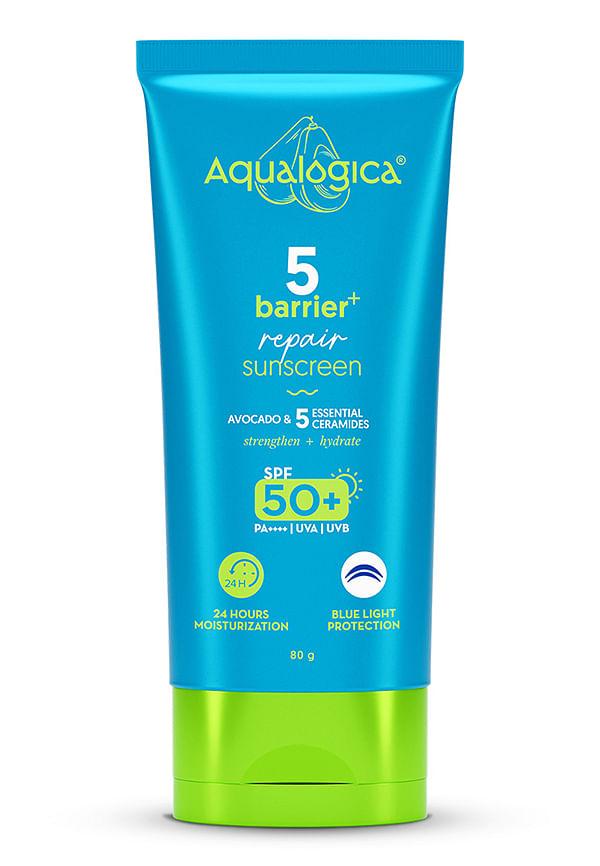 80 gm
80 gmBarrier+ Repair Sunscreen
Your skin barrier is basically your body's first line of defence—think of it as your skin's natural bouncer, keeping the good stuff in and the bad stuff out. But here's the thing: modern life can be pretty harsh on this protective layer. From over-cleansing to environmental stressors, your skin barrier takes quite a beating daily. The good news? Protecting your skin barrier naturally doesn't require a chemistry degree or a massive budget. With the right approach and some gentle, effective ingredients, you can restore and maintain a healthy, resilient skin barrier that keeps your complexion looking its absolute best.
Let's get real about what your skin barrier actually does. The skin barrier function revolves around the outermost layer of your skin, called the stratum corneum. Picture it like a brick wall—your skin cells are the bricks, and natural lipids (including ceramides, cholesterol, and fatty acids) act as the mortar holding everything together.
This clever system locks in moisture whilst blocking out irritants, allergens, and harmful bacteria. When your barrier is functioning properly, your skin feels soft, looks plump, and can handle daily stressors without throwing a tantrum. But when it's compromised? That's when you start seeing dryness, sensitivity, and all sorts of skin drama.
The role of natural lipids in maintaining healthy skin cannot be overstated. These lipids create a protective film that prevents water loss and maintains optimal hydration levels. When this system is working well, your skin naturally repairs itself overnight and maintains that coveted healthy glow.
Spotting a damaged skin barrier isn't always obvious, but your skin usually gives you plenty of clues. The most immediate signs include persistent dryness that doesn't improve with regular moisturising, flakiness, and a rough texture that feels uncomfortable to touch.
If your skin has become increasingly sensitive skin territory—reacting to products that never bothered you before—that's a major red flag. You might notice stinging, burning, or excessive redness when applying even gentle products. Your skin might feel tight, especially after cleansing, and you could experience persistent itching or irritation.
Persistent dryness despite regular moisturising
Increased sensitivity to skincare products
Visible flaking or rough patches
Tightness, especially after cleansing
Dull, lacklustre appearance
Fine lines appearing more prominent
When barrier damage becomes more severe, you might notice your skin looking older than it should. Fine lines become more visible because compromised skin loses moisture faster, leading to decreased plumpness. Your complexion might appear dull or greyish, lacking that natural radiance that comes with well-hydrated, healthy skin.
Understanding what makes skin fragile skin helps you avoid the common pitfalls that compromise barrier integrity. Over-cleansing tops the list—using harsh soaps or cleansing multiple times daily strips away those essential natural oils your skin needs to maintain its protective function.
Hot water exposure is another major culprit. Those long, steamy showers might feel amazing, but they're essentially dissolving your skin's natural protective oils. Environmental factors like UV rays, pollution, and dry air constantly challenge your barrier's ability to maintain optimal function.
Excessive exfoliation with acids or physical scrubs
Using products with high alcohol content
Extreme temperature exposure
Chronic stress and poor sleep
Dehydration and poor nutrition
Smoking and excessive alcohol consumption
 Combo
ComboPigmentation Correction & Barrier Protection Kit
Certain ingredients can be particularly harsh on compromised barriers. Sodium lauryl sulphate (SLS), high concentrations of alcohol, and overly aggressive acids can further damage already fragile skin. Even some essential oils, whilst natural, can be too potent for sensitive or damaged barriers.
Ceramides for skin barrier repair are absolute game-changers. These naturally occurring lipids make up about 50% of your skin's barrier composition, so replenishing them through skincare makes perfect sense. When you use products containing ceramides, you're essentially giving your skin the building blocks it needs to repair and strengthen itself.
Hyaluronic acid and glycerin work as moisture magnets, drawing water from the environment and deeper skin layers to keep your barrier well-hydrated. This skin hydration is crucial because a well-moisturised barrier functions more effectively and repairs itself faster.
Niacinamide: Boosts your skin's natural ceramide production
Squalane: Mimics your skin's natural oils without clogging pores
Colloidal oatmeal: Provides anti-inflammatory and soothing benefits
Petrolatum: Creates an occlusive barrier to prevent water loss
Cholesterol: Works alongside ceramides to restore barrier function
When shopping for skin barrier repair products, look for these ingredients listed in the first five components on the label. This indicates a meaningful concentration that can actually benefit your skin. Many effective barrier repair products combine multiple beneficial ingredients for enhanced results.
Creating an effective skincare routine for barrier protection doesn't need to be complicated. The key is consistency and gentleness—your skin barrier responds better to steady, gentle care than aggressive treatments.
Start with a pH-balanced cleanser that removes dirt and makeup without stripping your skin. Follow with hydrating products that support barrier function, and always finish with a protective moisturiser. This simple approach forms the foundation of effective barrier care.
Gentle, pH-balanced cleanser (around 5.5 pH)
Hydrating serum with hyaluronic acid or glycerin
Ceramide-rich moisturiser
Broad-spectrum SPF 30 or higher
Your evening routine should focus on repair and restoration. Use a gentle cleanser to remove the day's buildup, apply barrier-supporting serums, and seal everything in with a slightly richer moisturiser. This is when your skin does most of its repair work, so providing the right ingredients is crucial.
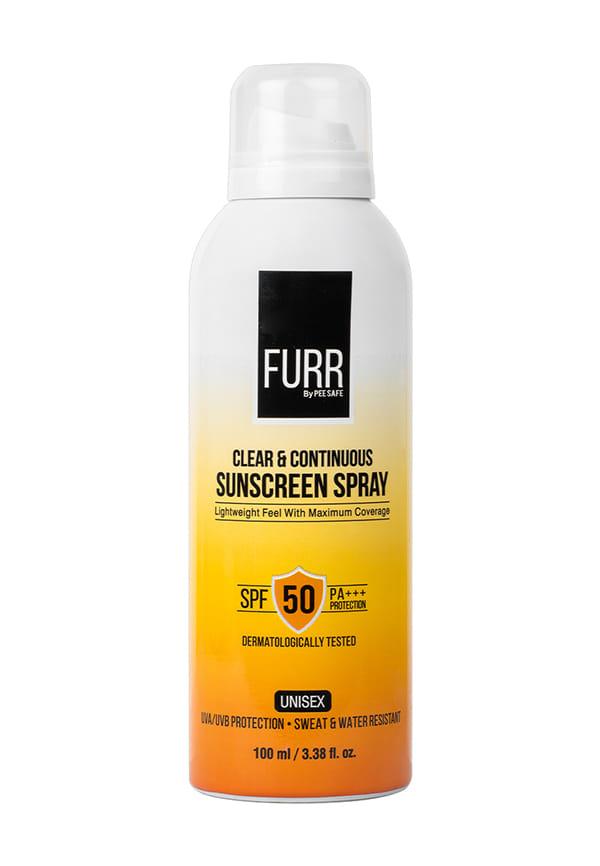 100 ml
FURR Sunscreen Spray Protect your skin from UVA and UVB rays
For sensitive skin or damaged barriers, choose fragrance-free, hypoallergenic products with minimal ingredient lists. Look for skin barrier cream options that contain multiple barrier-supporting ingredients rather than single-ingredient products.
When your barrier needs serious repair, sometimes less is more. Simplifying your routine temporarily can give your skin the breathing room it needs to heal. Strip back to just gentle cleansing, a basic moisturiser, and sunscreen during the day.
The 72-hour repair protocol involves using only the most gentle, barrier-supporting products for three days straight. This means no actives, no exfoliation, just pure hydration and protection. Many people see significant improvement in skin comfort and appearance within this timeframe.
Use a humidifier to maintain optimal air moisture
Keep room temperatures moderate
Avoid hot showers and baths
Protect skin from harsh winds and extreme temperatures
Supporting barrier repair from within involves staying well-hydrated, eating foods rich in omega-3 fatty acids, and ensuring adequate sleep. Your skin repairs itself most efficiently during deep sleep phases, so prioritising rest can significantly speed up barrier recovery.
Most people notice initial improvements in skin comfort within 3-5 days of starting a barrier-focused routine. Complete barrier repair typically takes 2-4 weeks, depending on the extent of damage and consistency of care. Be patient—rushing the process with aggressive treatments often sets back progress.
Supporting healthy skin goes beyond topical products. Your daily habits play a massive role in barrier strength and resilience. Proper hydration supports skin function from within—aim for at least 8 glasses of water daily, more if you're active or in dry environments.
Nutrition directly impacts your skin's ability to maintain and repair its barrier. Foods rich in omega-3 fatty acids, like salmon, walnuts, and flaxseeds, provide the building blocks for healthy skin lipids. Antioxidant-rich fruits and vegetables help protect against environmental damage.
Aim for 7-9 hours of quality sleep nightly
Practice stress-reduction techniques like meditation
Maintain consistent sleep schedules
Create a calming bedtime routine
Regular exercise improves circulation, delivering nutrients to skin cells and supporting natural repair processes. However, always cleanse gently after workouts to remove sweat and bacteria without disrupting your barrier.
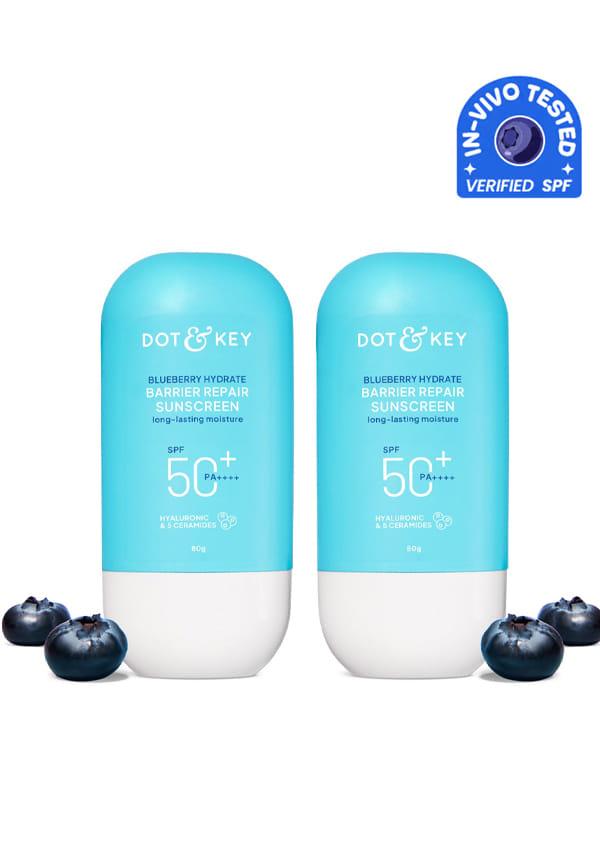 80 gms + 80 gms
Barrier Repair Sunscreen, In-Vivo Tested SPF 50+ PA++++
Your barrier needs change with the seasons. Winter requires richer, more occlusive moisturisers, whilst summer might call for lighter, hydrating formulas. Pay attention to how your skin responds to environmental changes and adjust accordingly.
When exploring new products for barrier repair, platforms like Smytten make it easier to find what works for your skin without committing to full-size products. With trial packs from trusted brands like Cetaphil and Dot & Key, you can test barrier-supporting formulas before investing in full-size versions. This approach is particularly valuable when dealing with sensitive or damaged skin that might react unpredictably to new products.
Daily moisturising with ceramide-rich products, gentle pH-balanced cleansing, consistent sunscreen use, and avoiding over-exfoliation are the most effective natural approaches. Focus on hydration, protection, and gentle care rather than aggressive treatments.
Most people notice improvements within 3-5 days, with significant repair occurring within 2-4 weeks of consistent barrier-focused care. Severely damaged barriers may take 6-8 weeks to fully restore. Consistency is more important than speed.
Absolutely. Simple ingredients like glycerin, petrolatum, and ceramides are available in budget-friendly formulations. Focus on gentle cleansing, basic moisturising, and sun protection rather than complex, expensive routines.
Moisturising adds water to your skin temporarily, whilst barrier repair focuses on restoring the lipid structure that prevents water loss long-term. Effective barrier care combines both hydration and lipid replenishment for lasting results.
Look for decreased sensitivity, improved skin texture, reduced dryness, and better product tolerance. Your skin should feel comfortable throughout the day and look more radiant. If irritation persists or worsens, simplify your routine further.
Protecting your skin barrier naturally is about consistency, gentleness, and patience rather than aggressive treatments or expensive products. Focus on the fundamentals: gentle cleansing, adequate hydration, barrier-supporting ingredients like ceramides, and consistent sun protection.
Remember that barrier repair is a gradual process that requires sustained effort. Your skin responds better to steady, gentle care than dramatic interventions. By understanding what damages your barrier and implementing protective strategies, you can maintain healthy, resilient skin that looks and feels its best. The investment in proper barrier care pays dividends in long-term skin health and appearance.
