How to Protect Your Retinol from Light and Air Damage

 50 gm
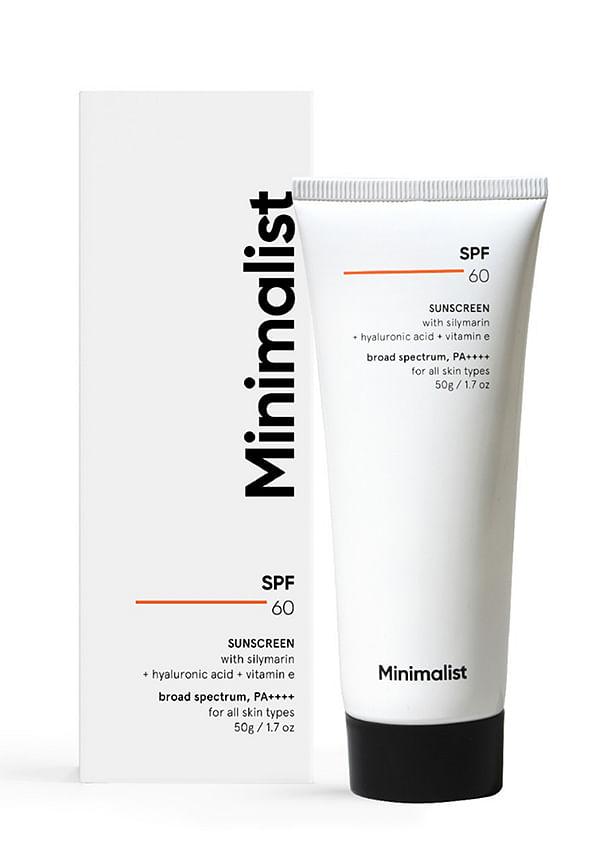
50 gmSPF 60 PA ++++ Sunscreen With Antioxidant Silymarin,Senstive Skin & Acne
Let's be real—you've probably spent a decent chunk of your skincare budget on that fancy retinol serum, only to watch it turn into an expensive disappointment. Here's the thing: retinol degradation in light and air is more common than you think, and it's silently sabotaging your skincare routine. Your retinol might be losing its punch before you even notice, turning from a powerhouse anti-ageing ingredient into something that could actually irritate your skin. The good news? Understanding how to protect your retinol from environmental damage isn't rocket science—it just requires knowing what you're up against and taking a few smart steps to keep your products working as they should.
Retinol is basically the diva of skincare ingredients—incredibly effective when treated right, but absolutely dramatic when exposed to the wrong conditions. The science behind retinol breakdown is pretty straightforward: this vitamin A derivative has a molecular structure that's particularly vulnerable to oxidation and photodegradation.
When retinol meets oxygen, it starts a chain reaction that transforms the molecule into less effective compounds. Think of it like how an apple turns brown when you leave it out—except your retinol is doing this on a molecular level. UV light acts as a catalyst, speeding up this process dramatically. Studies show that retinol can lose up to 80% of its potency within just a few hours of direct light exposure. The real kicker? When retinol oxidises, it doesn't just become useless—it can actually form byproducts that are more likely to cause skin irritation. This explains why some people experience increased sensitivity from products they've been using for months without issues.
Spotting degraded retinol isn't always obvious, but there are telltale signs worth watching for. The most noticeable change is colour—fresh retinol products are typically clear or pale yellow, but degraded ones turn darker yellow, orange, or even brown. Texture changes are another red flag. If your serum has become thicker, grittier, or separated, that's your cue that retinol oxidation has taken hold. You might also notice that the product doesn't seem to work as well as it used to, or worse, it's started causing irritation when it never did before.
Retinol effectiveness is directly tied to its stability—there's no getting around this fact. When your retinol degrades, you're not just losing money; you're potentially missing out on the anti-ageing benefits you're trying to achieve.
Fresh, stable retinol works by converting to retinoic acid in your skin, which then gets to work stimulating collagen production and speeding up cell turnover. But degraded retinol? It's like trying to charge your phone with a broken cable—the connection just isn't there anymore. Research consistently shows that retinol stability directly correlates with its ability to deliver results. A product that's lost 50% of its potency due to poor storage will give you 50% of the results, if any. When you consider that quality retinol products can cost anywhere from ₹1,500 to ₹8,000, protecting that investment makes perfect sense.
 80 gm
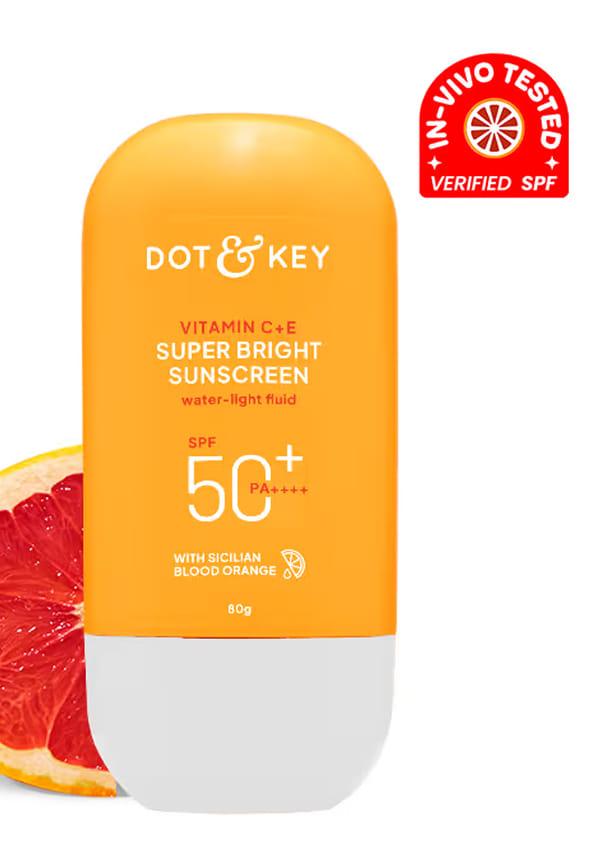
80 gmVitamin C + E Sunscreen, IN-VIVO Tested SPF 50+ PA++++
Here's something that might surprise you: degraded retinol is often more irritating than fresh retinol. When retinol breaks down, it forms aldehydes and other compounds that can trigger inflammatory responses in your skin. This is why some people develop retinol sensitivity to products they've been using successfully for months. If you're dealing with sensitive skin, using fresh, properly stored retinol becomes even more crucial. The breakdown products can cause redness, peeling, and irritation that goes beyond the typical retinol adjustment period.
Understanding what triggers retinol degradation in light and air helps you create the right storage conditions. It's not just about keeping your products in a cool, dark place—though that's definitely part of it.
UV light is retinol's biggest enemy, but it's not the only light source you need to worry about. Direct sunlight can destroy retinol in minutes, but even artificial lighting can cause gradual degradation over time. That bathroom vanity light? It's slowly chipping away at your retinol's potency. Interestingly, there's been some chatter about phone light affecting retinol, but this is largely a myth. The light from your phone screen isn't intense enough to cause significant photodegradation, though it's still best practice to apply retinol away from any light sources.
Oxygen exposure is the other major culprit in retinol breakdown. Every time you open that jar or pump that bottle, you're introducing oxygen that starts the degradation process. Heat accelerates this reaction—which is why storing retinol in a hot bathroom cabinet is a recipe for disappointment. Humidity also plays a role, particularly with retinol formulation stability. High humidity can affect the product's consistency and accelerate breakdown, especially in products that aren't properly formulated with stabilising ingredients.
Retinol storage doesn't have to be complicated, but it does need to be intentional. The goal is to minimise exposure to light, air, and heat while maintaining easy access for your nightly routine.
The ideal spot for your retinol is cool, dark, and dry. A bedroom drawer or a cabinet away from heat sources works perfectly. Some people swear by refrigerator storage, and while it's not necessary for most products, it can extend shelf life—just make sure to let the product come to room temperature before applying. Temperature consistency matters more than absolute temperature. Avoid spots where temperatures fluctuate dramatically, like near windows or heating vents. Your retinol prefers a steady environment rather than constant temperature swings.
 50 gm
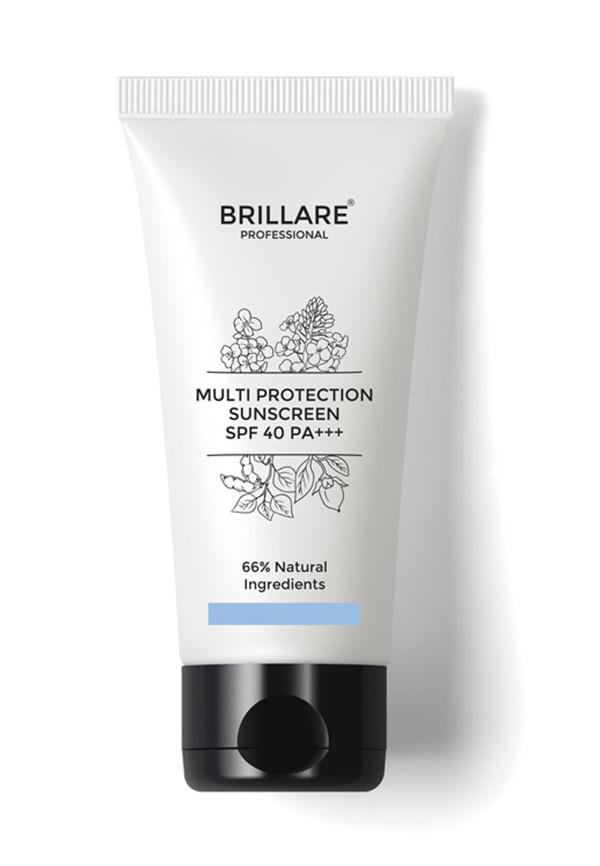
50 gmMulti-Protection Sunscreen SPF 40
The packaging your retinol comes in makes a huge difference in its longevity. Opaque, dark-coloured containers provide the best retinol protection from light. If your product comes in clear packaging, consider storing it in its original box or wrapping it in foil. Airless pump dispensers are the gold standard for retinol packaging because they minimise oxygen exposure with each use. Jars, while convenient, expose the entire product to air every time you open them. If you're using a jar, work quickly and replace the lid immediately.
Not all retinol products are created equal when it comes to stability. Understanding different retinol formulation approaches can help you choose products that maintain their effectiveness longer.
Retinyl palmitate, while less potent than pure retinol, offers better stability and is less prone to degradation. Encapsulated retinol, where the active ingredient is wrapped in protective microspheres, provides another layer of protection against environmental damage. Time-release formulations not only reduce irritation but also help maintain retinol effectiveness by protecting the ingredient until it's delivered to your skin. These formulations often cost more upfront but can offer better value by maintaining potency longer.
Look for retinol skincare products that include stabilising antioxidants like vitamin E, BHT, or ascorbyl palmitate. These retinol ingredients work as bodyguards, neutralising free radicals that would otherwise attack the retinol molecule. When reading ingredient labels, these stabilisers are usually listed towards the end, but their presence indicates that the manufacturer has considered stability in their formulation. It's a good sign that your product is designed to maintain its effectiveness over time.
Your application routine plays a role in maintaining retinol stability and effectiveness. Small changes in how and when you use your retinol can make a significant difference in its longevity.
Nighttime application isn't just about avoiding sun sensitivity—it also prevents photodegradation of the retinol on your skin. Even after application, retinol can continue to break down if exposed to light, reducing its effectiveness. If you must use retinol products during the day, sunscreen becomes non-negotiable. Not only does it protect your skin from increased photosensitivity, but it also provides an additional barrier against light that could degrade any remaining retinol on your skin's surface.
 50 gm
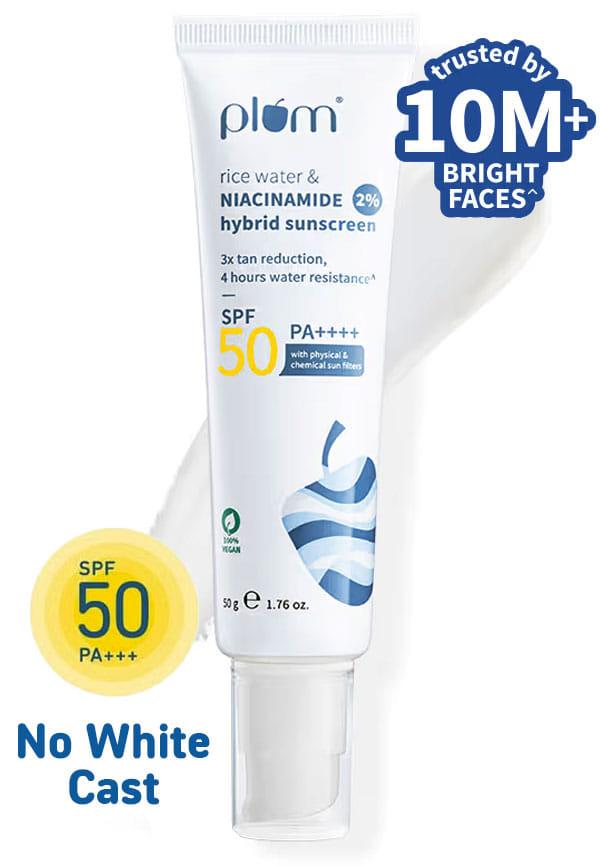
50 gm2% Niacinamide & Rice Water Hybrid Face Sunscreen with SPF 50 PA+++
Minimise air exposure by working quickly when dispensing your retinol. Don't pump extra product "just in case"—use only what you need and replace caps or lids immediately. If you're using a dropper bottle, avoid letting the dropper sit out while you apply the product. Consider decanting larger products into smaller containers for travel, keeping the main product sealed and protected while using a smaller portion. This strategy helps maintain the integrity of your main supply.
Yes, oxygen exposure causes retinol to oxidise and break down into less effective compounds. This is why airless packaging and quick application are so important for maintaining product effectiveness.
UV light can destroy up to 80% of retinol's potency within hours. Even artificial lighting can cause gradual degradation, which is why dark storage is crucial for maintaining retinol effectiveness.
Most retinol products maintain effectiveness for 6-12 months after opening when stored properly. However, products in jars may degrade faster due to repeated air exposure compared to pump or tube packaging.
Refrigeration isn't necessary but can extend shelf life. If you choose to refrigerate, let the product reach room temperature before application to avoid shocking your skin with cold product.
Look for colour changes (yellowing or browning), texture alterations, unusual smells, or increased skin irritation. These are all signs that your retinol has degraded and should be replaced.
Protecting your retinol from degradation isn't just about preserving your skincare investment—it's about ensuring you get the anti-ageing results you're working towards. By understanding how retinol degradation in light and air works and taking simple storage precautions, you can maintain your product's effectiveness and avoid the frustration of diminished results. The key is consistency in storage practices and choosing well-formulated products from the start. When you're exploring new retinol options, platforms like Smytten make it easier to test different formulations without committing to full-size products that might not work for your skin or storage situation. With trial packs from trusted brands, you can discover which retinol products maintain their effectiveness best in your routine before investing in full-size versions. Remember, the best retinol is one that maintains its potency from first use to last drop. Your skin—and your wallet—will thank you for taking these simple protective steps.
