How to Prevent Sun Damage with the Right Sunscreen
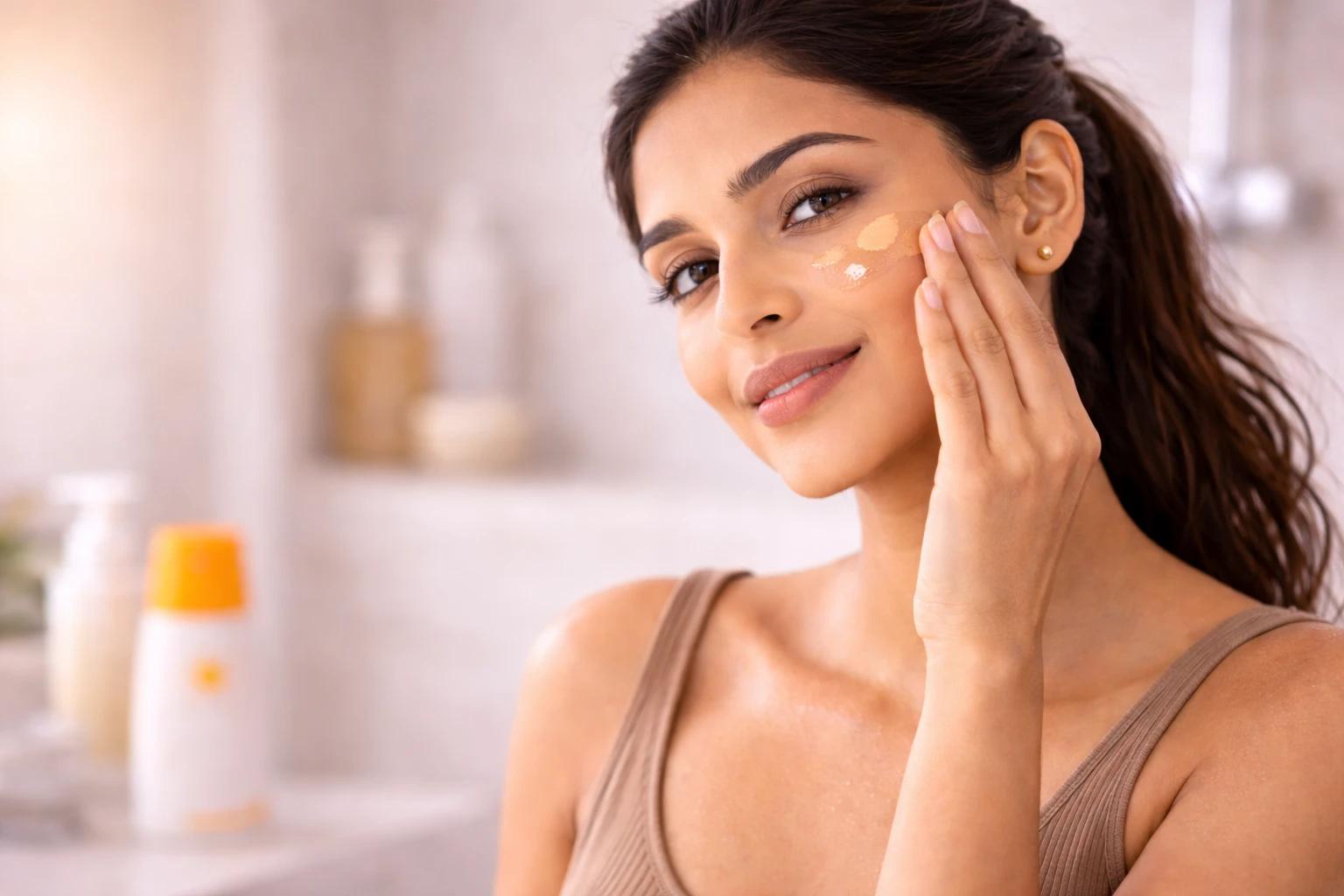

Let's be real—sun damage is one of those things we all know we should worry about, but somehow it feels like a future problem until those first fine lines or dark spots appear. The truth is, learning how to prevent sun damage with sunscreen isn't just about avoiding sunburn (though that's important too). It's about protecting your skin from the invisible daily assault of UV rays that can lead to premature ageing, hyperpigmentation, and more serious concerns down the line. The good news? With the right sunscreen knowledge and habits, you can keep your skin looking healthy and radiant for years to come.
Before diving into the how-to, it's worth understanding what we're actually protecting against. UV radiation comes in two main forms that affect your skin differently—UVA and UVB rays. UVB rays are the ones responsible for that painful sunburn, but UVA rays are the sneaky culprits behind long-term damage.
UVA rays penetrate deeper into your skin, breaking down collagen and elastin—the proteins that keep your skin firm and bouncy. This leads to premature ageing, including fine lines, wrinkles, and those stubborn dark spots that seem to appear out of nowhere. UVB rays, whilst causing immediate burning, also contribute to skin cancer risk and surface-level damage.
Here's where sunscreen becomes your skin's best friend. Sunscreen benefits go far beyond preventing a painful burn. Quality sunscreens create a protective barrier that either absorbs or reflects UV radiation before it can penetrate your skin. Studies show that consistent sunscreen use can reduce signs of photoageing by up to 24% and significantly lower skin cancer risk.
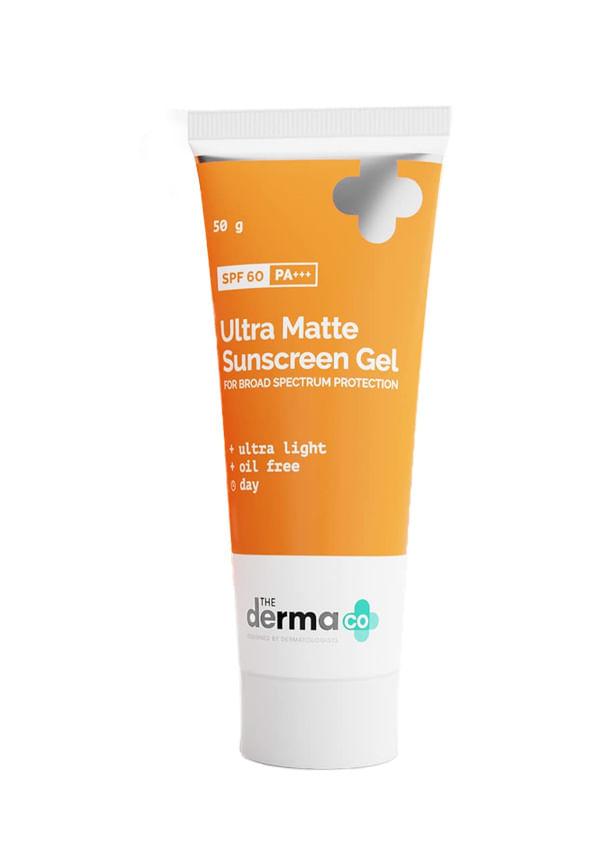 50 gm
50 gmUltra Matte Sunscreen Gel - SPF 60
The magic happens through two types of protection mechanisms. Chemical sunscreens absorb UV rays and convert them to heat, whilst physical (mineral) sunscreens create a literal shield that reflects rays away from your skin. Both methods are effective for sun damage prevention when used correctly.
Not all sunscreens are created equal, and finding your perfect match can make the difference between consistent use and that bottle gathering dust in your bathroom cabinet. The key is understanding the different formulations and what works best for your skin type and lifestyle.
Physical sunscreens contain mineral ingredients like zinc oxide or titanium dioxide. They work immediately upon application and are brilliant for sensitive skin since they're less likely to cause irritation. The downside? They can sometimes leave a white cast, though modern formulations have largely solved this issue.
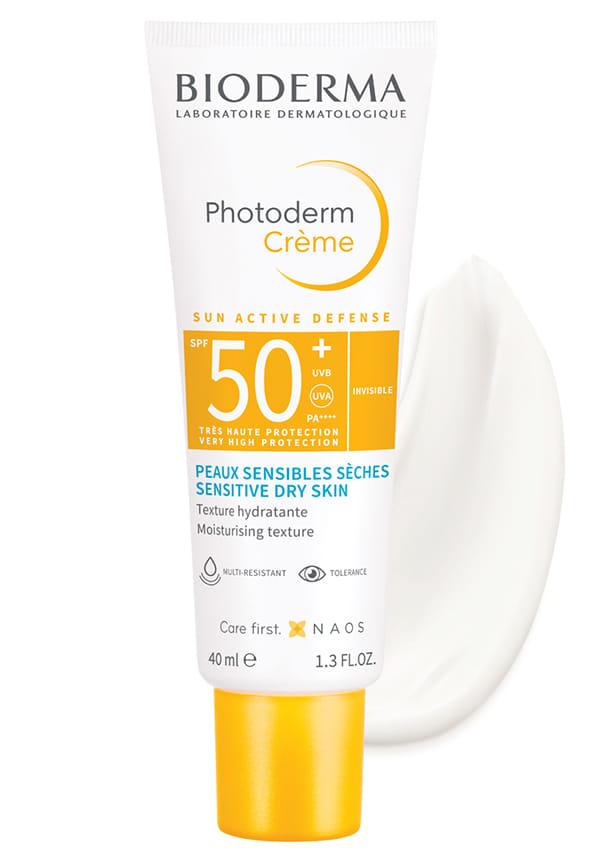 40 ml
40 mlPhotoderm Max Creme Spf 50+
Chemical sunscreens use ingredients like avobenzone, octinoxate, or oxybenzone to absorb UV rays. They tend to blend seamlessly into skin and feel lighter, making them popular for daily wear. However, they need about 15-20 minutes to become effective and can occasionally cause sensitivity in reactive skin.
This is non-negotiable. Broad spectrum sunscreen protects against both UVA and UVB rays, giving you comprehensive coverage. Without broad spectrum protection, you're only getting half the story—and your skin will show it over time.
When hunting for the best sunscreen for your needs, consider your skin type. Oily skin often prefers lightweight, gel-based formulas, whilst dry skin benefits from creamier textures with added moisturising ingredients. Sensitive skin typically responds well to mineral formulations with minimal additional ingredients.
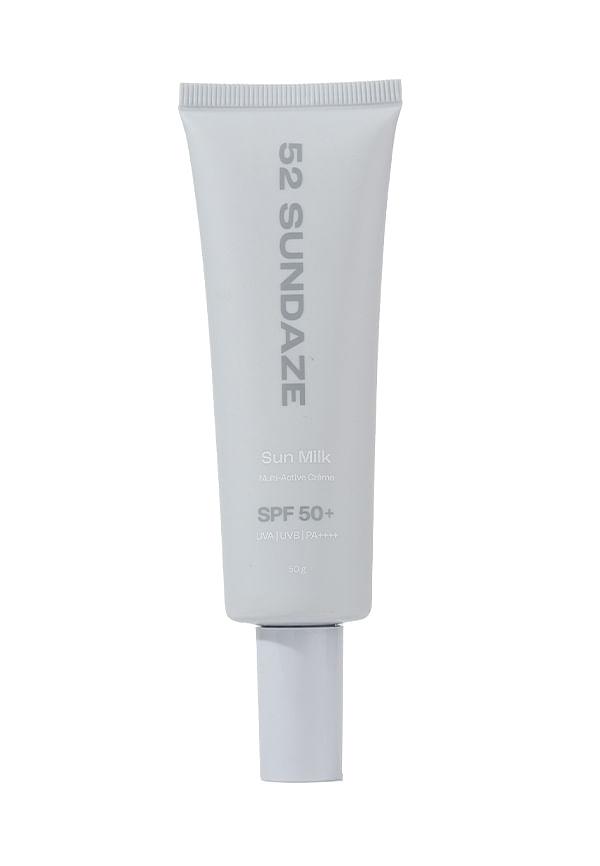 50ml
50mlSPF 50 Sun Milk Multi Active Crème Sunscreen PA++++
Understanding SPF levels can feel like decoding a secret language, but it's actually quite straightforward once you know what the numbers mean. SPF stands for Sun Protection Factor, and it indicates how long you can stay in the sun without burning compared to unprotected skin.
Here's the breakdown: SPF 15 blocks about 93% of UVB rays, SPF 30 blocks 97%, and SPF 50 blocks 98%. Whilst the difference between SPF 30 and 50 might seem minimal, that extra 1% can matter significantly for extended sun exposure or very fair skin.
For daily use, SPF 30 is generally sufficient for most people, especially if you're spending most of your time indoors or in urban environments. However, SPF 50 becomes essential for:
Extended outdoor activities
Beach or pool days
High-altitude locations
Very fair or sensitive skin
Areas with intense sun exposure
One crucial point: SPF only measures UVB protection. This is why broad spectrum protection is so important—it ensures you're also getting adequate UVA coverage for complete sun damage prevention.
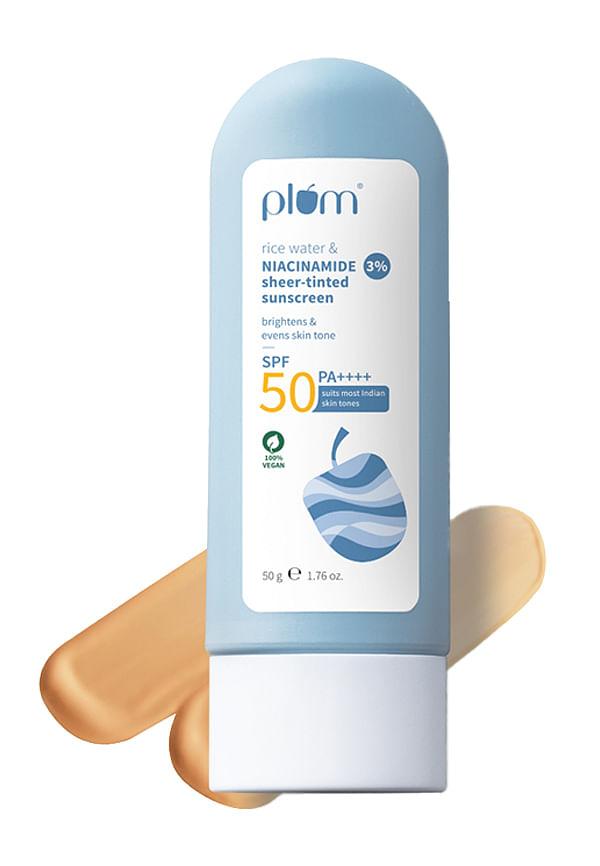 50 gm
50 gmPlum Rice Water & 3% Niacinamide Sheer-Tinted Sunscreen
Even the best sunscreen won't protect you if it's not applied correctly. Proper sunscreen application is an art that most of us need to master, and it starts with using enough product.
The famous 3-finger rule is your guide for facial application. Squeeze sunscreen along the length of your index, middle, and ring fingers—that's roughly the amount needed for your face and neck. It might seem like a lot at first, but this quantity ensures you're getting the SPF protection listed on the bottle.
Here's your step-by-step application routine:
Apply sunscreen 15-30 minutes before sun exposure
Use the 3-finger rule for your face and neck
Don't forget often-missed spots: ears, hairline, and around eyes
Reapply every two hours, or immediately after swimming or sweating
Use about 30ml (a shot glass worth) for your entire body
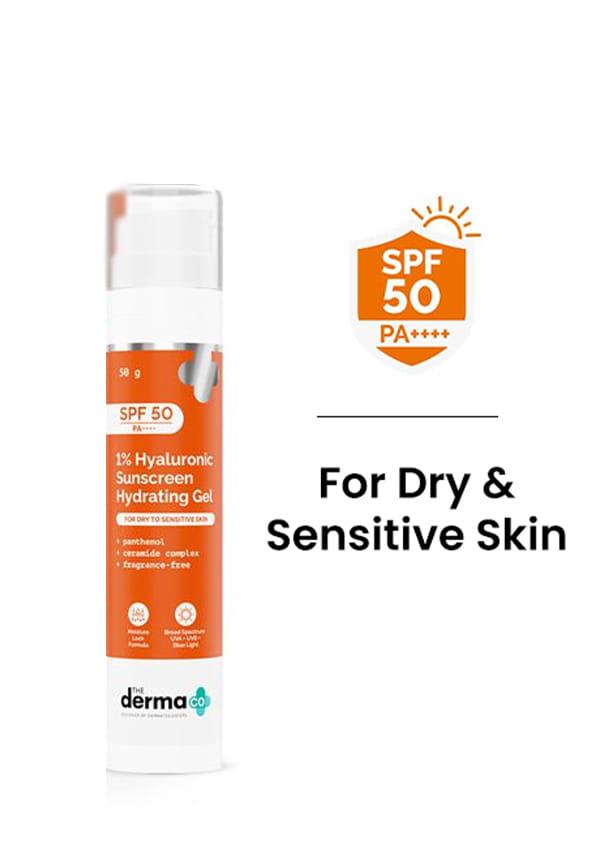 50g
50g1% Hyaluronic Sunscreen Hydrating Gel SPF 50 PA ++++
The timing matters too. Chemical sunscreens need time to absorb and become effective, whilst physical sunscreens work immediately. Building in that 15-30 minute window ensures maximum sun protection from the moment you step outside.
Making sunscreen a non-negotiable part of your morning skincare routine is perhaps the most important anti-ageing step you can take. The key is finding a formula that plays well with your other products and doesn't feel like a chore to apply.
Your morning routine should follow this order: cleanser, toner/essence, serums, moisturiser, then sunscreen. If you're using active ingredients like retinoids or acids, sunscreen becomes even more crucial since these can increase sun sensitivity.
For makeup wearers, modern sunscreens are designed to work beautifully under foundation. Look for formulas that dry down to a smooth finish and won't pill or interfere with your makeup application. Some sunscreens even double as primers, streamlining your routine.
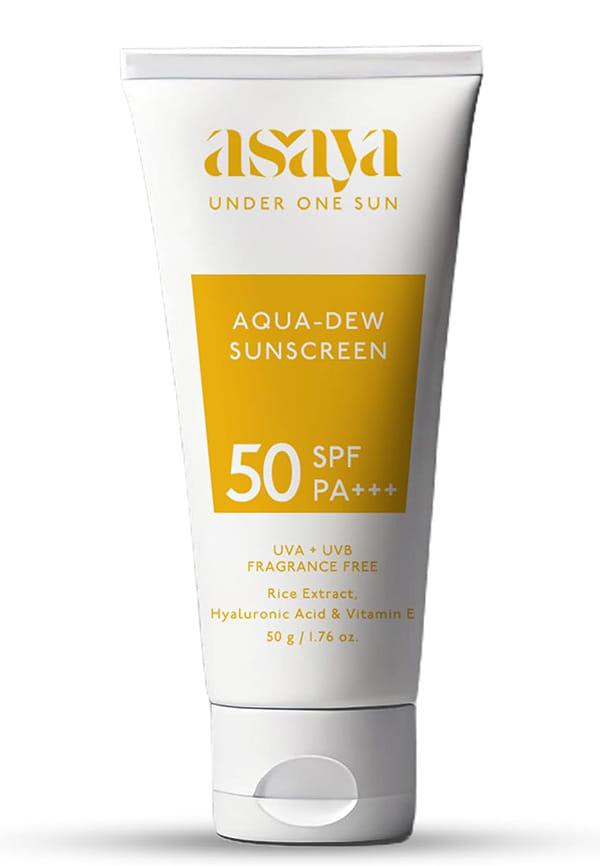 50 gm
50 gmAqua Dew Sunscreen SPF 50 PA+++
The sunscreen benefits extend beyond outdoor protection. UV rays penetrate windows, so even if you're working from home or spending most of your day indoors, you're still getting some exposure. This is why dermatologists recommend daily sunscreen use regardless of your plans.
Year-round protection is essential too. UV rays don't take winter holidays, and snow can actually reflect up to 80% of UV radiation, intensifying exposure. Cloud cover only blocks about 20% of UV rays, so overcast days still require protection.
Whilst sunscreen is your first line of defence, the most effective sun protection combines multiple strategies. Think of it as layering your protection for maximum effectiveness.
Clothing provides excellent protection—a typical white cotton t-shirt offers about SPF 7, whilst darker, tightly woven fabrics can provide SPF 50 or higher. Wide-brimmed hats protect your face, neck, and ears, whilst UV-blocking sunglasses shield the delicate eye area where sunscreen application can be tricky.
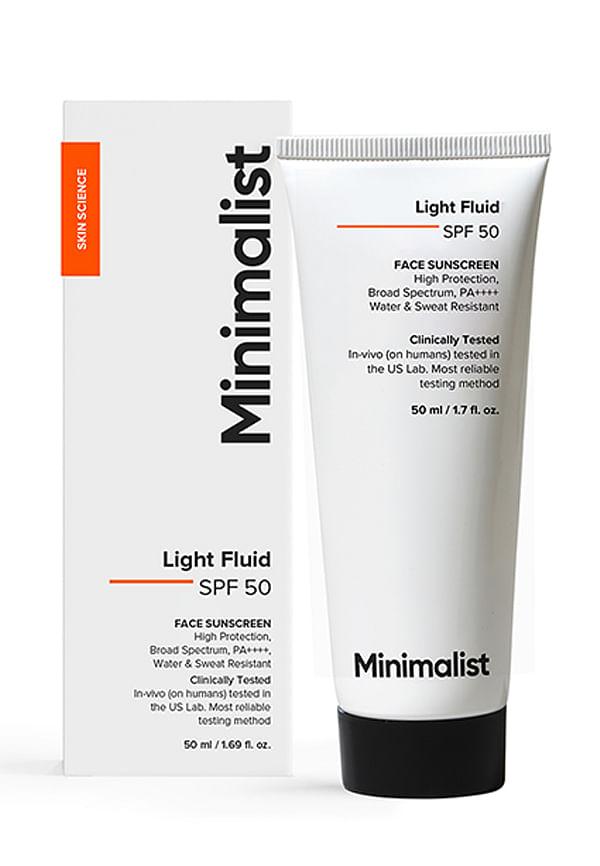 50 ml
50 mlLight Fluid SPF 50 Face Sunscreen
Timing your outdoor activities can significantly reduce exposure. UV rays are strongest between 10 AM and 4 PM, so scheduling outdoor activities for early morning or late afternoon naturally reduces your risk. When possible, seek shade during peak hours.
For comprehensive sunburn prevention, combine these strategies:
Apply broad spectrum sunscreen daily
Wear protective clothing and accessories
Seek shade during peak UV hours
Stay hydrated to support skin health
Consider UV-protective window films for cars and homes
Remember, even with perfect sunscreen application, some UV exposure is inevitable. These additional protective measures ensure you're covered from every angle.
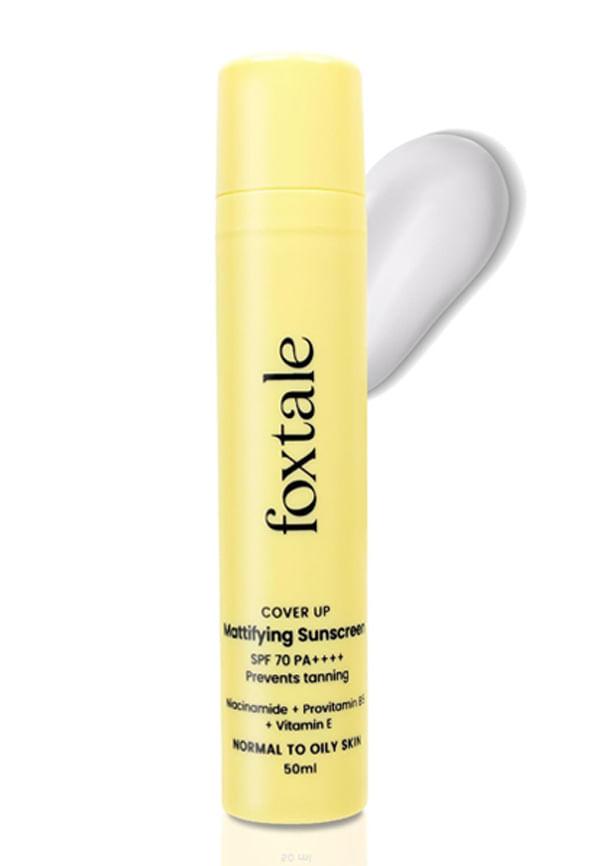 50 ml
50 mlSPF 70 Matte Finish Sunscreen for Oily Skin
With so many options available, finding the right sunscreen can feel overwhelming. This is where platforms like Smytten become invaluable for skincare enthusiasts. As India's largest product discovery and trial platform, Smytten connects you with top beauty and wellness brands, offering curated trial packs from over 1,500 trusted brands including skincare favourites like Cetaphil and Dot & Key.
The beauty of trying different sunscreen formulations through trial sizes is that you can test how they work with your skin type, lifestyle, and other skincare products without committing to full-size purchases. Whether you're exploring mineral sunscreens for sensitive skin or looking for lightweight formulas that work under makeup, trial packs let you discover what truly works for your unique needs.
Absolutely. Scientific studies consistently show that regular sunscreen use significantly reduces both immediate damage (like sunburn) and long-term effects including premature ageing and skin cancer risk. Sunscreen works by creating a protective barrier that prevents UV radiation from penetrating and damaging skin cells.
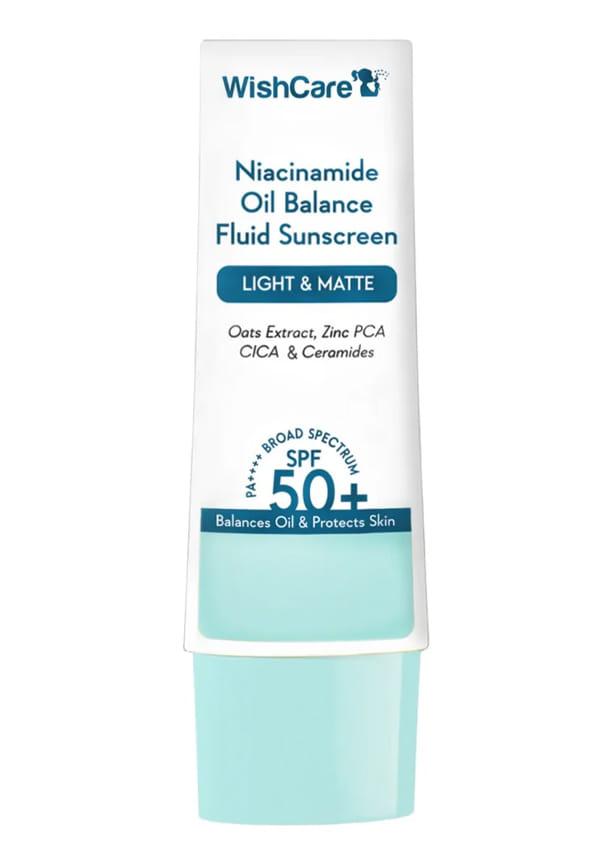 50 gm
50 gmWishCare Niacinamide Oil Balance Sunscreen SPF 50 PA++++ - In-Vivo Tested
The 3-finger rule is a simple way to ensure you're using enough sunscreen for your face and neck. Squeeze sunscreen along the length of your index, middle, and ring fingers—this amount provides adequate coverage for the SPF protection listed on the bottle.
PA++++ is an Asian rating system that measures UVA protection specifically. The more plus signs, the better the UVA protection. PA++++ offers the highest level of UVA protection available, which is crucial for preventing long-term sun damage and premature ageing.
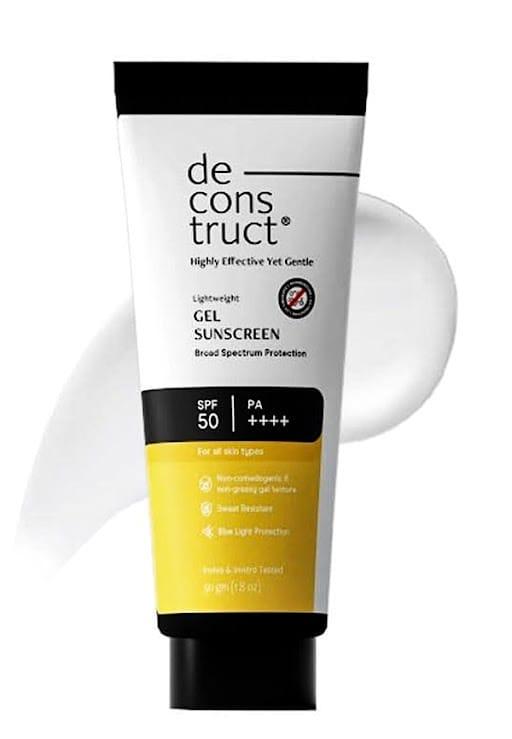 50 gm
50 gmLightweight Gel Sunscreen- SPF 50+ and PA+++
For most daily activities, SPF 30 provides adequate protection and blocks 97% of UVB rays. SPF 50 is better for extended outdoor exposure, very fair skin, or high-risk situations like beach days or mountain activities where UV exposure is intensified.
Reapply sunscreen every two hours during sun exposure, or immediately after swimming, sweating, or towelling off. For daily wear with minimal sun exposure, morning application is usually sufficient, but reapplication is crucial for extended outdoor activities.
Learning how to prevent sun damage with sunscreen is one of the most effective anti-ageing strategies you can adopt. The key is finding a formula you genuinely enjoy using and making it a non-negotiable part of your daily routine. Remember, the best sunscreen is the one you'll actually use consistently.
With proper application techniques, the right SPF level for your lifestyle, and a comprehensive approach to sun protection, you're setting your skin up for long-term health and radiance. Whether you're just starting your sunscreen journey or looking to upgrade your current routine, taking the time to find your perfect match through trial sizes can make all the difference in building a sustainable, effective sun protection habit.
