How to Perfectly Pair Hyaluronic Acid with Retinol for Glowing Skin

 30 ml
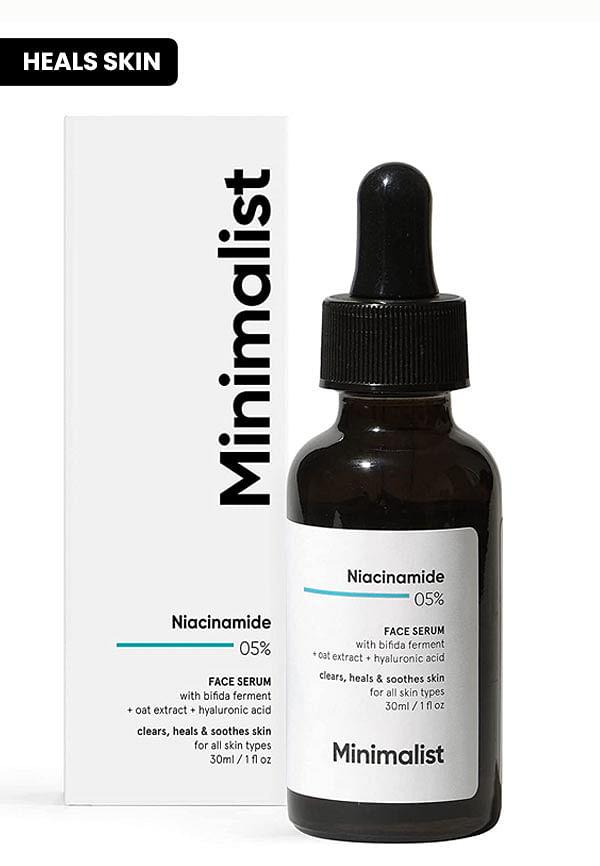
30 ml5% Niacinamide Face Serum For Glowing & Clear Skin With 1% Hyaluronic Acid
Let's be real—combining skincare actives can feel like mixing potions in a chemistry lab. One wrong move and your face might stage a rebellion. But here's the thing: when you nail the hyaluronic acid with retinol hydration pairing, you're looking at some seriously impressive results. Think plumper, smoother skin that actually glows instead of looking like it's been through a desert storm. The trick isn't just slapping both products on your face and hoping for the best—it's about understanding how these two powerhouse ingredients work together to give you that coveted glass skin effect.
These two ingredients are basically the skincare equivalent of a perfect match on a dating app. Retinol and hyaluronic acid complement each other in ways that make your skin thank you later. While retinol gets busy speeding up cell turnover and boosting collagen production, hyaluronic acid swoops in to keep everything hydrated and happy. The magic happens because retinol can be a bit of a drama queen—it's incredibly effective for anti-ageing skincare, but it can also leave your skin feeling dry, tight, and sometimes irritated. That's where hyaluronic acid becomes your skin's best friend, providing the hydration boost that keeps everything balanced.
Hyaluronic acid is basically a moisture magnet that can hold up to 1,000 times its weight in water. It comes in different molecular weights—smaller molecules penetrate deeper into your skin, while larger ones sit on the surface to create a protective barrier. This dual action means you get both immediate skin plumping effects and long-term hydration benefits.
Retinol works by encouraging your skin cells to turn over faster, revealing fresher, younger-looking skin underneath. It stimulates collagen production, which helps with wrinkle reduction and overall skin texture. The downside? This cellular renovation process can leave your skin feeling parched and sensitive, especially when you're first starting out.
When you use these ingredients together, hyaluronic acid acts like a protective cushion for your skin while retinol does its thing. Studies show that proper hydration can actually enhance retinol's effectiveness while reducing the likelihood of irritation. It's like having a bodyguard for your skin barrier.
Here's where things get interesting—the order matters more than you might think. The golden rule of skincare layering is to apply products from thinnest to thickest consistency. Since most hyaluronic acid serums are water-based and retinol serum formulations vary, you'll typically want to apply hyaluronic acid first. The science behind this approach makes perfect sense. Hyaluronic acid needs water to work its magic, so applying it to slightly damp skin helps it bind moisture more effectively. Following up with retinol allows the active ingredient to penetrate properly without having to fight through a thick layer of hydrating serum.
Think of your skincare routine like getting dressed—you wouldn't put your coat on before your shirt, right? Water-based products go on first, followed by oil-based or thicker formulations. This ensures each product can do its job without being blocked by heavier textures.
Start with freshly cleansed skin that's still slightly damp. Apply 2-3 drops of hyaluronic acid serum and gently pat it into your skin. Wait about 30 seconds for it to absorb, then apply your retinol product. Follow up with a moisturiser to seal everything in. This method maximises the hyaluronic acid with retinol hydration pairing benefits.
 30ml
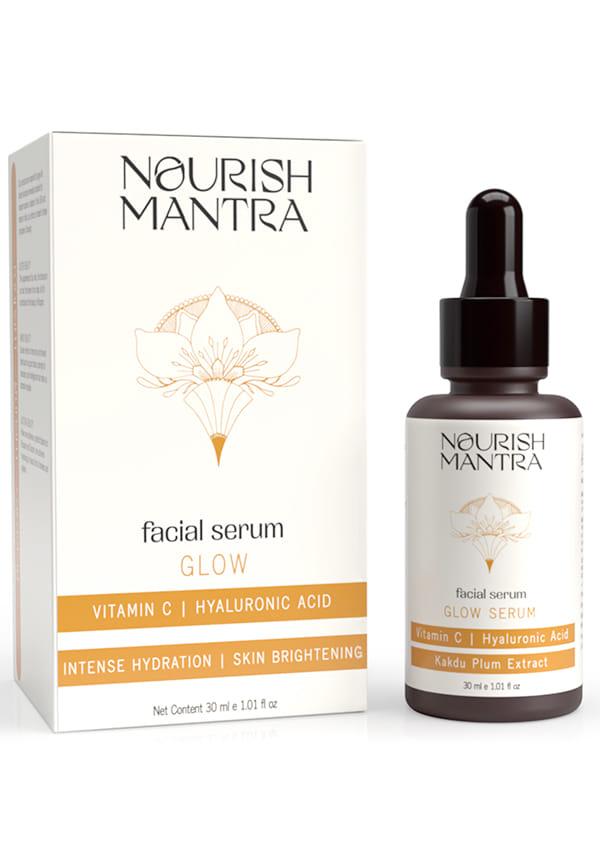
30mlGlow Serum with Vitamin C & Hyaluronic Acid for Radiant and Glowing Skin
If you have sensitive skin, you might want to try the sandwich method—apply a thin layer of moisturiser, then retinol, then hyaluronic acid, and finish with more moisturiser. For dry skin treatment, consider using a hydrating toner before your hyaluronic acid serum.
Your nighttime skincare routine is where this dynamic duo really shines. Night-time is when your skin goes into repair mode, making it the perfect time to introduce active ingredients that work while you sleep. Plus, retinol can make your skin more sensitive to sunlight, so keeping it as an evening-only treatment is definitely the way to go. The key is building a routine that supports your skin barrier while delivering maximum benefits. This means starting slowly and gradually increasing frequency as your skin builds tolerance.
Begin with a gentle cleanser to remove makeup and daily grime. If you wear heavy makeup or sunscreen, double cleansing with an oil-based cleanser first can help ensure everything's properly removed. Follow with a pH-balancing toner if needed, then proceed with your hyaluronic acid and retinol application.
Start with retinol once a week for the first two weeks, then gradually increase to twice weekly, then three times. You can use hyaluronic acid daily—it's gentle enough for everyday use and actually helps your skin tolerate retinol better. Listen to your skin and adjust accordingly.
Apply your routine about 30 minutes before bed to give products time to absorb. Avoid using retinol in the morning since it can increase sun sensitivity. During summer months, you might want to reduce retinol frequency or concentration to prevent irritation.
Let's talk about the elephant in the room—retinol can be a bit temperamental when you first start using it. Common side effects include dryness, peeling, redness, and increased sensitivity. The good news? Proper hydration with hyaluronic acid can significantly reduce these issues. The trick is finding the right balance for your skin type and concerns. What works for your friend might not work for you, and that's completely normal.
If you experience irritation, try reducing retinol frequency or using a lower concentration. Always follow up with a good moisturiser, and consider using a hydrating face mask once or twice a week. Remember, some initial adjustment is normal, but severe irritation isn't.
Sensitive skin types should start with the lowest retinol concentration available and increase very gradually. Those with dry skin might benefit from applying hyaluronic acid twice—once before retinol and once after. Oily skin types can usually tolerate higher concentrations more quickly.
 30 ml
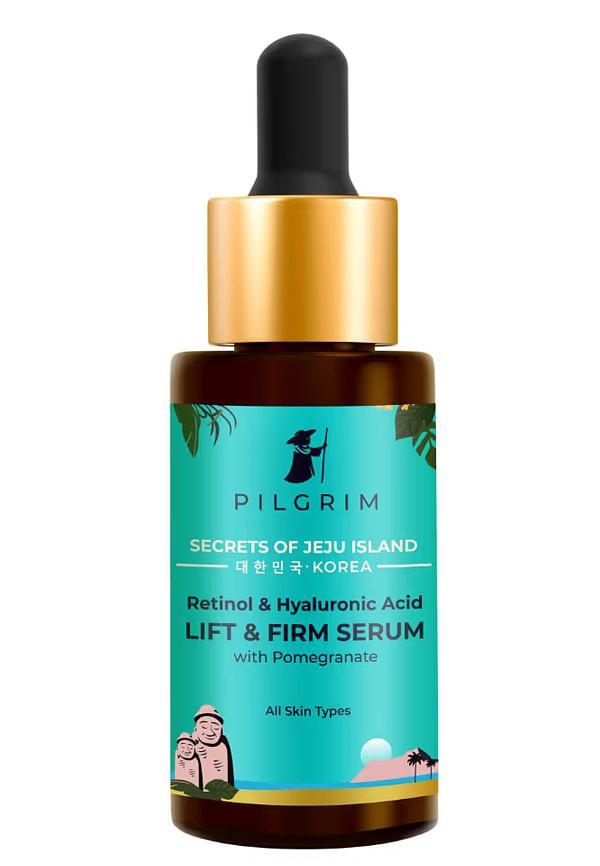
30 mlLift & Firm Serum With Retinol & Hyaluronic Acid For Anti Aging
Watch out for persistent redness, excessive peeling, or skin that feels constantly tight and uncomfortable. These could be signs that you're overdoing it. Scale back and give your skin time to recover before gradually reintroducing products.
With countless options available, choosing the right products for your hyaluronic acid with retinol hydration pairing can feel overwhelming. The good news is that you don't need to break the bank to see results—there are effective options at every price point. When shopping for these products, focus on formulation quality rather than fancy packaging. Look for hyaluronic acid serums with multiple molecular weights and retinol products with stabilising ingredients.
Seek out serums that contain different molecular weights of hyaluronic acid for maximum penetration and surface hydration. Additional hydrating ingredients like glycerin, ceramides, or niacinamide can boost the overall effectiveness. Avoid products with too many unnecessary additives or strong fragrances.
Beginners should start with concentrations between 0.25% and 0.5%. Look for encapsulated retinol or time-release formulations, which tend to be gentler on the skin. Products that include soothing ingredients like aloe vera or chamomile can help minimise irritation.
You can find effective drugstore options that deliver real results without the premium price tag. However, higher-end products often feature more sophisticated delivery systems and additional beneficial ingredients. The key is finding what works for your skin and budget. This is where platforms like Smytten become incredibly valuable. As India's largest product discovery platform, Smytten lets you try mini versions of products from over 1,500 trusted brands before committing to full sizes. You can explore different hyaluronic acid and retinol formulations from brands like Cetaphil and Dot & Key with Trial Points, getting up to 8 minis for just ₹249. Plus, with 100% cashback redeemable for future purchases, you can experiment with different combinations without the financial risk.
Patience is key when it comes to seeing results from your hyaluronic acid with retinol hydration pairing. While hyaluronic acid provides immediate hydration benefits, retinol's anti-ageing effects take time to become visible. Understanding this timeline helps set realistic expectations and keeps you motivated to stick with your routine. Most people start noticing improvements in skin texture and hydration within the first few weeks, but significant anti-ageing results typically take 2-3 months of consistent use.
In the first week or two, you'll likely notice improved hydration and a subtle glow from the hyaluronic acid. By month one, skin texture should start looking smoother. Month two often brings visible improvements in fine lines, and by month six, you should see significant changes in overall skin quality and tone.
Take photos in consistent lighting conditions to track your progress objectively. Focus on specific areas like crow's feet, forehead lines, or overall skin texture. Keep a simple skincare diary noting any changes, both positive and negative, to help optimise your routine.
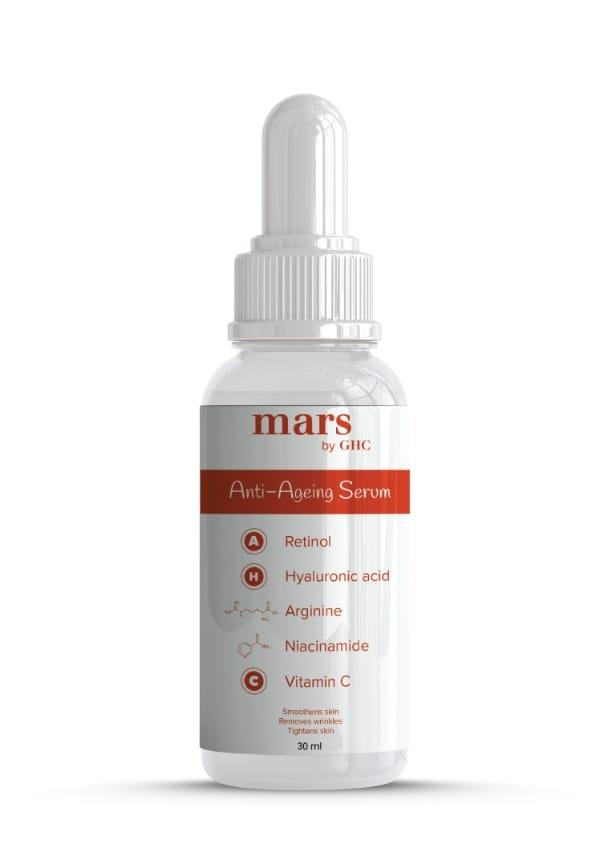 30 ml
30 mlAnti Ageing Face Serum with 5% Niacinamide, 0.2% Retinol, Hyaluronic Acid, Arginine, Vit C - For Spotless Glow, Anti Wrinkle, Dullness & Fine Lines
If you're not seeing results after 3-4 months, consider whether you're using the right concentration or frequency. Sometimes increasing retinol strength or adding complementary ingredients can help break through plateaus. However, always introduce changes gradually.
Yes, you can use hyaluronic acid nightly as it's gentle and hydrating. However, start retinol 1-2 times per week initially and gradually increase frequency as your skin builds tolerance. Most people can eventually use retinol 3-4 times per week.
Apply hyaluronic acid first, followed by retinol. This allows the hydrating serum to prepare your skin and potentially reduce retinol irritation. Wait about 30 seconds between applications for optimal absorption.
Avoid using vitamin C, AHAs, or BHAs in the same routine as retinol, as this can increase irritation. Benzoyl peroxide can also deactivate retinol. Stick to gentle, hydrating ingredients alongside your retinol and hyaluronic acid pairing.
Yes, but start very slowly with the lowest retinol concentration available. The hyaluronic acid actually helps buffer retinol's potential irritation. Consider using the sandwich method—moisturiser, retinol, hyaluronic acid, then more moisturiser.
Hydration improvements from hyaluronic acid are immediate, while retinol results take 6-12 weeks for noticeable changes. Significant anti-ageing benefits typically appear after 3-6 months of consistent use.
Hyaluronic acid is safe during pregnancy and breastfeeding, but retinol should be avoided. Consider switching to bakuchiol, a plant-based retinol alternative, during this time while continuing with hyaluronic acid.
Mastering the hyaluronic acid with retinol hydration pairing is like finding the perfect skincare rhythm—it takes a bit of practice, but once you get it right, the results speak for themselves. The key is starting slowly, listening to your skin, and being consistent with your routine. Remember, skincare is deeply personal, and what works for others might need tweaking for your unique skin needs. Don't be afraid to experiment with different products and formulations until you find your perfect match. With Smytten's trial platform, you can explore various options from trusted brands without the commitment of full-size purchases, making it easier than ever to discover what truly works for your skin. The journey to healthier, more radiant skin doesn't happen overnight, but with the right combination of patience, knowledge, and quality products, you'll be well on your way to achieving that coveted glow. After all, why settle for 'maybe' when you can try it all and find exactly what your skin loves?
