
Skincare
•08 min read

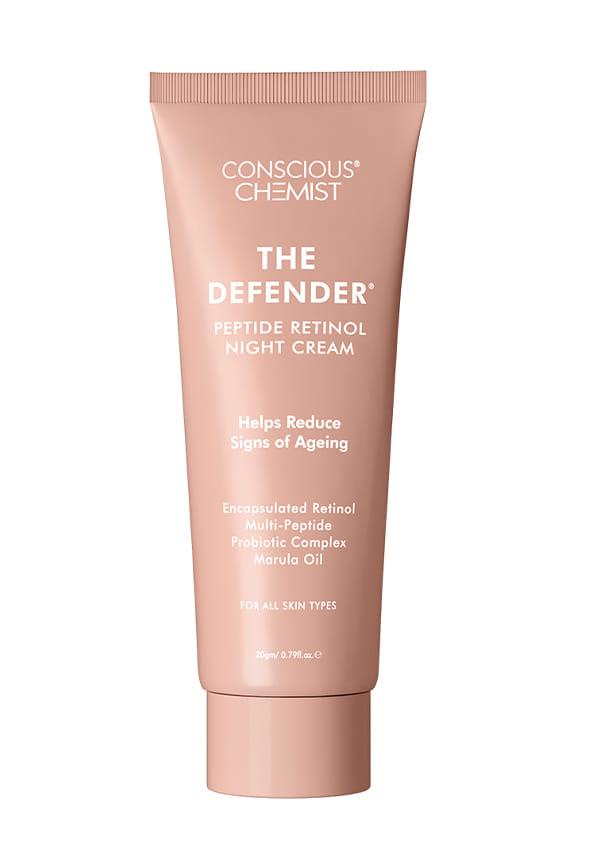 20gm
20gmMulti Peptide Retinol Anti Aging Night Cream For Fine Lines & Sagging Skin
Let's be real—combining skincare actives can feel like mixing potions in a chemistry lab. You've probably heard conflicting advice about using retinol with peptides compatibility, leaving you wondering if these powerhouse ingredients can actually work together. The good news? They absolutely can, and when done right, this combination might just become your skin's new favourite duo. Think of retinol as the renovation expert that resurfaces your skin, while peptides act as the repair crew that rebuilds and strengthens. Together, they create a comprehensive anti-ageing approach that tackles multiple skin concerns simultaneously.
The short answer is yes—retinol and peptides together can be a game-changer for your skin. Despite what you might have read on beauty forums, most peptides are actually quite compatible with retinol when used correctly.
Unlike some skincare ingredients that clash at a molecular level, retinol peptides generally play well together. Retinol works by increasing cell turnover and stimulating collagen production, while peptides signal your skin to repair and rebuild itself. These mechanisms complement rather than compete with each other. The key lies in understanding that peptides are typically stable at the slightly acidic pH levels that retinol prefers, making them natural skincare partners.
One persistent myth suggests that retinol breaks down peptides, rendering them useless. This isn't entirely accurate. While some peptides can be sensitive to extreme pH changes, most modern formulations are designed to withstand the conditions created by retinol use. Another misconception is that using retinol and peptides together causes excessive irritation—in reality, peptides often help soothe the potential irritation from retinol.
Signal peptides like palmitoyl pentapeptide-4 and carrier peptides such as copper peptides work brilliantly with retinol. Neurotransmitter peptides, which help relax facial muscles, are also generally safe to combine. However, some enzyme-inhibitor peptides might be less stable, so it's worth checking product formulations or consulting with a dermatologist if you're unsure.
To master the art of retinol peptide combination, you need to understand what each ingredient brings to the table. Think of them as a dynamic duo where each member has distinct superpowers that enhance the other's abilities.
Retinol is essentially vitamin A in its purest form, working as a cellular communicator that tells your skin to behave like younger, healthier skin. It speeds up cell turnover, unclogs pores, and stimulates collagen production. This process can initially cause some dryness or irritation as your skin adjusts to the increased activity.
Peptides are short chains of amino acids that act as messengers, telling your skin cells what to do. They're like the supportive friend who helps you rebuild after a tough workout—in this case, the 'workout' being the cellular renewal process triggered by retinol. Peptides help maintain skin barrier function, reduce inflammation, and support the skin's natural repair processes.
When you use retinol and peptides together, you're essentially creating a comprehensive skin renewal system. Retinol creates the demand for new, healthy skin cells, while peptides provide the building blocks and instructions for creating them. This synergy can lead to faster, more noticeable results with potentially less irritation than using retinol alone.
The benefits of retinol and peptides extend far beyond what either ingredient can achieve solo. This combination addresses multiple signs of ageing while supporting overall skin health.
Retinol tackles fine lines by increasing collagen production and cell turnover, while peptides signal the skin to maintain firmness and elasticity. Together, they create a more comprehensive approach to wrinkle reduction. You might notice smoother skin texture within 4-6 weeks, with more significant improvements in fine lines appearing after 8-12 weeks of consistent use.
The cellular renewal promoted by retinol, combined with the structural support provided by peptides, results in noticeably firmer, smoother skin. This combination is particularly effective for addressing concerns like enlarged pores, rough texture, and loss of skin elasticity that often come with age or sun damage.
Interestingly, peptides can actually help reduce the irritation commonly associated with retinol use. Their skin-soothing and barrier-supporting properties create a more comfortable experience, especially for those with sensitive skin. This means you might be able to use retinol more frequently or at higher concentrations than you could tolerate otherwise.
While retinol stimulates collagen production, peptides provide the amino acid building blocks necessary for creating strong, healthy collagen fibres. This dual approach can lead to more robust improvements in skin firmness and elasticity compared to using either ingredient alone.
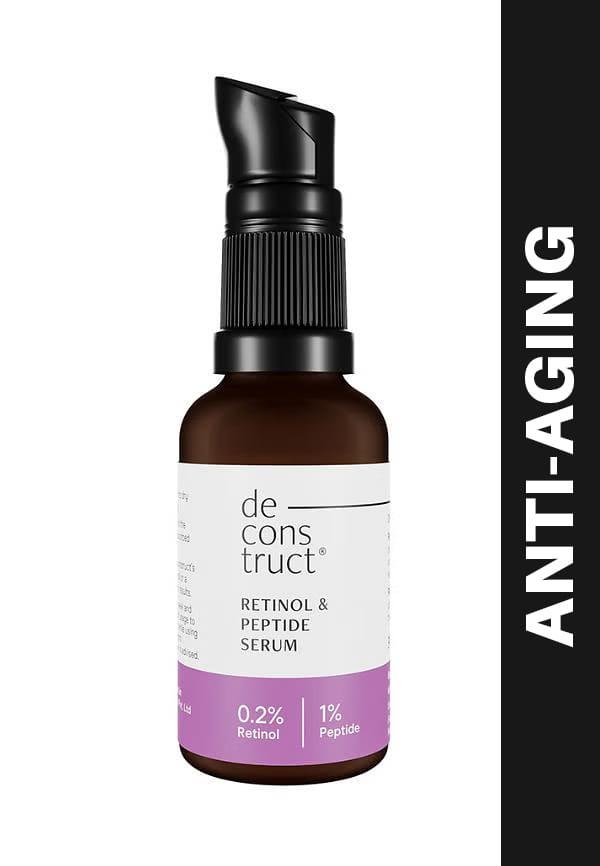 30 ml
30 mlRetinol Face Serum with Peptide
Mastering skincare layering retinol peptides is crucial for getting the best results without irritation. The order and timing of application can make or break your routine's effectiveness.
Retinol should always be used in the evening, as it can increase photosensitivity. Peptides, however, are more flexible—they can be used morning or evening. Many people find success using peptides in the morning for protection and repair, then retinol at night for renewal. Alternatively, you can use both in your evening routine with proper layering.
When using peptides after retinol in the same routine, follow this order: cleanser, toner (if using), retinol, wait 10-15 minutes, peptide serum, moisturiser. The general rule is thinnest to thickest consistency, but retinol should go on clean skin for maximum penetration, while peptides can be layered over it to provide soothing benefits.
Allow 10-15 minutes between applying retinol and peptides. This gives the retinol time to absorb properly without being diluted by subsequent products. If you're using a retinol peptide serum that combines both ingredients, this timing concern becomes irrelevant.
Most peptides are stable at the slightly acidic pH that retinol prefers (around 5.5-6.0). However, if you're using other acids like AHAs or BHAs, consider alternating nights rather than layering everything together. This prevents potential pH conflicts that could reduce ingredient effectiveness.
Creating an effective peptide retinol routine requires patience and gradual introduction, especially if you're new to either ingredient. The key is starting slowly and building tolerance over time.
If you're new to incorporating retinol and peptides, start with peptides first. Use a peptide serum for 2-3 weeks to establish tolerance, then introduce retinol once weekly. Gradually increase retinol frequency to every other night, then nightly as your skin adapts. This approach minimises irritation while building your skin's resilience.
Experienced retinol users can typically handle nightly application of both ingredients. Consider using a peptide serum in the morning and retinol with peptides at night, or alternating between different peptide types to target various skin concerns. Some people even layer multiple peptide serums with their retinol for enhanced benefits.
A balanced weekly routine might look like: Monday and Wednesday - retinol with peptides, Tuesday and Thursday - peptides only, Friday - retinol with peptides, Saturday and Sunday - peptides only or rest days. Adjust frequency based on your skin's response and tolerance level.
Positive signs include improved skin texture, reduced fine lines, and minimal irritation. Warning signs include persistent redness, excessive dryness, or increased sensitivity. If you experience negative reactions, reduce frequency or concentration, and consider consulting a dermatologist.
Selecting the right products for your retinol peptide combination routine can feel overwhelming with so many options available. Understanding what to look for helps you make informed choices that suit your skin type and concerns.
When shopping for a retinol peptide serum, look for stabilising ingredients like vitamin E, hyaluronic acid, and ceramides. These help maintain ingredient potency while providing additional skin benefits. Avoid products with high concentrations of acids or alcohol, which can increase irritation when combined with retinol.
Both approaches have merit. Separate products allow you to customise concentrations and timing, while combination products ensure optimal pH and stability. All-in-one formulations are often gentler and more convenient, making them ideal for beginners or those with sensitive skin.
Start with lower concentrations—0.25-0.5% retinol and peptide concentrations around 2-5%. You can always increase strength as your skin builds tolerance. Higher isn't always better, especially when combining multiple active ingredients.
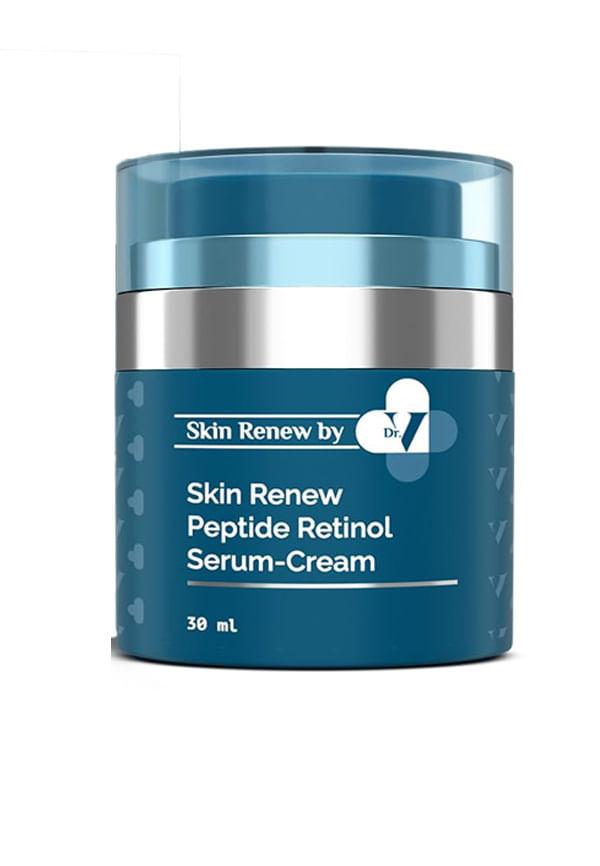 30 ml
30 mlSkin Renew Peptide Retinol Serum - Cream with Peptide & Retinol
Effective retinol and peptide products don't have to break the bank. Focus on ingredient quality, packaging that protects from light and air, and proven peptide types rather than fancy marketing claims. This is where platforms like Smytten become invaluable—you can try products from trusted brands before committing to full sizes, ensuring you find formulations that work for your skin without the financial risk.
Even with the best intentions, it's easy to make mistakes when using retinol and peptides together. Learning from common pitfalls can save your skin from unnecessary irritation and disappointment.
The biggest mistake people make is thinking more product equals better results. A pea-sized amount of retinol is sufficient for your entire face, and most peptide serums require only 2-3 drops. Over-application can lead to irritation, product pilling, and wasted money without improving results.
While retinol and peptides work well together, adding too many other actives can overwhelm your skin. Avoid using strong acids, high-concentration vitamin C, or benzoyl peroxide in the same routine. Keep it simple and focused for the best results.
Retinol increases photosensitivity, making daily SPF non-negotiable. This isn't just about preventing burns—UV exposure can undo all the anti-ageing benefits you're working to achieve. Use broad-spectrum SPF 30 or higher every morning, regardless of weather or season.
If you experience irritation, don't abandon the routine entirely. Instead, reduce frequency, lower concentrations, or add more hydrating products. Sometimes switching to a gentler retinol derivative like retinyl palmitate or adding a barrier repair cream can help your skin adapt more comfortably.
Yes, once your skin has built tolerance, you can use retinol and peptides together nightly. Start slowly and gradually increase frequency to avoid irritation.
Apply retinol first on clean skin, wait 10-15 minutes, then apply peptide serum. Follow with moisturiser to lock in benefits.
You might notice improved skin texture within 4-6 weeks, with more significant anti-ageing benefits appearing after 8-12 weeks of consistent use.
Absolutely! Ceramides actually complement both retinol and peptides by supporting skin barrier function and reducing potential irritation.
Most peptides are compatible with retinol. However, some enzyme-inhibitor peptides might be less stable. When in doubt, patch test or consult a dermatologist.
Start with peptides first to build skin tolerance, then gradually introduce retinol. This approach minimises irritation and helps your skin adapt more comfortably.
Yes, copper peptides generally work well with retinol. They can even help reduce irritation while supporting collagen production.
Start with 0.25-0.5% retinol when combining with peptides. You can increase concentration gradually as your skin builds tolerance.
Combining retinol and peptides doesn't have to be complicated—it's all about understanding how these ingredients work together and respecting your skin's adaptation process. Start slowly, layer correctly, and be patient with results. Remember, consistency trumps intensity when it comes to anti-ageing skincare. With Smytten's extensive range of skincare options from trusted brands, you can explore different retinol and peptide formulations without committing to full-size products. Their trial packs let you test various combinations to find what works best for your skin type and concerns. After all, why settle for guesswork when you can try different formulations and discover your perfect retinol-peptide match? The platform's 100% cashback offer on trial minis makes experimenting with new products both affordable and risk-free, ensuring you find the right combination for your skin's unique needs.
