How to Optimize Your Combination Skin Routine with Niacinamide


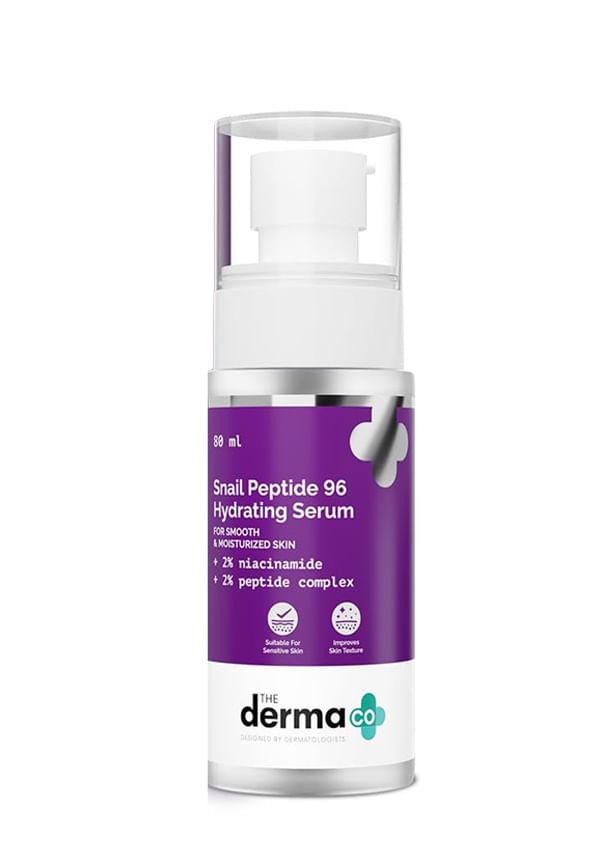 80 ml
80 mlSnail Peptide 96 Hydrating Serum with Niacinamide & Peptide Complex
Let's be real—combination skin is like having two different skin types living on your face, and they rarely get along. Your T-zone's producing enough oil to power a small engine whilst your cheeks are practically begging for moisture. Sound familiar? If you've been struggling to find that sweet spot where both zones are happy, niacinamide might just be your skin's new best mate. This powerhouse ingredient has been making waves in the skincare world for good reason—it's brilliant at balancing oil production, minimising pores, and creating that coveted even complexion we're all after.
Combination skin care can feel like you're constantly playing referee between your oily T-zone and dry cheeks. One minute you're blotting away excess shine from your forehead, the next you're slapping on moisturiser because your cheeks feel tight and flaky. It's exhausting, honestly.
The thing is, most skincare routines treat your entire face like it's one skin type. But your combination skin didn't get the memo. Your nose and forehead are churning out sebum like there's no tomorrow, whilst the rest of your face is sitting there feeling neglected and parched.
Your skin's oil production isn't evenly distributed across your face. The T-zone (forehead, nose, and chin) has more sebaceous glands, which means more oil. Meanwhile, your cheeks and jawline have fewer oil glands, making them prone to dryness.
Here's where niacinamide benefits really shine. This form of vitamin B3 is like having a smart thermostat for your skin—it knows when to dial down oil production in your T-zone and when to boost hydration in drier areas. It's not about stripping away all the oil or drowning your skin in moisture; it's about finding that perfect balance.
Right, let's get a bit nerdy for a moment. Niacinamide works by regulating sebum production at the cellular level. It doesn't just mop up excess oil—it actually tells your sebaceous glands to chill out a bit. This oil control skincare approach means you're tackling the problem at its source rather than just managing the symptoms.
But here's the clever bit: whilst it's busy regulating oil in your T-zone, niacinamide is also strengthening your skin barrier in those drier areas. It helps your skin hold onto moisture more effectively, which is exactly what your parched cheeks need.
That pore minimizing serum effect everyone raves about? Niacinamide delivers by improving skin elasticity and reducing the appearance of enlarged pores. When your pores aren't constantly clogged with excess oil, they naturally appear smaller.
The anti-inflammatory properties make niacinamide brilliant for redness relief skincare. If your combination skin comes with a side of sensitivity or irritation, this ingredient helps calm things down without being too gentle to be effective.
Creating a skin routine for combination skin with niacinamide doesn't have to be complicated. The key is knowing when and how to apply it for maximum benefit. Think of niacinamide serum as the mediator in your skincare routine—it goes on after cleansing but before your heavier moisturisers.
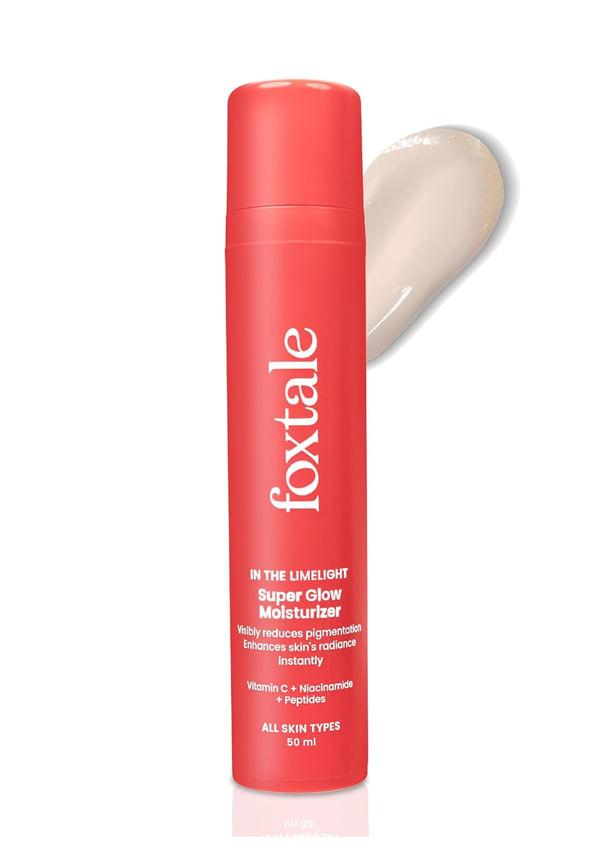 50 ml
50 mlVitamin C Super Glow Moisturizer with Niacinamide
Here's how to build a routine that actually works for your combination skin:
Gentle Cleanser: Start with a mild, non-stripping cleanser that won't send your oil glands into overdrive.
Niacinamide Application: Apply your niacinamide serum to clean, slightly damp skin. Don't forget to pat it in rather than rubbing—your skin will absorb it better this way.
Targeted Moisturising: Use a lighter moisturiser on your T-zone and a richer one on your cheeks if needed, or find a good middle-ground formula that works for both areas.
SPF Protection: Never skip this step. UV damage can worsen uneven skin tone and make your combination skin even more unbalanced.
Double Cleansing: Remove makeup and sunscreen first, then follow with your regular cleanser.
Niacinamide Timing: Evening application allows the ingredient to work overnight when your skin's repair processes are most active.
Zone-Specific Treatments: This is when you can get a bit more targeted with your approach—perhaps a hydrating serum for your cheeks and a gentle exfoliant for your T-zone once or twice a week.
When it comes to best niacinamide products, concentration matters more than you might think. For combination skin, you'll want to look for formulations between 5-10% niacinamide. Anything lower might not give you the results you're after, whilst anything higher could potentially irritate your skin.
Serums tend to be the most popular format because they're lightweight and absorb quickly—perfect for combination skin that doesn't want to feel weighed down. However, niacinamide moisturisers can be brilliant if you prefer fewer steps in your routine.
Look for gel-based or lightweight liquid serums that won't add extra shine to your T-zone. Water-based formulations tend to work best for combination skin types.
The good news is that effective niacinamide products don't have to break the bank. Many affordable options deliver excellent results—it's more about the formulation quality than the price tag.
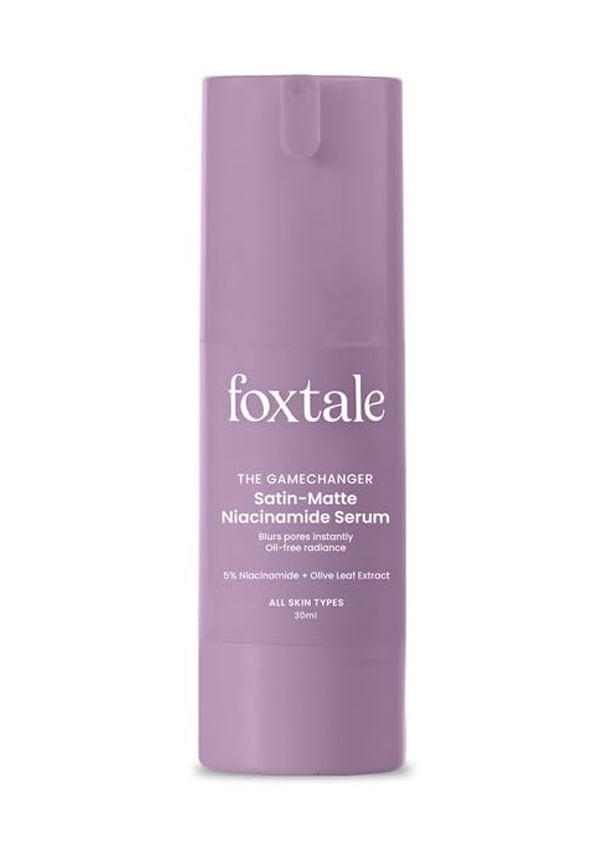 30 ml
30 ml5% Niacinamide Face Serum with Olive Leaf Extract
Getting your skincare for balanced complexion right isn't just about niacinamide—it's about how you pair it with other ingredients. Some combinations are absolute winners, whilst others can cause irritation or reduce effectiveness.
The beauty of niacinamide is that it plays well with most other skincare ingredients, making it easy to incorporate into your existing routine.
Niacinamide + Hyaluronic Acid: This duo is perfect for combination skin. The hyaluronic acid provides hydration without heaviness, whilst niacinamide regulates oil production.
Niacinamide + Zinc: Many formulations combine these two for enhanced oil control. Zinc has antimicrobial properties that complement niacinamide's sebum-regulating effects.
Niacinamide + Ceramides: Brilliant for strengthening your skin barrier, especially in those drier areas of your face.
Apply niacinamide after cleansing and toning but before heavier serums and moisturisers. If you're using multiple serums, go from thinnest to thickest consistency.
Starting any new skincare ingredient can come with a learning curve, and niacinamide for combination skin routine optimization is no exception. Some people experience initial purging, where their skin seems to get worse before it gets better. This is actually normal and usually settles down within 2-4 weeks.
If you're experiencing irritation rather than purging, try reducing the frequency of application or switching to a lower concentration. Your skin might need time to build tolerance.
Your combination skin might behave differently throughout the year. In summer, you might need more oil control, whilst winter might require extra hydration. Adjust your niacinamide routine accordingly.
Don't feel like you have to apply everything to your entire face. You can use niacinamide more frequently on your T-zone if that's where you need the most oil control.
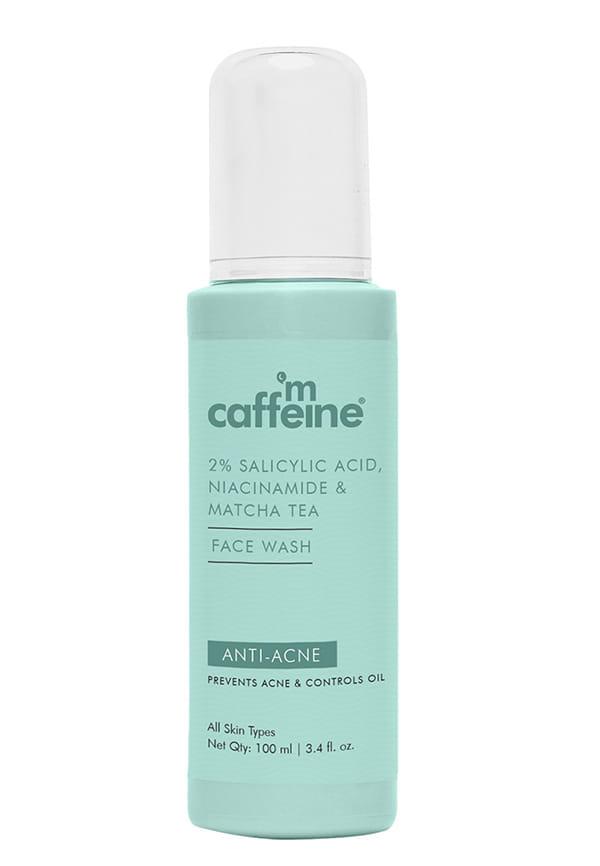 100 ml
2% Salicylic Acid Niacinamide & Matcha Tea Face Wash
The brilliant thing about exploring niacinamide and other skincare ingredients is that you don't have to commit to full-size products straight away. Platforms like Smytten make it incredibly easy to try different formulations and concentrations before finding your perfect match.
With access to trial packs from over 1,500 trusted brands, you can experiment with various niacinamide serums and combination skin care products without the financial commitment. Whether you're curious about a high-end niacinamide serum or want to try a budget-friendly option, getting up to 8 minis for just ₹249 means you can test multiple products and find what actually works for your unique skin needs.
Start with one niacinamide product and give it at least 4-6 weeks to show results. Keep a simple skin diary noting any changes in oil production, pore appearance, or overall skin texture.
Once you find a niacinamide product that works for your combination skin, consistency is key. This isn't an ingredient that delivers overnight miracles, but with regular use, you'll notice improved balance between your oily and dry zones.
Absolutely. Niacinamide helps inhibit melanin transfer, which can gradually improve dark spots and create a more even complexion. For combination skin, this is particularly helpful in areas where oil production has led to post-inflammatory hyperpigmentation.
Most people start seeing improvements in oil control within 2-4 weeks, whilst pore appearance and overall skin texture improvements typically become noticeable after 6-8 weeks of consistent use.
Yes, but timing matters. Use niacinamide in the morning and retinol at night, or alternate nights if you're using both in your evening routine. Niacinamide can actually help reduce retinol irritation.
Not necessarily, but start with 5% and work your way up. Some people with combination skin find 10% perfect for their oily zones, whilst others prefer the gentler approach of 5%.
Apply it to your entire face. Whilst it helps control oil in your T-zone, it also provides barrier-strengthening benefits to drier areas of your face.
Optimising your combination skin routine with niacinamide isn't about finding a magic cure—it's about creating balance. This ingredient works brilliantly because it addresses multiple concerns without overwhelming your skin. Whether you're dealing with excess oil, enlarged pores, or uneven texture, niacinamide offers a gentle yet effective solution.
The key to success lies in patience and consistency. Your skin didn't become unbalanced overnight, and it won't transform overnight either. But with the right approach and quality products, you can achieve that balanced complexion you've been after. Remember, the best skincare routine is one you'll actually stick to, so keep it simple and focus on products that truly work for your unique skin needs.
