How to Naturally Treat Pigmentation for Even Skin Tone


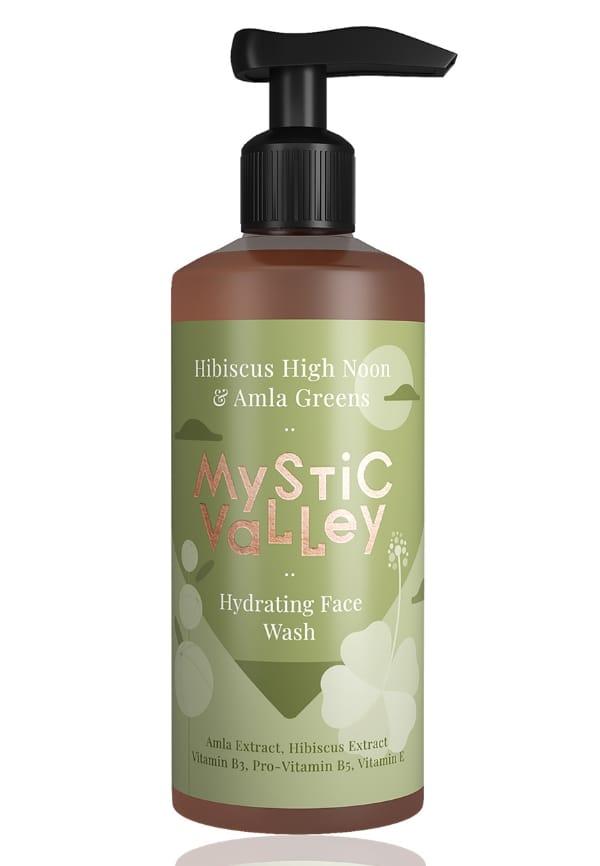 200 ml
Hibiscus High Noon & Amla Greens - Hydrating Face Wash for Even Skin Tone
Dealing with dark spots and uneven skin tone can feel like an uphill battle, especially when you're trying to avoid harsh chemicals. The good news? Nature has some seriously effective solutions that might just become your new skincare obsession. From turmeric masks your grandmother swore by to vitamin C-packed treatments that actually work, natural treatment of pigmentation doesn't have to be a myth. Let's dive into science-backed methods that can help you achieve that even, glowing complexion you've been after—without breaking the bank or irritating your skin.
Before we jump into solutions, let's get real about what's actually happening with your skin. Pigmentation issues aren't just surface-level problems—they're your skin's way of responding to various triggers and stressors.
Not all dark spots are created equal, and knowing what type you're dealing with can make all the difference in your treatment approach. Melasma typically shows up as symmetrical patches on your face, often triggered by hormonal changes or pregnancy. Post-inflammatory hyperpigmentation appears after acne, cuts, or other skin injuries heal, leaving behind those stubborn dark marks. Then there are age spots or sun spots, which are basically your skin's way of saying it's had enough UV exposure over the years.
Your skin produces melanin as a protective mechanism, but sometimes this process goes into overdrive. When melanocytes (the cells that produce melanin) get triggered by inflammation, UV damage, or hormonal changes, they can create patches of concentrated pigment. Understanding this process helps explain why melanin reduction methods focus on calming these overactive cells rather than just scrubbing away the surface.
Sun damage is the biggest culprit, but it's not the only one. Hormonal fluctuations during pregnancy or from birth control can trigger melasma. Even picking at acne or using harsh scrubs can lead to post-inflammatory hyperpigmentation. The key is identifying your specific triggers so you can address them alongside your treatment routine.
Ready to tackle those dark spots with ingredients you can actually pronounce? These natural approaches have both traditional backing and modern science on their side.
Vitamin C isn't just good for your immune system—it's a game-changer for hyperpigmentation remedies. Fresh lemon juice contains natural vitamin C and citric acid, but here's the catch: you absolutely must dilute it with water (1:1 ratio) and never apply it before sun exposure. Amla, or Indian gooseberry, is a gentler option that's packed with vitamin C. You can make a simple face mask by mixing amla powder with honey or rose water. Apply these treatments in the evening, and always follow up with sunscreen the next morning.
Turmeric isn't just for your curry—it's one of the most effective herbal remedies for pigmentation thanks to its active compound, curcumin. This powerful antioxidant can help block melanin production and reduce inflammation. Mix a pinch of turmeric with milk or honey to create a paste, and apply it to affected areas for 15-20 minutes. Fair warning: turmeric can temporarily stain your skin yellow, so do this treatment when you're staying in for the evening.
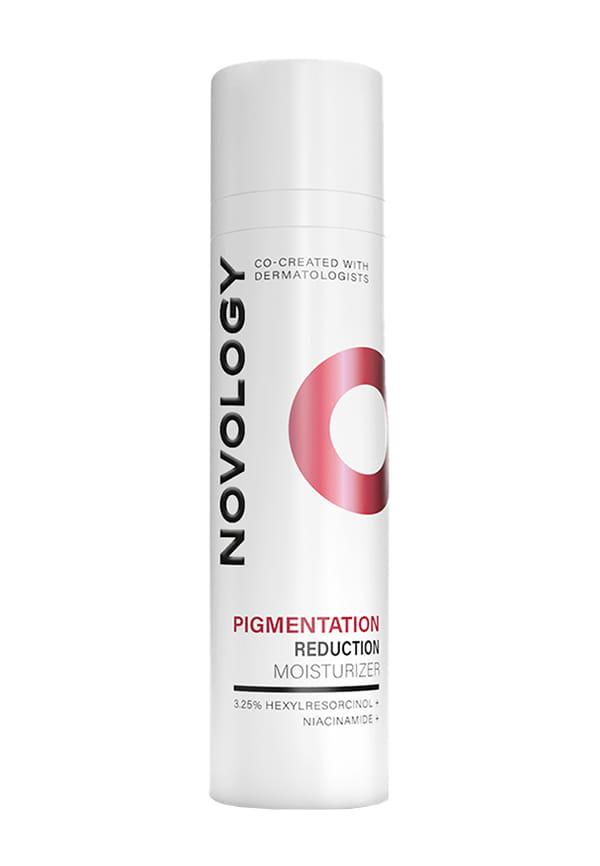 50 g
50 gPigmentation Moisturiser, Face Cream for Hyperpigmentation & Dark Spots
Aloe vera contains aloesin, a compound that can help inhibit melanin production without irritating sensitive skin. Fresh gel straight from the plant is your best bet, but if that's not available, look for products with at least 90% aloe vera content. You can use aloe vera as an overnight treatment—just apply a thin layer to clean skin and let it work its magic while you sleep.
You don't need expensive chemical peels to benefit from alpha hydroxy acids. Milk and buttermilk contain lactic acid, which gently exfoliates and can help with uneven skin tone correction. Soak a cotton pad in cold milk and apply it to your face for 10-15 minutes. Apple cider vinegar (diluted with equal parts water) and fresh potato juice also contain natural acids that can help brighten skin over time.
Once you've mastered the basics, these advanced techniques can take your natural remedies for dark spots to the next level. Think of these as your secret weapons for stubborn pigmentation.
Green tea isn't just for sipping—it's loaded with antioxidants that can help calm inflammation and reduce melanin production. Brew a strong cup, let it cool, and use it as a toner or face mist. Licorice root extract contains glabridin, which can inhibit tyrosinase (the enzyme responsible for melanin production). You can find licorice root powder at health stores and mix it with honey for a brightening mask.
Traditional Ayurvedic medicine has been tackling pigmentation for centuries with herb combinations that work synergistically. Neem and tulsi (holy basil) have antibacterial and anti-inflammatory properties that can help prevent post-acne pigmentation. Sandalwood paste mixed with rose water creates a cooling, brightening treatment that's perfect for sensitive skin. These approaches focus on balancing your skin's natural processes rather than forcing quick changes.
Consistency is everything when it comes to skin discoloration treatment. Here's how to structure your routine for maximum effectiveness without overwhelming your skin.
Start your day with a gentle cleanser, followed by a vitamin C treatment (if your skin tolerates it well). The most crucial step? Sunscreen with at least SPF 30. This isn't negotiable—UV exposure will undo all your hard work and can make pigmentation worse. Reapply every two hours if you're spending time outdoors.
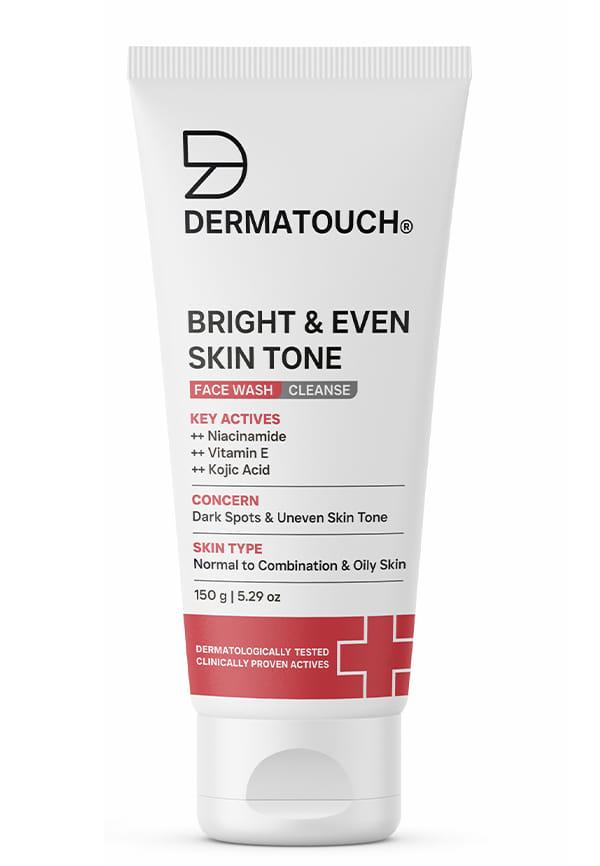 150 gm
Bright & Even Skin Tone Gentle Cleanser | pH 5.5 Daily Face Wash
Evenings are when you can get more aggressive with your treatments. Alternate between different dark spot correctors to prevent irritation. Monday and Thursday might be turmeric nights, Tuesday and Friday could be your vitamin C days, and weekends can be for gentler treatments like aloe vera or milk masks.
Once a week, treat your skin to a more intensive treatment. This could be a longer mask session, a gentle exfoliation with oatmeal and honey, or a combination treatment using multiple natural ingredients. Just remember—more isn't always better, and your skin needs time to recover between treatments.
What you eat can significantly impact your skin's ability to heal and regenerate. Supporting your topical treatments with the right nutrition can speed up your results and prevent future pigmentation issues.
Load up on citrus fruits, bell peppers, strawberries, and leafy greens. These foods provide the building blocks your skin needs to produce collagen and fight free radical damage. Aim for at least one vitamin C-rich food with each meal.
Berries, green tea, dark chocolate (yes, really!), and colorful vegetables are packed with antioxidants that can help calm inflammation and support your skin's natural healing processes. These foods work from the inside out to complement your topical treatments.
Highly processed foods, excessive sugar, and inflammatory oils can worsen skin inflammation and slow down healing. While you don't need to eliminate these completely, being mindful of your intake can make a noticeable difference in your skin's response to treatment.
Natural doesn't always mean gentle, and it's important to approach these treatments with realistic expectations and proper safety measures.
Before trying any new treatment, test it on a small patch of skin (like behind your ear or on your inner wrist) and wait 24-48 hours to check for reactions. This simple step can save you from turning a small pigmentation issue into a larger skin problem.
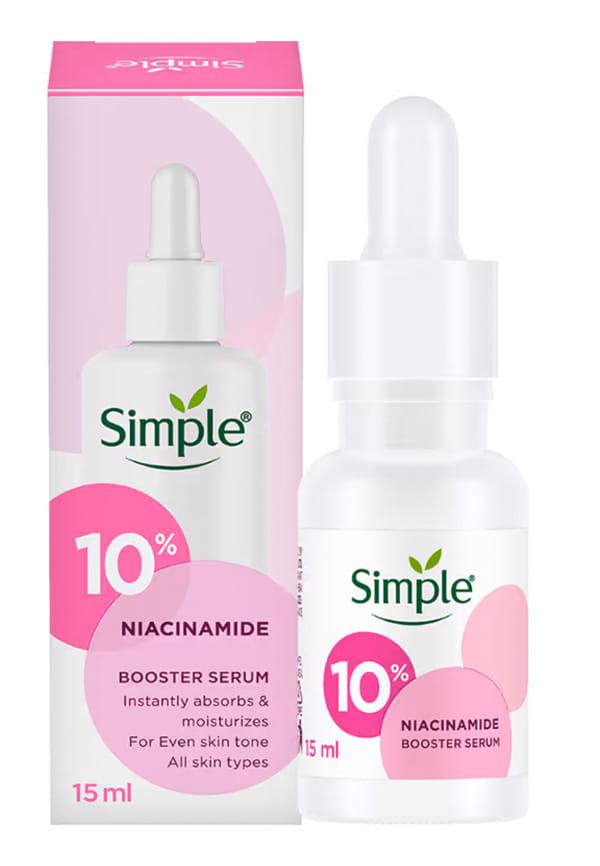 15 ml
15 mlBooster Serum 10% Niacinamide For Even Skin Tone
Here's the truth about natural pigmentation removal: it takes time. In the first 1-2 weeks, focus on establishing your routine and ensuring your skin tolerates the treatments well. By month one, you might notice your skin looking brighter and more even. Significant pigmentation reduction typically takes 2-3 months of consistent treatment. Remember, natural methods work gradually but can provide lasting results.
If you have severe hyperpigmentation, hormonal melasma, or if natural treatments aren't showing any improvement after three months, it might be time to consult a professional. Sometimes combining natural methods with professional treatments can give you the best of both worlds.
Start with gentle ingredients like aloe vera and vitamin C treatments. Consistency is key—use treatments 3-4 times per week and always follow up with sunscreen during the day. Expect to see gradual improvements over 2-3 months.
Green tea, fresh lemon water (in moderation), and plenty of plain water support your skin's natural healing processes. Antioxidant-rich drinks like berry smoothies can also help fight inflammation that contributes to pigmentation.
While you might notice some brightening in 2 weeks, significant pigmentation reduction takes longer. Natural treatments work gradually—expect 6-12 weeks for noticeable improvements in dark spots.
Vitamin C from natural sources, turmeric masks, and consistent sun protection form the foundation of effective natural pigmentation treatment. The "best" treatment depends on your skin type and the cause of your pigmentation.
Natural treatments can significantly fade pigmentation, but "permanent" removal often requires professional intervention. Natural methods excel at prevention and gradual lightening when used consistently with proper sun protection.
Natural treatment of pigmentation isn't about quick fixes—it's about working with your skin's natural processes to achieve lasting, healthy results. The journey to even skin tone takes patience, consistency, and the right approach for your unique skin needs. While you're exploring these natural remedies, remember that finding the right skincare products can make all the difference in your routine.
Smytten makes it easier to discover products that complement your natural treatments without the commitment of full-size purchases. With trial packs from trusted brands like Cetaphil and Dot & Key, you can explore gentle cleansers, vitamin C serums, and sun protection products that work alongside your natural pigmentation treatments. After all, why settle for guessing what works when you can try it all and find your perfect skincare combination?
