How to Maximize Hyaluronic Acid in Dry Climate Conditions


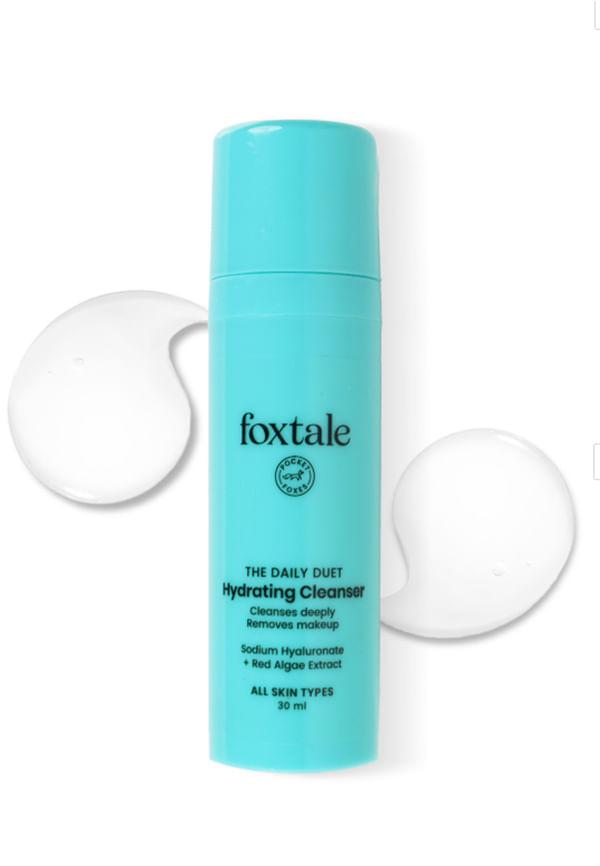 30 ml
30 mlHydrating Face Wash with Hyaluronic Acid
Living in a dry climate doesn't mean you have to give up on that plump, hydrated skin you've been dreaming of. If you've ever wondered whether your hyaluronic acid serum is actually working against you when the humidity drops, you're not alone. The truth is, hyaluronic acid in low humidity climate effectiveness can be tricky to navigate, but it's absolutely doable with the right approach. Let's dive into how you can make this skincare superstar work for you, even when the air feels like it's sucking moisture from everything in sight.
Here's the thing about hyaluronic acid—it's basically a moisture magnet that can hold up to 1,000 times its weight in water. Pretty impressive, right? But here's where it gets interesting: this powerhouse ingredient needs moisture from somewhere to do its job properly. In humid conditions, it pulls water from the air around you, creating that bouncy, hydrated skin we all love. However, when you're dealing with low humidity environments, the game changes completely. The science behind hyaluronic acid benefits lies in its unique molecular structure. These molecules are like tiny sponges that expand when they encounter water, creating a plumping effect on your skin. But when there's limited moisture in the air—think desert climates, winter heating, or air-conditioned spaces—your hyaluronic acid might start drawing water from deeper layers of your skin instead.
Think of hyaluronic acid as your skin's personal hydration assistant. It works by forming a thin, invisible film on your skin's surface that traps moisture and prevents water loss. In ideal conditions (around 45-60% humidity), it pulls moisture from the environment to keep this film hydrated and effective.
Let's clear up some confusion here. Many people think that hyaluronic acid for dry skin is automatically a bad match, but that's not entirely true. The key is understanding that dry skin (lacking oil) and dehydrated skin (lacking water) are different concerns that need different approaches.
Real talk—sometimes hyaluronic acid can actually make your skin feel tighter and more dehydrated in dry climates. This happens because when there's insufficient moisture in the air (typically below 40% humidity), your HA serum starts pulling water from wherever it can find it—including the deeper layers of your skin. This moisture-stealing effect is particularly noticeable in winter months or if you live in arid regions. You might notice your skin feeling tight, flaky, or even more dehydrated after using your usual hyaluronic acid serum. It's not that the product is bad; it's just working in survival mode.
When humidity drops below 40%, hyaluronic acid molecules become desperate for moisture. Instead of drawing water from the air, they start pulling it from your skin's deeper layers, potentially leaving you more dehydrated than when you started.
Your indoor environment plays a huge role too. Central heating and air conditioning can drop indoor humidity to as low as 10-20%, creating a double challenge for your skin. Even if you live in a generally humid climate, your indoor spaces might be working against your skincare routine.
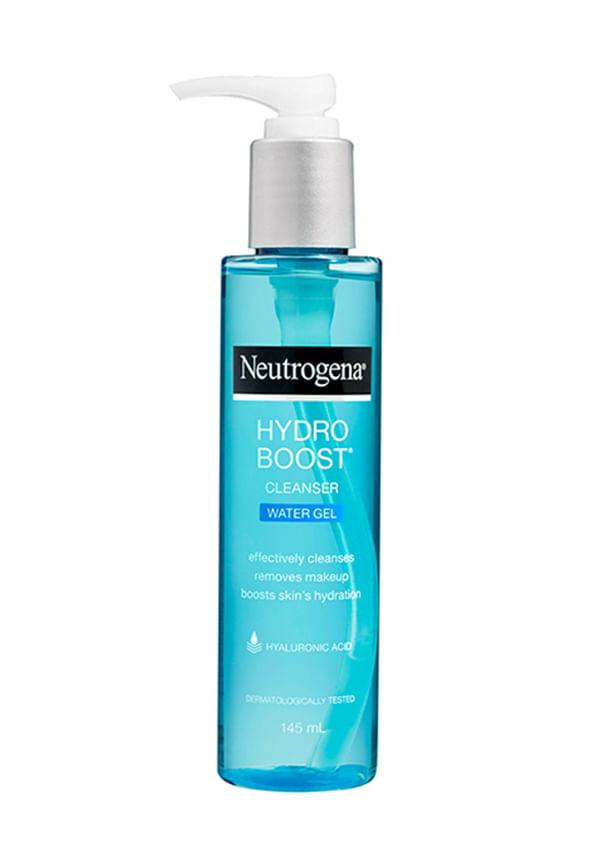 145 ml
Hydro Boost Cleanser Water Gel With Hyaluronic Acid
Here's where things get exciting—you absolutely can make hyaluronic acid work brilliantly in dry climates with the right techniques. The secret lies in giving your HA something to work with and then sealing it all in properly. The most game-changing technique is applying your hyaluronic acid serum on slightly damp skin. This gives the molecules immediate access to moisture, preventing them from pulling water from deeper skin layers. Think of it as providing a moisture source right at the surface level.
After cleansing, don't completely dry your face. Pat it gently with a towel, leaving your skin slightly damp, then immediately apply your hyaluronic acid serum. This technique ensures the HA has moisture to grab onto right from the start.
This step is absolutely crucial for skincare in dry climates. After applying your HA serum, you need to seal it in with a proper moisturiser. Look for products containing ceramides, fatty acids, or occlusive ingredients like squalane or shea butter.
Consider investing in a humidifier for your bedroom or main living spaces. Maintaining indoor humidity between 45-60% can dramatically improve how well your hyaluronic acid performs. Even something as simple as applying your skincare in the bathroom after a hot shower can boost effectiveness.
When you're dealing with low humidity conditions, your hyaluronic acid serum needs backup. This is where strategic ingredient pairing becomes your best friend. The goal is to create a moisture sandwich—hydrating ingredients below and protective barriers on top. Glycerin for skin is another excellent humectant that actually performs better than hyaluronic acid in very dry conditions. Unlike HA, glycerin is less likely to pull moisture from your skin when environmental humidity is low. It's also more stable and works well in combination with hyaluronic acid.
Beyond glycerin, consider sodium hyaluronate (a smaller molecule version of HA that penetrates better) or beta-glucan, which can be up to 20% more hydrating than traditional hyaluronic acid. These alternatives work brilliantly as humectants for low humidity conditions.
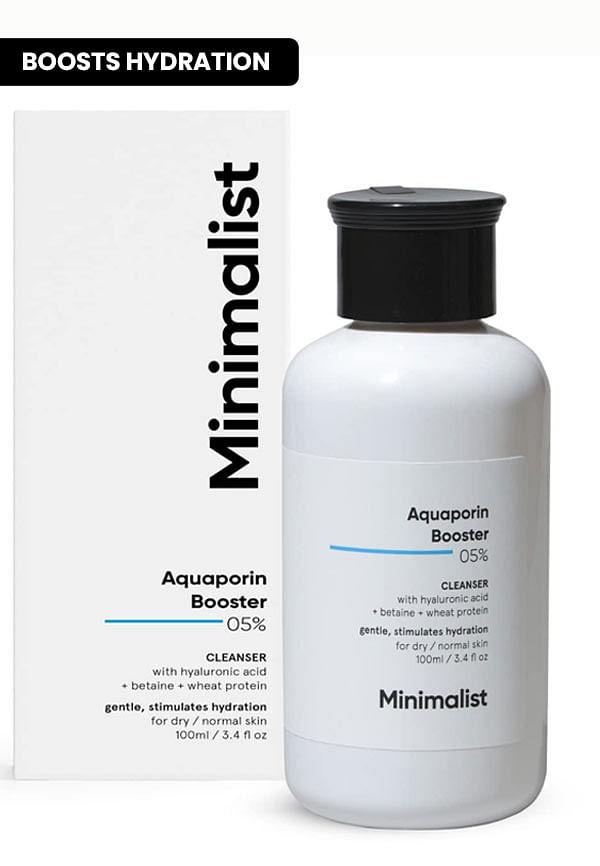 100 ml
5% Aquaporin Booster Cleanser For Dry Skin With Hyaluronic Acid
Ceramides and cholesterol help rebuild your skin's natural moisture barrier, making it more resilient against harsh climate conditions. Niacinamide is another superstar that improves your skin's ability to retain moisture while reducing inflammation.
Sometimes, the best approach is knowing when to step back from hyaluronic acid altogether. If you're dealing with humidity levels consistently below 30%, or if you've tried all the application tricks and still experience tightness, it might be time to explore other dehydrated skin solutions. Oil-based hydration can be more effective in extremely dry climates. Ingredients like squalane, jojoba oil, or marula oil provide moisture without relying on environmental humidity. These work particularly well for people with naturally dry skin types.
If you live in a desert climate or experience harsh winters with indoor heating, consider switching to oil-based serums during the driest months. Your skin will thank you for the consistent moisture without the potential for backfiring.
Polyglutamic acid is gaining popularity as a next-generation hydrating ingredient that's more effective than hyaluronic acid in low humidity conditions. Urea and lactic acid also provide gentle exfoliation while delivering deep hydration.
Building an effective routine for dry climates means thinking about every step, from cleansing to final sealing. Your morning routine should focus on protection and hydration that lasts throughout the day, while your evening routine should concentrate on repair and intensive moisture replenishment. For morning routines, start with a gentle, non-stripping cleanser. Apply your hyaluronic acid serum on damp skin, follow with a hydrating moisturiser, and finish with a hydrating sunscreen. The key is creating layers of moisture that work together.
Gentle cleansing is crucial—avoid anything that strips your skin's natural oils. Follow with your HA application technique, then seal everything with a rich moisturiser containing barrier-repairing ingredients.
Evenings are perfect for more intensive treatments. Consider using a hydrating toner before your HA serum, and finish with an occlusive treatment or sleeping mask to lock in moisture overnight. This is where platforms like Smytten become incredibly valuable for your skincare journey. With access to trial-sized products from over 1,500 trusted brands, you can experiment with different best moisturisers for dry weather without committing to full-size purchases. Whether you're testing a new hyaluronic acid serum or exploring alternative hydrating ingredients, Smytten's trial packs let you discover what works best for your skin in your specific climate conditions.
Yes, but it requires proper application techniques. Apply on damp skin and always seal with a moisturiser to prevent moisture loss from deeper skin layers.
Hyaluronic acid performs optimally in 45-60% humidity conditions. Below 40% humidity, you'll need to modify your application technique for best results.
Absolutely! Winter is actually when your skin needs extra hydration most. Just remember to apply it on damp skin and use a richer moisturiser to seal it in.
Consider glycerin-based serums, beta-glucan, or oil-based treatments with squalane and ceramides. These alternatives don't rely on environmental humidity to be effective.
Properly functioning HA should leave your skin feeling plump and hydrated within 30 minutes. If you experience tightness or increased dryness, adjust your application method or consider alternatives.
Mastering hyaluronic acid in low humidity climate effectiveness is absolutely achievable with the right approach. The key lies in understanding that this powerful ingredient needs support in challenging conditions. By applying it on damp skin, sealing it properly, and pairing it with complementary ingredients, you can enjoy all the hyaluronic acid benefits regardless of your climate. Remember, skincare is highly individual, and what works in one climate might need adjustment in another. Don't be afraid to experiment with different techniques and products to find your perfect routine. With Smytten's extensive range of trial-sized skincare products, you can explore various skin hydration tips and find the perfect combination for your unique needs. After all, why settle for maybe when you can try it all and discover what truly works for your skin?
