How to Make the Best DIY Toner at Home


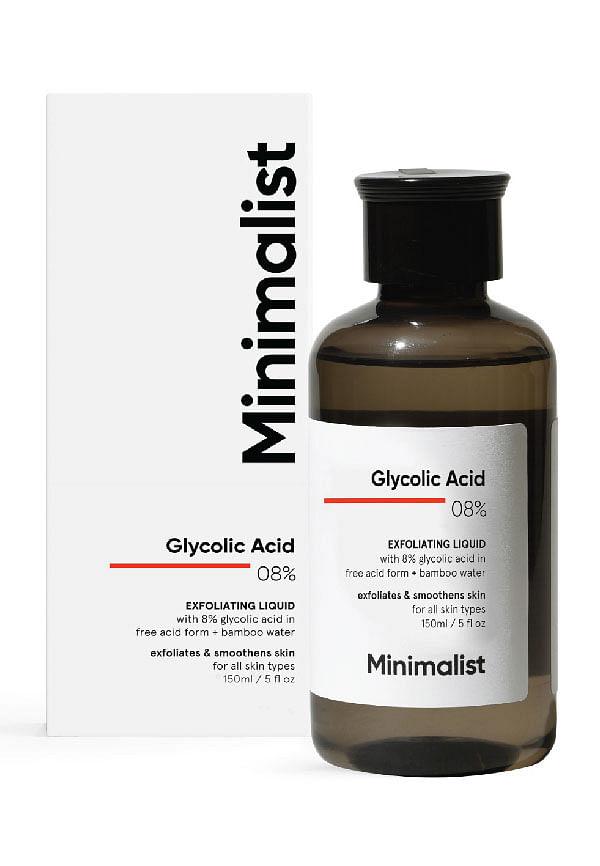 150 ml
8% Glycolic Acid Toner For Glowing Skin
Let's be real—your skincare routine deserves more than whatever's left on the shelf at the chemist. Making the best DIY toner at home isn't just about saving money (though your wallet will thank you). It's about knowing exactly what's going on your face and creating something that actually works for your skin type. Whether you're dealing with oily skin that could power a small engine or dry patches that feel like the Sahara, the right homemade toner can be a proper game-changer. Plus, there's something quite satisfying about whipping up your own facial toner that rivals anything you'd find in fancy packaging.
Here's the thing about facial toner—it's not just fancy water in a bottle. A proper toner balances your skin's pH after cleansing, preps it for serums and moisturisers, and can target specific concerns like excess oil or dryness. The best DIY toner recipes work because they're fresh, customisable, and free from the harsh chemicals that sometimes sneak into commercial versions.
Your skin's natural pH sits around 4.5 to 6.5—slightly acidic to keep bacteria at bay and maintain that healthy glow. Most cleansers can throw this balance off, which is where a good natural toner steps in to restore harmony.
Let's talk numbers. A decent commercial toner can set you back anywhere from ₹500 to ₹2,000. Meanwhile, most DIY toner recipes cost under ₹100 to make and often yield multiple bottles worth of product.
Before diving into specific recipes, you'll want to stock up on these powerhouse ingredients. Think of them as your DIY skincare toolkit—each one brings something different to the table. Hydrating Bases: • Rose water: The gentle giant that works for literally everyone • Witch hazel: Your go-to for oily and acne-prone skin • Green tea: Packed with antioxidants and anti-inflammatory goodness • Aloe vera gel: The ultimate soother for irritated skin Active Ingredients: • Apple cider vinegar: Balances pH and fights bacteria • Glycerin: Pulls moisture from the air to your skin • Honey: Natural antibacterial with healing properties • Cucumber juice: Cooling and mildly astringent Targeted Additives: • Tea tree oil: Antimicrobial powerhouse for acne • Chamomile: Calming for sensitive or inflamed skin • Lemon juice: Natural exfoliant (use sparingly) • Lavender: Soothing and mildly antiseptic
Oily skin needs a toner that can control excess sebum without stripping your face bare. These recipes target shine whilst keeping your skin balanced and happy.
This apple cider vinegar toner is brilliant for cutting through oil and balancing your skin's pH. Mix 1 part raw apple cider vinegar with 3 parts distilled water. Start with a weaker ratio if you're new to acids—your skin will tell you if it needs more strength.
Brew a strong cup of green tea, let it cool completely, then add a few fresh mint leaves. The antioxidants in green tea fight free radicals whilst mint provides a refreshing, oil-controlling boost.
Combine 100ml witch hazel with 3-4 drops of tea tree oil. This combo is particularly effective for toner for oily skin that's also prone to breakouts.
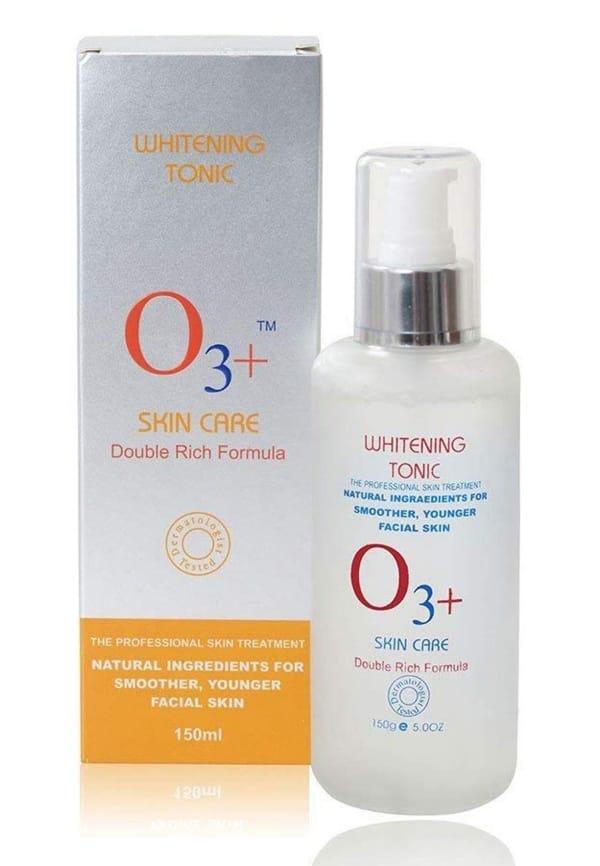 150 gm
Whitening Tonic For Smoother Younger Facial Skin
Acne-fighting toners need to be antibacterial without being overly harsh. The goal is to create an environment where breakouts can't thrive whilst supporting your skin's healing process.
Steep equal parts dried calendula and chamomile in hot water for 20 minutes. Strain and cool. This gentle toner for acne reduces inflammation without irritation.
Willow bark contains natural salicylic acid. Simmer 2 tablespoons of dried willow bark in 250ml water for 15 minutes, strain, and cool. Use this natural toner 2-3 times weekly for best results.
Dry skin craves hydration and gentle care. These toner for dry skin recipes focus on adding moisture whilst maintaining that essential pH balance.
The simplest and most effective rose water toner is just pure rose water—no mixing required. For extra hydration, add a few drops of glycerin to 100ml rose water.
Blend 2 tablespoons fresh aloe vera gel with 1 teaspoon raw honey and 100ml distilled water. This creates a deeply moisturising toner that's perfect for parched skin.
Soak 2 tablespoons oats in 200ml water overnight. Strain the liquid—this oat water makes a brilliant, soothing toner that helps repair your skin barrier.
Some DIY toner recipes work beautifully for all skin types. These are your safe bets when you're not sure what your skin needs or when you're making toner for the whole family.
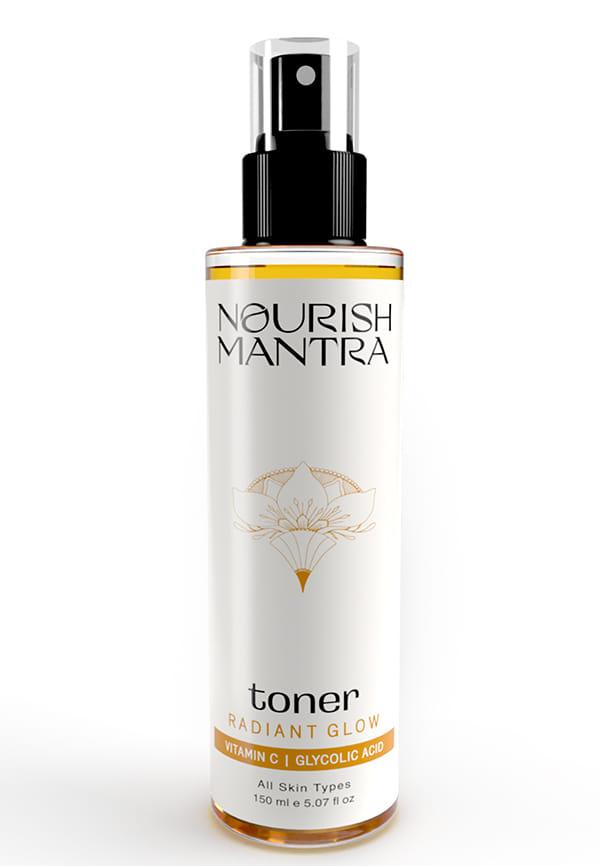 150 ml
Radiant Glow Toner with Glycolic Acid for Glowing Skin & Pore Tightening
Brew green tea, let it cool completely, and transfer to a spray bottle. The antioxidants benefit everyone, and it's gentle enough for daily use.
Blend half a cucumber with 100ml water, strain the liquid, and add a pinch of sea salt. This cooling toner works for any skin type and feels absolutely lovely on hot days.
Making your own homemade toner isn't rocket science, but a few key steps ensure you get the best results every time. Equipment You'll Need: • Clean glass bottles or jars • Fine mesh strainer or cheesecloth • Measuring cups and spoons • pH strips (optional but helpful) • Labels for dating your creations
Start by sterilising all equipment with boiling water. If you're making an infusion, use the hot method for dried herbs (steep in hot water) or cold method for fresh ingredients (let sit overnight). Always strain thoroughly to remove plant matter that could cause spoilage.
Patch test every new recipe on your inner wrist before using it on your face. If you have pH strips, aim for a reading between 4.5 and 6.5 for optimal skin compatibility.
The best toner in the world won't help if you're not using it properly. Here's how to get the most from your DIY skincare creation.
You can apply toner with a cotton pad, pat it on with clean hands, or use a spray bottle for a fine mist. The spray method is particularly nice for rose water toner as it feels refreshing and doesn't waste product.
Use your facial toner after cleansing but before serums and moisturisers. Morning application preps your skin for the day, whilst evening use helps remove any lingering impurities.
Even the best intentions can go wrong. Here are the pitfalls that trip up most people when they start making natural toner at home.
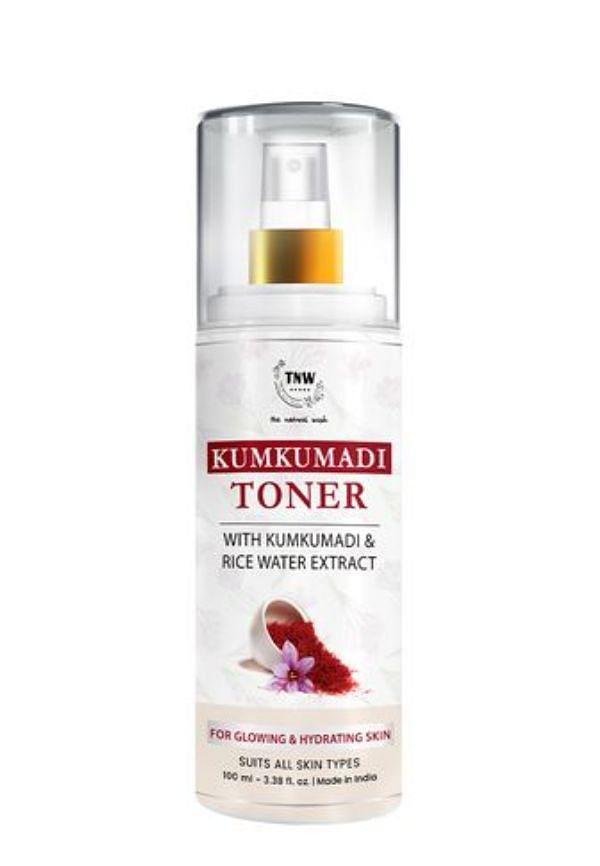 100 ml
Kumkumadi Toner For Glowing Skin
More isn't always better. Starting with weaker concentrations and building up prevents irritation. This is especially important with apple cider vinegar toner or any recipe containing acids.
Most homemade toner recipes last 1-2 weeks in the fridge. Without preservatives, they spoil quickly at room temperature. Always make small batches and store properly.
Never mix vitamin C with retinol, and be cautious combining multiple acids. When in doubt, keep recipes simple with just 2-3 ingredients. Whilst experimenting with DIY toner recipes can be incredibly rewarding, sometimes you want to try proven formulations from established brands. Smytten offers curated trial packs from over 1,500 trusted skincare brands, letting you explore professional toners alongside your homemade creations. With trial minis available for just ₹249 for up to 8 products, you can discover what works for your skin without the commitment of full-size purchases.
Most DIY toner recipes last 1-2 weeks when stored in the refrigerator. Adding a few drops of vitamin E oil can extend shelf life to about a month, but always check for changes in smell or appearance before use.
Start with 2-3 times per week and always dilute apple cider vinegar 1:3 with water. Daily use may cause irritation, especially for sensitive skin types. Listen to your skin and adjust frequency accordingly.
Rose water toner is perfect for beginners—it's gentle, requires just one ingredient, and works for all skin types. You literally cannot go wrong with pure rose water.
Look for improved skin texture, better balance between oily and dry areas, and fewer breakouts within 2-4 weeks of consistent use. Your skin should feel refreshed, not tight or irritated, after application.
Absolutely. Green tea, rose water, or aloe vera make excellent alternative bases for your homemade toner. Each brings different benefits, so choose based on your skin's specific needs.
Creating the best DIY toner for your skin is part science, part art, and entirely worth the effort. Whether you're drawn to the simplicity of a rose water toner or the targeted action of an apple cider vinegar toner, homemade formulations let you control exactly what goes on your skin. Start simple, patch test everything, and don't be afraid to adjust recipes based on how your skin responds. The beauty of DIY skincare lies in its flexibility—you can create a toner for oily skin one week and switch to something more hydrating the next. With fresh ingredients and proper storage, your natural toner creations can rival anything on the market whilst costing a fraction of the price. Remember, the best toner is the one you'll actually use consistently, so find recipes you enjoy making and your skin loves wearing.
