How to Make Natural Toners at Home Easily


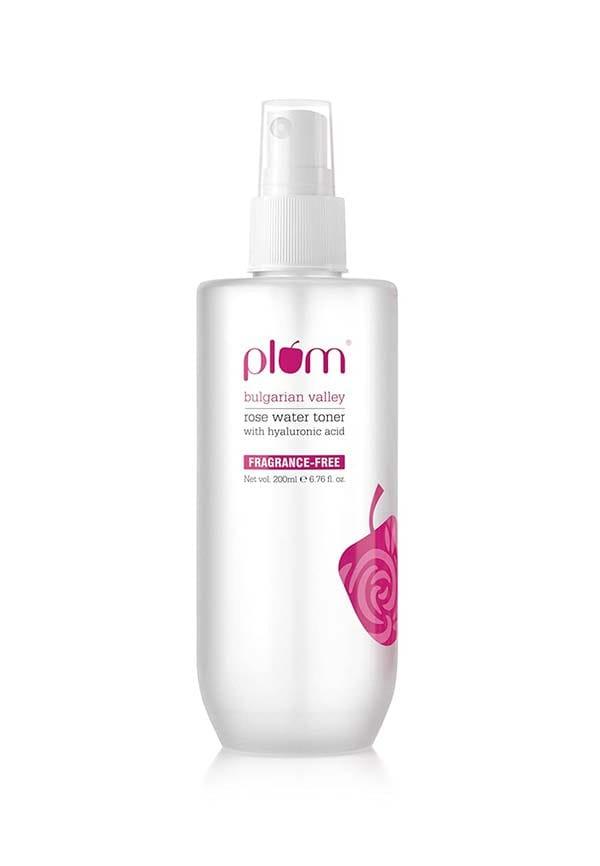 100 ml
Bulgarian Valley Rose Water Toner |With Hyaluronic Acid & Rose Extracts
Let's be real—skincare can feel like a never-ending puzzle, especially when you're trying to find the perfect toner that doesn't break the bank or irritate your skin. The good news? Your kitchen might just hold the secret to creating homemade facial toners that actually work. From rose water classics to apple cider vinegar powerhouses, making your own natural toners isn't just trendy—it's practical, cost-effective, and surprisingly simple. Whether you're dealing with stubborn acne, oily T-zones, or dry patches that just won't quit, we've got you sorted with recipes that use ingredients you probably already have at home.
Think of natural toners as your skin's best mate—they balance your pH, remove leftover traces of cleanser, and prep your face for the rest of your skincare routine. Unlike their commercial cousins that often come loaded with alcohol and synthetic fragrances, homemade versions let you control exactly what goes on your skin. The cost difference is pretty mad when you think about it. A decent commercial toner can set you back anywhere from ₹500 to ₹2,000, whilst most DIY face toner recipes cost under ₹100 to make and often yield multiple bottles. Plus, you're getting maximum freshness—no sitting on shelves for months before reaching your bathroom cabinet.
When you make toners at home, you're avoiding harsh preservatives, artificial colours, and those unpronounceable chemicals that sometimes do more harm than good. You can customise recipes based on what your skin actually needs right now—not what worked for you six months ago.
Commercial toners lose potency over time, but fresh homemade facial toners pack maximum punch. Think of it like fresh juice versus the bottled stuff—there's just no comparison in terms of active benefits.
Before diving into recipes, let's chat about the building blocks that make skin toner recipes actually work. Getting these basics right means the difference between a toner that transforms your skin and one that just sits pretty on your shelf.
Witch hazel is your go-to for oily and acne-prone skin—it's naturally astringent without being overly drying. Rose water works beautifully for sensitive and dry skin types, offering gentle hydration with a lovely scent. Green tea (cooled, obviously) brings antioxidants to the party and works for pretty much everyone.
For acne-prone skin, tea tree oil and apple cider vinegar are your heroes—they fight bacteria and balance oil production. Oily skin loves lemon juice and cucumber extract for their natural astringent properties. Dry skin types should look for aloe vera gel and glycerin, which attract and lock in moisture.
Always patch test new recipes on your inner wrist first. Store your creations in clean, dark glass bottles in the fridge—they'll last longer and feel refreshing when applied. Most natural toners stay fresh for 1-2 weeks when stored properly.
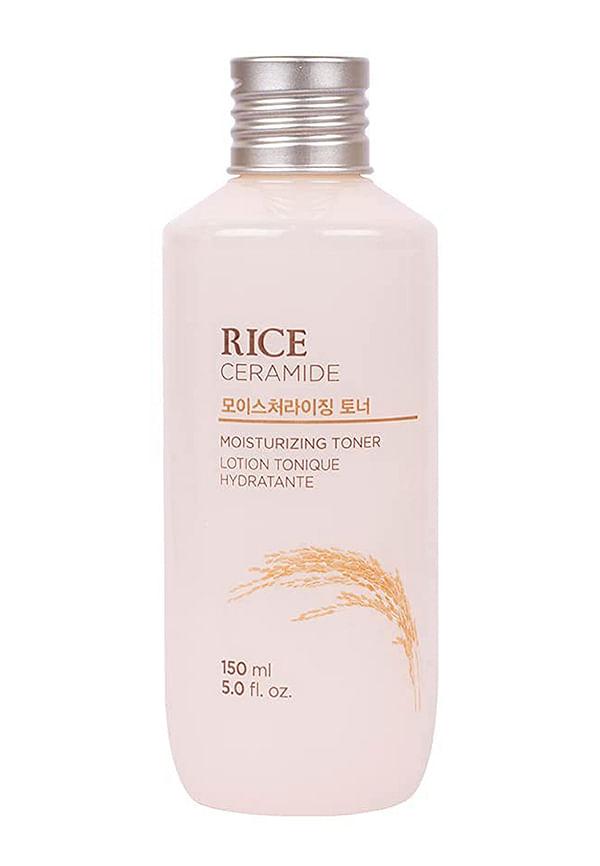 150 ml
Rice & Ceramide Moisturizing Face Toner
Right, let's get to the good stuff. These recipes are tried, tested, and actually work—no Instagram-worthy disasters here.
If breakouts are your main concern, these toner for acne recipes will become your new obsession. Apple Cider Vinegar Clarifying Toner
Mix 1 part raw apple cider vinegar with 3 parts distilled water. Add 2 drops of tea tree oil per 100ml. This apple cider vinegar toner balances pH and fights acne-causing bacteria. Start with once daily application—it's potent stuff. Tea Tree and Witch Hazel Anti-Acne Toner
Combine 100ml witch hazel with 5 drops tea tree oil and 1 tablespoon aloe vera gel. Shake well before each use. Perfect for stubborn breakouts without over-drying. Green Tea and Honey Soothing Toner
Brew strong green tea, let it cool completely, then mix with 1 teaspoon raw honey per cup. This gentle option works for sensitive, acne-prone skin that can't handle stronger ingredients.
Oily skin needs balance, not stripping. These toner for oily skin recipes control shine whilst keeping your skin happy. Cucumber and Witch Hazel Oil-Control Toner
Blend half a cucumber, strain the juice, and mix with equal parts witch hazel toner base. Add a squeeze of lemon juice for extra oil control. This one's refreshing and actually works to minimise pores. Lemon and Mint Refreshing Toner
Steep fresh mint leaves in hot water for 15 minutes, strain, then add juice of half a lemon per cup of mint tea. The mint soothes whilst lemon naturally controls oil production.
Dry skin needs hydration, not harsh astringents. These toner for dry skin recipes add moisture whilst still providing toning benefits. Rose Water and Glycerin Hydrating Toner
Mix 100ml pure rose water with 1 teaspoon vegetable glycerin. This classic rose water toner hydrates whilst balancing pH. It's gentle enough for twice-daily use and smells absolutely divine. Aloe Vera and Chamomile Nourishing Toner
Brew chamomile tea, let it cool, then mix with 2 tablespoons fresh aloe vera gel per cup. This combo soothes irritation whilst providing gentle hydration.
Sometimes you want something that just works for everyone in the house. These best facial toners are crowd-pleasers. Pure Rose Water Classic Toner
Honestly, sometimes simple is best. Pure rose water works for virtually every skin type—hydrating for dry skin, gentle for sensitive skin, and balancing for combination skin. Green Tea Antioxidant Toner
Brew green tea extra strong, let it cool completely, and use as is. The antioxidants fight free radicals whilst the natural tannins provide gentle toning action. Coconut Water Vitamin Toner
Fresh coconut water (not the processed stuff) makes an incredible toner. It's packed with natural electrolytes and vitamins that nourish all skin types.
Making DIY face toner isn't rocket science, but getting the process right ensures better results and longer shelf life.
Grab a clean mixing bowl, measuring cups, a fine-mesh strainer, and dark glass bottles for storage. Sterilise everything with boiling water first—bacteria in your toner is definitely not the vibe.
Start with room temperature ingredients unless the recipe specifies otherwise. Measure carefully—these ratios matter for both effectiveness and skin safety. Mix gently to avoid creating bubbles that can introduce air and reduce shelf life.
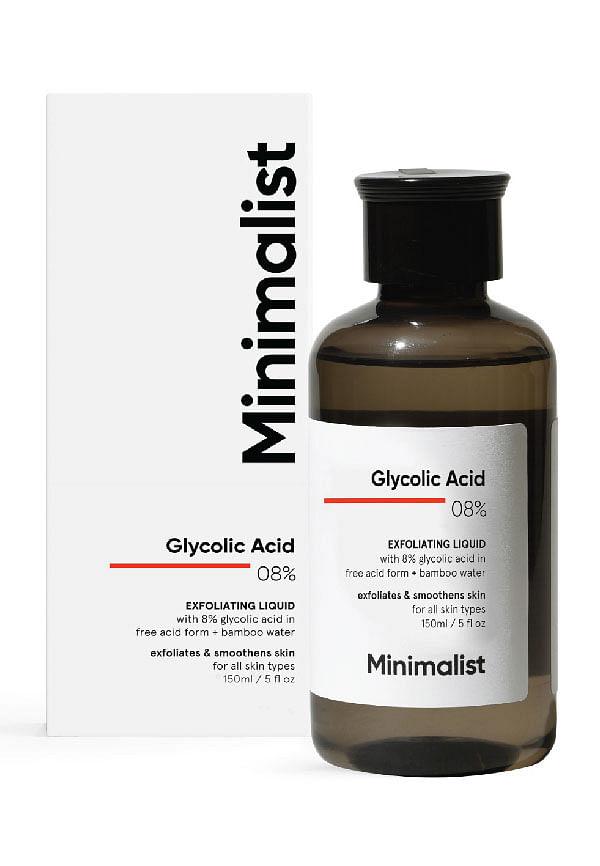 150 ml
8% Glycolic Acid Toner For Glowing Skin
Dark glass bottles protect your homemade facial toners from light degradation. Amber or cobalt blue work best. Always label with the recipe name and date—trust me, you'll forget which is which after a week.
Having amazing natural toners is only half the battle—applying them correctly makes all the difference.
Toner goes after cleansing but before serums and moisturisers. Think of it as prepping your skin to absorb everything else better. Wait about 30 seconds after applying toner before moving to the next step.
Cotton pads work great for removing any leftover cleanser residue, but applying with clean hands can be more gentle and waste less product. For best facial toners, try both methods and see what your skin prefers.
Start with once daily, preferably in the evening. If your skin tolerates it well after a week, you can increase to twice daily. Oily skin types often benefit from morning and evening use, whilst dry skin might prefer just evenings.
Even the best skin toner recipes can sometimes go wonky. Here's how to fix the most common problems.
If your skin reacts badly, dilute the toner with more water or switch to gentler ingredients. Redness or stinging means the formula is too strong for your current skin condition.
Oil-based ingredients naturally separate from water-based ones. This is normal—just shake before use. If you want a more stable mixture, add a tiny amount of vegetable glycerin as an emulsifier.
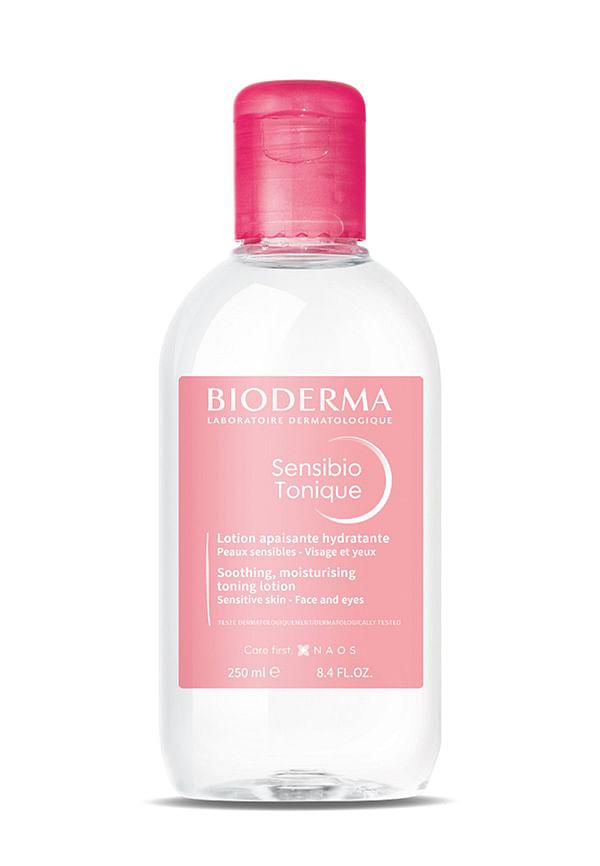 250 ml
Sensibio Tonique Soothing Alcohol-Free Toner
Fresh homemade facial toners typically last 1-2 weeks in the fridge. Toss anything that smells off, changes colour dramatically, or develops visible mould. When in doubt, make a fresh batch. Whilst exploring DIY options is brilliant for understanding your skin, sometimes you need the convenience and stability of professionally formulated products. Smytten offers curated trial packs from over 1,500 trusted skincare brands, letting you discover what works for your skin without committing to full-size purchases. With options from gentle brands like Cetaphil to innovative formulas from Dot & Key, you can explore both natural and scientifically-backed toners to find your perfect match.
Most natural toners stay fresh for 1-2 weeks when stored in the refrigerator in clean, dark glass containers. Always check for changes in smell, colour, or texture before use.
Absolutely, but start with gentler recipes like pure rose water or chamomile tea. Always patch test first and avoid ingredients like lemon juice or apple cider vinegar if you have very sensitive skin.
Toners are generally gentler and focus on balancing pH and light cleansing. Astringents contain higher levels of alcohol or acids and are more aggressive—better for very oily or acne-prone skin.
Start with once daily (preferably evening) and gradually increase to twice daily if your skin tolerates it well. Oily skin types often benefit from more frequent use than dry skin types.
DIY face toner recipes can be incredibly effective, especially for basic toning and pH balancing. However, commercial toners may contain higher concentrations of active ingredients and advanced delivery systems.
Avoid essential oils if you have sensitive skin, don't use citrus ingredients before sun exposure, and skip alcohol-based recipes if you have dry or sensitive skin. Always research any new ingredient before adding it to your recipe.
Creating homemade facial toners is one of the most rewarding ways to take control of your skincare routine. From simple rose water classics to targeted acne-fighting formulas, these natural alternatives offer customisation that commercial products simply can't match. The key is starting simple, listening to your skin, and adjusting recipes based on what actually works for you. Remember, skincare is deeply personal—what works brilliantly for your mate might not suit your skin at all. That's where platforms like Smytten become invaluable. With trial packs from trusted brands available for just ₹249, you can explore professional toner formulations alongside your DIY experiments. This way, you're never settling for 'maybe'—you're discovering exactly what makes your skin happy, whether it's a kitchen creation or a carefully formulated product from brands like Renee or Love, Beauty & Planet. After all, why limit yourself to one approach when you can truly try it all?
