Skincare
•07 min read

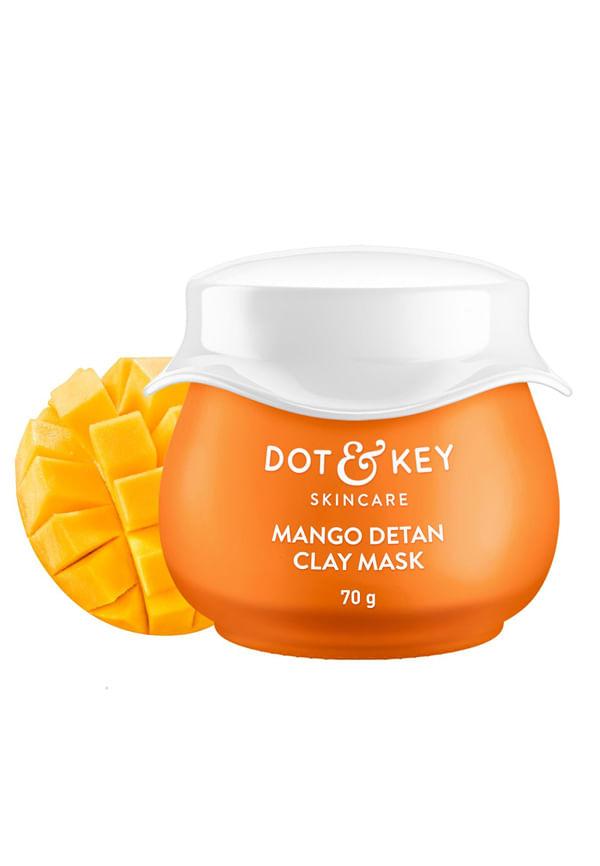 70 gm
70 gmMango Detan Clay Mask
Let's be real—skincare can get expensive fast. Between serums, moisturisers, and those fancy sheet masks, your beauty budget might be crying for help. But here's the thing: some of the most effective facial treatments are probably sitting in your kitchen right now. Homemade face mask recipes aren't just a budget-friendly alternative; they're often gentler and more natural than their commercial counterparts. Plus, you know exactly what's going on your skin—no mystery ingredients or unpronounceable chemicals. Whether you're dealing with breakouts, dryness, or just want that post-facial glow, DIY face masks can be your skin's new best friend. Ready to turn your kitchen into a mini spa?
Before we dive into the fun stuff, let's talk about the face mask ingredients that actually work. The beauty of natural face masks is that most of the star players are already in your pantry or fridge. These aren't just random ingredients—each one brings something special to the table for your skin.
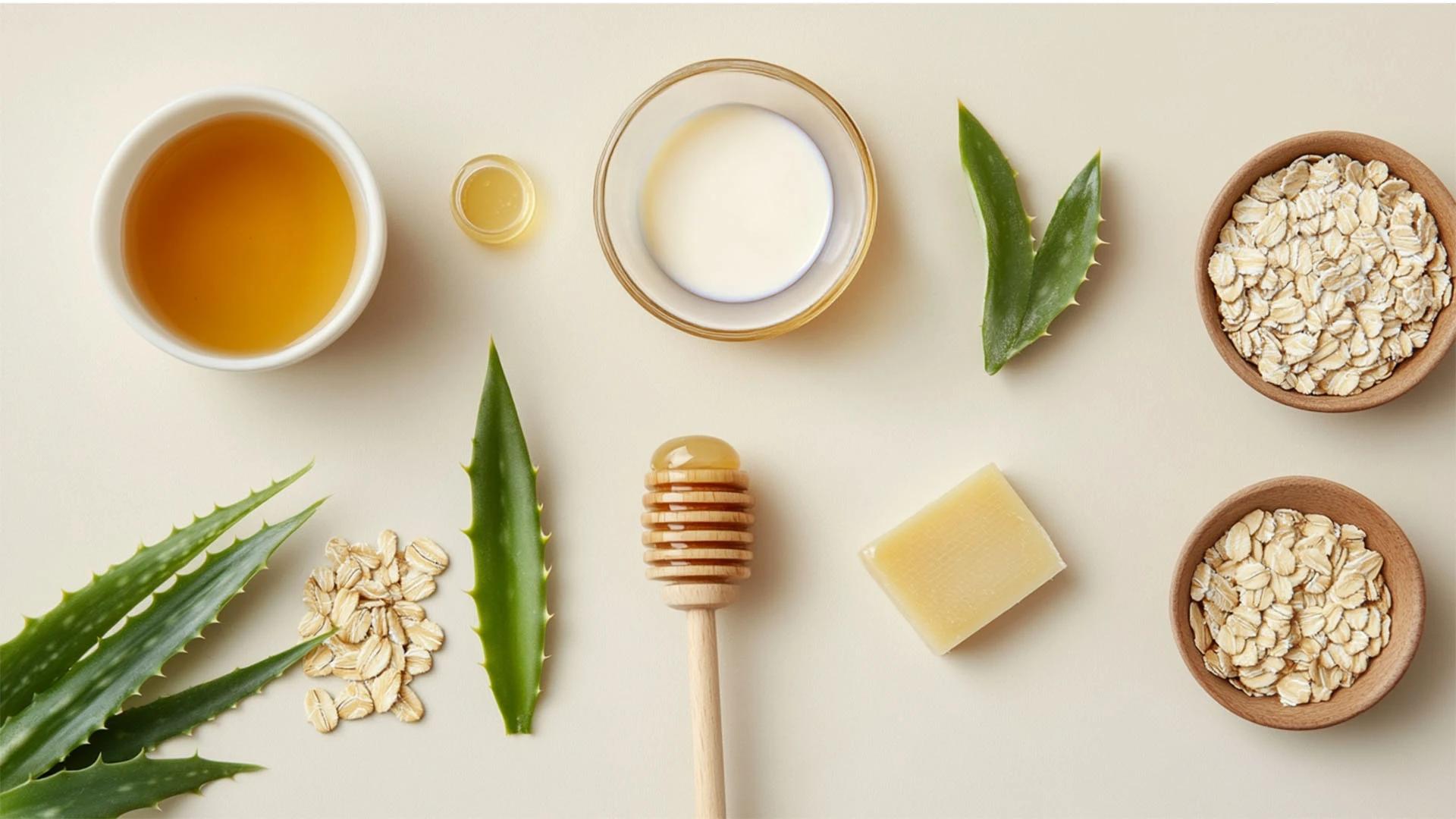
Your kitchen cupboard is basically a treasure trove of skincare gold. Honey is probably the MVP here—it's antibacterial, naturally moisturising, and gentle enough for sensitive skin. Oatmeal works as a gentle exfoliant whilst soothing irritation, making it perfect for those days when your skin feels a bit cranky.
Yogurt brings natural lactic acid to the party, which helps with gentle exfoliation and adds probiotics that your skin will love. Avocado is packed with healthy fats and vitamins that deeply nourish, whilst egg whites can help tighten pores temporarily. Even baking soda has its place as a gentle exfoliant, though use it sparingly.
Fresh ingredients often pack the biggest punch in homemade beauty products. Cucumber is incredibly cooling and hydrating—perfect for puffy morning skin or after a long day. Lemon brings vitamin C and natural brightening properties, but remember to use it sparingly and never before sun exposure.
Tomatoes contain lycopene, which can help with oil control, whilst bananas are surprisingly softening thanks to their potassium content. Strawberries contain natural salicylic acid, making them brilliant for acne-prone skin.
Here's where we need to be smart about our DIY face masks. Always patch test new ingredients on your inner wrist first—wait 24 hours to see if any reaction occurs. Fresh ingredients should be used immediately or stored in the fridge for no more than a few days. And remember, just because something is natural doesn't mean it's suitable for everyone.
If your skin tends to be on the oilier side or you're dealing with breakouts, these acne face mask recipes might just become your new favourites. The key is using ingredients that help control oil production whilst being gentle enough not to strip your skin completely.
This is probably the gentlest acne face mask you'll ever try. Mix 2 tablespoons of finely ground oatmeal with 1 tablespoon of raw honey. The oatmeal gently exfoliates whilst the honey fights bacteria and soothes inflammation. Leave it on for 15-20 minutes, then rinse with lukewarm water. Your skin will feel clean but not tight.
For targeted treatment, mix 2 tablespoons of plain yogurt with 2-3 drops of tea tree oil. The yogurt provides gentle exfoliation and probiotics, whilst tea tree oil tackles bacteria. Apply to problem areas and leave for 10-15 minutes. This one's particularly good for combination skin.
With oily or acne-prone skin, consistency is key. Use these masks 2-3 times per week, but don't overdo it. Your skin needs time to adjust and heal between treatments. Always follow up with a gentle moisturiser—yes, even oily skin needs hydration.
Dry skin deserves all the love, and these hydrating face mask recipes deliver serious moisture without any of the heavy, pore-clogging ingredients you might find in some commercial products. These organic face masks focus on nourishment and barrier repair.
This is the ultimate comfort food for your face. Mash half a ripe avocado with 1 tablespoon of honey and 1 teaspoon of olive oil. The healthy fats in avocado deeply nourish, honey adds moisture and antibacterial properties, whilst olive oil helps repair your skin barrier. Leave on for 20-25 minutes and rinse gently.
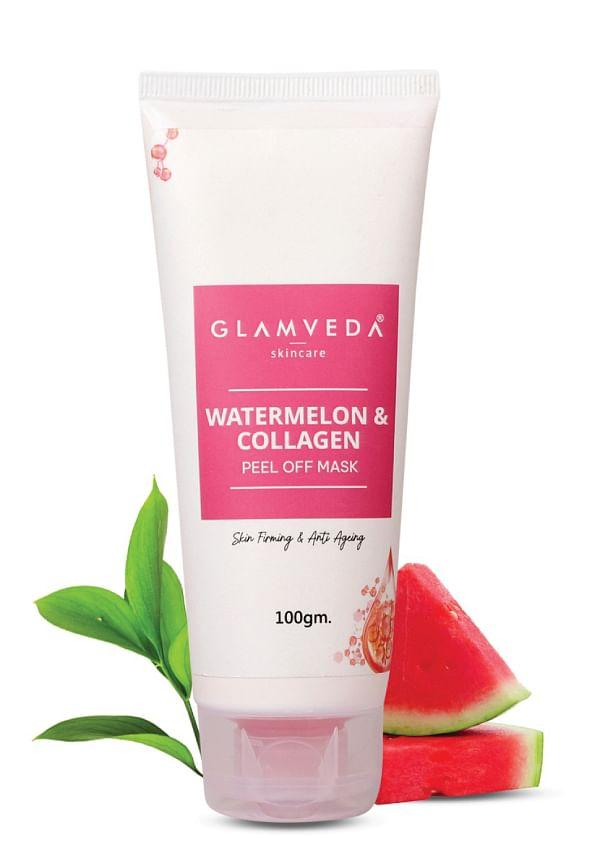 100 gm
Watermelon & Collagen Peel Firming & Anti Aging Off Mask For Women
Perfect for when your skin feels tight or irritated. Blend half a cucumber with 2 tablespoons of pure aloe vera gel. This mask is incredibly soothing and provides instant relief for dry, stressed skin. It's also brilliant for sunburn recovery.
For seriously parched skin, consider gentle overnight treatments. A thin layer of honey mixed with a few drops of facial oil can work wonders whilst you sleep. Just make sure to use a towel on your pillow and rinse thoroughly in the morning.
Who says you need expensive facial treatments to get that glow? These beauty recipes focus on natural exfoliation, vitamin delivery, and skin renewal—all from ingredients you can pronounce.
Papaya contains natural enzymes that gently dissolve dead skin cells. Mash a few pieces of ripe papaya with 1 tablespoon of honey. The enzymes work their magic whilst honey soothes and moisturises. Leave on for 15 minutes, then rinse. Your skin will feel incredibly smooth.
Mash 3-4 strawberries with 2 tablespoons of plain yogurt. Strawberries provide natural vitamin C and gentle salicylic acid, whilst yogurt adds lactic acid for gentle exfoliation. This mask is brilliant for dull skin that needs a brightness boost.
Alternate between exfoliating and nourishing masks throughout the week. Your skin needs both gentle renewal and deep hydration to maintain that healthy glow. Don't forget to always follow up with SPF during the day.
Sensitive skin doesn't have to miss out on the fun. These ultra-gentle formulations focus on soothing and calming rather than active treatment. The key is keeping ingredients lists short and sweet.
Sometimes simple is best. Mix 3 tablespoons of plain, full-fat yogurt with finely grated cucumber. This mask is incredibly gentle and perfect for reactive skin. The probiotics in yogurt can help balance your skin's microbiome, whilst cucumber provides cooling relief.
Brew strong chamomile tea and let it cool. Mix the tea with finely ground oatmeal to form a paste. Chamomile is naturally anti-inflammatory, and oatmeal is one of the gentlest exfoliants around. This mask is perfect for irritated or inflamed skin.
If you're allergic to dairy, swap yogurt for mashed banana or avocado. Sensitive to citrus? Skip the lemon and opt for cucumber or aloe instead. The beauty of homemade face mask recipes is that they're completely customisable to your skin's needs.
Getting the most out of your DIY face masks isn't just about the ingredients—it's also about technique. Proper application and timing can make the difference between an okay mask and an amazing one.
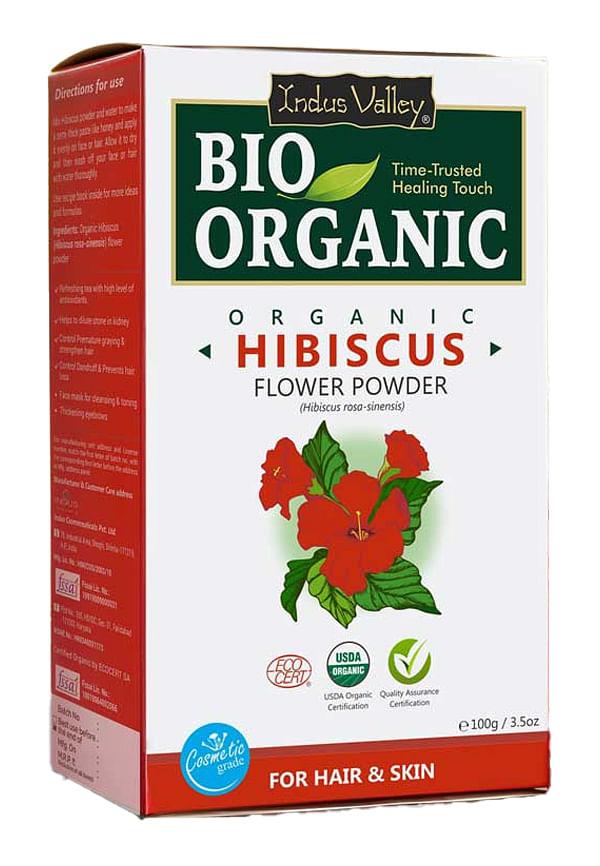 100 gm
Bio Organic Hibiscus Flower Powder for Face Pack and Hair Mask
Start with clean skin—always. Remove makeup and cleanse gently before applying any mask. Mix your ingredients fresh each time for maximum potency. Apply in upward strokes, avoiding the eye area unless specifically formulated for it. Most masks work best when applied in a medium-thick layer—not so thin that they dry out immediately, but not so thick that they slide off.
Here's a pro tip: steam your face gently before applying your mask. The warmth opens your pores and helps ingredients penetrate better. You can do this by holding your face over a bowl of hot water with a towel over your head, or simply apply your mask after a warm shower.
Most homemade face mask recipes are best used fresh, but some ingredients can be prepped ahead. You can store dry ingredients like oatmeal powder in airtight containers. Fresh fruit and vegetable-based masks should be used immediately or stored in the fridge for no more than 2-3 days.
While DIY masks are fantastic for regular skincare maintenance, sometimes you want to explore what professional brands have to offer. That's where platforms like Smytten come in handy—you can try mini versions of professional face masks and treatments from trusted brands before committing to full sizes. With over 1,500 brands available, you can discover new facial treatments and skin care recipes that complement your homemade routine perfectly.
For most skin types, 2-3 times per week is perfect. If you're using gentle, hydrating masks, you could potentially use them daily. However, exfoliating or treatment masks should be limited to avoid over-treating your skin.
Absolutely! Many commercial masks contain the same active ingredients you'll find in homemade face mask recipes. The main difference is that DIY versions are fresh, preservative-free, and you know exactly what's in them.
It's rare when you patch test properly, but it can happen. Avoid comedogenic ingredients like coconut oil if you're acne-prone, and always introduce new ingredients gradually.
Start with a simple honey mask—just pure honey applied to clean skin for 15-20 minutes. It's gentle, effective, and suitable for almost all skin types.
Fresh masks should be used immediately or within 2-3 days when stored in the fridge. Dry ingredient mixes can last several months in airtight containers.
Skip citrus fruits, essential oils, baking soda, and anything with strong fragrances. Stick to gentle ingredients like oatmeal, honey, cucumber, and plain yogurt.
Creating your own natural face masks at home isn't just about saving money—it's about taking control of what goes on your skin. These homemade beauty products let you customise treatments for your exact skin needs, whether that's hydration, acne control, or just a bit of pampering after a long week.
The best part? You can experiment and adjust recipes based on how your skin responds. Maybe your skin loves the honey and oatmeal combo but isn't keen on citrus. That's totally fine—skincare should be personal and flexible.
Remember, consistency is more important than perfection. A simple honey mask used regularly will do more for your skin than an elaborate 10-ingredient concoction used once. Start simple, listen to your skin, and have fun with the process. Your skin—and your wallet—will thank you for it.
