How to Make a Turmeric Face Mask for Sensitive Skin

 100 gm
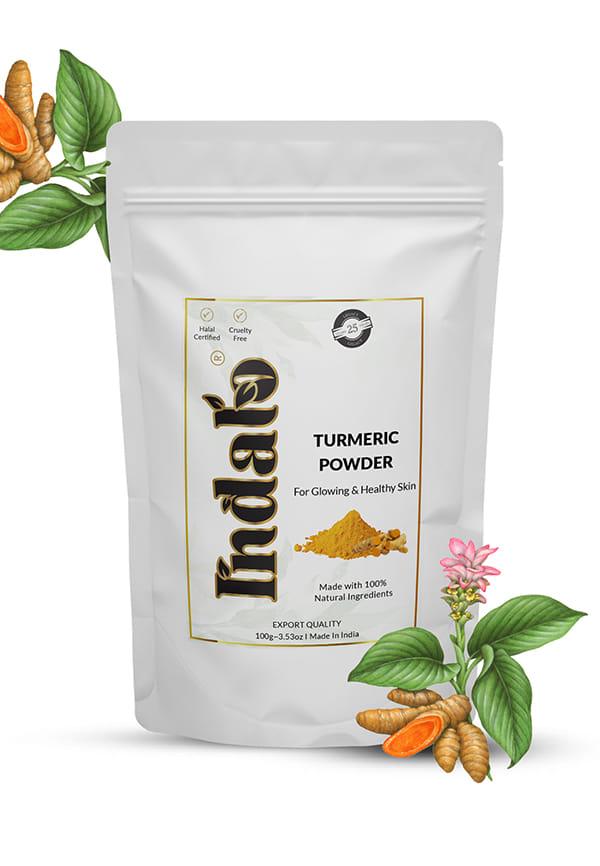
Turmeric Powder For Anti-Aging Skin Care & Treatment
Let's be real—finding the perfect face mask when you have sensitive skin feels like walking through a skincare minefield. One wrong ingredient and you're dealing with redness, irritation, or that dreaded burning sensation. But here's where turmeric swoops in as your skin's golden hero. This ancient spice isn't just for your curry; it's been soothing sensitive skin for centuries with its incredible anti-inflammatory properties. Unlike harsh chemical treatments that can leave sensitive skin screaming for mercy, a turmeric face mask for sensitive skin works gently to calm irritation while delivering real results. Whether you're battling redness, dryness, or just want a natural glow without the drama, we've got you sorted with gentle DIY recipes that actually work.
Turmeric isn't just trending on your feed—it's backed by proper science. The magic lies in curcumin, turmeric's active compound that acts like a gentle superhero for your skin. Think of it as nature's own anti-inflammatory medication, but way more fun to use.
Curcumin is basically turmeric's superpower ingredient. It works by blocking inflammatory pathways in your skin, which means less redness and irritation. Clinical studies have shown that curcumin can reduce inflammation markers significantly, making it perfect for those moments when your skin decides to throw a tantrum. Unlike synthetic ingredients that might overwhelm sensitive skin, curcumin works gradually and gently.
The turmeric mask benefits for sensitive skin are honestly impressive. First up, it reduces inflammation and redness without being aggressive about it. You'll also get gentle exfoliation that doesn't feel like sandpaper on your face. The natural antibacterial properties help keep breakouts at bay, whilst the brightening effects give you that subtle glow without irritation. Plus, turmeric for skin care has been used for generations, so you know it's tried and tested.
When you make your own diy turmeric face mask, you're the boss of what goes on your face. No mysterious preservatives, no harsh fragrances that make your skin angry, and definitely no ingredients you can't pronounce. You control the concentration, ensuring it's gentle enough for your skin type. Plus, it's way more cost-effective than splashing cash on fancy products that might not even work.
Not all turmeric is created equal, and the same goes for the ingredients you mix with it. Getting this bit right is crucial for creating a sensitive skin face mask that soothes rather than irritates.
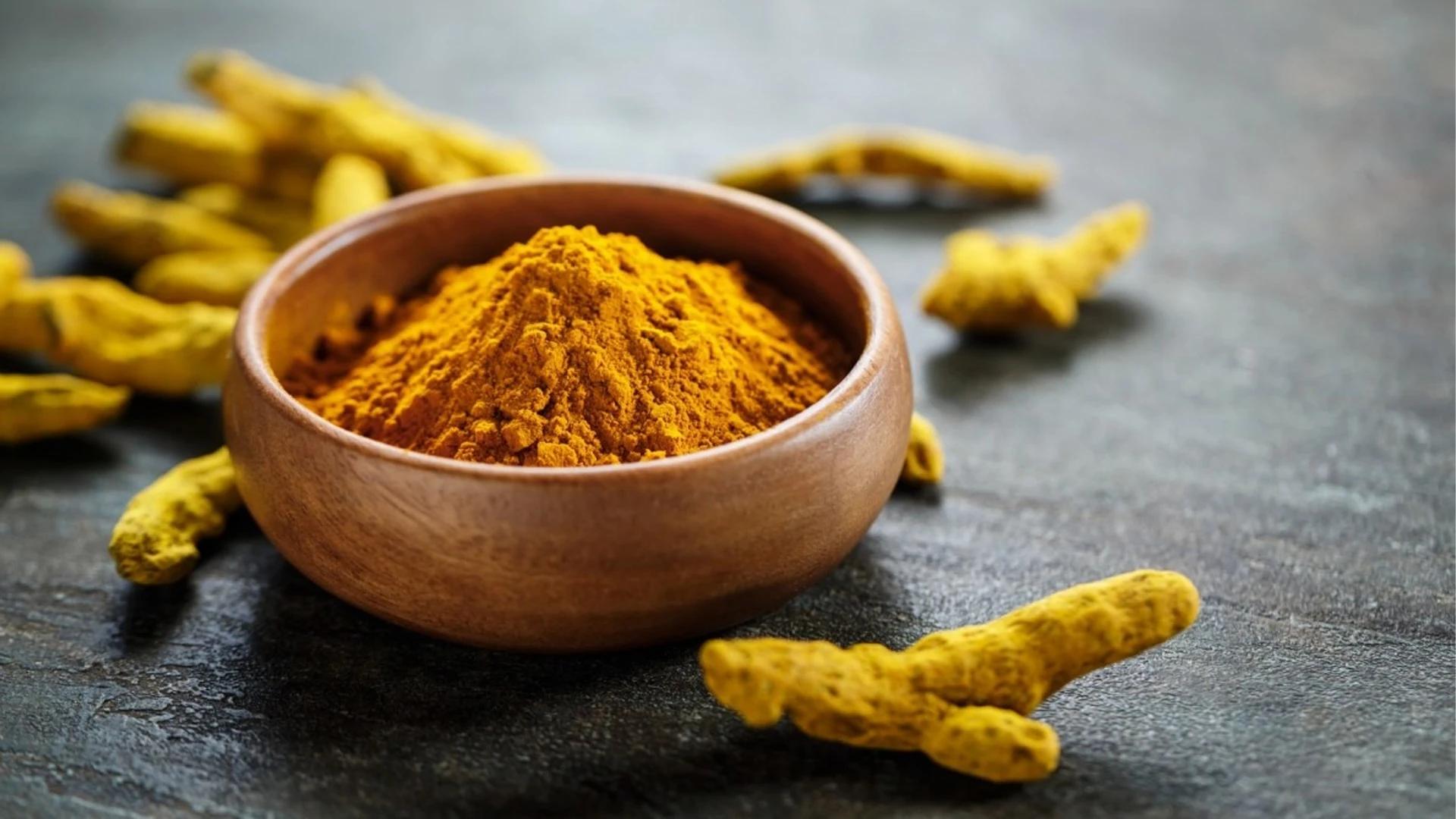
Organic turmeric powder is your safest bet—it's pure and free from additives that might upset sensitive skin. Fresh turmeric works too, but it can be messier and might stain more. If you can get your hands on kasturi turmeric (wild turmeric), that's the gold standard for facial use. It's gentler and less likely to leave you looking like you've been tangoed.
Yogurt brings lactic acid to the party for gentle exfoliation without the harshness. Honey is nature's humectant—it draws moisture to your skin whilst fighting bacteria. Oatmeal is like a warm hug for irritated skin, offering soothing and anti-inflammatory benefits. Aloe vera provides cooling relief and healing properties that sensitive skin absolutely loves. Coconut oil works brilliantly for dry sensitive skin, adding moisture without clogging pores.
Steer clear of lemon juice and citrus acids—they're way too harsh for sensitive skin. Essential oils might smell lovely, but they can trigger reactions. Baking soda is a no-go; it's too alkaline and can disrupt your skin's natural pH. High-concentration acids should also be avoided in your turmeric mask recipe.
 100 gm
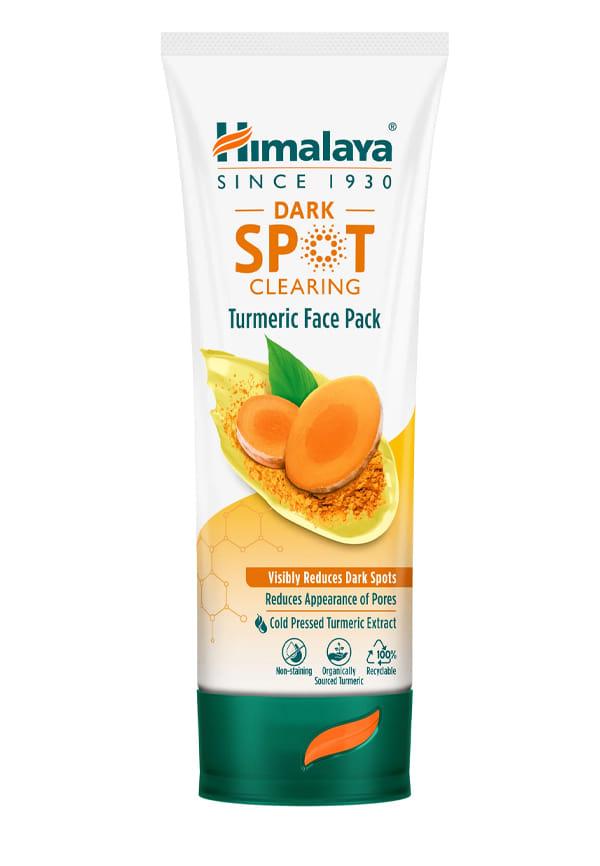
Dark Spot Correcting Turmeric Face Pack
Time for the good stuff—actual recipes that work. These natural face mask formulas are designed specifically for sensitive skin, so you can try them without worry.
This calming face mask is perfect for everyday irritation. Mix 1 teaspoon turmeric powder with 2 tablespoons plain yogurt and 1 teaspoon honey. The yogurt provides gentle exfoliation, honey adds moisture, and turmeric calms inflammation. Apply evenly, avoiding the eye area, and leave for 10-15 minutes. This combo is brilliant for general redness and irritation.
For super reactive skin, this anti-inflammatory face mask is your best friend. Combine 1/2 teaspoon turmeric with 1 tablespoon finely ground oatmeal and 2 tablespoons aloe vera gel. The oatmeal soothes whilst aloe vera provides cooling relief. This mask is so gentle, even the most sensitive skin types can usually handle it.
Dry sensitive skin needs extra love. Mix 1/2 teaspoon turmeric with 1 tablespoon melted coconut oil and 1 teaspoon honey. The coconut oil provides deep moisture whilst honey locks it in. This mask feels more like a treatment than a typical clay mask—rich and nourishing.
This face mask for redness gently brightens without irritation. Combine 1/2 teaspoon turmeric with 1 tablespoon rice flour and enough milk to make a paste. Rice flour provides the gentlest exfoliation, whilst milk's lactic acid brightens gradually. Perfect for dull, irritated skin that needs a gentle glow-up.
Sensitive skin with breakouts is tricky, but this recipe balances antibacterial benefits with gentleness. Mix 1/2 teaspoon turmeric with 1 tablespoon bentonite clay and 1 teaspoon honey. Add water gradually to achieve a smooth paste. The clay draws out impurities whilst honey and turmeric fight bacteria without over-drying.
Getting the application right is just as important as the recipe itself. Follow these steps to ensure your turmeric skin care routine is both safe and effective.
Always patch test first—apply a small amount to your inner wrist and wait 24 hours. Cleanse your face gently with a mild cleanser, and tie your hair back. Turmeric can stain, so wear old clothes or wrap a towel around your shoulders. Have a damp cloth ready for removal.
 100 ml
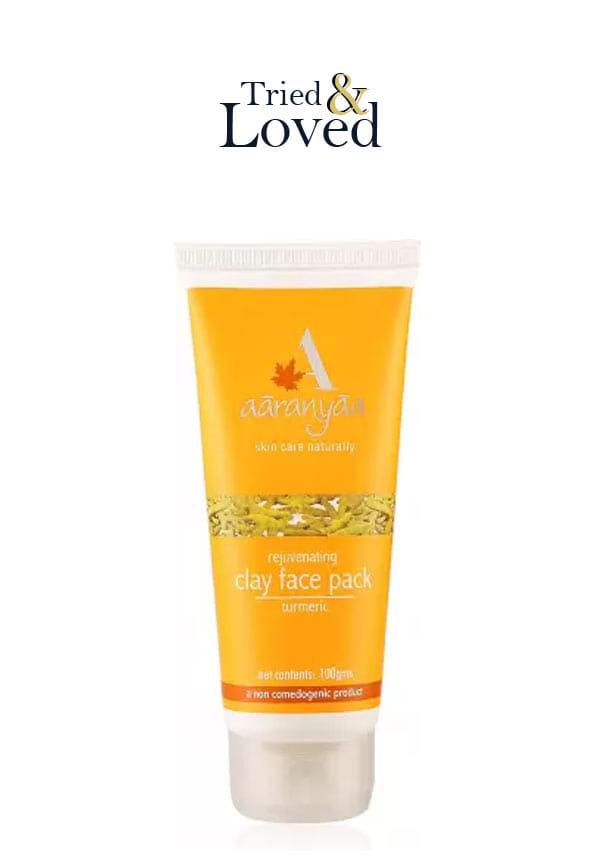
Face Pack Turmeric
Apply the mask evenly using clean fingers or a brush, avoiding the delicate eye and lip areas. Don't go too thick—a thin, even layer works best. Make sure you've covered all areas you want to treat, but keep it away from your hairline to avoid staining.
Leave the mask on for 10-15 minutes maximum—sensitive skin doesn't need longer exposure. Remove gently with lukewarm water and a soft cloth, using circular motions. Follow up with your usual gentle moisturiser to lock in the benefits.
Even natural ingredients need respect, especially when you're dealing with sensitive skin. Here's how to stay safe whilst getting all those lovely turmeric benefits.
Turmeric will stain everything it touches—your clothes, towels, and potentially your skin. Use kasturi turmeric if possible, as it stains less. If you do get stained, milk or yogurt can help remove it from your skin. For surfaces, a paste of baking soda and water usually does the trick.
Limit use to 1-2 times per week maximum. More isn't better with sensitive skin—it's about consistency, not frequency. Watch for signs of irritation like increased redness, burning, or itching. If any of these occur, rinse immediately and discontinue use.
Using too much turmeric is the biggest mistake—a little goes a long way. Leaving masks on too long can irritate sensitive skin, so stick to the recommended time. Skipping the patch test is risky, and mixing incompatible ingredients can cause reactions.
Getting the most from your turmeric masks isn't just about the recipe—it's about how you integrate them into your overall skincare routine.
Incorporate your turmeric masks into your existing routine gradually. Start once a week and see how your skin responds. Use gentle, fragrance-free products alongside your masks. Building tolerance slowly is key—your skin will thank you for the patience.
Take photos before you start using turmeric masks, then weekly progress shots. Keep a simple journal noting any reactions or improvements. This helps you identify which recipes work best for your skin and adjust accordingly.
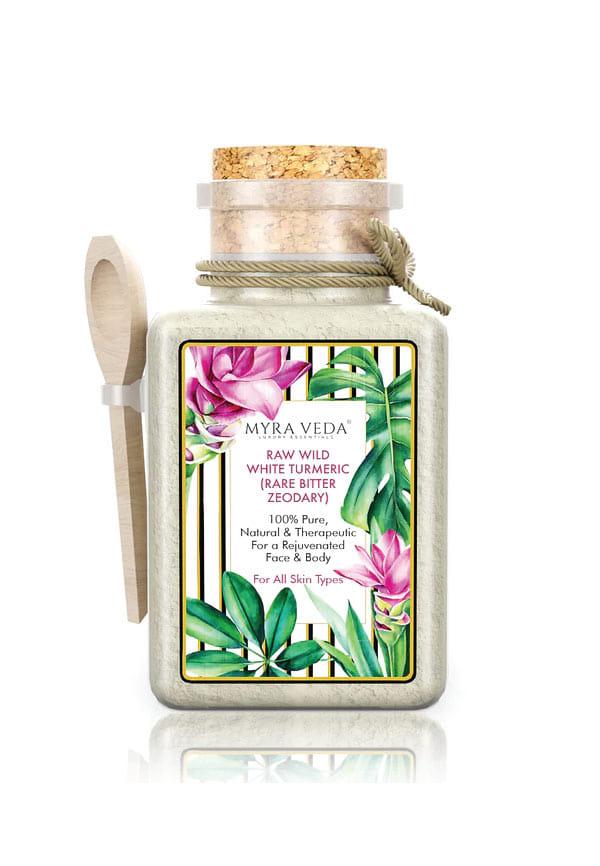 100 gm
Raw Wild White Turmeric (Rare Bitter Zeodary)
If irritation persists or worsens, stop using the masks and see a professional. Underlying conditions like rosacea or eczema might need specific treatment. Don't ignore persistent problems—sometimes professional help is needed. Whilst DIY masks are brilliant for many people, sometimes your skin needs professional-grade products. That's where platforms like Smytten come in handy—you can try mini versions of gentle, sensitive skin-friendly products from trusted brands before committing to full sizes. With over 1,500 brands available, including gentle options from Cetaphil and other dermatologist-recommended brands, you can explore what works for your sensitive skin without the financial risk.
Start with once a week and gradually increase to twice weekly if your skin tolerates it well. Sensitive skin needs time to adjust, so patience is key.
No, turmeric staining is temporary. Use kasturi turmeric to minimise staining, and if it does occur, milk or gentle exfoliation will remove it within a day or two.
Turmeric's anti-inflammatory properties can help with rosacea, but always consult your dermatologist first and patch test thoroughly before full application.
Topical turmeric is generally considered safe during pregnancy, but it's always best to check with your healthcare provider first.
Yes, but stick to gentle, sensitive skin-friendly alternatives. Avoid harsh acids, essential oils, or anything that typically irritates your skin.
Fresh masks should be used immediately. You can prep dry ingredients in advance, but add wet ingredients just before use for best results.
Creating the perfect turmeric face mask for sensitive skin doesn't have to be complicated. Start with the gentlest recipe and listen to your skin—it'll tell you what works. Remember, consistency beats intensity every time with sensitive skin. These natural, anti-inflammatory masks can become a lovely part of your self-care routine, giving you that healthy glow without the irritation. The beauty of DIY skincare is that you're in complete control. No mystery ingredients, no harsh chemicals—just pure, gentle goodness that your sensitive skin will actually appreciate. And if you find that DIY isn't quite hitting the mark, exploring gentle, dermatologist-approved products through trial sizes can help you discover what truly works for your unique skin needs. After all, why settle for irritated skin when you can find your perfect match?
