How to Make a Homemade Face Mask for Oily Skin

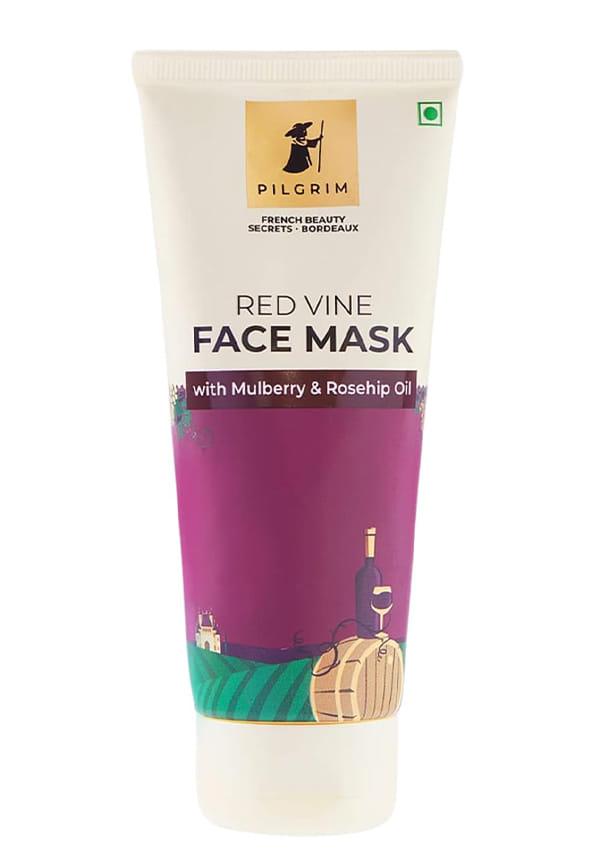 100 gm
Red Vine Face Mask with Mulberry & Rosehip Oil
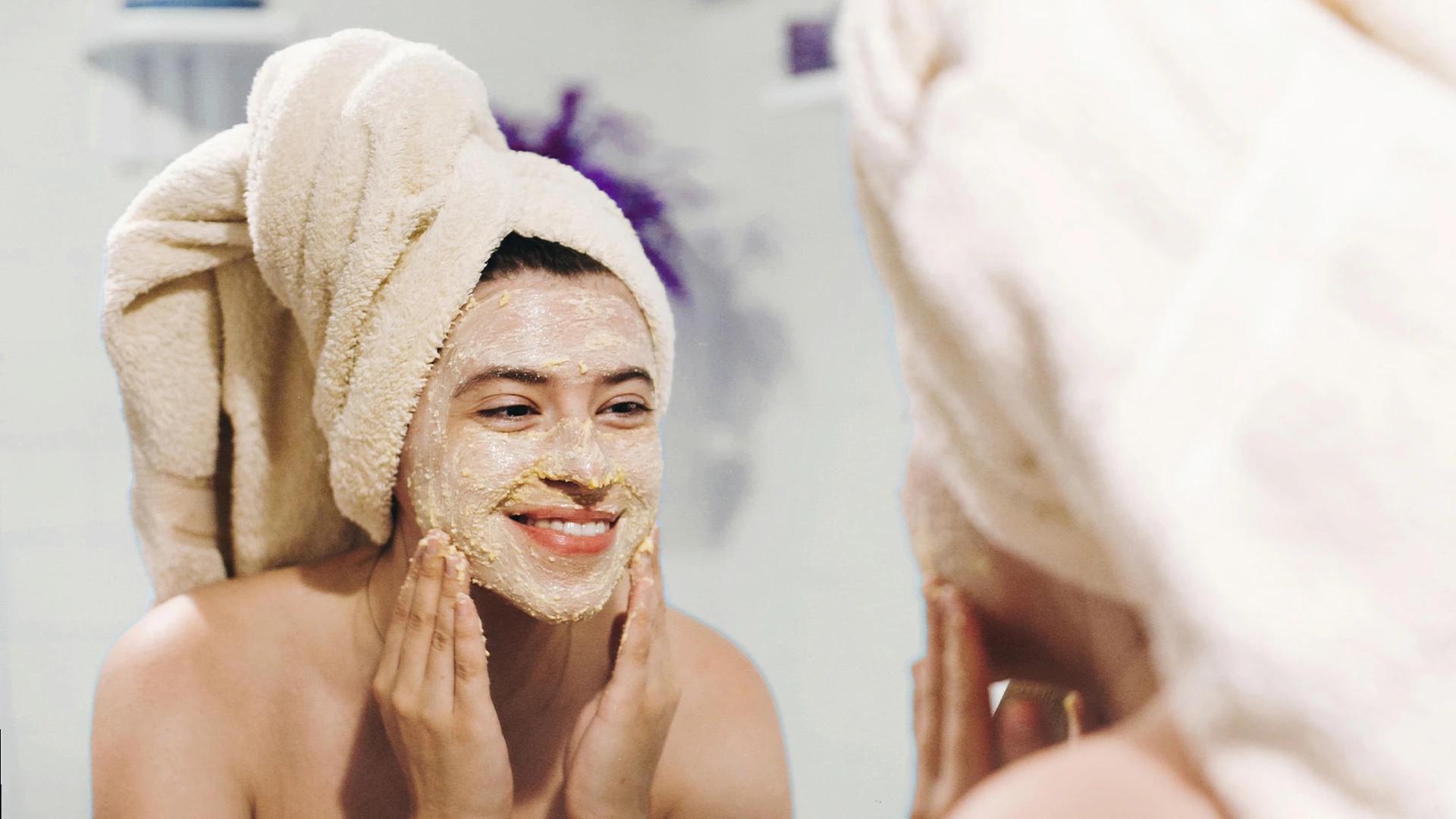
Let's be real—dealing with oily skin can feel like a never-ending battle. Your T-zone's practically an oil slick by noon, your makeup slides off, and don't even get started on those stubborn blackheads. But here's the thing: you don't need to splurge on expensive treatments to get your skin sorted. The secret might just be sitting in your kitchen cupboard. A homemade face mask for oily skin can be your game-changer, using natural ingredients that actually work without breaking the bank. From clay masks that soak up excess oil to gentle exfoliating treatments that unclog pores, DIY skincare is having its moment—and for good reason.
Here's something worth knowing: your skin doesn't always need the fanciest formulas to behave. Natural face mask oily skin treatments often outperform their store-bought cousins because they're gentler yet effective. Think about it—harsh chemicals can actually trigger your skin to produce more oil as a defence mechanism, which is the opposite of what you want.
DIY face mask oily skin recipes let you control exactly what goes on your face. No mysterious ingredients, no potential irritants hiding in the fine print. Plus, natural ingredients like clay, honey, and oatmeal have been used for centuries because they genuinely work. Clay absorbs excess oil without stripping your skin, honey fights bacteria naturally, and oatmeal gently exfoliates without causing micro-tears.
The cost factor is pretty brilliant too. A single jar of fancy face mask can cost what you'd spend on ingredients for months of DIY treatments. When you're experimenting with what works for your skin, this approach makes so much more sense.
Before diving into recipes, let's chat about what's actually happening with your skin. Oily skin occurs when your sebaceous glands go a bit overboard with oil production. This can be down to genetics, hormones, stress, or even using the wrong skincare products that strip your skin too harshly.
A good face mask for oily skin works by temporarily absorbing excess oil, drawing out impurities from your pores, and providing targeted treatment for specific concerns. The key is using them 1-2 times weekly—any more and you risk irritating your skin or triggering it to produce even more oil.
Oil absorbing face masks are particularly brilliant because they give your skin a proper deep clean without the daily harsh treatment. Think of them as a weekly reset button for your complexion. They're especially helpful if you live in a humid climate or have combination skin where your T-zone needs extra attention.
Right, let's talk ingredients. The beauty of making your own masks is choosing components that target your specific skin needs. Here are the MVPs you'll want to keep handy.
Clay varieties are absolute legends for oily skin. Bentonite clay is like a magnet for oil and toxins, whilst multani mitti (Fuller's earth) is gentler but equally effective. Kaolin clay works brilliantly for sensitive oily skin as it's the mildest option.
Egg whites tighten pores temporarily and absorb oil. Lemon juice provides natural acids that help with oil control, though use sparingly if you have sensitive skin. Apple cider vinegar balances your skin's pH and has antimicrobial properties.
Tea tree oil fights acne-causing bacteria but always dilute it—a few drops go a long way. Raw honey is naturally antibacterial and surprisingly gentle. Neem is traditional Ayurvedic ingredient that's brilliant for problematic skin.
Aloe vera calms irritation whilst providing moisture without greasiness. Oatmeal gently exfoliates and soothes inflammation. Rosewater tones and refreshes without stripping your skin.
Always patch test new ingredients on your inner wrist 24 hours before applying to your face. Your skin will thank you for this extra step.
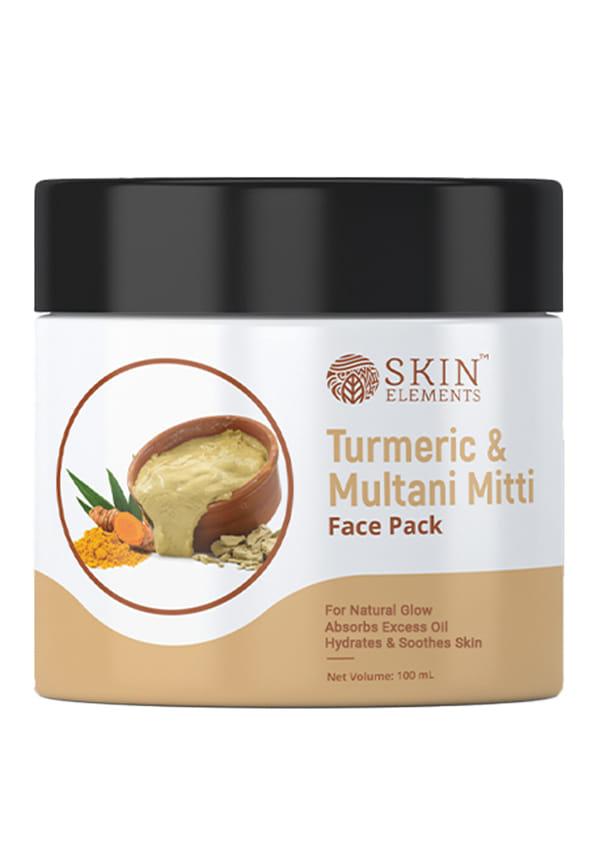 100 gm
Turmeric & Multani Mitti Face Mask Pack
Time for the good stuff—recipes that actually work. These homemade acne mask and skin clarifying mask options have been tried and tested, so you know they're worth your time.
1. Multani Mitti & Rosewater Mask
Mix 2 tablespoons multani mitti with enough rosewater to form a smooth paste. Apply evenly, avoiding the eye area. Leave for 15-20 minutes until completely dry, then rinse with lukewarm water. This clay mask for oily skin is perfect for beginners.
2. Bentonite Clay & Apple Cider Vinegar Mask
Combine 1 tablespoon bentonite clay with 1 teaspoon apple cider vinegar and enough water to make a paste. Apply for 10-15 minutes. This pore minimizing mask is particularly effective for stubborn blackheads.
3. Egg White & Lemon Tightening Mask
Whisk 1 egg white until frothy, add 1 teaspoon fresh lemon juice. Apply in thin layers, letting each dry before adding the next. Leave for 10-15 minutes total. Brilliant for temporarily tightening enlarged pores.
4. Egg White & Tea Tree Oil Pore Minimizer
Mix 1 egg white with 2 drops tea tree oil. Apply and leave for 12-15 minutes. This combination targets both excess oil and acne-causing bacteria.
5. Honey & Oatmeal Clarifying Pack
Blend 2 tablespoons oats into a fine powder, mix with 1 tablespoon raw honey and a splash of water. Gently massage onto damp skin, leave for 15-20 minutes. This doubles as a gentle exfoliant and treatment.
6. Oatmeal & Yogurt Gentle Exfoliating Mask
Combine 2 tablespoons ground oats with 2 tablespoons plain yogurt. Apply for 15 minutes. The lactic acid in yogurt provides gentle chemical exfoliation whilst oats physically buff away dead skin.
7. Aloe Vera & Tea Tree Oil Calming Mask
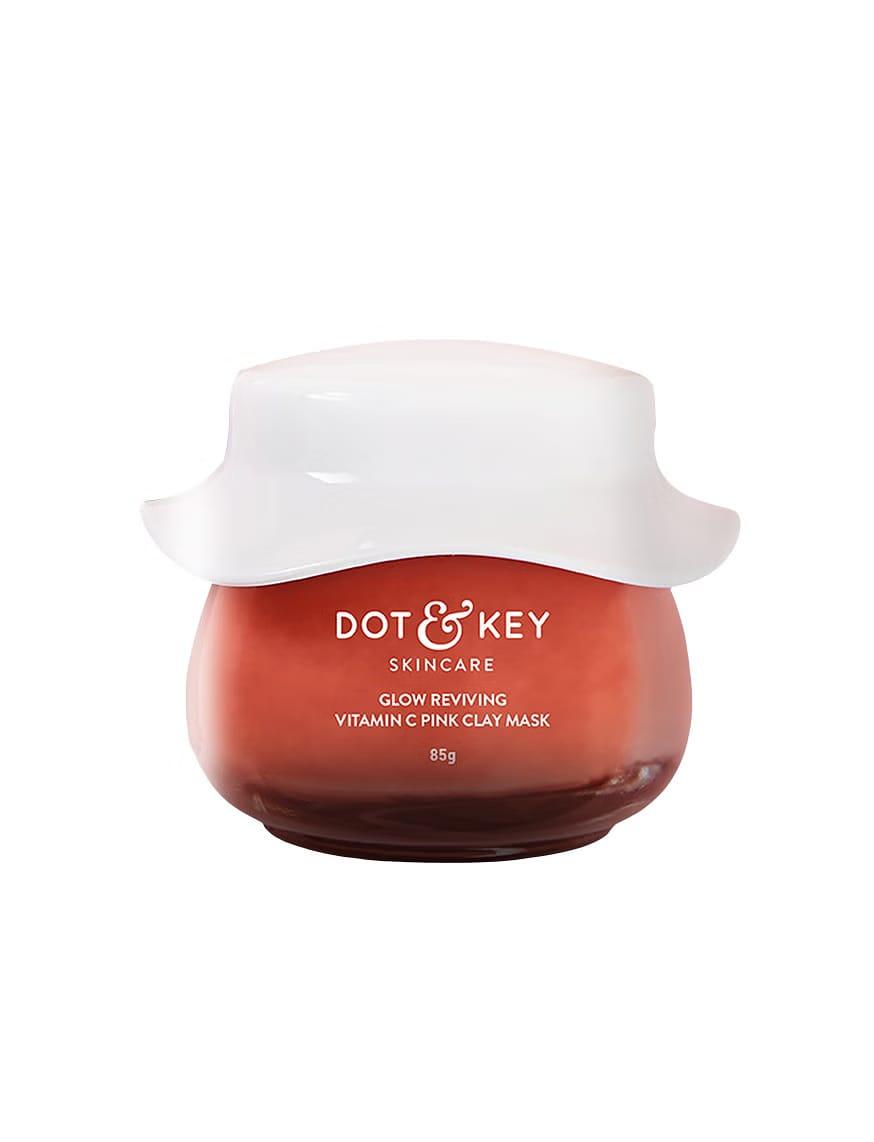 85 gms
Glow Reviving Vitamin C Pink Clay Mask
Mix 3 tablespoons fresh aloe vera gel with 3 drops tea tree oil. Leave on for 20 minutes. Perfect for inflamed or irritated oily skin.
8. Neem & Turmeric Anti-Bacterial Mask
Grind fresh neem leaves into a paste (or use neem powder), add a pinch of turmeric and enough water to mix. Apply for 15 minutes. This traditional combination is brilliant for acne-prone skin.
Getting your application technique right makes all the difference between a good mask and a great one. Here's how to nail it every time.
Start with properly cleansed skin—no makeup, no residue, just clean canvas. A gentle steam (lean over a bowl of hot water with a towel over your head for 2-3 minutes) opens your pores and helps the mask work more effectively.
Apply your facial mask for oily prone skin using clean fingers or a brush, working from the centre of your face outwards. Avoid the delicate eye area and lips. The layer should be thick enough to see but not so thick it slides off.
Timing matters—stick to the recommended duration. Leaving clay masks on too long can over-dry your skin, whilst not leaving them long enough means missing out on the benefits. Set a timer and resist the urge to leave it on 'just a bit longer.'
Remove with lukewarm water using gentle circular motions. Pat dry with a clean towel and follow up with a lightweight, oil-free moisturiser. Yes, even oily skin needs moisture—skipping this step can trigger more oil production.
Not all oily skin is created equal. Your specific concerns might need a slightly different approach to get the best results.
Focus on antibacterial ingredients like tea tree oil, honey, and neem. These target the bacteria that cause breakouts whilst managing oil production. The honey and tea tree combination is particularly effective—honey provides gentle antibacterial action whilst tea tree oil tackles more stubborn bacteria.
Clay masks are your best friend here, especially bentonite clay which draws impurities from deep within pores. Adding a tiny bit of activated charcoal powder to your clay mask creates an even more powerful blackhead-fighting treatment.
Stick to gentler options like oatmeal and aloe vera. Avoid lemon juice and strong essential oils. The oatmeal and yogurt combination is particularly good as it provides benefits without irritation.
Even the best intentions can go wrong if you're making these common errors. Here's what to watch out for.
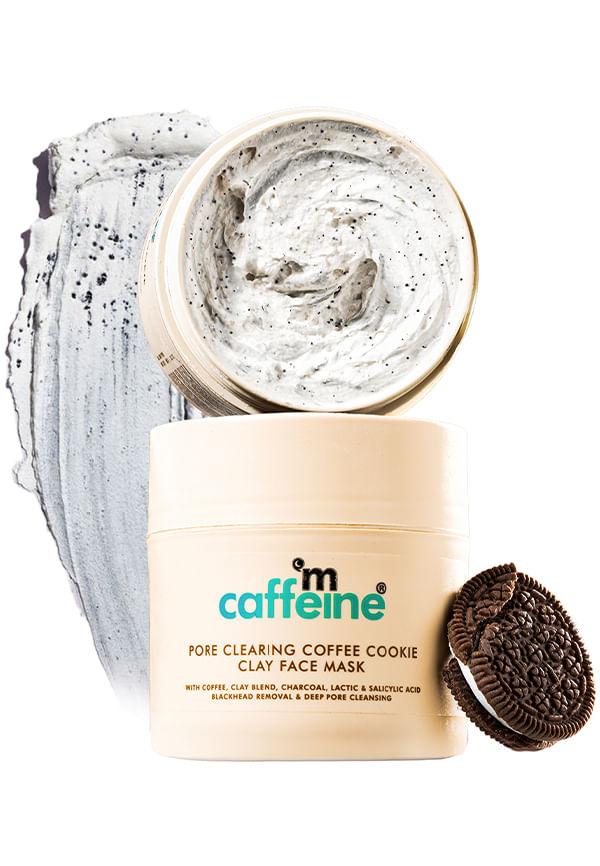 100 g
100 gPore Cleanse Coffee Cookie Detan Face Mask
Using masks too frequently is probably the biggest mistake. More isn't always better—over-treating can irritate your skin and trigger increased oil production. Stick to 1-2 times weekly maximum.
Skipping the patch test might seem like a time-saver, but it's not worth the risk of a reaction on your face. Test new ingredients on your inner wrist 24 hours before use.
Using ingredients past their prime is another no-go. Fresh ingredients work better and are safer. If your honey has crystallised or your aloe vera gel smells off, bin it and start fresh.
Not following up with moisturiser is a classic mistake. Your skin needs hydration even after an oil-absorbing treatment. Choose something lightweight and oil-free to maintain balance.
While homemade masks are brilliant for regular maintenance, sometimes your skin needs a bit more help. If you're dealing with persistent acne, severe oiliness, or skin that doesn't respond to DIY treatments, it might be worth exploring professional-grade products.
This is where platforms like Smytten come in handy. As India's largest product discovery and trial platform, Smytten lets you try mini-sized products from over 1,500 trusted brands before committing to full-size purchases. You can explore skincare options from brands like Cetaphil and Dot & Key with Trial Points—getting up to 8 minis for just ₹249. Plus, with 100% cashback on these trial purchases, you can experiment with different products without the financial commitment. It's particularly useful when you're trying to find the right balance between DIY treatments and professional skincare products.
Clay-based masks, particularly multani mitti with rosewater, tend to be the most effective for most people with oily skin. They absorb excess oil without being too harsh and are suitable for regular use.
Stick to 1-2 times per week maximum. Over-using masks can irritate your skin and actually trigger more oil production as your skin tries to compensate.
Yes, but choose gentler options like oatmeal and aloe vera masks. Avoid ingredients like lemon juice or strong essential oils, and always patch test first.
You might notice immediate temporary effects like tighter pores and less oily skin. For longer-term improvements in skin texture and oil control, give it 4-6 weeks of consistent use.
Generally, natural ingredients are gentler than synthetic ones, but reactions can still occur. Always patch test new ingredients and discontinue use if you experience irritation, redness, or breakouts.
Creating your own homemade face mask for oily skin isn't just about saving money—it's about taking control of your skincare routine with ingredients you can trust. From simple clay masks to more complex combinations, these DIY treatments can genuinely help manage excess oil, minimise pores, and improve your skin's overall appearance.
The key is finding what works for your specific skin type and sticking with it consistently. Remember, skincare is a journey, not a destination. Some weeks your skin might need a gentle oatmeal mask, other times a more intensive clay treatment. Listen to your skin and adjust accordingly.
Whether you're mixing up a quick honey and oat mask or experimenting with more complex formulations, the beauty of DIY skincare lies in its flexibility. You're not locked into one product or formula—you can adapt and change as your skin's needs evolve. And when you do want to explore professional-grade options, platforms like Smytten make it easy to try before you buy, ensuring you never have to settle for products that don't work for your unique skin. After all, why settle for 'maybe' when you can Try It All?
