How to Maintain Skin Moisture: Essential Tips for Hydrated Skin

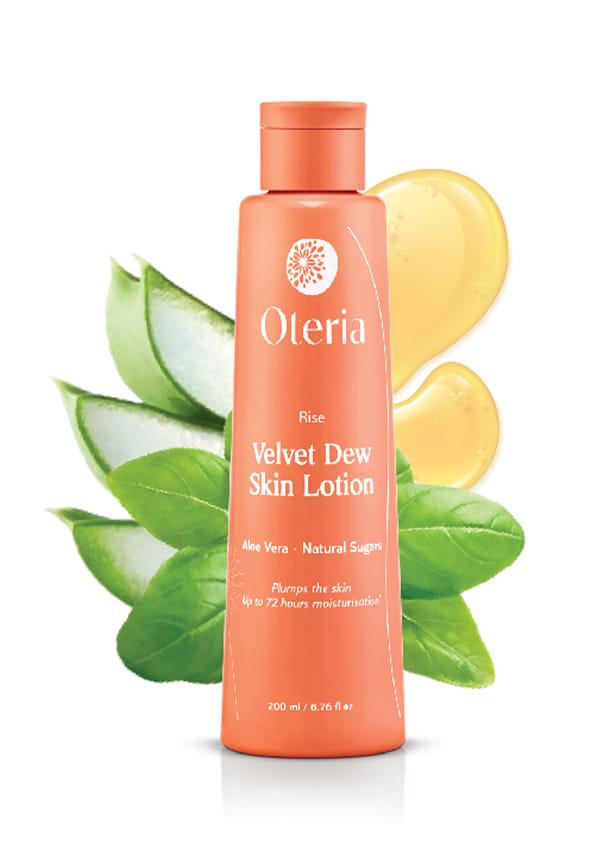 200ml
200mlVelvet Dew Skin Lotion
Your skin feels tight after washing your face. By midday, that uncomfortable pulling sensation returns, and your foundation looks patchy despite your best efforts. Sound familiar? You're not alone—nearly 40% of people struggle with maintaining proper skin moisture, especially during seasonal transitions or in air-conditioned environments. The good news is that achieving well-hydrated skin isn't about expensive treatments or complicated routines. It's about understanding what your skin actually needs and giving it consistent, thoughtful care. Whether you're dealing with occasional dryness or persistent dehydrated skin, these evidence-based tips to maintain skin moisture will help you build a routine that actually works.
Your skin is essentially a brilliant biological barrier, designed to keep water in and irritants out. When this system works properly, your skin feels soft, looks plump, and bounces back when gently pressed. The magic happens in your skin's outermost layer, where natural moisturising factors work alongside lipids to maintain what dermatologists call skin moisture balance.
Think of your skin barrier like a brick wall. The 'bricks' are dead skin cells, and the 'mortar' is made up of ceramides, cholesterol, and fatty acids. When this structure is intact, it holds onto water beautifully. But when it's compromised—through harsh weather, over-cleansing, or even stress—water escapes, leaving your skin feeling tight and looking dull.
Here's where it gets interesting: there's actually a difference between dry skin and dehydrated skin. Dry skin lacks oil (sebum), whilst dehydrated skin lacks water. You can have oily skin that's dehydrated, which explains why some people with acne-prone skin still experience tightness and flaking. Understanding this distinction is crucial for choosing the right approach to hydrate skin effectively.
Your skin produces natural moisturising factors—amino acids, lactic acid, and urea—that help attract and hold water. When these are functioning well, your skin maintains its moisture naturally. But factors like age, genetics, climate, and skincare habits can disrupt this delicate system.
Recognising moisture-starved skin goes beyond just feeling dry. Look for fine lines that seem more pronounced (especially around your eyes), a dull complexion that lacks that healthy glow, or skin that feels rough to the touch. You might notice your makeup doesn't apply smoothly, or that your skin feels tight within minutes of cleansing.
More subtle signs include increased sensitivity to products you normally tolerate well, or that uncomfortable feeling when you smile or make facial expressions. If your skin looks ashy or grey, particularly on darker skin tones, this often indicates dehydrated skin that needs immediate attention.
The foundation of any effective moisturising routine lies in timing and technique, not just product choice. Your skin is most receptive to moisture when it's slightly damp, which is why the three-minute rule exists. This simple timing trick can dramatically improve how well your skin holds onto hydration throughout the day.
Morning routines should focus on protection and light hydration, whilst evening routines can handle heavier, more restorative formulations. The key is consistency—your skin responds better to regular, gentle care than sporadic intensive treatments.
After cleansing or showering, you have roughly three minutes before your skin starts losing the water it's absorbed. This is your golden window for locking in moisture. Pat your skin gently with a towel, leaving it slightly damp, then apply your moisturiser immediately.
For your morning routine: gentle cleanser, followed by any serums (like hyaluronic acid for extra hydration), then moisturiser, and finally SPF. Evening routines can include more intensive treatments—perhaps a hydrating serum followed by a richer night moisturiser. The order matters because lighter formulations should go on first, building up to heavier creams.
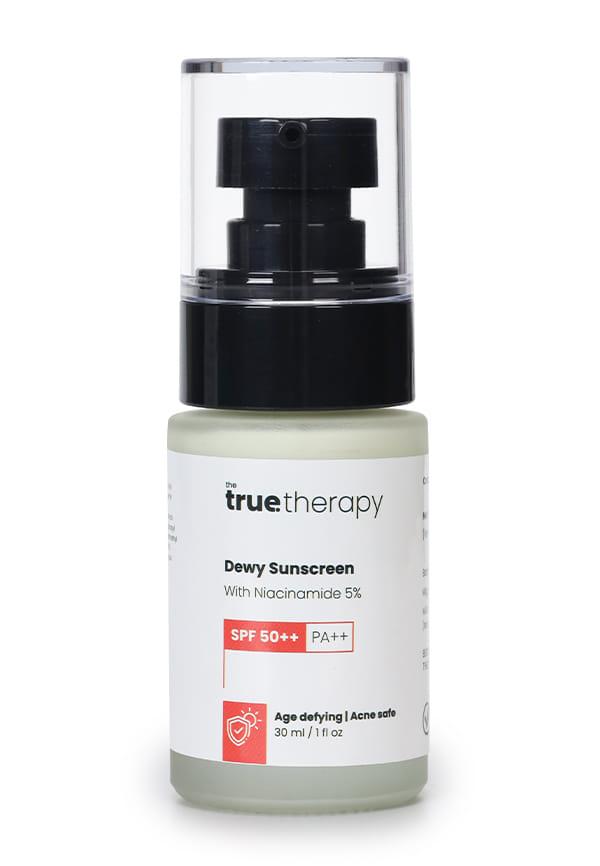 30 ml
30 mlDewy Sunscreen
The best moisturisers for maintaining skin moisture contain ingredients that work in different ways. Humectants like glycerin and hyaluronic acid draw water to the skin. Emollients like squalane and ceramides smooth and soften. Occlusives like petrolatum create a barrier to prevent water loss.
For oily or combination skin, look for lightweight, gel-based formulations with hyaluronic acid. Normal to dry skin benefits from cream-based moisturisers with ceramides and niacinamide. Very dry skin might need heavier formulations with ingredients like shea butter or natural oils. Remember, your skin's needs change with seasons—you might need a lighter moisturiser in humid summer months and something richer during winter.
Sometimes the most effective natural skin hydration methods are sitting in your kitchen cupboard. These gentle, time-tested approaches can complement your regular routine, especially when your skin needs extra TLC or when you're looking for chemical-free alternatives.
The beauty of natural methods lies in their simplicity and accessibility. Most ingredients are gentle enough for sensitive skin, and you can customise treatments based on what your skin needs on any given day.
Raw honey is a natural humectant that draws moisture from the air into your skin. Apply a thin layer to clean skin, leave for 15-20 minutes, then rinse with lukewarm water. For extra hydration, mix honey with finely ground oatmeal—the oats provide gentle exfoliation whilst the honey delivers moisture.
Aloe vera gel, straight from the plant or a pure bottled version, provides immediate cooling relief for dehydrated skin. It's particularly helpful after sun exposure or when your skin feels irritated. For a simple overnight treatment, mix a few drops of jojoba oil with your regular moisturiser—jojoba closely mimics your skin's natural sebum and absorbs beautifully.
Your environment plays a huge role in skin hydration. Indoor heating and air conditioning can drop humidity levels below 30%, which literally pulls moisture from your skin. Investing in a humidifier for your bedroom can make a noticeable difference, especially during winter months.
Aim for humidity levels between 40-60% in your living spaces. If a humidifier isn't practical, try placing bowls of water near radiators or keeping houseplants that naturally increase humidity. Even small changes, like not overheating your home or taking shorter, cooler showers, can help preserve your skin's natural moisture barrier.
True skin hydration starts from within. Whilst topical products are essential, your daily habits—what you eat, how much you sleep, and how you manage stress—all impact your skin's ability to maintain moisture. These lifestyle factors work synergistically with your skincare routine to create lasting results.
The connection between internal health and skin appearance isn't just marketing speak—it's backed by solid science. When you're well-hydrated, well-rested, and eating nutrient-rich foods, your skin has the building blocks it needs to function optimally.
Drinking enough water is fundamental, but it's not just about quantity—it's about consistency. Aim for 8-10 glasses throughout the day rather than trying to catch up with large amounts at once. Your kidneys can only process so much at a time, and steady intake helps maintain consistent hydration levels.
Foods rich in omega-3 fatty acids—like salmon, walnuts, and flaxseeds—help strengthen your skin barrier from the inside. Water-rich foods like cucumber, watermelon, and leafy greens contribute to overall hydration. Limit alcohol and excessive caffeine, as both can be dehydrating and may interfere with your skin's natural repair processes.
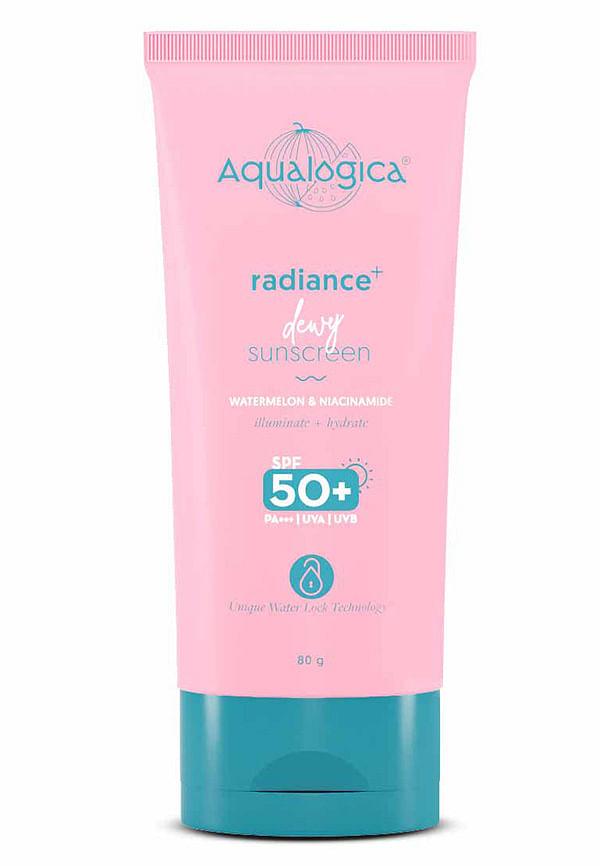 80 gm
80 gmRadiance+ Dewy Sunscreen
During sleep, your skin goes into repair mode, producing new cells and restoring its barrier function. Poor sleep quality can disrupt this process, leading to increased water loss and a compromised skin barrier. Aim for 7-9 hours of quality sleep, and consider using a silk or satin pillowcase to reduce friction against your skin.
Chronic stress elevates cortisol levels, which can break down collagen and disrupt your skin's natural moisture retention. Simple stress-management techniques—like deep breathing, regular exercise, or even a few minutes of meditation—can have surprisingly positive effects on your skin's health and appearance.
Even with the best intentions, many people unknowingly sabotage their skin's moisture levels through everyday habits. These mistakes are often so ingrained in our routines that we don't realise they're causing problems until we stop doing them.
The good news is that most of these issues are easily fixable once you know what to look for. Small adjustments to your daily routine can make a significant difference in your skin's hydration levels.
Over-cleansing is one of the biggest culprits in moisture loss. Washing your face more than twice daily, or using harsh cleansers that leave your skin feeling 'squeaky clean,' strips away natural oils that help maintain hydration. If your skin feels tight after cleansing, your cleanser is too harsh.
Hot water feels lovely, but it's terrible for your skin barrier. High temperatures dissolve the natural lipids that keep moisture locked in. Stick to lukewarm water for both face washing and showers. Also, avoid the temptation to skip moisturiser on oily skin—dehydrated skin often overproduces oil to compensate, creating a cycle of congestion and dryness.
Air conditioning and central heating create desert-like conditions for your skin. If you work in an air-conditioned office, consider keeping a hydrating mist at your desk for midday touch-ups. Over-exfoliation is another common mistake—using scrubs or acids too frequently can damage your skin barrier faster than it can repair itself.
Sun exposure without protection doesn't just cause premature ageing; it also damages the proteins and lipids that keep your skin hydrated. Make SPF a non-negotiable part of your morning routine, even on cloudy days or when you're mostly indoors.
When basic moisturising isn't enough, it's time to step up your approach. Severely dehydrated skin often needs intensive intervention and a more strategic layering of products. The key is rebuilding your skin barrier whilst providing immediate relief from discomfort.
These advanced techniques require patience—skin barrier repair doesn't happen overnight. But with consistent application, most people see significant improvement within 2-4 weeks.
Layering hydrating products can dramatically boost moisture levels. Start with a hydrating toner or essence on damp skin, follow with a hyaluronic acid serum, then seal everything with a rich moisturiser. For overnight treatment, consider applying a thin layer of facial oil or even a small amount of petroleum jelly to the driest areas.
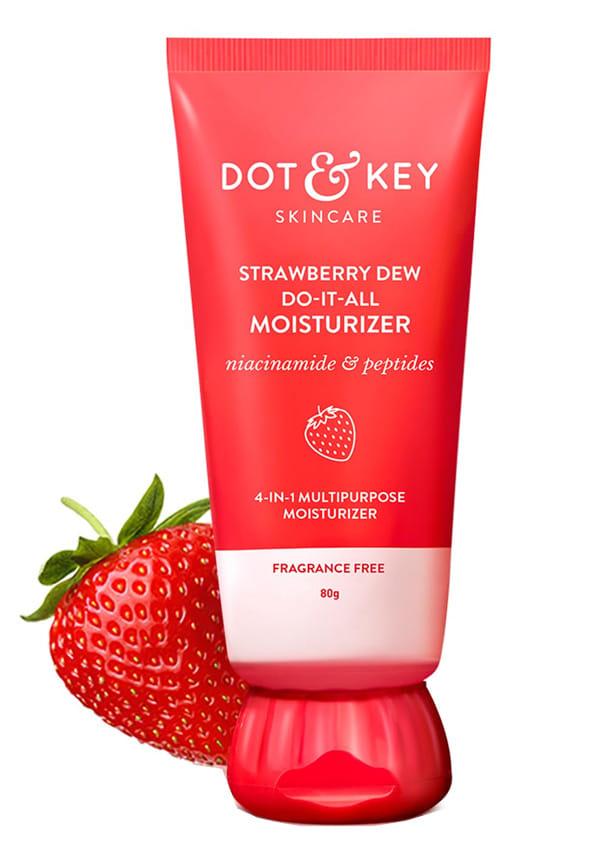 80 gm
80 gmStrawberry Dew Do-It-All Moisturizer
The 'sandwich method' works particularly well for stubborn dryness: apply a hydrating serum, then moisturiser, then another thin layer of serum, followed by a final layer of moisturiser. This technique helps trap multiple layers of hydration.
If you've been consistent with a good routine for 6-8 weeks and still struggle with dryness, it might be time for stronger formulations. Look for products with higher concentrations of ceramides, or consider adding a prescription retinoid (which initially causes dryness but ultimately improves skin texture and moisture retention).
Sometimes persistent dryness indicates an underlying skin condition like eczema or dermatitis. If your skin is consistently uncomfortable despite good care, or if you develop rashes or persistent irritation, consulting a dermatologist can help identify any underlying issues that need professional treatment.
Focus on gentle cleansing, immediate moisturising after washing, using a humidifier, staying hydrated, and incorporating moisture-rich foods into your diet. Natural oils like jojoba or argan can also boost hydration when mixed with your regular moisturiser.
Apply moisturiser within three minutes of cleansing or showering, whilst your skin is still slightly damp. This timing helps trap water in your skin and maximises the effectiveness of your moisturiser.
Most people notice immediate relief from tightness and discomfort within a few days. Visible improvements in skin texture and appearance typically develop over 2-4 weeks of consistent use.
Whilst rare, over-moisturising can occur if you use very heavy products that clog pores or apply multiple thick layers. Signs include increased breakouts or a greasy feeling that doesn't absorb. Adjust your routine by using lighter formulations or reducing frequency.
Maintaining skin moisture isn't about finding the perfect product—it's about understanding your skin's needs and responding consistently. Whether you're dealing with seasonal dryness or chronic dehydration, the combination of proper cleansing, timely moisturising, and healthy lifestyle habits will give you the foundation for well-hydrated skin.
Remember that your skin's needs change with seasons, age, and life circumstances. What works in summer might not be enough in winter, and that's completely normal. The key is staying attuned to how your skin feels and adjusting accordingly.
If you're curious about trying new moisturisers or hydrating serums but hesitant to commit to full sizes, Smytten's curated selection includes minis from trusted brands like Cetaphil, Dot & Key, and WishCare. With over 28 million users discovering products through trial sizes, it's a smart way to find what works for your unique skin before investing in full-size products. After all, the best skincare routine is the one you'll actually stick to—and that starts with finding products you genuinely love using.
