How to Layer Vitamin C, Niacinamide, and Salicylic Acid


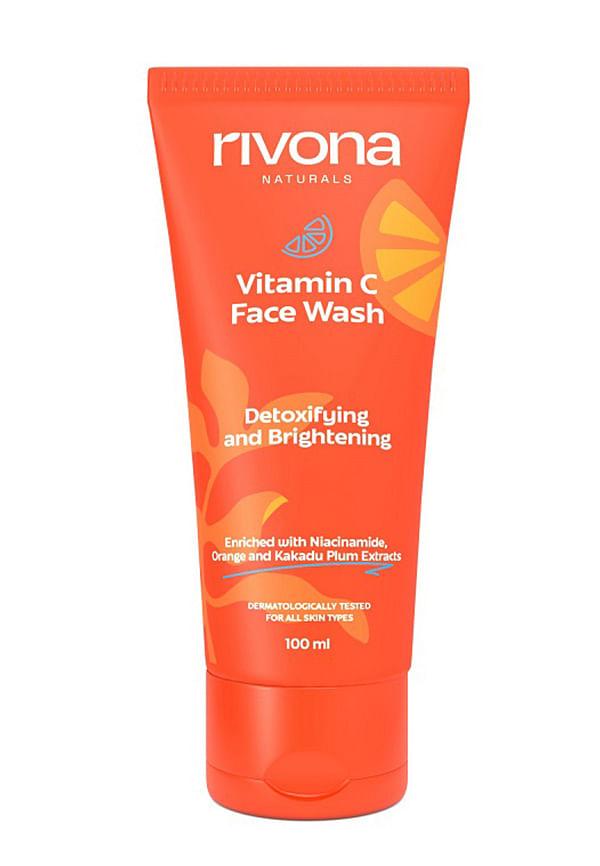
Vitamin-C Facewash with Niacinamide for Deep Cleanse
You've got three powerhouse ingredients sitting on your shelf: vitamin C, niacinamide, and salicylic acid. Each one promises glowing, clear skin, but here's the thing—using them wrong can leave you with irritation instead of results. Real talk: layering skincare actives isn't just about slapping them on in any order. The sequence matters, the timing matters, and your skin's tolerance definitely matters. If you've ever wondered whether you can use all three together (spoiler: you absolutely can), or felt confused about morning versus evening application, you're in the right place.
Before we dive into the how-to, let's get clear on what each ingredient actually does for your skin. Think of this as your ingredient masterclass—because knowing the 'why' makes the 'how' so much easier.
Vitamin C is your skin's morning coffee—it wakes everything up and gets to work immediately. This antioxidant powerhouse fights free radical damage from pollution and UV exposure whilst brightening dark spots and boosting collagen production. You'll find it in different forms: L-ascorbic acid (the most potent but also most unstable), and gentler derivatives like magnesium ascorbyl phosphate or sodium ascorbyl phosphate. If you're dealing with dullness, post-acne marks, or just want that healthy glow, vitamin C is worth adding to your routine.
Niacinamide is honestly the friend who gets along with everyone. This form of vitamin B3 regulates oil production, minimises the appearance of pores, and strengthens your skin barrier. It's particularly brilliant for those summer breakouts or when your skin feels congested after long days in air conditioning. The sweet spot for concentration is typically 5-10%—enough to see results without overwhelming your skin. What makes niacinamide special is its anti-inflammatory properties, which means it plays well with other actives rather than competing with them.
Salicylic acid is your pore-clearing specialist. As a beta hydroxy acid (BHA), it's oil-soluble, which means it can dive deep into your pores to clear out the buildup that leads to blackheads and breakouts. Unlike alpha hydroxy acids (AHAs) that work on the surface, salicylic acid gets into the nitty-gritty. Concentrations typically range from 0.5% for sensitive skin up to 2% for those who can handle more intensive treatment. It's particularly effective for hormonal acne and those stubborn clogged pores that seem to stick around.
Here's where things get interesting. The old myth that vitamin C and niacinamide can't be used together has been thoroughly debunked by modern dermatology. The concern stemmed from outdated studies using unstable forms of vitamin C at very high temperatures—not exactly real-world skincare conditions.
Understanding pH levels is crucial when layering skincare ingredients. Vitamin C (particularly L-ascorbic acid) works best at a low pH of around 3.5, whilst niacinamide prefers a more neutral pH of 5-7. Salicylic acid also likes it acidic, working optimally at a pH of 3-4. The good news? Your skin is remarkably adaptable and can handle these pH fluctuations when you give it time between applications.
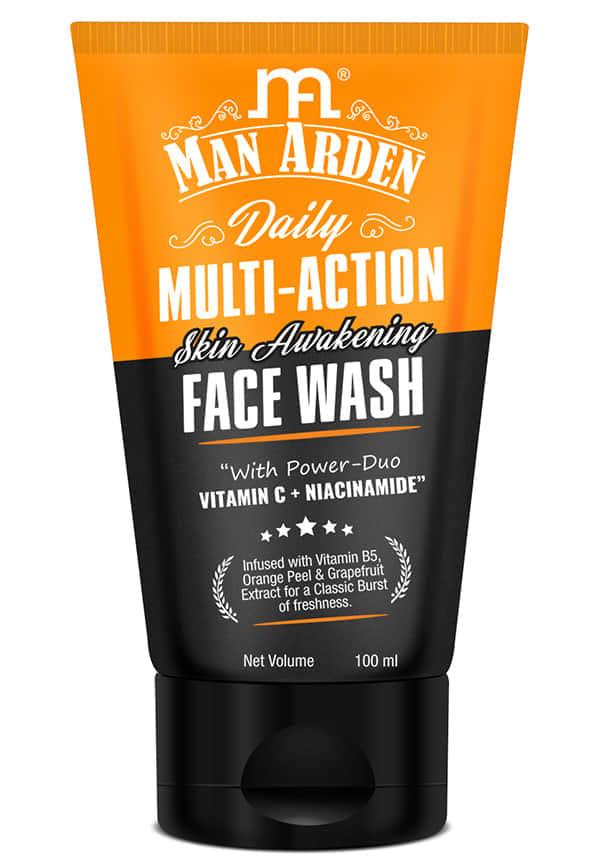
Vitamin C Daily Multi-Action Skin Awakening & Brightening Face Wash Vitamin C + Niacinamide
When used correctly, these three ingredients actually complement each other beautifully. Niacinamide and salicylic acid work particularly well together—niacinamide helps calm any potential irritation from the BHA whilst both tackle different aspects of acne and congestion. The key is proper timing and allowing your skin to adjust gradually.
The golden rule of skincare layering is to apply products from thinnest to thickest consistency, but with actives, we also need to consider their specific functions and your skin's needs throughout the day.
Your morning routine should focus on protection and brightening. Start with a gentle cleanser, then apply your vitamin C serum to clean, dry skin. Wait 3-5 minutes for absorption, then follow with niacinamide. This combination gives you antioxidant protection plus pore-refining benefits. Finish with moisturiser and—this is non-negotiable—SPF. Vitamin C can make your skin more photosensitive, so sun protection is essential.
Evenings are perfect for salicylic acid since you don't need to worry about sun sensitivity. After cleansing, apply your salicylic acid product and wait 15-20 minutes. This gives it time to work at its optimal pH before you apply anything else. Follow with niacinamide to help calm and repair, then your evening moisturiser. This sequence allows the salicylic acid to do its deep-cleaning work whilst niacinamide soothes any potential irritation.
If your skin tends to be reactive, consider alternating days rather than using all actives daily. Use vitamin C and niacinamide on Monday, Wednesday, and Friday mornings, then salicylic acid and niacinamide on Tuesday, Thursday, and Saturday evenings. Give your skin Sundays off to recover with just gentle cleansing and moisturising.
Once you've mastered the basics, there are some advanced techniques that can help you get even better results from your routine.
Patience is everything when layering skincare ingredients. Each active needs time to penetrate and work at its optimal pH before you add the next layer. For vitamin C, wait 3-5 minutes. For salicylic acid, give it 15-20 minutes. For niacinamide, 2-3 minutes is usually sufficient. Yes, this makes your routine longer, but the results are worth it.
Glutathione+Niacinamide+Vitamin C Brightening Soap | Duo Pack
For particularly sensitive skin, try the sandwich method: apply a thin layer of moisturiser, then your active ingredient, then another layer of moisturiser. This buffers the active whilst still allowing it to work effectively. It's particularly useful when introducing salicylic acid to your routine.
Even with the best intentions, it's easy to make mistakes when you're excited about trying new products. Here are the most common pitfalls and how to avoid them.
The biggest mistake? Rushing the process. Applying products too quickly doesn't give them time to absorb properly, which can lead to pilling or reduced effectiveness. Another common error is using too many actives at once when starting out. Your skin needs time to build tolerance, especially to ingredients like salicylic acid.
Watch for redness, stinging, excessive dryness, or increased sensitivity. If your skin feels tight or looks inflamed, it's telling you to slow down. Take a break from actives and focus on gentle, hydrating products until your skin barrier recovers. Remember, skincare is a marathon, not a sprint.
Your skin type should guide how you approach this trio of ingredients. What works for oily, acne-prone skin might be too intense for sensitive or dry skin types.
If you're dealing with excess oil and frequent breakouts, you can likely handle higher concentrations and more frequent use. Start with 2% salicylic acid every other evening, 10% niacinamide daily, and a stable vitamin C derivative in the morning. Focus on lightweight, non-comedogenic formulations that won't clog your pores further.
Sensitive skin needs a gentler approach. Start with lower concentrations—0.5% salicylic acid, 5% niacinamide, and a buffered vitamin C derivative. Use the sandwich method with moisturiser, and consider using actives only every few days initially. Your skin will tell you when it's ready for more frequent use.
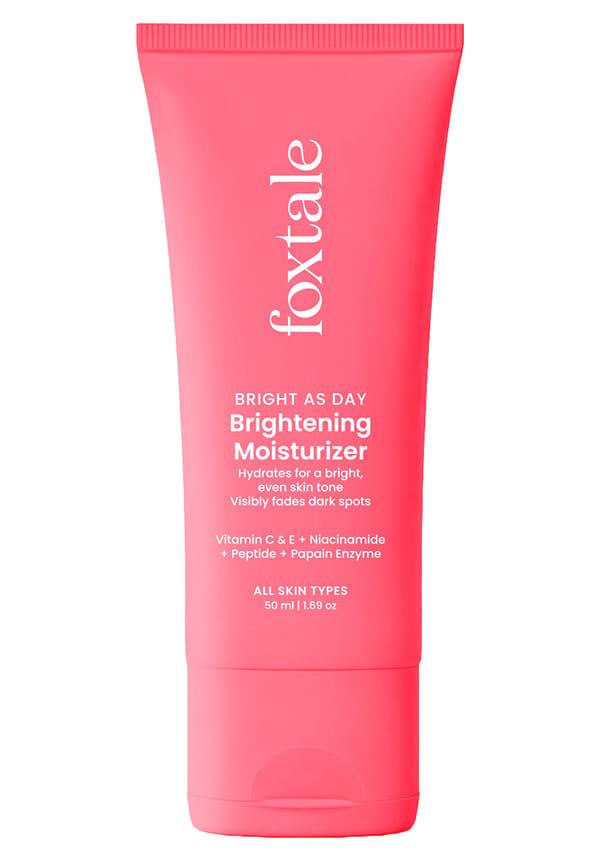
Brightening Moisturiser with Vitamin C & Niacinamide
Combination skin can be tricky because different areas have different needs. You might use salicylic acid only on your T-zone where you get congested, whilst applying niacinamide all over for its pore-minimising and barrier-strengthening benefits. Vitamin C can be used everywhere for its antioxidant protection.
Absolutely! The key is proper timing and application order. Use vitamin C in the morning with niacinamide, and salicylic acid in the evening with niacinamide. This gives each ingredient optimal conditions to work whilst minimising potential irritation.
Always apply salicylic acid first, wait 15-20 minutes, then follow with niacinamide. Salicylic acid needs to work at a lower pH to be effective, whilst niacinamide can help calm any potential irritation from the BHA.
While they can be used together, it's better to apply them separately with a few minutes in between. This ensures each ingredient can work at its optimal pH and penetrate properly into your skin.
Wait 3-5 minutes between most products, but give salicylic acid 15-20 minutes before applying anything else. This allows it to work effectively without being neutralised by other ingredients.
Mastering the art of layering vitamin C, niacinamide, and salicylic acid takes patience and attention to your skin's responses. Start slowly, pay attention to timing, and remember that consistency trumps intensity every time. Your skin will thank you for the thoughtful approach.
The beauty of having these three powerhouse ingredients in your routine is that they address multiple skin concerns simultaneously—from dullness and uneven tone to congestion and excess oil. When used correctly, they create a comprehensive approach to healthy, glowing skin.
If you're curious about trying new formulations of these ingredients but not ready to commit to full-size products, Smytten's curated selection includes minis from trusted brands that let you test different concentrations and formulations. It's a smart way to find what works best for your skin before investing in full-size products. With over 28 million users discovering their perfect skincare matches, you're in good company on this journey to better skin.
