How to Layer Skincare Products India: Your FAQ Guide


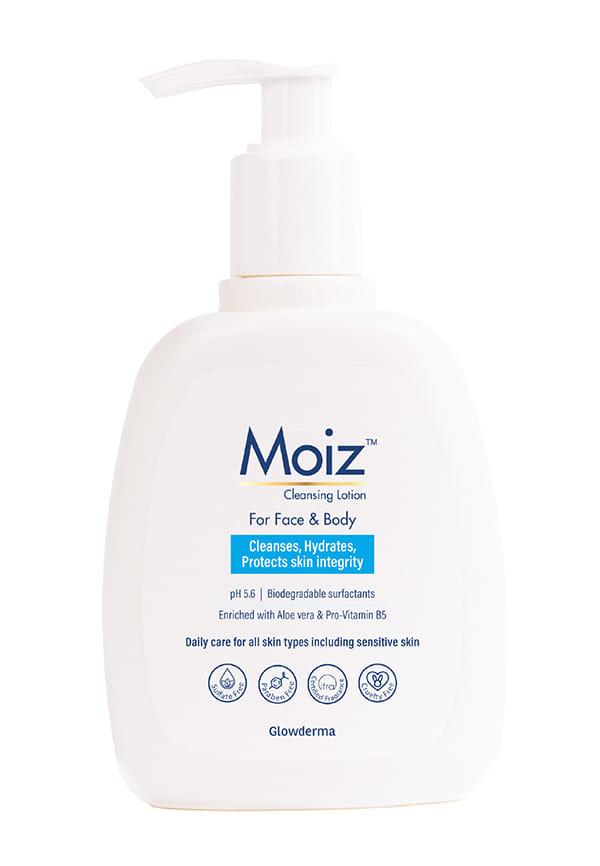 400ml
400mlCleansing Lotion - Gentle skin Cleanser
Let's be real—skincare layering can feel like rocket science, especially when you're dealing with India's unpredictable weather. One day it's humid enough to make your moisturiser slide right off, the next it's so dry your skin feels like sandpaper. If you've ever wondered whether that serum goes before or after your toner, or why your expensive routine isn't giving you that glow everyone's raving about, you're not alone. The truth is, how you layer your skincare products matters just as much as what products you're using. Getting the order right can be the difference between radiant skin and a confused complexion that's not quite sure what to do with all those products you've lovingly applied.
Skincare layering isn't just about slapping on products in any random order—there's actually a method to the madness. Think of it like getting dressed: you wouldn't put your coat on before your shirt, right? Your skin works the same way, and in India's diverse climate conditions, getting this right becomes even more crucial.
India's climate throws some serious curveballs at your skincare routine. From Mumbai's year-round humidity to Delhi's extreme seasonal changes, your skin needs a layering strategy that actually works with the weather, not against it. The key is understanding that lighter, water-based products should go on first, followed by heavier, oil-based ones. This way, each product can actually penetrate your skin instead of just sitting on top like an expensive film.
Here's where it gets interesting—your skin can only absorb so much at once, and molecular size matters. Smaller molecules (like those in serums) need to go on first because they can slip through your skin's barrier more easily. Larger molecules (like those in moisturisers) create a protective layer on top. When you reverse this order, you're basically creating a traffic jam where nothing gets where it needs to go.
Ready to master the art of skincare layering? Let's break down exactly what goes where and when, because getting this right is going to change your skin game completely.
Your morning routine is all about protection and prep for the day ahead. Here's your step-by-step guide:
Cleanser: Start with a gentle, pH-balanced cleanser to remove overnight buildup
Toner: Apply a hydrating toner to prep your skin for the products coming next
Serum: This is where vitamin C serums shine—they protect against environmental damage
Moisturiser: Choose something lightweight that won't feel heavy under makeup
Sunscreen: Never skip this step—broad-spectrum SPF 30 minimum, always
Nighttime is when your skin does its repair work, so this is when you can get a bit more intensive:
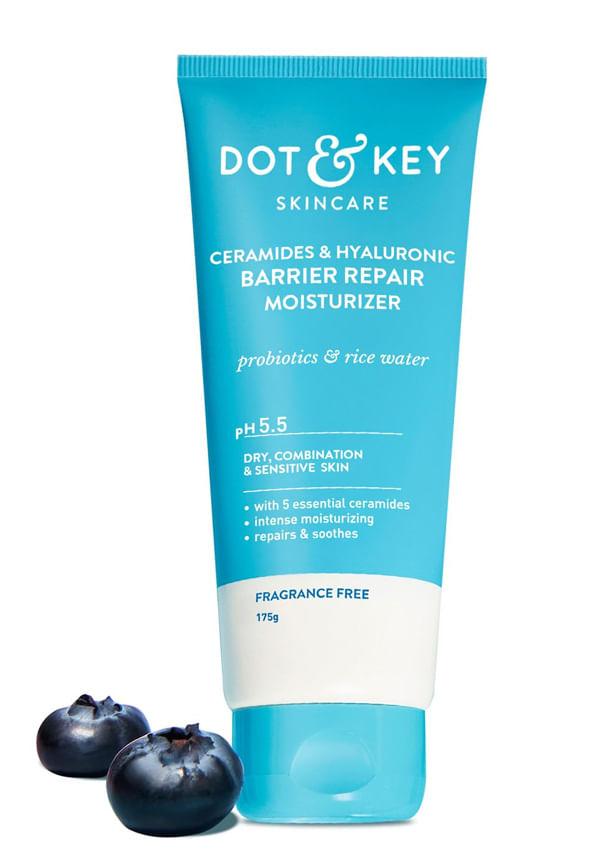 175 gm
Ceramides & Hyaluronic Barrier Repair Moisturizer
Double Cleansing: Oil cleanser first to remove makeup and sunscreen, then water-based cleanser
Toner or Essence: Prep your skin to absorb the active ingredients coming next
Treatment Serums: This is prime time for retinoids, AHA/BHA, or niacinamide
Face Oil: If your skin needs extra nourishment, add a few drops of rosehip or jojoba oil
Night Moisturiser: Go heavier here—your skin can handle richer formulations overnight
You've probably heard about various skincare methods floating around social media. Let's decode what actually works and what's just hype, especially for Indian skin types and lifestyles.
The Korean-inspired 7-step routine has taken the beauty world by storm, but let's be honest—do you really need seven different products every single day? For most Indian skin types, especially if you're dealing with humidity, this might be overkill. The key is picking the steps that actually benefit your skin rather than following trends blindly.
Here's something most people don't talk about—the concentration of active ingredients matters more than the number of products you use. A well-formulated serum with 2% salicylic acid will do more for your skin than five different products with minimal active ingredients. Learning to read ingredient lists and understand percentages will save you money and give you better results.
India isn't just one climate—it's a whole collection of weather patterns that can make your head spin. Your skincare routine needs to be as adaptable as you are.
If you're in Mumbai or Chennai, that constant humidity means your skin doesn't need as much heavy moisturising. Gel-based products and lightweight serums are your best friends. But if you're in Rajasthan or dealing with Delhi's winter, your skin is probably crying out for richer, more nourishing layers.
Monsoon season brings its own set of challenges—increased humidity, potential fungal issues, and products that just won't seem to absorb properly. During this time, focus on quick-absorbing formulations and consider adding antifungal ingredients like tea tree oil to your routine.
 30 ml
30 ml15% Vitamin C Face Serum
Let's talk about the elephant in the room—skincare can get expensive, fast. But here's the thing: you don't need to break the bank to build an effective layering routine that actually works.
Starting your skincare layering journey doesn't require a massive investment. You can build a solid routine for under ₹2,000 if you know what to look for. Focus on getting the basics right first—a good cleanser, a hydrating toner, one targeted serum, a reliable moisturiser, and sunscreen.
Some products are worth splurging on, while others work just as well in their budget versions. Sunscreen and active serums are usually worth investing in for better formulations, while basic cleansers and toners can often be found at great prices without compromising on quality.
Even with the best intentions, it's easy to mess up your skincare layering routine. These mistakes are super common, but once you know what to watch out for, you can avoid them completely.
Not all skincare ingredients play well together. Mixing vitamin C with retinol can irritate your skin, while using too many acids at once can damage your skin barrier. The good news? Most of these issues can be solved by using certain products at different times of day or on alternate days.
More isn't always better when it comes to skincare. If your skin feels congested, breaks out more than usual, or just looks dull despite all your efforts, you might be using too many products. Sometimes the best thing you can do is strip back to basics and rebuild slowly.
For most products, 30-60 seconds is plenty of time to let each layer absorb before applying the next one. However, if you're using active ingredients like retinol or strong acids, give them 5-10 minutes to work their magic before layering anything else on top. In India's humid climate, you might need to wait a bit longer for products to fully absorb.
 75gm
75gmSilicone Sunscreen Gel with SPF 50 PA +++
Absolutely! You don't need to stick to one brand for your entire routine. In fact, mixing and matching often gives you better results because you can choose the best product for each step. Just pay attention to pH levels and ingredient compatibility—most products are designed to work well together regardless of brand.
If you're short on time, focus on the essentials: cleanser, moisturiser, and sunscreen in the morning. At night, add a gentle cleanser and a treatment serum if your skin needs it. This basic routine takes less than five minutes but covers all the important bases for healthy skin.
Oily skin still needs hydration, but choose lightweight, non-comedogenic formulations. Layer a gentle cleanser, followed by a toner with salicylic acid, a niacinamide serum to control oil production, a gel-based moisturiser, and always finish with sunscreen. During monsoon season, be extra careful about fungal acne and choose products with antifungal properties.
Yes, your skin's needs change with the weather, especially in India's varied climate. In summer, switch to lighter textures and focus on hydration and sun protection. During winter, add richer moisturisers and consider face oils. Monsoon season calls for quick-absorbing products and ingredients that prevent fungal issues.
Give any new routine at least 4-6 weeks to show results. Your skin should feel comfortable throughout the day—not tight, oily, or irritated. Take photos in consistent lighting to track progress, and pay attention to how your skin feels rather than just how it looks. Good skincare should make your skin feel healthy and balanced.
Introduce one new product at a time, waiting at least a week between additions. This way, if your skin reacts badly, you'll know exactly which product caused the issue. Start with the gentlest products first, and save active ingredients like retinol or acids for last. Always patch test new products on a small area first.
Less is often more with skincare layering. A pea-sized amount of cleanser, a few drops of serum, and a thin layer of moisturiser are usually enough. Using too much product can prevent proper absorption and might cause your skin to feel congested or break out.
Mastering skincare layering isn't about following every trend or using the most expensive products—it's about understanding your skin's needs and India's unique climate challenges. Start with the basics, introduce products gradually, and remember that consistency beats complexity every time. Your skin is unique, so what works for your friend might not work for you, and that's completely normal.
The beauty of skincare layering lies in the experimentation and discovery process. With platforms like Smytten, you can explore trial-sized versions of products from trusted brands like Cetaphil, Dot & Key, and Bella Vita before committing to full sizes. This approach lets you build your perfect routine without the fear of wasting money on products that don't work for your skin. After all, why settle for 'maybe' when you can try it all and find exactly what makes your skin glow?
