How to Layer Alpha Arbutin with Other Active Ingredients

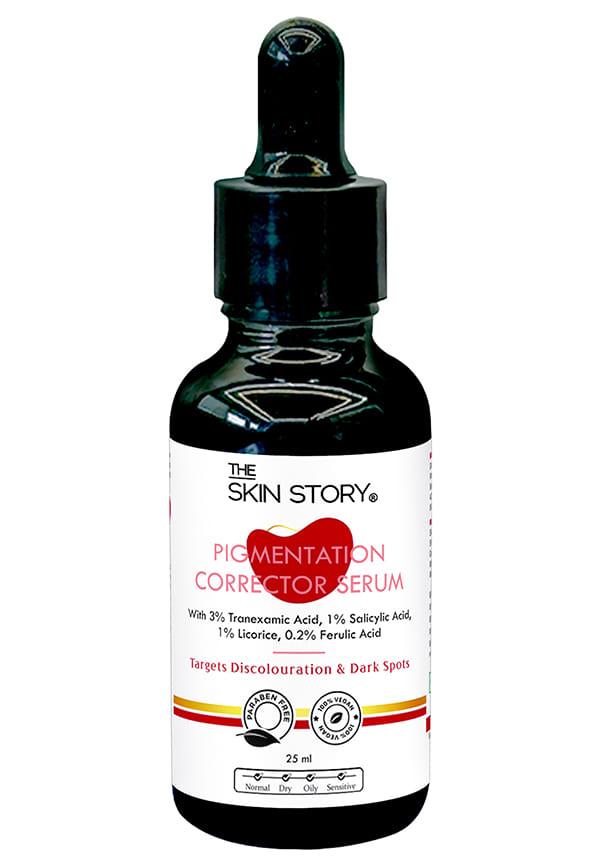 25 ml
25 mlPigmentation Corrector Face Serum Enriched With Alpha Arbutin For Brighter Looking Skin
Let's be real—skincare has become quite the science experiment lately. With everyone talking about layering actives, it's easy to feel overwhelmed by all the do's and don'ts. Alpha arbutin has been making waves as the gentle brightening hero that plays well with others, but knowing how to layer it properly can make all the difference between glowing skin and irritation city. Whether you're dealing with stubborn dark spots or just want that lit-from-within glow, mastering the art of layering alpha arbutin with actives is your ticket to a more effective skincare routine. Ready to decode the mystery behind combining this powerhouse ingredient with your other favourites?
Alpha arbutin might sound fancy, but it's actually one of the most approachable brightening ingredients out there. Derived from bearberry plants, this gentle giant works by inhibiting tyrosinase—the enzyme responsible for melanin production. Think of it as putting the brakes on your skin's pigment factory, but in the nicest way possible.
The alpha arbutin benefits are pretty impressive for such a gentle ingredient. It targets hyperpigmentation, dark spots, and uneven skin tone without the harsh side effects you might get from stronger brightening agents. Unlike hydroquinone (which can be quite aggressive), alpha arbutin delivers results gradually and safely, making it perfect for sensitive skin types who've been burned by other actives before.
Here's where it gets interesting—alpha arbutin works best at concentrations between 1-2%. Any higher and you're not necessarily getting better results, just potentially more irritation. Most arbutin serums on the market stick to this sweet spot, and you'll typically start seeing results after 6-8 weeks of consistent use. Patience is key with this one, but the gentle approach means you can use it long-term without worrying about your skin throwing a tantrum.
Before we dive into specific combinations, let's nail down the basics of layering skincare actives. Think of your skincare routine like getting dressed—you wouldn't put your coat on before your shirt, right? The same logic applies here.
The golden rule is thin to thick consistency. Start with your most watery products and work your way up to the creamiest. pH also matters—ingredients work best within specific pH ranges, so timing can make or break your routine. For the best skincare routine, morning routines should focus on protection (think antioxidants and SPF), while evenings are for repair and renewal.
Getting your layering game right isn't just about following rules—it's about maximising what each ingredient can do for your skin. When you layer correctly, ingredients can actually enhance each other's effects. Mess it up, and you might end up with irritation, pilling, or worse—ingredients that cancel each other out completely.
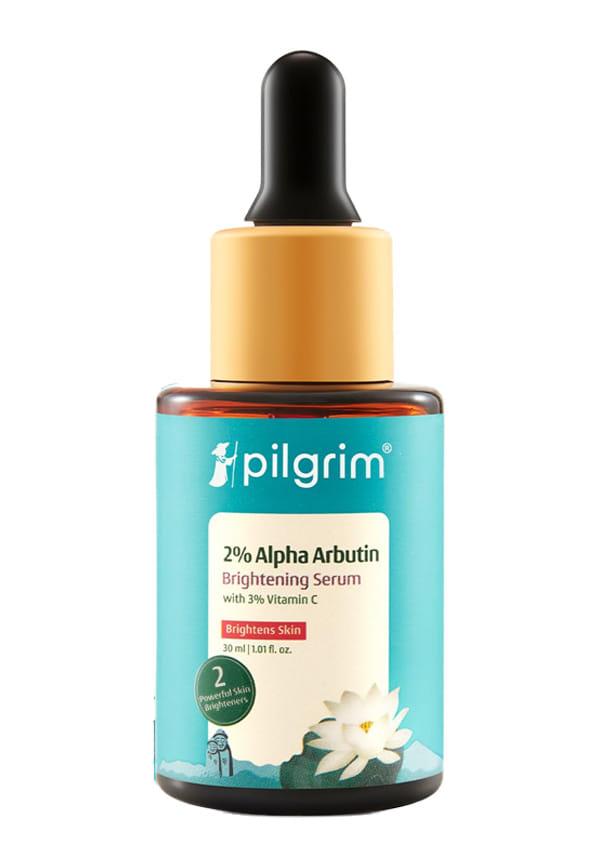 30 ml
30 mlSkin Brightening Serum With Alpha Arbutin & Vitamin C For Glowing Skin
Now for the fun part—the combinations that actually work. Alpha arbutin is pretty much the friend who gets along with everyone at the party, but some pairings are definitely more magical than others.
This combo is like the skincare equivalent of a perfect duet. Apply your alpha arbutin first (it's usually thinner), then follow with niacinamide. Both are gentle skin brightening ingredients that work through different mechanisms, so you're getting double the brightening power without double the irritation. Niacinamide also helps strengthen your skin barrier, which means your skin can handle the alpha arbutin even better.
Morning routines were made for this pairing. Vitamin C protects against environmental damage while alpha arbutin works on existing pigmentation. The key is using a stable form of vitamin C and applying alpha arbutin first if it's in a thinner formula. This combination is particularly brilliant for anyone dealing with post-inflammatory hyperpigmentation from breakouts.
Sometimes the simplest combinations are the most effective. Hyaluronic acid doesn't interfere with alpha arbutin's brightening action—instead, it creates the perfect hydrated base for the active to work its magic. Apply alpha arbutin first, then seal it in with hyaluronic acid. Your skin gets brighter and plumper—what's not to love?
This is graduate-level skincare, but when done right, it's incredibly effective. The safest approach is alternating nights—alpha arbutin one evening, retinoid the next. Once your skin builds tolerance, you might be able to use them together, with alpha arbutin going first. This combo tackles both pigmentation and signs of ageing, making it worth the careful introduction period.
Not every ingredient wants to be friends with alpha arbutin. While it's generally well-tolerated, there are a few combinations that can spell trouble for your skin.
Benzoyl peroxide is the main troublemaker here. It can oxidise alpha arbutin, making both ingredients less effective and potentially causing irritation. If you're using benzoyl peroxide for acne, use it in the morning and save alpha arbutin for your evening routine. Strong acids used too frequently can also overwhelm your skin when combined with alpha arbutin, especially if you're new to actives.
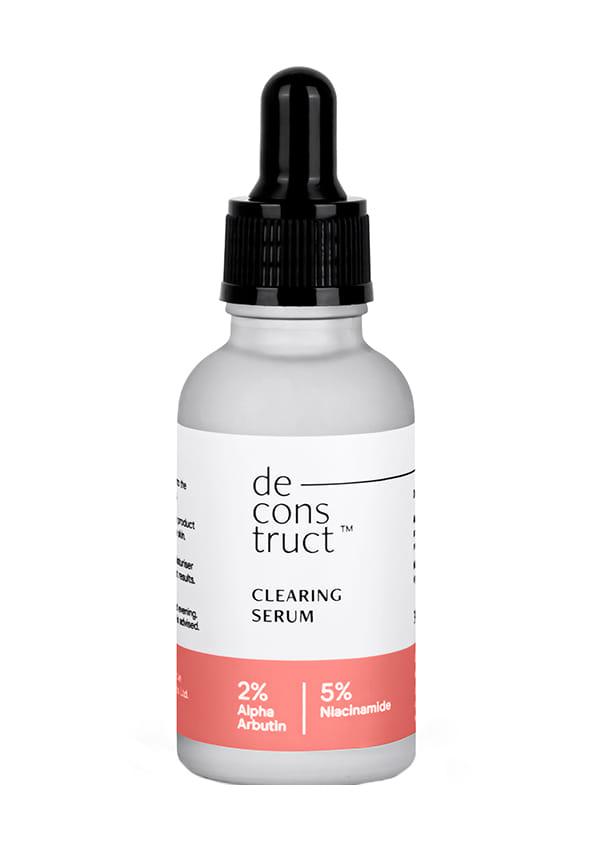 20 mL
20 mLClearing Serum - 5% Niacinamide Face Serum with Alpha Arbutin
The biggest mistake? Going too hard, too fast. Your skin needs time to adjust to new actives, and piling on multiple active ingredients skincare products at once is a recipe for irritation. Start with one new active at a time, and pay attention to how your skin responds. Alpha arbutin side effects are rare, but they can happen if you overwhelm your skin barrier.
Ready to put theory into practice? Here are some tried-and-tested routines that actually work in real life, not just on paper.
Start with a gentle cleanser, then apply your alpha arbutin serum to clean, slightly damp skin. Follow with vitamin C if you're using it, then a hydrating moisturiser, and finish with SPF 30 or higher. This routine works as an effective hyperpigmentation treatment while protecting your skin from further damage. The key is consistency—results come from daily use, not sporadic application.
Evenings are when your skin does its repair work, so this is prime time for alpha arbutin. After cleansing, apply alpha arbutin, wait a few minutes, then follow with any acids you're using (start with 2-3 times per week). Finish with a nourishing moisturiser or face oil. If you're using retinoids, alternate nights or apply them after alpha arbutin once your skin is used to both ingredients.
New to alpha arbutin skincare? Start simple. Use alpha arbutin every other night for the first week, then gradually increase to nightly use. Pair it only with gentle, hydrating ingredients initially—think hyaluronic acid and a basic moisturiser. Once your skin is happy with this routine (give it 2-3 weeks), you can start introducing other actives one at a time.
Even the gentlest ingredients can sometimes cause issues, especially when you're learning the ropes of layering. Here's how to spot problems early and fix them before they become bigger issues.
Signs that your layering routine needs adjusting include persistent redness, stinging, or increased sensitivity. Sometimes what looks like a reaction to alpha arbutin is actually your skin being overwhelmed by too many actives at once. If you experience irritation, strip back to basics—just cleanser, moisturiser, and SPF—until your skin calms down. Then reintroduce products one at a time to identify the culprit.
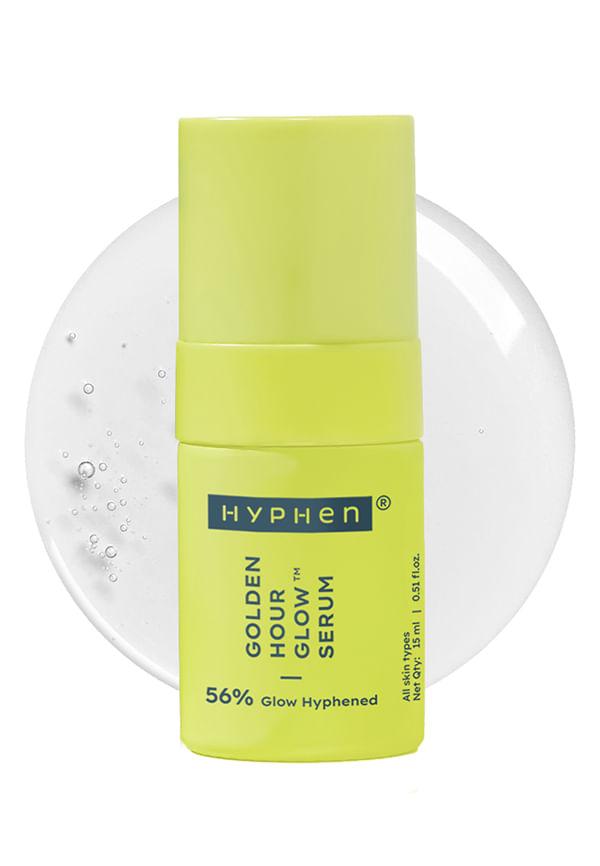 15 ml
15 mlBrightening 5% Niacinamide, 1% Alpha Arbutin Face Serum
Realistic expectations are everything with alpha arbutin. You might notice your skin looking brighter after 2-3 weeks, but significant changes to dark spots typically take 6-12 weeks. Take progress photos in the same lighting to track changes—sometimes improvements are so gradual that you don't notice them day to day. If you're not seeing any results after 3 months of consistent use, it might be time to reassess your routine or consult a dermatologist.
This is where platforms like Smytten become incredibly valuable for your skincare journey. With access to trial-sized versions of over 1,500 trusted brands, you can experiment with different alpha arbutin formulations and complementary actives without committing to full-size products. Whether you're testing how your skin responds to a particular arbutin serum or trying different layering combinations, Smytten's trial packs let you discover what works for your unique skin needs. Plus, with 100% cashback on trial purchases, you can build your perfect skincare layering guide without the financial risk of buying products that might not suit you.
Absolutely! This combination works brilliantly, especially in morning routines. Apply alpha arbutin first, then vitamin C, followed by moisturiser and SPF. Both ingredients target different aspects of skin brightening and protection.
Avoid layering alpha arbutin with benzoyl peroxide, as this can cause oxidation and reduce effectiveness. Also be cautious with very strong acids if you're new to actives—build tolerance gradually.
Apply alpha arbutin first due to its typically thinner consistency, then follow with niacinamide. This follows the thin-to-thick layering rule for optimal absorption.
Yes, but start cautiously. Use them at different times initially—salicylic acid in the evening, alpha arbutin in the morning—or alternate days to prevent over-exfoliation.
You might notice brighter skin after 2-3 weeks, but significant improvements in dark spots typically take 6-12 weeks of consistent use. Patience and consistency are key with this gentle active.
Yes, alpha arbutin is gentle enough for daily use. Start with every other day if you're new to actives, then gradually increase to twice daily once your skin adjusts.
Mastering the art of layering alpha arbutin with actives doesn't have to be rocket science. Start simple, listen to your skin, and remember that consistency beats intensity every time. The beauty of alpha arbutin lies in its gentle nature—it gives you the brightening results you want without the drama that comes with harsher ingredients. Whether you're targeting stubborn dark spots or just want that healthy glow, the right layering routine can make all the difference. Remember, skincare is a marathon, not a sprint, so give your routine time to work its magic. Your future self (and your skin) will definitely thank you for taking the patient, methodical approach to building your perfect routine.
