How to Identify Salicylic Acid Purging vs Breakouts


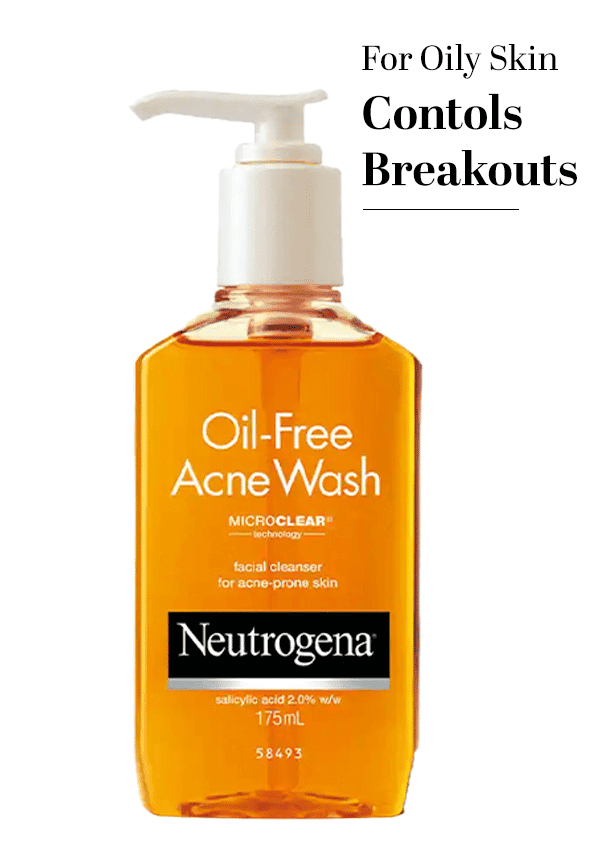 175 ml
Oil Free Acne Wash For Acne Prone Skin With Salicylic Acid
Starting a new salicylic acid routine can feel like a rollercoaster for your skin. One day you're excited about clearer skin ahead, the next you're staring at new bumps wondering if you've made a terrible mistake. Here's the thing—your skin might actually be doing exactly what it's supposed to do. The tricky part? Figuring out whether you're experiencing a normal salicylic acid purge or dealing with an actual breakout. Let's break down the science behind what's happening to your skin and give you the tools to tell the difference. Because honestly, knowing whether to stick it out or switch products can save you weeks of frustration.
Let's get real about what's actually happening when you start using salicylic acid. Your skin isn't randomly rebelling against you—there's proper science behind the chaos.
Salicylic acid works by speeding up your skin's natural cell turnover process. Think of it as your skin's personal trainer, pushing all those clogged pores to work faster than usual. When you first start using it, all the gunk that was already forming under your skin gets fast-tracked to the surface. It's like cleaning out a messy drawer—everything gets worse before it gets better. The comedolytic action means salicylic acid literally breaks down the bonds holding dead skin cells together. This process can take 4-6 weeks to complete its first full cycle, which is why purging typically lasts about that long.
Here's where things get interesting. A salicylic acid breakout happens when your skin genuinely doesn't like the product, whilst purging is your skin working through existing issues. Breakouts from product reactions tend to show up in places where you don't usually get spots—like your cheeks if you're typically a T-zone person. Purging, on the other hand, happens exactly where you'd expect it: your usual problem areas. Timing is everything here. Purging starts within the first week or two of use and follows a predictable pattern. True breakouts can happen anytime and often get worse instead of better.
Spotting the difference between purging and breaking out isn't always obvious, but there are some telltale signs that can help you figure out what's really going on.
Your usual trouble spots are where purging happens. If you typically get congestion around your nose and chin, that's exactly where you'll see purging activity. It's like your skin is saying, "Right, let's sort out these areas we've been working on." New breakouts from product reactions love to surprise you. They'll pop up on your temples, jawline, or other areas that are usually clear. If you're suddenly getting spots in places that never usually bother you, that's a red flag.
Purging follows a pretty predictable schedule. You'll notice increased activity within 1-2 weeks of starting salicylic acid, peak chaos around weeks 3-4, then gradual improvement. The whole process typically wraps up within 6 weeks. Breakouts from product sensitivity don't follow rules. They can start immediately, after months of use, or show up randomly without any clear pattern.
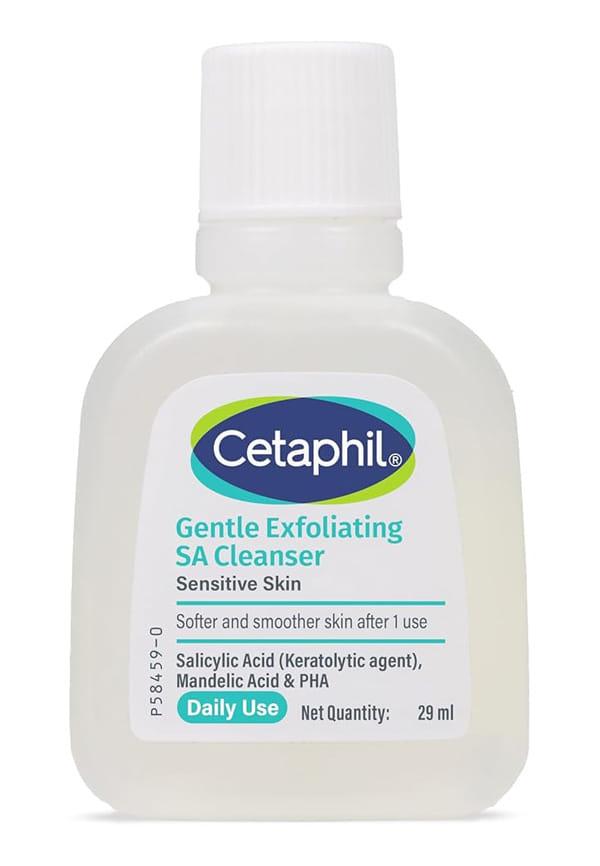 29 ml
29 mlGentle Daily Exfoliating Cleanser With Salicylic Acid For Oily Acne Prone Skin
Purging tends to bring up smaller, less inflamed spots—mainly whiteheads and blackheads that come to a head quickly. These are the congested pores that were already forming, just getting pushed to the surface faster. True breakouts often involve deeper, more inflamed spots. Think painful cysts, angry red bumps, or spots that seem to stick around forever without coming to a head.
Not every reaction to salicylic acid is purging, and knowing the difference can save your skin from unnecessary damage.
During a normal purge, you might notice your skin feels slightly rougher as all those clogged pores work their way out. Some mild dryness and flaking is totally normal—your skin is working overtime to shed dead cells. Increased comedone formation in your usual problem areas is actually a good sign. It means the salicylic acid is doing its job of bringing everything to the surface.
Severe irritation, persistent redness, or burning sensations aren't part of normal purging. If your skin feels constantly angry or inflamed, that's your cue to step back. Painful cystic acne that develops after starting salicylic acid is usually a sign of product incompatibility, not purging. Acne purging shouldn't involve deep, painful cysts that take weeks to heal.
The best way to figure out what's happening is to become a detective about your own skin patterns.
Start taking photos of your skin before you begin using salicylic acid, then weekly progress shots. This helps you see patterns that aren't obvious day-to-day. Note where new spots appear, how long they last, and whether they're improving or getting worse. Keep a simple skin diary noting any changes in your routine, diet, or stress levels. Sometimes what looks like a product reaction is actually hormonal or lifestyle-related.
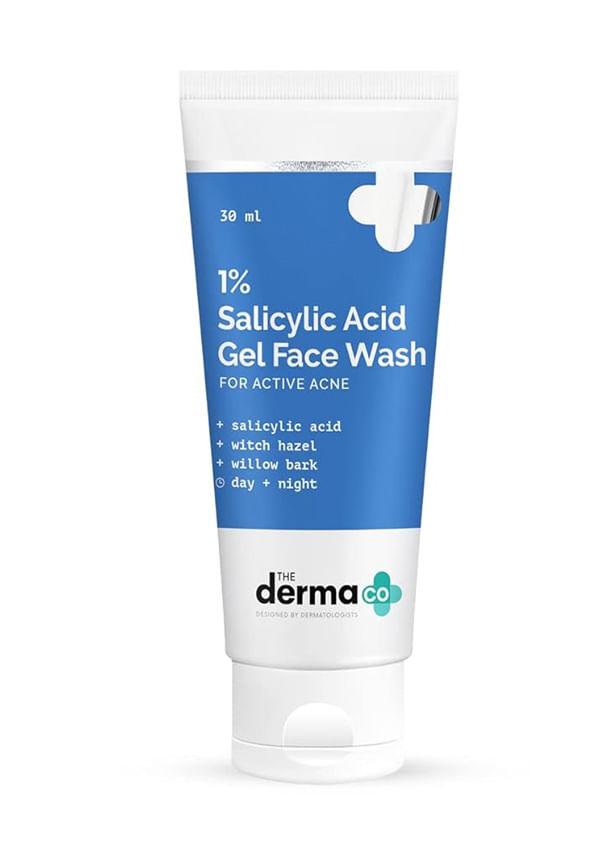 30 ml
30 ml1% Salicylic Acid Gel Face Wash for Active Acne
If you're still unsure after 6 weeks, or if you're experiencing severe reactions, it's worth getting professional input. Dermatologists can assess whether your skin's response is within normal purging parameters or if you need to adjust your approach. Some people need to start with lower concentrations or use salicylic acid less frequently to avoid overwhelming their skin.
Going through a purge doesn't mean you have to suffer in silence. There are ways to support your skin through the process.
Gentle is the name of the game during purging. Stick to a simple cleanser that won't strip your skin, and don't skip moisturiser even if your skin feels oily. Your barrier needs support while it's working overtime. Sun protection becomes even more important during purging since your skin is more sensitive and vulnerable to damage.
Resist the urge to add more active ingredients or scrub harder. Your skin is already working at maximum capacity—adding more exfoliation will only cause irritation. Avoid picking at purging spots. They're closer to the surface and will clear faster if you leave them alone.
Sometimes the kindest thing you can do for your skin is to admit when something isn't working.
If you're getting new types of spots in new locations, or if your skin feels constantly irritated after 2-3 weeks, it's probably time to reassess. Types of breakouts from product reactions tend to be more inflamed and persistent than purging. Allergic reactions can include itching, burning, or widespread redness that doesn't improve with gentle care.
If salicylic acid isn't your skin's cup of tea, there are other options for treating acne. Gentler alternatives like lactic acid or azelaic acid might work better for sensitive skin. Sometimes it's about finding the right concentration or frequency rather than switching products entirely. When you're trying new skincare ingredients, especially actives like salicylic acid, having access to trial sizes can be a game-changer. Smytten offers curated trial packs from trusted skincare brands, letting you test products before committing to full sizes. With over 1,500 brands available and the ability to get up to 8 minis for just ₹249, you can explore different salicylic acid side effects and find what works for your skin without the financial risk.
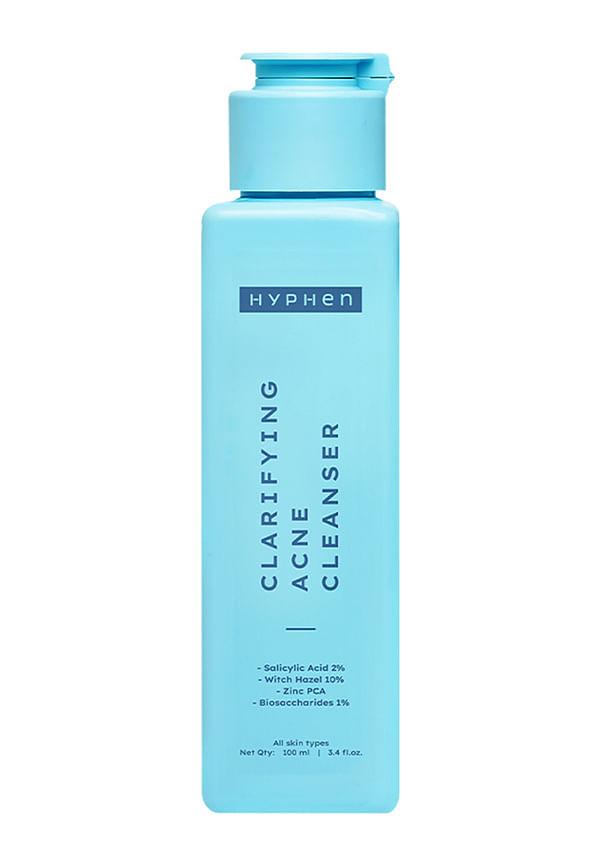 100 ml
Clarifying Acne Cleanser with Salicylic Acid 2% | Anti-Acne Face Wash
Most people experience purging for 4-6 weeks when starting salicylic acid. This timeframe allows for one complete skin cell turnover cycle.
True purging usually involves smaller, less inflamed spots. Deep cystic acne is more likely to be a sign of product sensitivity rather than normal purging.
If breakouts are appearing in new locations, getting more inflamed, or accompanied by severe irritation, it's worth taking a break and reassessing.
Purging happens in your usual problem areas and improves over time. Breaking out from products typically occurs in new locations and doesn't follow a predictable pattern.
Allergic reactions often involve widespread redness, itching, or burning sensations. Purging is typically limited to increased comedone formation in existing problem areas.
Purging beyond 6 weeks is unusual and might indicate that the product isn't suitable for your skin or that you're using too high a concentration.
Differentiating purge from breakout comes down to location, timing, and the type of spots you're seeing. Purging is temporary, predictable, and happens where you usually get congestion. True breakouts from product reactions are more random, inflamed, and persistent. The most important thing to remember is that everyone's skin responds differently. What works brilliantly for your friend might not suit you, and that's completely normal. Pay attention to your skin's signals, be patient with the process, and don't be afraid to adjust your approach if something doesn't feel right. With platforms like Smytten making it easier to try products before committing to full sizes, you can explore different skincare options without the pressure of expensive mistakes. After all, why settle for maybe when you can try it all and find what actually works for your unique skin?
