How to Identify Niacinamide Purging vs. Breakouts

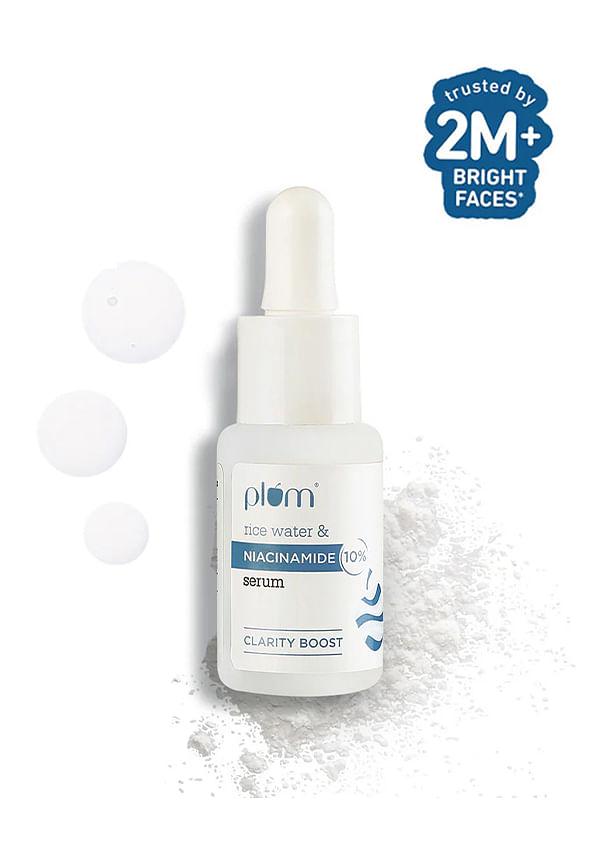 15 ml
15 ml10% Niacinamide Face Serum For Clear Skin | Fades Blemishes| With Rice Water
Starting a new skincare routine with niacinamide can feel like a bit of a gamble. One day your skin looks amazing, the next you're staring at new bumps wondering if you've made a terrible mistake. Here's the thing though—not all skin reactions are created equal. Understanding whether you're experiencing genuine niacinamide breakouts or just your skin adjusting can save you from ditching a potentially brilliant ingredient too soon. Let's dive into the science behind niacinamide skin reactions and figure out what your skin is actually trying to tell you.
Niacinamide, also known as vitamin B3, is basically the chill friend of the skincare world. Unlike some actives that come in hot and heavy, niacinamide works more like a gentle mediator. It helps regulate oil production, reduces inflammation, and strengthens your skin barrier—all without the drama that typically comes with stronger actives.
The niacinamide benefits are pretty impressive when you think about it. This ingredient can help minimise pores, even out skin tone, and actually calm down existing breakouts rather than cause new ones. That's why niacinamide for skin is generally considered one of the safest actives you can introduce to your routine, even if you have sensitive skin.
What makes niacinamide different from ingredients like retinoids or AHAs is that it doesn't speed up cell turnover. Instead, it works by:
Regulating sebum production without over-drying
Reducing inflammation and redness
Strengthening the skin barrier function
Improving skin texture and tone
Providing antioxidant protection
The biggest misconception? That niacinamide always causes an adjustment period with breakouts. Real talk—this isn't typically how niacinamide works, which is why any negative reactions deserve a closer look.
Let's get straight to the point: does niacinamide cause acne? The scientific answer is a bit nuanced. True purging happens when an active ingredient accelerates cell turnover, bringing underlying clogs to the surface faster than usual. Think retinoids, AHAs, or BHAs—these are the ingredients that can cause legitimate purging.
Niacinamide doesn't work this way. It's anti-inflammatory and actually helps calm the skin rather than speed up cellular processes. So when people talk about niacinamide purging, they're usually experiencing something else entirely.
Here's where it gets interesting—niacinamide purging isn't really a thing from a scientific standpoint. Since niacinamide doesn't increase cell turnover, any breakouts you experience are more likely due to:
Product incompatibility or sensitivity
Too high a concentration for your skin
Reaction to other ingredients in the formula
Coincidental timing with hormonal changes
If you're seeing new breakouts after starting niacinamide, it's worth investigating whether it's actually the niacinamide itself or something else in your routine that's causing the issue.
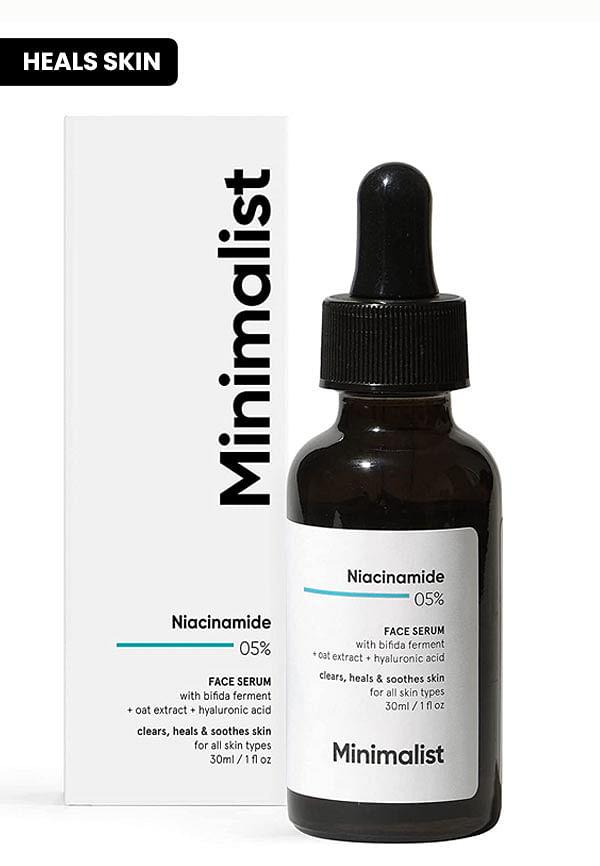 30 ml
30 ml5% Niacinamide Face Serum For Glowing & Clear Skin With 1% Hyaluronic Acid
Spotting the difference between a genuine niacinamide skin reaction and other skin issues requires a bit of detective work. The key is looking at timing, location, and the type of breakouts you're experiencing.
Real niacinamide side effects that indicate your skin isn't vibing with the ingredient usually show up within the first week or two of use. Here's what to watch for:
New breakouts in areas where you don't typically get spots
Increased inflammation or redness
Small, irritated bumps rather than deep cystic acne
Reactions that worsen rather than improve over time
The timeline matters too. If you've been using niacinamide for months without issues and suddenly start breaking out, it's probably not the niacinamide causing the problem.
Niacinamide skin irritation often looks different from typical acne. You might notice:
Tiny bumps that feel rough to the touch
General redness or flushing
Stinging or burning sensation upon application
Dry, flaky patches alongside bumps
This type of reaction suggests your skin barrier is compromised or you're using too high a concentration. It's different from the deep, inflamed spots that characterise true acne breakouts.
When niacinamide and acne become a problem, it's usually down to a few specific factors. Understanding these can help you troubleshoot whether to adjust your approach or move on entirely.
Concentration is often the culprit. While niacinamide is generally well-tolerated, using products with concentrations above 10% can sometimes trigger sensitivity reactions. Your skin might handle 5% beautifully but revolt against 20%.
The formula matters just as much as the niacinamide itself. Some products combine niacinamide with other actives that don't play well together, or include comedogenic ingredients that could be causing the actual breakouts. It's worth checking the full ingredient list if you're experiencing issues.
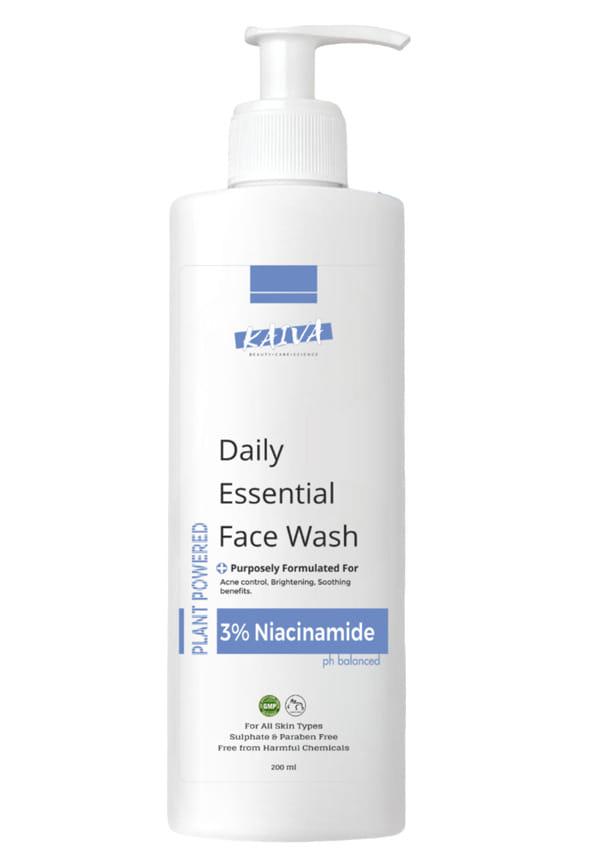 200 ml
ClearSkin Booster – 3% Niacinamide Face Wash
pH levels can also affect how your skin responds. Niacinamide works best in a slightly acidic to neutral pH environment. If you're layering it with products that significantly alter your skin's pH, you might experience irritation that looks like breakouts.
Sometimes the issue isn't the niacinamide at all—it's introducing too many new products at once. If you've started a whole new routine, it can be impossible to pinpoint which ingredient is causing problems.
Discovering that your skin isn't loving niacinamide can be frustrating, especially when everyone else seems to rave about it. But don't panic—there are ways to troubleshoot before giving up entirely.
If you're experiencing persistent breakouts or irritation, the first step is to stop using the product temporarily. Give your skin a chance to calm down and return to baseline. This usually takes about a week or two.
During this break, stick to your most basic, tried-and-tested products. Think gentle cleanser, simple moisturiser, and SPF during the day. Avoid introducing anything new until your skin settles.
Once your skin has calmed down, you can try reintroducing niacinamide with some modifications:
Start with a lower concentration (2-5% instead of 10%)
Use it every other day initially
Apply it to clean, dry skin before other products
Patch test on a small area first
If you still experience issues, it might be worth trying a different niacinamide product. Sometimes it's not the active ingredient but the supporting cast that causes problems.
Managing expectations is crucial when starting any new skincare ingredient. Niacinamide before and after results typically show gradual improvement over 4-8 weeks, not overnight transformation.
In the first week or two, you might notice your skin feels slightly different—perhaps less oily or slightly smoother. This is normal and usually a good sign. However, if you're seeing increased breakouts during this period, it's worth questioning whether it's truly an adjustment phase or a sign of incompatibility.
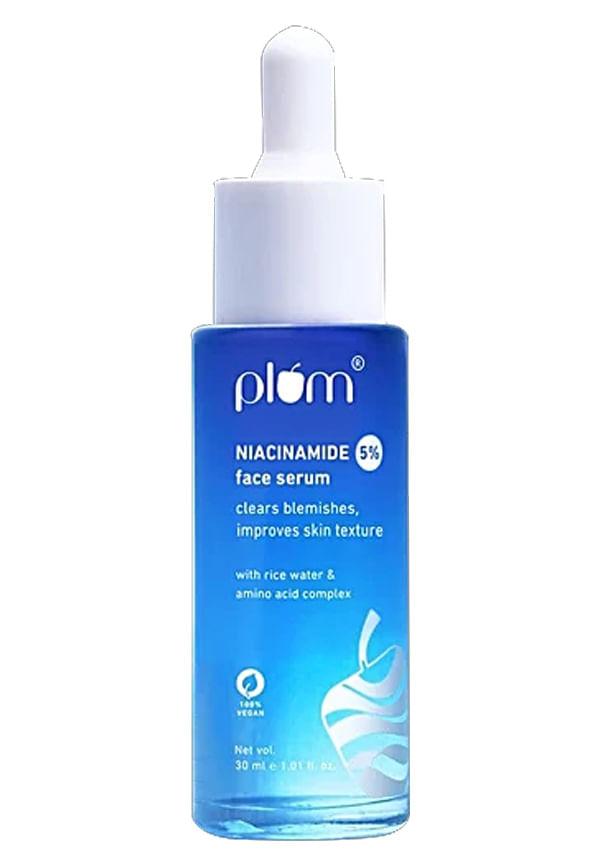 30 ml
30 ml5% Niacinamide Face Serum | With Rice Water & Amino Acid Complex
The key difference is that genuine adjustment periods with niacinamide are usually mild and improve over time. If breakouts are getting worse or new types of spots are appearing, that's your cue to reassess.
For those exploring new skincare ingredients, platforms like Smytten make it easier to test products without the commitment of full-size purchases. With trial packs from trusted brands, you can discover what works for your skin before investing in larger quantities.
No, niacinamide typically doesn't cause purging since it doesn't increase cell turnover like retinoids or acids. Any breakouts are more likely due to irritation, sensitivity, or product incompatibility rather than true purging.
Look for new breakouts in areas where you don't typically get spots, increased inflammation, or reactions that persist beyond 2-3 weeks. True niacinamide breakouts usually appear within the first week of use and don't improve with continued application.
While uncommon, niacinamide can occasionally cause clogged pores in sensitive individuals. This is usually due to high concentrations, incompatible formulations, or reactions to other ingredients in the product rather than the niacinamide itself.
Yes, discontinue use if you experience persistent breakouts, increased irritation, or worsening skin condition after 2-3 weeks of consistent use. You can try reintroducing it later with a lower concentration or different formulation.
Most people notice initial improvements within 2-4 weeks, with more significant results appearing after 6-8 weeks of consistent use. If you're not seeing any positive changes by the 8-week mark, the product might not be right for your skin.
Understanding the difference between niacinamide purging and genuine breakouts comes down to science and observation. Since niacinamide doesn't accelerate cell turnover, true purging isn't typically part of the equation. Instead, any negative reactions are more likely due to concentration issues, product incompatibility, or sensitivity to other ingredients.
The good news? Niacinamide is generally one of the gentler actives you can introduce to your routine. If you're experiencing issues, it's often a matter of finding the right concentration or formulation rather than avoiding the ingredient entirely.
For those looking to explore niacinamide products safely, Smytten's trial platform offers an ideal solution. With curated trial packs from over 1,500 trusted brands, you can test different niacinamide formulations without committing to full-size products. This approach lets you discover what works for your unique skin needs while building confidence in your skincare choices. After all, why settle for uncertainty when you can try it all and find your perfect match?
