How to Identify Early Signs of Aging Skin

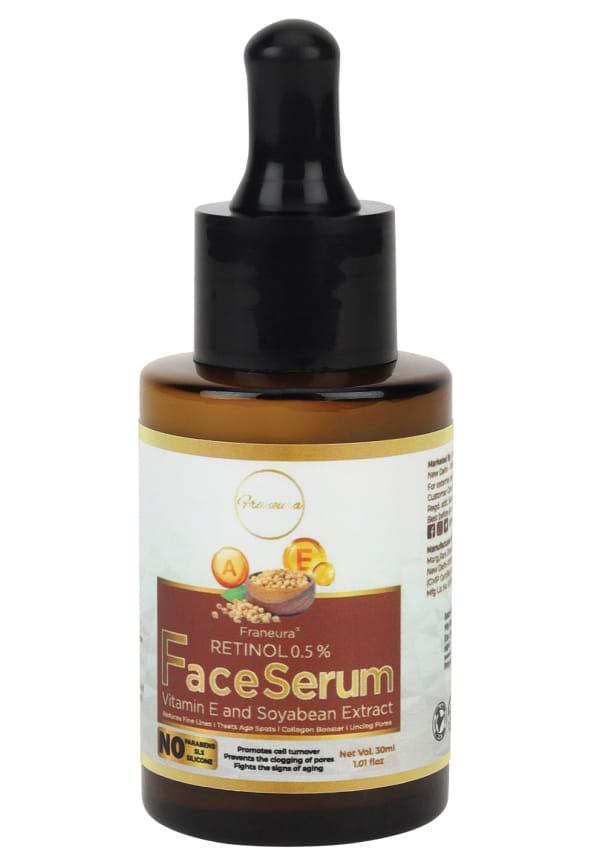 30 ml
30 mlRetinol Anti-Aging Face Serum to Reduce Fine Lines & Wrinkles
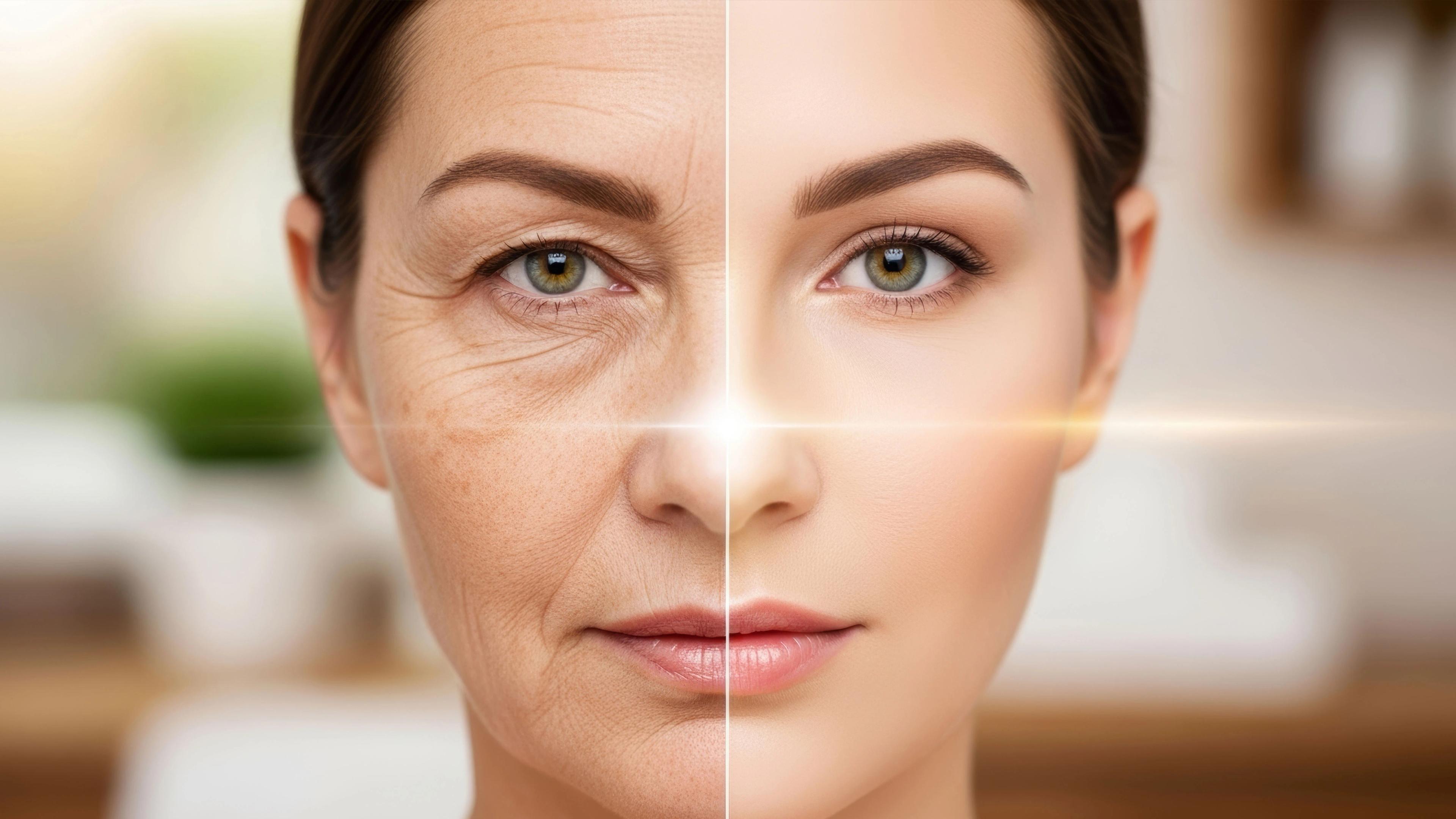
Let's be real—spotting the first signs of aging skin can feel like finding that one grey hair that suddenly appeared overnight. One day you're glowing, the next you're squinting at your reflection wondering when those fine lines decided to make themselves at home. But here's the thing: catching these changes early isn't about vanity, it's about understanding what your skin needs so you can give it the best care possible. Whether you're in your late twenties noticing subtle changes or your thirties seeing more obvious shifts, knowing what to look for helps you make smarter choices about your skincare routine. Ready to decode what your skin is telling you?
Before we dive into spotting those telltale signs of aging skin, it helps to understand what's actually happening beneath the surface. Think of your skin like a well-orchestrated team where different players have specific roles—and as time goes on, some team members start slowing down.
Your skin ages in two main ways, and knowing the difference is pretty crucial. Intrinsic aging is the natural process that happens as we get older—it's written in our genes and there's not much we can do to stop it completely. This type of facial aging typically starts in our twenties when collagen production begins its slow decline.
Extrinsic aging, on the other hand, comes from external factors like sun exposure, pollution, smoking, and lifestyle choices. The good news? This type is largely preventable and sometimes even reversible with the right approach to mature skin care.
Here's where things get interesting. Collagen is like your skin's scaffolding—it keeps everything firm and plump. From our mid-twenties onwards, we lose about 1% of our collagen each year. Elastin, which gives skin its bounce-back quality, also starts declining. This is why collagen boosting becomes such a hot topic in anti-aging skincare circles.
Ever wondered why some people seem to age like fine wine while others show signs earlier? Genetics play a massive role in how our skin ages. Some lucky folks have genes that protect against UV damage better, while others might be more prone to expression lines or age spots.
Now for the main event—what exactly should you be looking for? These signs of aging skin don't all appear at once, and everyone's timeline is different. But knowing what's normal can help you spot changes early and adjust your routine accordingly.
Fine lines are usually the first guests to arrive at the aging party. They typically show up around areas where we make the most facial expressions—think crow's feet around your eyes, forehead lines, and those smile lines (nasolabial folds) that run from your nose to the corners of your mouth.
These lines start as temporary creases that appear when you smile or squint, but over time they become permanent fixtures. The key to effective wrinkle reduction is catching them early when they're still just surface-level concerns.
Remember when you could pinch your skin and it would snap back instantly? That's skin elasticity in action. As we age, this bouncy quality diminishes, and you might notice your skin takes longer to return to its original position after being stretched or pinched.
Those brown spots that seem to appear out of nowhere? They're usually the result of years of sun exposure catching up with you. Age spots removal has become increasingly popular as people realise these pigmentation changes can add years to your appearance.
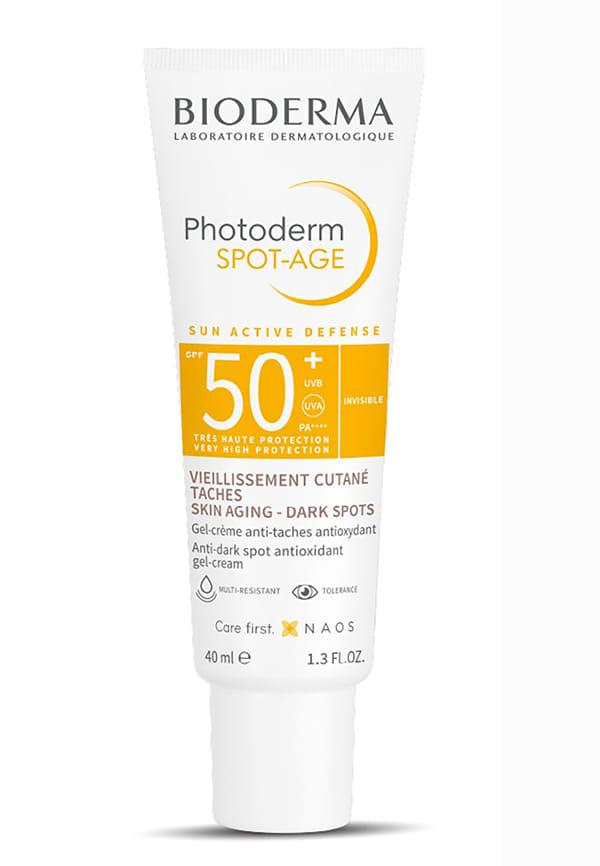 40 ml
40 mlPhotoderm Spot Age SPF 50+ Reduces Spots And Wrinkles Antioxidant Boosted Suncare
Youthful skin feels smooth and soft to the touch. As we age, skin can become rougher, drier, and less even in texture. This happens because cell turnover slows down and oil production decreases.
This is when gravity starts winning the battle. You might notice your cheeks aren't as full, or there's a slight sagging around your jawline. It's all part of the natural aging process as fat pads shift and skin loses its structural support.
Aging skin literally becomes thinner over time. You might notice veins becoming more visible, especially on your hands and around your eyes. This thinning also makes skin more fragile and prone to bruising.
That natural glow you had in your twenties? It tends to fade as cell turnover slows down and dead skin cells accumulate on the surface. This is where good skin rejuvenation practices can make a real difference.
Aging isn't a one-size-fits-all process, and what you experience in your thirties will likely be quite different from changes in your forties. Understanding these timelines can help you prepare and adjust your skincare approach accordingly.
In your thirties, you're likely dealing with the very first signs of aging skin. Think subtle fine lines around your eyes, maybe some uneven skin tone from past sun exposure, and possibly a slight decrease in that natural glow. This is the perfect time to focus on prevention rather than correction.
Your forties often bring more noticeable changes. Those fine lines might deepen into proper wrinkles, skin elasticity becomes more obviously compromised, and you might start seeing more significant pigmentation issues. This is when many people really ramp up their anti-aging skincare game.
Let's talk about the elephant in the room—hormones. Particularly for women, hormonal changes during perimenopause and menopause can accelerate skin aging. Declining oestrogen levels affect collagen production and skin thickness, making mature skin care even more important during this time.
You don't need to be a dermatologist to spot changes in your skin. With the right approach, you can become quite good at monitoring your skin's condition and catching signs of aging skin early.
Natural lighting is your best friend for honest skin assessment. Stand by a window during the day and look at your skin without makeup. Check for any new spots, changes in texture, or lines that weren't there before. Harsh bathroom lighting can be unflattering, but it's also good for spotting things you might miss in softer light.
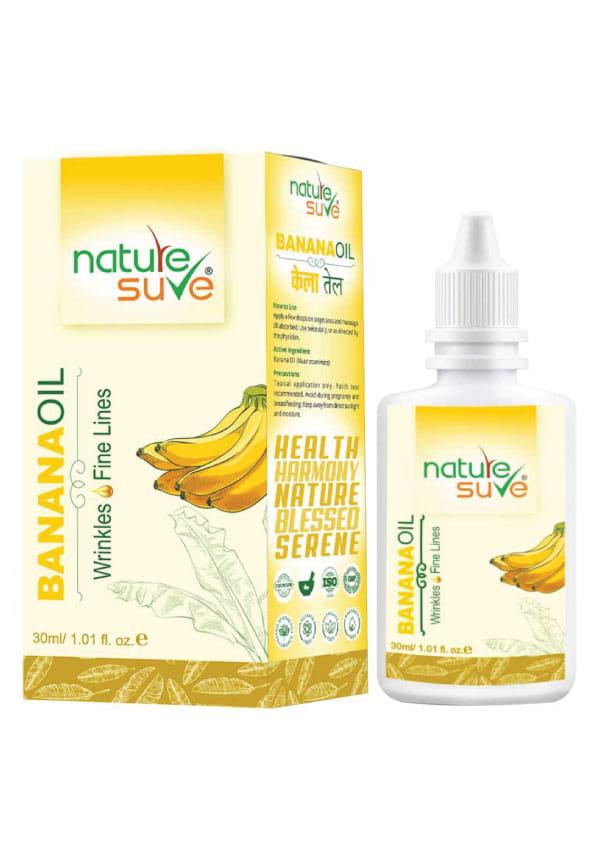 30 ml
30 mlBanana Oil For Wrinkles And Fine Lines
Gently pinch the skin on the back of your hand and see how quickly it snaps back. Run your fingers across your face—does it feel smooth or rough? These simple tests can tell you a lot about your skin's current state.
Taking regular photos of your skin in consistent lighting can help you track changes over time. It's amazing what you can spot when comparing images from six months apart that you might not notice day-to-day.
If you notice any sudden changes, new spots that look irregular, or if you're concerned about the rate of aging, it's worth chatting with a professional. They can help distinguish between normal aging and anything that might need attention.
Now that you know what to look for, let's talk about what you can actually do about it. The world of anti-aging skincare can feel overwhelming, but focusing on proven ingredients and methods will give you the best results.
When it comes to collagen boosting and fine lines treatment, certain ingredients have serious science backing them up. Retinoids are the gold standard—they speed up cell turnover and stimulate collagen production. Vitamin C acts as a powerful antioxidant while also supporting collagen synthesis.
Hyaluronic acid is brilliant for plumping up fine lines by drawing moisture into the skin. Peptides can signal your skin to produce more collagen, while AHAs and BHAs help with texture and tone issues.
Sometimes at-home care needs a professional boost. Treatments like chemical peels, microneedling, and laser therapy can address more advanced signs of aging. These skin rejuvenation methods work deeper than topical products can reach.
For fine lines treatment, you've got options ranging from gentle retinol creams to professional procedures. The key is starting with what your skin can handle and building up gradually. Many people find success with a combination approach—good at-home care plus occasional professional treatments.
Here's something that might surprise you—your daily habits probably have more impact on how your skin ages than your genetics do. The choices you make every day can either fast-track aging or help you maintain youthful skin for longer.
If you take away just one thing from this entire post, let it be this: wear sunscreen every single day. UV exposure is responsible for up to 80% of visible facial aging. That includes age spots, wrinkles, and loss of elasticity. Daily SPF is the most effective anti-aging step you can take.
What you eat shows up on your skin. Foods rich in antioxidants, healthy fats, and vitamins support skin health from the inside out. Staying properly hydrated helps maintain skin plumpness and supports the natural repair processes that keep skin looking youthful.
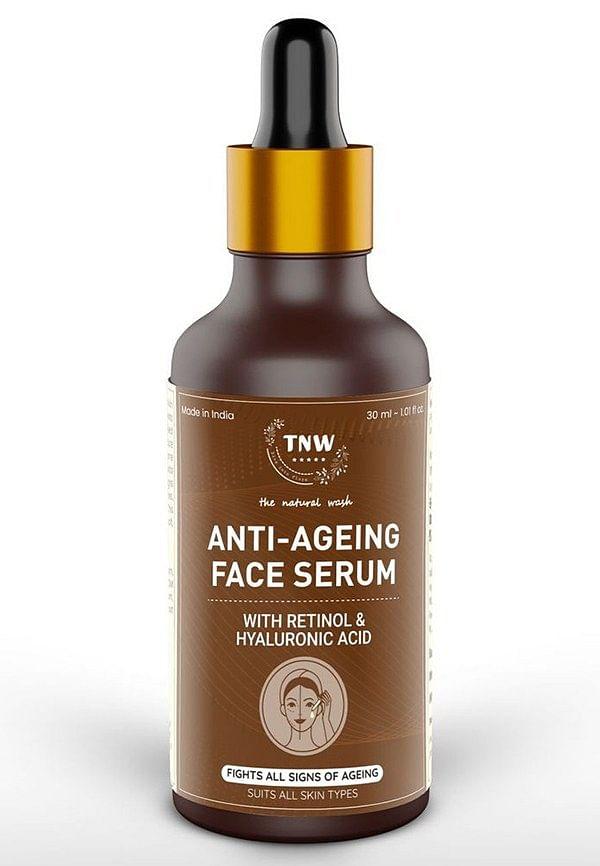 30 ml
30 mlAnti-Ageing Serum For Younger Looking Youthful Skin
Poor sleep and chronic stress can accelerate aging by increasing inflammation and cortisol levels. Regular exercise, on the other hand, boosts circulation and can actually slow down cellular aging. These lifestyle factors are often overlooked but incredibly important for mature skin care.
Smoking is probably the worst thing you can do for your skin—it breaks down collagen and reduces blood flow. Excessive alcohol consumption dehydrates skin and can cause inflammation. Even things like sleeping on your side can contribute to wrinkles over time.
This is where platforms like Smytten become incredibly valuable for anyone serious about addressing signs of aging skin. With access to trial packs from over 1,500 trusted brands including Cetaphil, Dot & Key, and other leading skincare names, you can experiment with different anti-aging products without the commitment of full-size purchases. Whether you're looking for collagen boosting serums, wrinkle reduction creams, or products for age spots removal, being able to try before you buy means you can find what actually works for your skin without wasting money on products that don't deliver.
The seven main signs of aging skin include fine lines and wrinkles, loss of skin elasticity, age spots and pigmentation changes, rough or dry texture, volume loss and sagging, skin thinning, and reduced radiance or dullness.
If you're seeing significant changes before your thirties, or if aging signs are progressing rapidly, your skin might be aging faster than normal. Factors like excessive sun exposure, smoking, poor skincare habits, or genetics can accelerate the process.
While you can't completely reverse aging, you can significantly improve skin appearance through consistent skincare, sun protection, healthy lifestyle choices, and proven anti-aging ingredients. Some signs like fine lines and uneven texture respond particularly well to treatment.
Natural aging tends to cause fine lines, gradual volume loss, and overall skin thinning. Sun damage typically shows up as age spots, deeper wrinkles, rough texture, and uneven pigmentation. Sun damage is preventable and often more treatable than natural aging.
Prevention is easier than correction, so starting with basic anti-aging ingredients like retinol and vitamin C in your mid-to-late twenties is ideal. However, it's never too late to start—mature skin can still benefit significantly from proper care.
Daily sunscreen use, consistent skincare routine with proven ingredients, adequate sleep, stress management, regular exercise, healthy diet rich in antioxidants, staying hydrated, and avoiding smoking and excessive alcohol consumption all help slow aging.
Spotting the early signs of aging skin isn't about being vain—it's about understanding what your skin needs so you can give it the best care possible. Whether you're dealing with your first fine lines or more advanced changes, the key is consistency and patience. Remember, aging is completely natural, and the goal isn't to stop it entirely but to age gracefully while feeling confident in your skin.
The beauty of modern skincare is that we have more options than ever before. From proven ingredients like retinoids and vitamin C to professional treatments for skin rejuvenation, there's something for every concern and budget. And with platforms like Smytten offering trial packs from trusted brands, you can explore different anti-aging skincare options without the guesswork. After all, why settle for maybe when you can try it all and find what truly works for your unique skin needs?
