How to Identify Causes of Rough Skin Texture


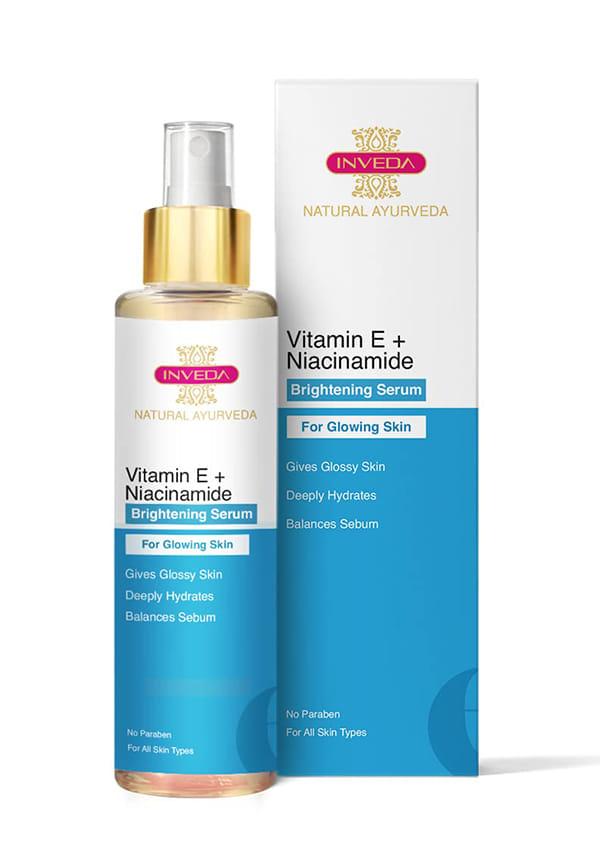 100 ml
Vitamin E+Niacinamide Brightening Serum, Dark Spots, Oily Skin, Uneven Tone
Ever run your fingers across your face and wonder why it feels like sandpaper instead of silk? You're not alone. Rough skin texture is one of those sneaky skin concerns that can pop up seemingly overnight or develop gradually over time. Whether it's bumpy patches on your cheeks, grainy texture around your forehead, or that overall uneven feel that makeup just won't sit right on, understanding what causes rough skin texture is the first step towards getting your glow back.
Let's be real—smooth, baby-soft skin isn't just about genetics. There are loads of factors at play, from the obvious culprits like dehydration to the not-so-obvious ones like vitamin deficiencies. The good news? Most causes of skin roughness are totally fixable once you know what you're dealing with. Ready to decode your skin's texture troubles and find solutions that actually work?
Before we dive into what's making your skin feel rough, let's get clear on what we're actually talking about. Rough skin texture isn't just one thing—it's an umbrella term for when your skin feels bumpy, grainy, or uneven to the touch. Think of it as your skin's way of telling you something's off with its natural renewal process.
Your skin is constantly working to shed old cells and reveal fresh ones underneath. When this process gets disrupted, dead skin cells start piling up on the surface, creating that rough, bumpy feeling. It's like having a traffic jam on your face—everything gets backed up and nothing flows smoothly.
Smooth skin has a consistent texture that feels soft and supple. The surface should be relatively even, without noticeable bumps or rough patches. When you run your fingers across healthy skin, it should feel like touching silk or a smooth pebble.
Rough skin texture shows up in different ways. You might notice tiny bumps that catch the light, areas that feel sandpaper-rough, or patches where makeup looks patchy or cakey. Sometimes it's subtle—just a general feeling that your skin isn't as smooth as it used to be.
Now for the detective work. Understanding what causes rough skin texture means looking at everything from your daily habits to underlying health conditions. Here are the main culprits behind that bumpy, uneven feeling.
This is probably the most common answer to what causes rough skin texture. As we age, our skin's natural exfoliation process slows down dramatically. While teenage skin renews itself every 14-21 days, adult skin can take 28-40 days or longer to complete the same cycle.
When dead skin cells don't shed properly, they accumulate on the surface, creating that rough, bumpy texture. It's like having old wallpaper that won't come off—the new, smooth skin underneath can't show through. Hormonal changes, particularly during menopause, can make this even worse by further slowing down cell turnover.
Dry skin is a major player in rough texture. When your skin lacks moisture, the surface becomes flaky and uneven. But here's the thing—dehydration isn't just about not drinking enough water (though that matters too).
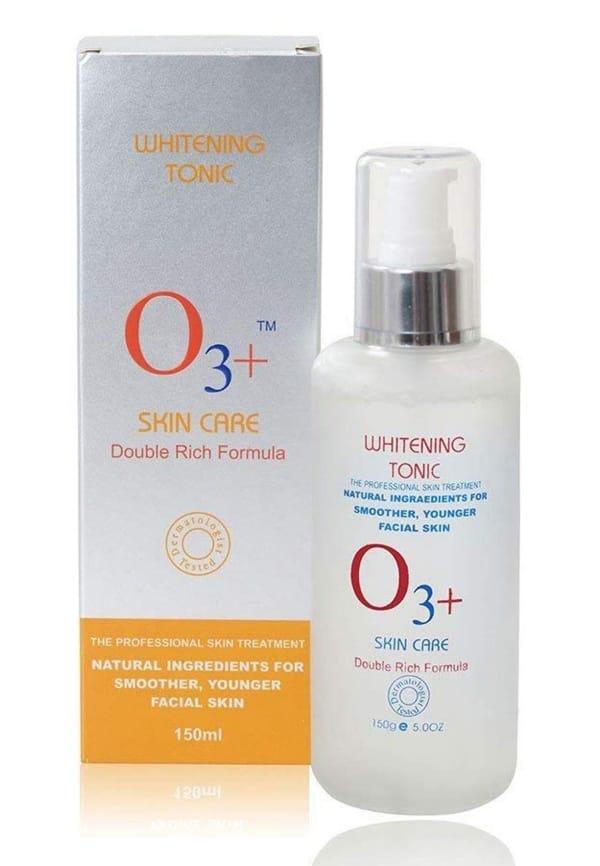 150 gm
Whitening Tonic For Smoother Younger Facial Skin
Your skin can lose moisture through environmental factors like air conditioning, heating, harsh weather, or using products that strip your skin's natural oils. When your skin barrier is compromised, it can't hold onto moisture effectively, leading to that rough, tight feeling that no amount of moisturiser seems to fix.
UV damage is sneaky—it doesn't just cause sunburn or dark spots. Over time, sun exposure breaks down collagen and elastin, the proteins that keep your skin smooth and plump. This leads to a rougher, more uneven skin texture that develops gradually.
Environmental pollutants, harsh winds, and extreme temperatures can also damage your skin barrier, contributing to roughness. If you live in a city or spend lots of time outdoors without protection, this could be a major factor in your skin texture issues.
Sometimes the products meant to help are actually making things worse. Over-exfoliation is a huge culprit—using harsh scrubs or too many chemical exfoliants can damage your skin barrier, leading to increased roughness and sensitivity.
On the flip side, not exfoliating enough can cause dead skin cell buildup. Using the wrong products for your skin type, skipping moisturiser, or cleansing with harsh soaps can all contribute to rough skin texture. It's all about finding that sweet spot.
Keratosis pilaris is one of the most common causes of rough skin texture, especially on arms and legs. These tiny, flesh-coloured bumps happen when keratin (a protein in your skin) blocks hair follicles. It's completely harmless but can make your skin feel like a plucked chicken.
Other skin conditions like eczema, psoriasis, or seborrhoeic dermatitis can also cause rough, scaly patches. If you notice rough skin texture combined with redness, itching, or flaking that doesn't improve with basic skincare, it might be time to see a dermatologist.
Your skin reflects what's happening inside your body. Deficiencies in vitamins A, D, or zinc can all contribute to rough, dry skin. Iron deficiency can also affect skin texture, making it appear dull and rough.
Hormonal imbalances, particularly thyroid issues or diabetes, can significantly impact skin texture. These conditions affect how your skin produces and retains moisture, often leading to persistent roughness that doesn't respond well to topical treatments alone.
Smoking accelerates skin aging and damages collagen, leading to rougher skin texture over time. Chronic stress increases cortisol levels, which can disrupt your skin barrier and slow down healing processes.
Poor sleep quality affects skin repair and regeneration, while a diet high in sugar and processed foods can contribute to inflammation and skin issues. Even seemingly small habits like touching your face frequently or using dirty pillowcases can impact skin texture.
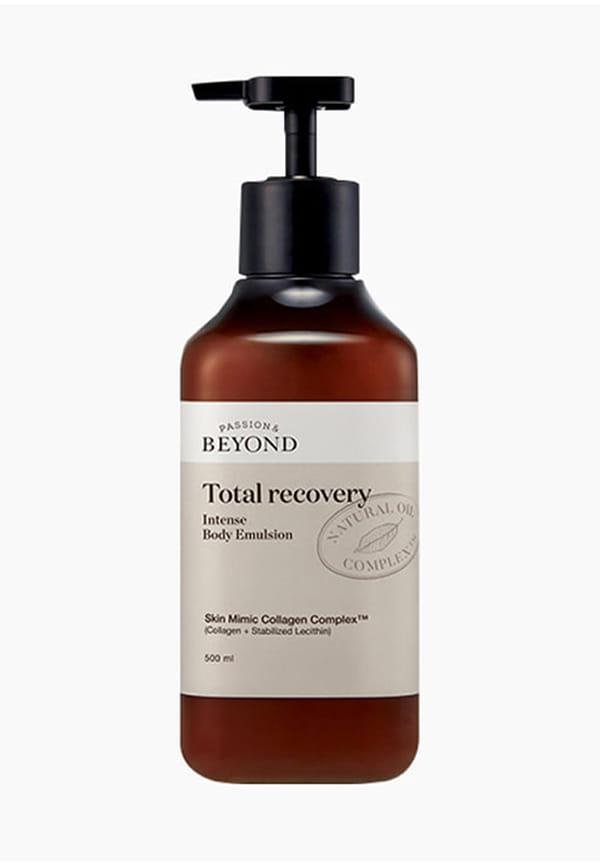 500ml
500mlBEYOND Deep Moisture Smoothing Body Emulsion
If your skin texture has changed dramatically in a short period, it's worth paying extra attention. Sudden changes in skin texture can indicate allergic reactions, hormonal shifts, or the onset of certain skin conditions.
Seasonal changes are common culprits—moving from humid summer air to dry winter heating can cause rapid changes in skin texture. New products, medications, or even stress can also trigger sudden roughness.
While most rough skin texture is harmless, certain signs warrant a dermatologist visit. If roughness is accompanied by severe itching, bleeding, rapid spreading, or doesn't improve with gentle skincare changes, it's time to get professional help.
The good news is that most cases of rough skin texture are totally treatable. The key is addressing the underlying cause while being gentle with your skin during the healing process.
Exfoliation is crucial for removing dead skin cells, but the keyword here is gentle. Chemical exfoliants like AHAs (glycolic acid, lactic acid) and BHAs (salicylic acid) are usually more effective and less irritating than physical scrubs.
Start slowly—maybe once or twice a week—and gradually increase frequency as your skin adjusts. Over-exfoliating will only make roughness worse, so patience is key.
Skin hydration goes beyond just slapping on moisturiser. Look for products with humectants like hyaluronic acid to draw moisture to your skin, and occlusives like ceramides to lock it in.
Layer your products from thinnest to thickest consistency, and don't forget about internal hydration—drinking enough water and eating water-rich foods supports your skin from the inside out.
Daily SPF isn't negotiable if you want smooth skin texture. UV damage is cumulative, so even small amounts of daily exposure add up over time. Look for broad-spectrum SPF 30 or higher, and reapply throughout the day.
Consider using antioxidant serums with vitamin C or niacinamide to help protect against environmental damage and support skin repair.
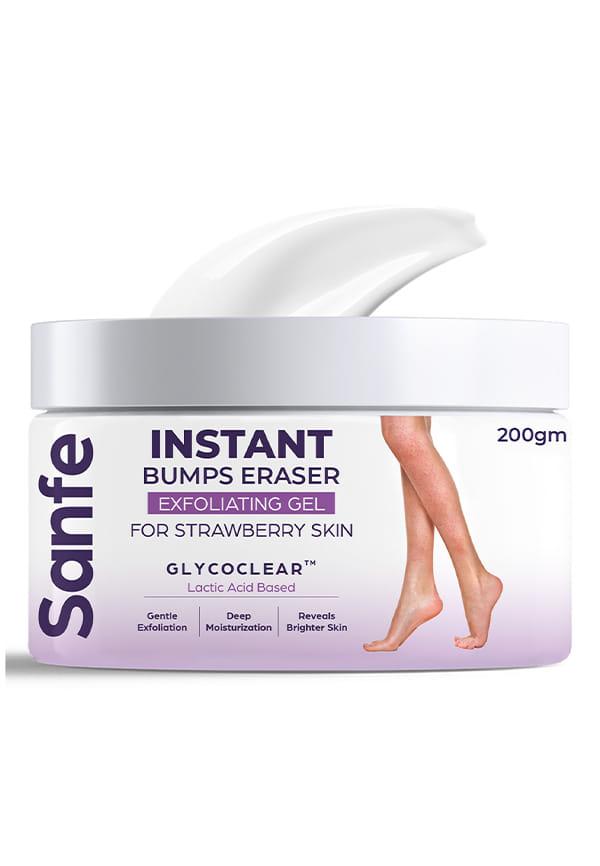 200 gm
Instant Bumps Eraser Exfolisting Gel | For Rough & Bumpy Skin, Tan and Strawberry Legs | Lactic Acid | Bath to Remove Dirt, Dead Skin | 200g for wome
With so many skincare options available, finding products that actually work for rough skin texture can feel overwhelming. This is where platforms like Smytten become incredibly valuable. As India's largest product discovery and trial platform, Smytten connects you with over 1,500 trusted brands including Cetaphil, Dot & Key, and Love, Beauty & Planet.
The beauty of trying mini-sized products is that you can test how your skin responds to different ingredients without committing to full-size purchases. Whether you're exploring gentle exfoliants, hydrating serums, or barrier-repair moisturisers, you can discover what works for your specific skin texture concerns. With trial packs available for just ₹249 and 100% cashback on minis, you can experiment with different approaches to improving your skin texture without the financial risk.
Vitamin A deficiency is the most common nutritional cause of rough skin texture. This vitamin is essential for skin cell production and repair. Vitamin D, zinc, and iron deficiencies can also contribute to skin roughness. If you suspect nutritional deficiencies, consider getting blood tests and focus on a balanced diet rich in these nutrients.
Most people start seeing improvements in 4-6 weeks with consistent skincare. However, significant texture changes can take 2-3 months, especially if you're addressing sun damage or slow cell turnover. Be patient and consistent with your routine for best results.
In most cases, rough skin texture is not permanent and can be improved with proper care. However, some conditions like severe sun damage or certain genetic skin conditions may require professional treatment for optimal results. Early intervention usually leads to better outcomes.
Yes, some changes in skin texture are normal as we age due to slower cell turnover and decreased collagen production. However, dramatic or sudden changes aren't necessarily inevitable and can often be improved with appropriate skincare and lifestyle adjustments.
Consider seeing a dermatologist if your rough skin texture doesn't improve after 6-8 weeks of consistent gentle care, is accompanied by other symptoms like severe itching or redness, or if you suspect an underlying skin condition like keratosis pilaris or eczema.
Understanding what causes rough skin texture is the first step towards smoother, healthier-looking skin. Whether it's dead skin cell buildup, dehydration, sun damage, or underlying skin conditions, most texture issues are treatable with the right approach.
Remember that improving skin texture takes time and patience. Start with gentle exfoliation, prioritise hydration, and protect your skin from environmental damage. If you're unsure about which products to try, platforms like Smytten make it easy to experiment with different formulations and brands without the commitment of full-size purchases.
Most importantly, listen to your skin. What works for others might not work for you, and that's perfectly normal. With over 25 million users discovering their perfect products through trial and error, you're definitely not alone in this journey. After all, why settle for rough, bumpy skin when you can find solutions that actually work for you?
