How to Identify and Prevent Summer Skin Irritation

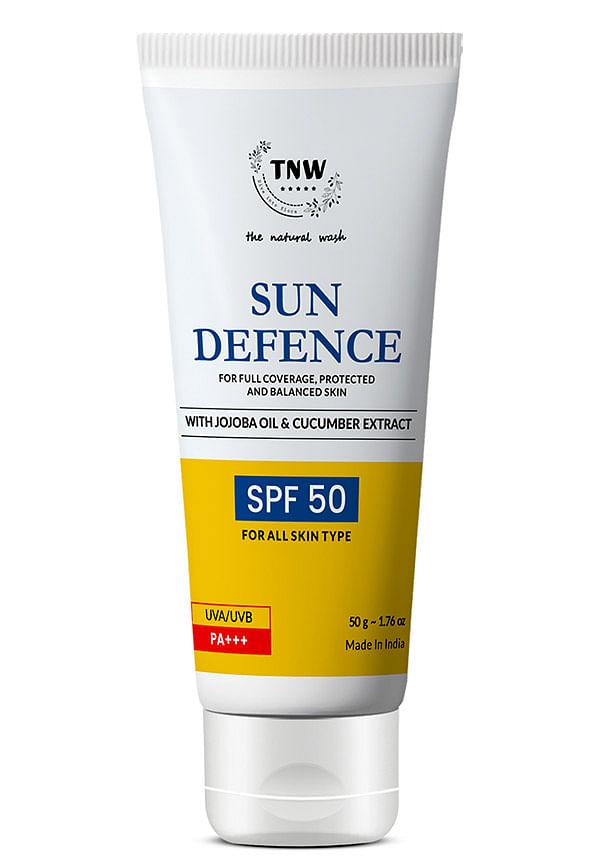 50 gm
50 gmSun Defence Spf Cream
Summer brings sunshine, holidays, and unfortunately, a whole host of skin irritation that can turn your favourite season into an itchy nightmare. From heat rash popping up after a day at the beach to that annoying prickly heat that strikes during your morning jog, summer skin problems are more common than you'd think. The good news? Most summer skin irritation causes are totally preventable once you know what you're dealing with. Let's dive into everything you need to know about keeping your skin happy when the temperature rises.
Understanding what triggers skin irritation during summer is your first line of defence. The combination of heat, humidity, and increased outdoor activities creates the perfect storm for various skin issues.
Heat and humidity are the main culprits behind most summer skin problems. When temperatures soar, your skin's natural barrier function can become compromised. The excess moisture in the air prevents sweat from evaporating properly, leading to clogged pores and bacterial growth. This creates an ideal environment for skin irritation to flourish.
Excessive sweating might seem natural, but it's one of the biggest summer skin irritation causes. When sweat gets trapped under clothing or in skin folds, it can lead to:
Blocked pores and breakouts
Bacterial and fungal infections
Salt crystal formation that irritates sensitive skin
pH imbalance that disrupts your skin's protective barrier
UV radiation damage goes far beyond the obvious sunburn. Even with sunscreen, prolonged exposure can trigger inflammatory responses in sensitive skin. This can manifest as heat rash, photosensitivity reactions, or worsen existing conditions like summer eczema.
Don't overlook environmental allergens that peak during summer months. Pollen, grass, and various plants can cause contact dermatitis, especially when combined with sweaty skin that makes allergens stick around longer.
Not all summer skin irritation looks the same, and knowing what you're dealing with helps you choose the right treatment approach. Here's how to spot the most common culprits.
Heat rash typically appears as small, red bumps or blisters in areas where sweat gets trapped. You'll usually find it in skin folds, under tight clothing, or anywhere that stays damp with perspiration. The affected area might feel prickly or itchy, hence the name prickly heat.
There are actually three types of heat rash, ranging from mild to more severe. The mildest form shows up as clear, fluid-filled bumps that break easily. More serious cases involve red, inflamed bumps that can be quite uncomfortable.
Summer eczema often looks different from winter flare-ups. Instead of the typical dry, scaly patches, summer eczema might appear more red and weepy due to increased humidity and sweating. The itchy skin summer brings can be particularly intense with eczema, creating a cycle where scratching leads to more irritation.
Key signs include persistent itching that worsens with heat, red or brown patches that may ooze, and skin that feels rough or leathery in affected areas. Unlike heat rash, eczema tends to appear in consistent locations like elbow creases, behind knees, or on hands and feet.
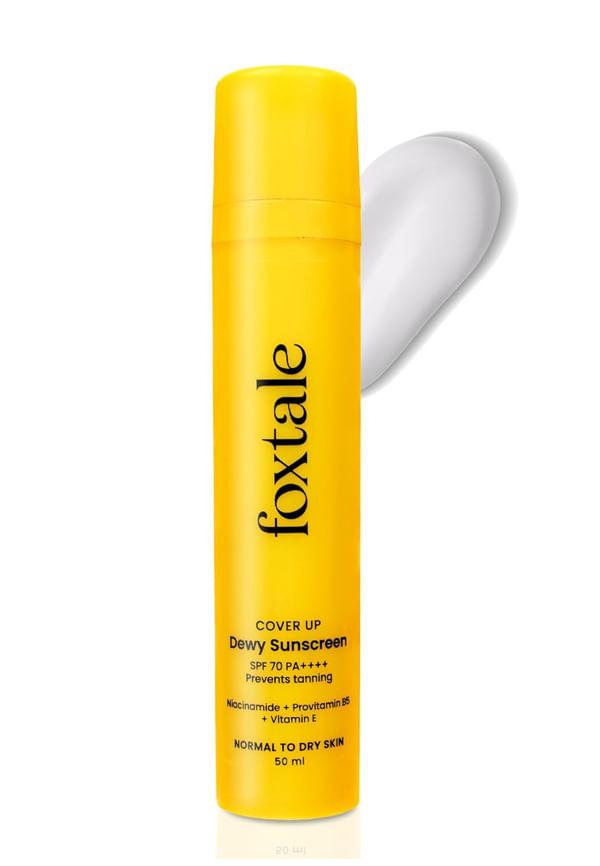 50 ml
50 mlNiacinamide Dewy Sunscreen For All Skin Type Spf 70 Pa++++
Some people develop what's called polymorphic light eruption - basically an allergic reaction to sun exposure. This shows up as itchy bumps or blisters on sun-exposed areas, usually appearing hours after being outdoors. It's different from regular sunburn because it can happen even with minimal sun exposure in sensitive individuals.
If you've got sensitive skin, summer can feel like navigating a minefield. The combination of heat, sweat, sunscreen, and increased outdoor activities creates multiple opportunities for irritation.
Sensitive skin summer challenges are amplified because your skin's protective barrier is already compromised. Heat makes blood vessels dilate, increasing sensitivity and making your skin more reactive to everything from fabrics to skincare products. Even products you use year-round might suddenly cause problems when temperatures rise.
The constant need for sunscreen reapplication can also trigger issues. Chemical sunscreens, in particular, can cause reactions in sensitive skin types. Add frequent swimming, chlorine exposure, and the need to cleanse more often, and you've got a recipe for itchy skin summer struggles.
Hormonal changes during summer months can also affect skin sensitivity. Increased daylight exposure influences hormone production, which can make some people more prone to skin irritation and inflammatory responses.
When skin irritation strikes, quick relief becomes your top priority. The good news is that most summer skin problems respond well to simple, immediate interventions.
Cold compresses are your best friend for immediate relief. Wrap ice cubes in a clean cloth or use a cold, damp towel on affected areas for 10-15 minutes. This helps reduce inflammation and provides instant cooling relief for heat rash or prickly heat.
Cool baths can work wonders for widespread irritation. Add colloidal oatmeal, baking soda, or chamomile tea to lukewarm water for extra soothing benefits. Avoid hot water, which can worsen inflammation and strip your skin of natural oils.
For sweat rash, gentle cleansing without over-drying is key. Use a mild, fragrance-free cleanser and pat skin dry rather than rubbing. Applying a light, non-comedogenic moisturiser while skin is still slightly damp helps lock in hydration without clogging pores.
Over-the-counter hydrocortisone cream can help with inflammation, but use it sparingly and only for a few days. For persistent issues, calamine lotion provides cooling relief and helps dry out weepy areas without being too harsh.
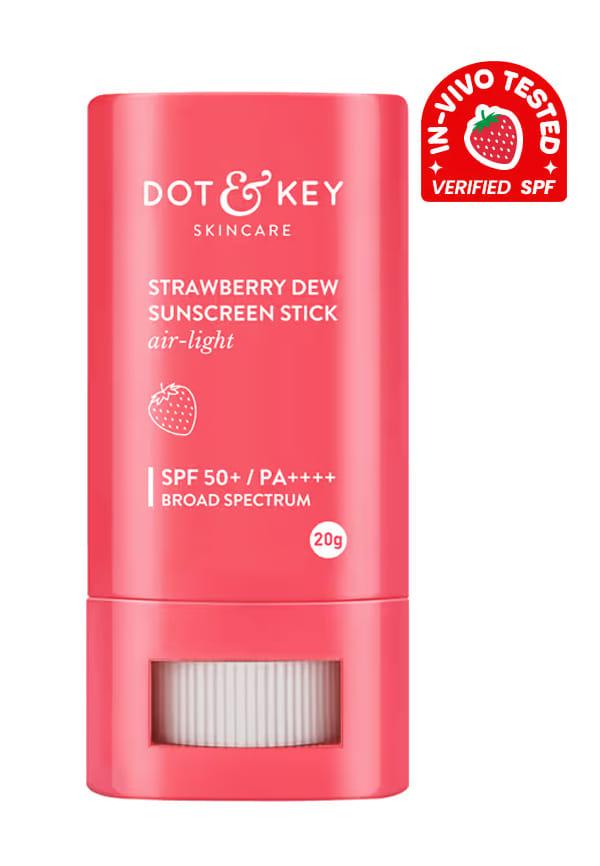 20 gm
20 gmStrawberry Dew Sunscreen Stick Spf 50
The best approach to summer skin irritation causes is stopping them before they start. With the right prevention strategies, you can enjoy summer activities without worrying about skin problems.
Breathable fabrics are non-negotiable for preventing heat rash and skin irritation. Cotton, linen, and moisture-wicking synthetic blends allow air circulation and help sweat evaporate quickly. Avoid tight-fitting clothes that trap moisture against your skin.
Loose-fitting clothing reduces friction, which is a major cause of skin rash in hot weather. Pay special attention to areas prone to chafing like inner thighs, underarms, and waistlines. Seamless or flat-seam garments can make a huge difference for sensitive skin.
Your winter skincare routine probably won't cut it in summer heat. Switch to lightweight, gel-based moisturisers that won't feel heavy or clog pores. Look for products with hyaluronic acid or glycerin that provide hydration without the greasy feel.
Sunscreen application becomes crucial, but choose wisely. Mineral sunscreens with zinc oxide or titanium dioxide are generally better tolerated by sensitive skin than chemical formulations. Apply generously and reapply every two hours, especially after swimming or sweating.
Consider adjusting your cleansing routine too. You might need to cleanse more frequently to remove sweat and sunscreen buildup, but be gentle. Over-cleansing can actually worsen skin irritation by disrupting your skin's natural barrier.
Hydration isn't just about drinking water - though that's important too. Well-hydrated skin is more resilient and less prone to irritation. Aim for at least 8 glasses of water daily, and increase this if you're spending time outdoors or exercising.
Indoor humidity control can prevent your skin from becoming too dry when you're in air-conditioned spaces. Use a humidifier to maintain optimal moisture levels, especially in bedrooms where you spend extended periods.
Timing your outdoor activities can also help. Try to avoid peak sun hours between 10 AM and 4 PM when UV radiation is strongest. Early morning or evening activities are gentler on your skin and often more comfortable anyway.
While most summer skin irritation can be managed at home, certain symptoms warrant professional attention. Knowing when to seek help can prevent minor issues from becoming serious problems.
Red flag symptoms include signs of infection like pus, red streaking from affected areas, fever, or rapidly spreading rash. If your skin irritation doesn't improve within a few days of home treatment, or if it's getting worse, it's time to see a healthcare provider.
For people with chronic conditions like eczema, summer flare-ups might require prescription treatments. Don't struggle through severe summer eczema when effective treatments are available. A dermatologist can help adjust your treatment plan for seasonal challenges.
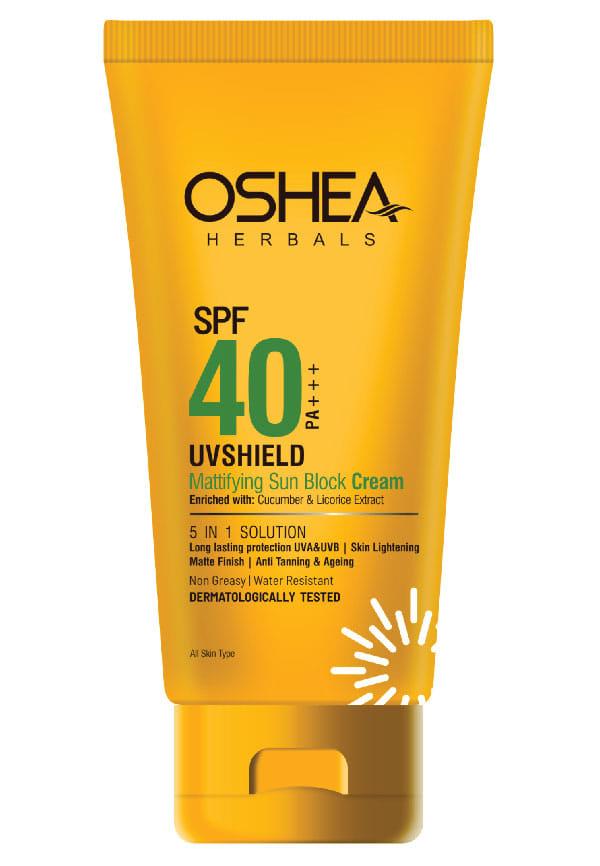 60 gm
60 gmUV SHIELD MATTIFYING SUN BLOCK CREAM SPF 40 PA +++
Persistent itchy skin summer after summer might indicate an underlying condition that needs professional diagnosis. Conditions like chronic urticaria or photosensitivity disorders require specialised care and can significantly improve with proper treatment.
When exploring new skincare products to address summer skin concerns, platforms like Smytten make it easier to find what works for your skin without the commitment of full-size purchases. With trial packs from trusted brands like Cetaphil and Dot & Key, you can test products specifically formulated for sensitive or irritation-prone skin before investing in full sizes.
The main culprits include heat and humidity, excessive sweating, UV radiation, friction from clothing, and increased exposure to allergens like pollen. Chlorine from swimming pools and saltwater can also trigger skin irritation in sensitive individuals.
Heat rash and prickly heat are actually the same condition - prickly heat is just another name for heat rash. The "prickly" sensation comes from the blocked sweat ducts that characterise this condition. It appears as small red bumps or blisters in areas where sweat gets trapped.
Summer heat dilates blood vessels and increases skin sensitivity. You're also exposed to more potential irritants like sunscreen, chlorine, sweat, and allergens. The need for frequent cleansing and product reapplication can further disrupt your skin's protective barrier.
Cool compresses, aloe vera gel, and cool baths provide immediate relief. Avoid products with petroleum, benzocaine, or lidocaine, which can trap heat or cause allergic reactions. Stay hydrated and consider over-the-counter pain relievers for severe discomfort.
Wear moisture-wicking, loose-fitting clothes, shower immediately after exercise, and keep skin dry. Apply antiperspirant to areas prone to chafing, and consider using powder in skin folds to reduce friction and moisture buildup.
Seek medical attention if you have signs of infection, if the irritation spreads rapidly, doesn't improve within a week of home treatment, or if you develop fever alongside skin symptoms. Severe or persistent eczema flare-ups also warrant professional care.
Summer skin irritation doesn't have to put a damper on your favourite season. By understanding the common causes and knowing how to identify different types of skin problems, you're already ahead of the game. The key is being proactive with prevention while having effective relief strategies ready when needed.
Remember that everyone's skin is different, and what works for your friend might not work for you. This is where trial-sized products become invaluable. Smytten's approach to product discovery means you can test different formulations and brands to find what truly works for your skin type without the financial risk of full-size purchases. With access to over 1,500 trusted brands and the ability to try up to 8 minis for just ₹249, finding your perfect summer skincare routine becomes much more manageable.
Don't let the fear of skin irritation keep you from enjoying summer activities. With the right knowledge, products, and prevention strategies, you can keep your skin comfortable and healthy all season long. After all, summer should be about making memories, not dealing with uncomfortable skin issues.
