
Skincare
•06 min read

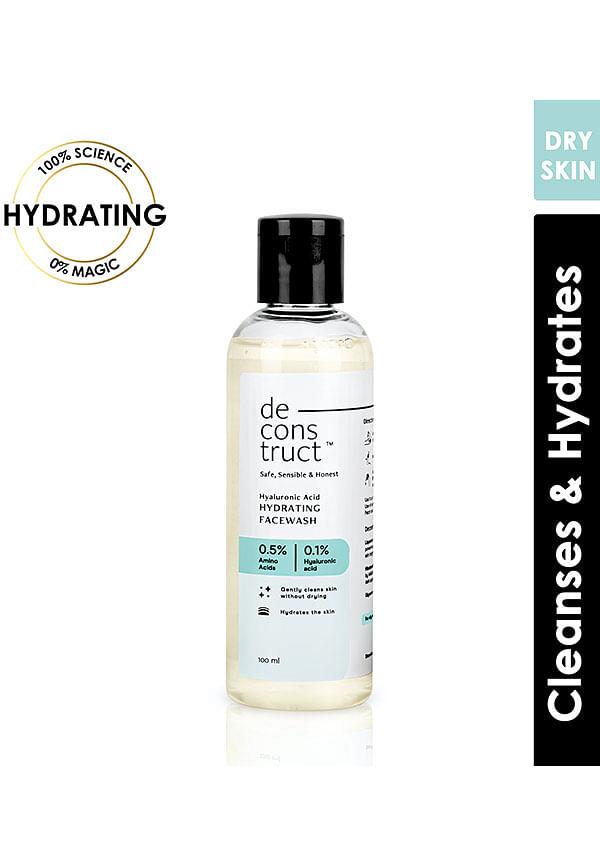 100 ml
Hyaluronic Acid Hydrating Facewash- 0.5% Amino Acids + 0.1% Hyaluronic Acid
Let's be real—when your skin feels tight, flaky, or just plain thirsty, it's basically screaming for hydration. But here's the thing: knowing how to hydrate skin properly isn't just about slapping on any moisturiser and calling it a day. Your skin is way more complex than that, and it deserves a thoughtful approach that actually works. Whether you're dealing with seasonal dryness, post-breakout dehydration, or just want that coveted healthy glow, understanding the science behind skin hydration can be a total game-changer. From natural methods to the best products worth trying, we're diving deep into everything you need to know about giving your skin the moisture it craves.
Here's where things get interesting—hydration and moisturisation aren't the same thing, even though we use these terms interchangeably. Think of hydration as your skin's water content, whilst moisturisation is about creating a barrier to lock that water in. Your skin naturally produces something called Natural Moisturising Factors (NMFs), which are basically your skin's built-in hydration system. When this system gets disrupted, that's when you start noticing issues. Dehydrated skin lacks water and often feels tight, looks dull, and might even show fine lines that aren't actually wrinkles. On the flip side, dry skin lacks oil and tends to be flaky, rough, or irritated. The plot twist? You can have oily skin that's dehydrated—mind-blowing, right?
Your skin has its own way of telling you what it needs. Look out for tightness after cleansing, dullness that no highlighter can fix, or that uncomfortable feeling like your skin is too small for your face.
Your skin barrier is like a bouncer at an exclusive club—it decides what gets in and what stays out. When it's compromised, water escapes more easily, leaving you with that parched feeling no matter how much moisturiser you apply.
Before you dive into products, let's talk about the foundation of good skin hydration—what you do beyond your skincare routine. Your skin reflects your overall health, so these natural methods are worth obsessing over. Hydrate skin naturally starts from within. Drinking enough water is obvious, but here's what's less obvious: the quality of that hydration matters. Adding a pinch of sea salt or electrolytes to your water can actually help your body retain moisture better. Aim for about 8 glasses daily, but listen to your body—some days you'll need more.
Humidity levels in your home can seriously impact your skin. If you're constantly in air-conditioned or heated spaces, consider investing in a humidifier. Your skin will thank you, especially during winter months when the air is naturally drier.
Omega-3 fatty acids from fish, walnuts, and flaxseeds help strengthen your skin barrier. Vitamin C-rich foods support collagen production, whilst foods high in water content like cucumber and watermelon provide internal hydration.
Poor sleep and chronic stress mess with your skin's ability to repair itself overnight. During deep sleep, your skin goes into recovery mode, producing new cells and repairing damage. Stress hormones like cortisol can actually break down your skin barrier, making it harder to retain moisture.
Now for the fun part—building a hydrating skincare routine that actually works. The key is layering products from thinnest to thickest consistency, allowing each layer to absorb before applying the next. Your morning routine should focus on protection whilst providing hydration. Start with a gentle cleanser that doesn't strip your skin, follow with a hydrating toner or essence, then layer on a serum with ingredients like hyaluronic acid or niacinamide. Finish with a moisturiser and SPF—non-negotiable, even on cloudy days.
 50 ml
50 ml5x Hydrating Ceramide Moisturizer for Face , Micro Hyaluronic Acid & 3 Ceramides
Nights are when your skin does its heavy lifting. After cleansing, this is when you can use slightly richer products or treatments. Consider adding a facial oil or overnight mask once or twice a week for extra skin barrier repair.
Gentle exfoliation once or twice a week helps remove dead skin cells that can block hydration. Follow up with a hydrating mask—sheet masks are convenient, but cream masks often provide deeper moisture.
Over-cleansing is probably the biggest culprit. Washing your face more than twice daily can strip away natural oils. Also, applying products to completely dry skin means you're missing out on the benefits of damp skin, which helps products absorb better.
When it comes to best moisturisers, ingredients matter more than fancy packaging. Look for hyaluronic acid, which can hold up to 1,000 times its weight in water. Ceramides help restore your skin barrier, whilst glycerin acts like a moisture magnet. For oily or combination skin, gel-based moisturisers provide hydration without feeling heavy. Dry skin types benefit from cream formulations with ingredients like shea butter or squalane. If you're dealing with very dry patches, consider layering a hydrating serum under your moisturiser.
The seven-skin method involves applying multiple thin layers of toner or essence. It sounds excessive, but it's actually brilliant for dehydrated skin. Each layer adds moisture without overwhelming your skin.
You don't need to break the bank for good hydration. Many affordable brands offer excellent formulations with proven ingredients. The key is finding what works for your specific skin type and concerns. This is where platforms like Smytten become incredibly useful. With over 1,500 trusted brands including Cetaphil, Dot & Key, and Love, Beauty & Planet, you can try mini versions of products before committing to full sizes. Getting up to 8 minis for just ₹249 means you can experiment with different moisturising tips and techniques without the financial commitment.
Sometimes your skin needs emergency intervention. For immediate relief from severely dry patches, try the sandwich method: apply a hydrating serum, then moisturiser, then a thin layer of facial oil to seal everything in. Dry skin remedies aren't just about what you put on your skin—they're about creating an environment where your skin can thrive. This means being mindful of water temperature when cleansing (lukewarm is best), choosing fragrance-free products if you're sensitive, and being consistent with your routine.
If your skin remains persistently dry despite consistent care, or if you're experiencing irritation, redness, or cracking, it might be time to consult a dermatologist. Sometimes underlying conditions like eczema or dermatitis require professional treatment.
Consider your daily habits—long, hot showers might feel amazing, but they're stripping your skin of natural oils. Switch to shorter, cooler showers and apply moisturiser while your skin is still slightly damp.
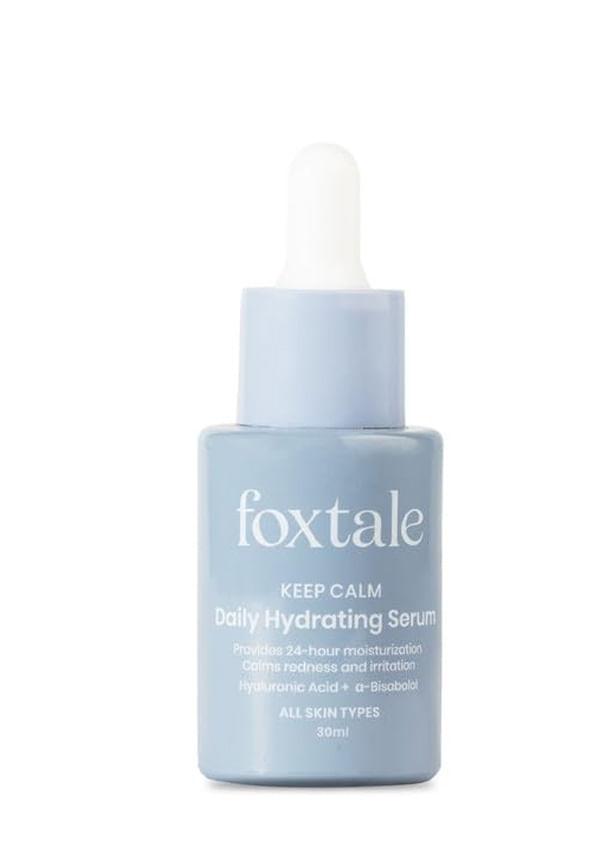 30 ml
30 mlHydrating Serum with Hyaluronic Acid and Bisabolol
Once you've mastered the basics, there are advanced skin hydration methods worth exploring. Understanding the difference between humectants, emollients, and occlusives can help you customise your routine based on your skin's daily needs. Humectants like hyaluronic acid draw moisture from the environment into your skin. Emollients like ceramides smooth and soften, whilst occlusives like petrolatum create a barrier to prevent water loss. The most effective routines combine all three.
Facial oils aren't just for dry skin types. Even oily skin can benefit from the right oils, which can actually help regulate sebum production. Jojoba oil closely mimics your skin's natural sebum, making it suitable for most skin types.
Facial steamers can help products penetrate better, whilst humidifiers maintain optimal moisture levels in your environment. These aren't necessities, but they can enhance your hydrating skincare routine.
You might notice immediate relief from tightness within hours, but significant improvements in skin texture and appearance typically take 2-4 weeks of consistent care.
Whilst rare, over-hydration can lead to a compromised skin barrier. Signs include increased sensitivity, breakouts, or a constantly greasy feeling despite using appropriate products for your skin type.
Dry skin lacks oil and is a skin type, whilst dehydrated skin lacks water and is a temporary condition that can affect any skin type, including oily skin.
At minimum, twice daily—morning and evening. However, if your skin feels tight or uncomfortable throughout the day, additional application is perfectly fine.
Factors include weather changes, new medications, hormonal fluctuations, over-exfoliation, or using products with harsh ingredients like alcohol or strong fragrances.
As we age, our skin produces less natural oil and loses collagen, making it harder to retain moisture. Mature skin often benefits from richer formulations and more frequent application of hydrating products.
Learning how to hydrate skin effectively is about understanding your skin's unique needs and responding accordingly. It's not just about finding one miracle product—it's about creating a comprehensive approach that includes proper cleansing, strategic layering, and lifestyle factors that support your skin's natural functions. The beauty of modern skincare is that you don't have to guess what works for you. With platforms like Smytten, you can explore curated trial packs from trusted brands, allowing you to discover your perfect hydration routine without the commitment of full-size purchases. With over 25 million users and 100 million trial minis delivered, the platform makes it easier than ever to find products that truly work for your skin. After all, why settle for 'maybe' when you can try it all and find what genuinely makes your skin happy and hydrated?
